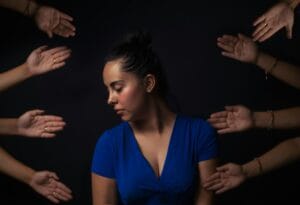
Why making big decisions feels so hard lately?
Big decisions used to feel like progress. Lately, they feel like exposure.
People are working. Planning. Saving. Thinking.
But they are not deciding.
Moves are postponed. Careers stay half open. Relationships remain undefined. Big life changes get delayed, not because options are unavailable, but because choosing feels heavier than it used to.
This hesitation is not laziness.
It is not indecision as a personality trait.
It is a response.
Right now, making a big decision feels like stepping onto unstable ground. And many people would rather stand still than move without certainty.
The question is not why people hesitate.
The question is why decisiveness suddenly feels dangerous.

Why Making Big Decisions Feels So Hard in the Current World
For a long time, decisions were framed as progress.
You chose a job, stayed long enough, moved up.
You chose a city, built a life.
You chose a path and were told that consistency would protect you.
That logic has weakened.
People commit and still lose jobs.
They settle and still feel disposable.
They plan carefully and still get blindsided.
The modern world has quietly taught us that effort and loyalty no longer guarantee stability.
This changes how the mind approaches choice.
When outcomes feel unpredictable, commitment starts to feel reckless.
Choosing one path feels like actively closing off others in a world where no path feels safe.
So people wait.
They keep options open.
They avoid locking themselves in.
They delay decisions under the guise of being practical.
But what they are really responding to is a loss of trust.
Not in themselves.
In the system that once rewarded certainty.
This connects closely to the quiet exhaustion described in Why Burnout Is Not About Working Too Much Anymore, where effort stops feeling meaningful when outcomes feel arbitrary.
When commitment stops offering protection, hesitation becomes rational.
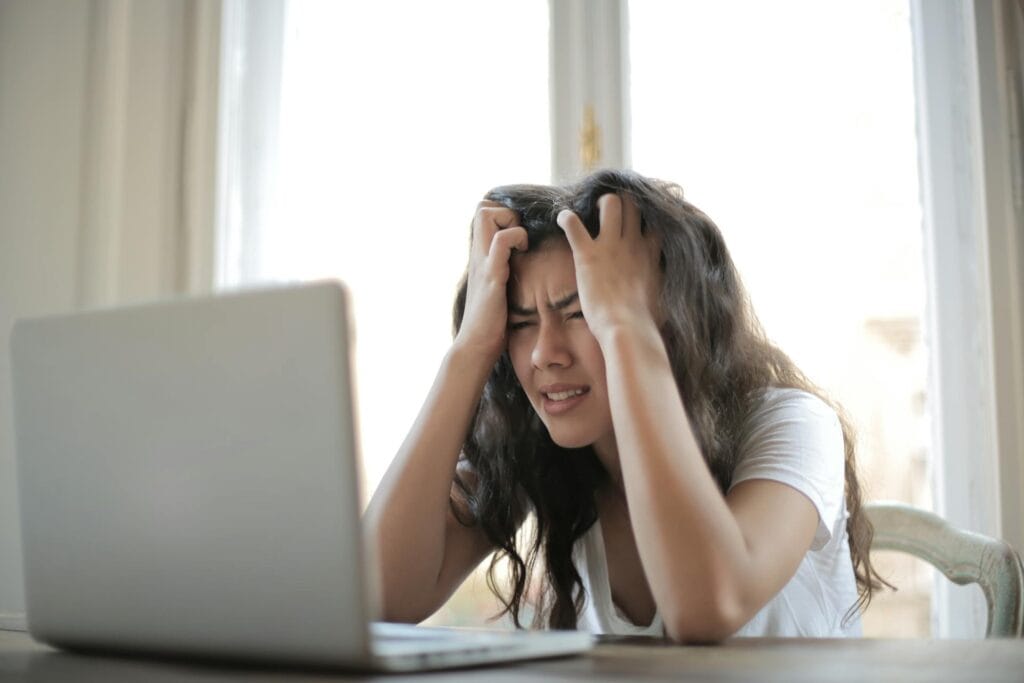
Decision Making Has Become a Test of Identity
Big decisions used to be situational.
Now they feel existential.
Choosing a job is not just about work.
It feels like choosing who you are.
Choosing where to live feels like choosing the version of yourself you might become.
This pressure did not exist at this intensity before.
Social comparison plays a role.
So does constant visibility into other people’s lives.
Every choice now exists alongside imagined alternatives.
Every decision feels measured against unseen timelines.
What if this is the wrong move.
What if I regret it.
What if I fall behind.
The modern mind does not just evaluate choices.
It simulates regret in advance.
This creates paralysis.
People do not fear failure alone.
They fear narrative failure.
They fear choosing something that later feels impossible to explain.
And so they keep their lives provisional.
Temporary jobs.
Temporary living situations.
Temporary certainty.
They tell themselves they are being flexible.
But underneath, there is fear of being pinned down by a story they cannot revise.
This tension echoes the deeper discomfort explored in If Everything Feels Meaningless, Look at What You’re Consuming, where internal pressure builds without a clear external trigger.
When identity feels fragile, decisions feel permanent in the worst way.
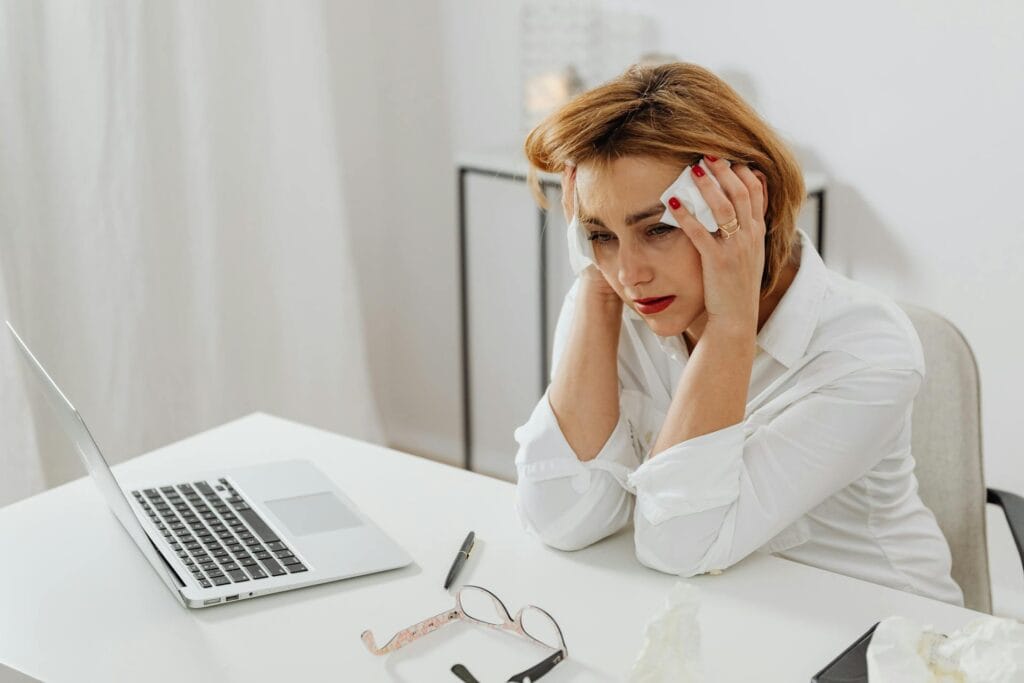
Uncertainty Has Trained US to Wait
There is another layer beneath all this.
Many people are not frozen because they lack clarity.
They are frozen because they are waiting for the world to settle.
Economic signals feel unstable.
Global events arrive without resolution.
Cultural rules change faster than people can adapt.
In this environment, waiting feels intelligent.
Why decide now when things might look clearer later.
Why commit when conditions could shift again.
The problem is that clarity rarely arrives on its own.
Waiting does not reduce uncertainty.
It prolongs it.
And over time, indecision becomes a habit.
People grow skilled at managing ambiguity but uncomfortable with commitment.
They stay alert, responsive, adaptable.
But they lose the ability to choose and tolerate the discomfort that follows.
This is not because they are weak.
It is because the modern environment rewards vigilance more than resolve.
The cost is subtle but real.
Lives begin to feel paused.
Time passes without markers.
Nothing feels wrong, but nothing feels solid either.
At some point, not choosing becomes its own decision.
And it carries consequences that are harder to name.
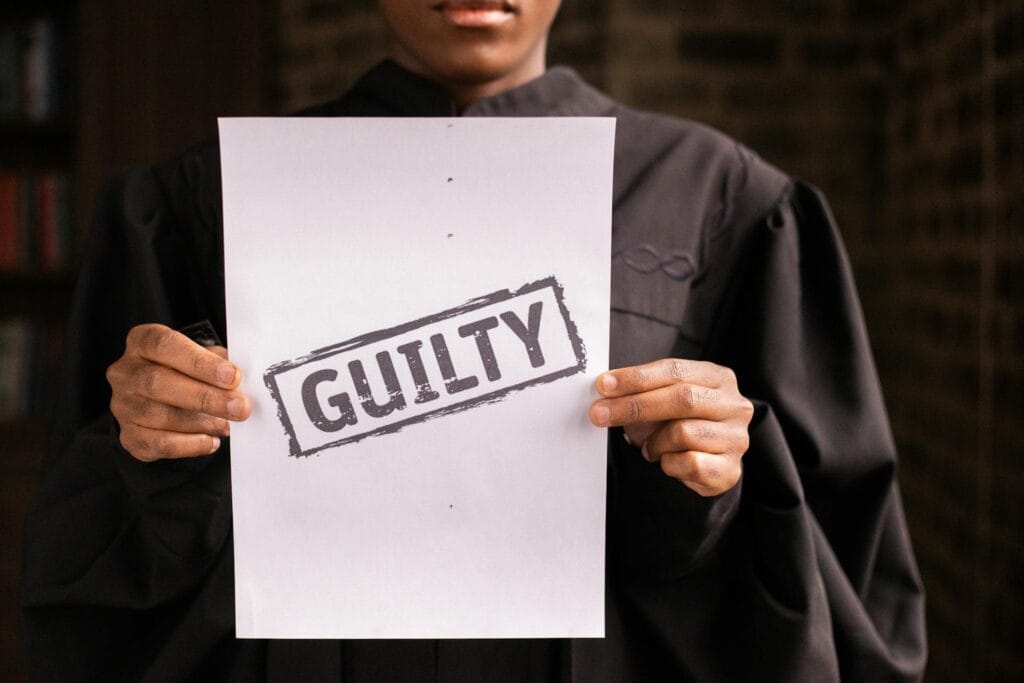
Choosing has not become harder because people are less capable.
It has become harder because the world has trained them to doubt the value of commitment.
When stability feels conditional, hesitation feels protective.
When outcomes feel random, waiting feels smart.
But there is a quiet truth many avoid confronting.
There is no moment when the world becomes safe enough to decide.
There is only the moment when standing still begins to cost more than moving forward.
People are not scared of decisions.
They are scared of choosing in a world that no longer promises to hold them steady afterward.
And yet, lives still move in one direction.
With or without consent.
Further Reading: What I learnt from my kurdish barber in london
Deep questions to ask someone to know them better (that actually work)