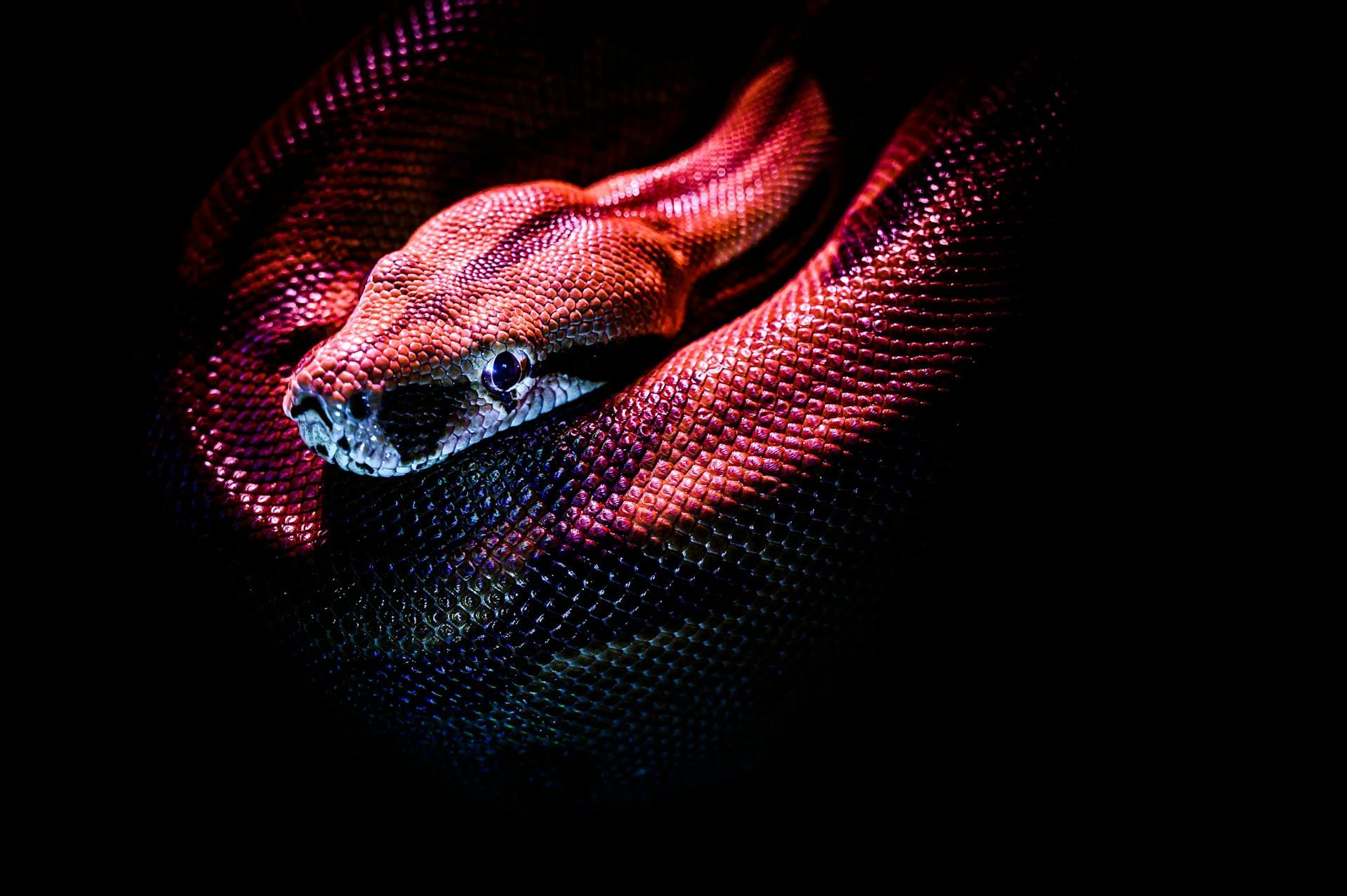
Pattern recognition bias is why lightning looks like tree branches and rivers look like veins.
Your nervous system looks like roots and pattern feels like proof.
You’ve seen the comparison. The viral image that shows up every few months. Tree roots on the left. Human neurons on the right. Same branching structure. Same organic sprawl.
The caption always says something about how we’re all connected. How nature repeats itself. How everything is one.
It gets thousands of shares. People tag their friends. “This is crazy.” “We really are nature.” “The universe is speaking.”
But here’s the uncomfortable part. The similarity is real. The meaning isn’t.
Those two things branch the same way for the same reason water finds the fastest route downhill. Physics favours certain shapes.
When you need to distribute something across space efficiently, branching works. That’s it.
Not cosmic unity. Not hidden design. Just geometry doing what geometry does.
And yet your brain saw those two images and immediately built a bridge between them. That bridge felt solid. It felt true. It felt like proof of something deeper.
That instinct is we keep finding patterns even when they don’t exist.
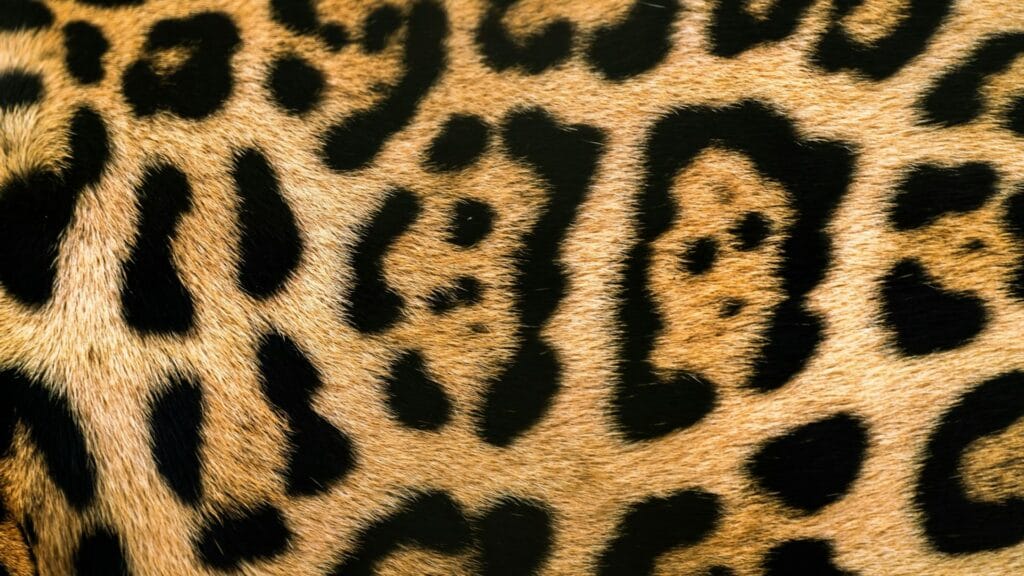
Your Brain Was Built to Connect Dots
Pattern recognition kept your ancestors alive.
The rustle in the grass could be wind. Or it could be a predator. The person who assumed pattern, who connected “rustle” to “threat,” survived more often than the person who didn’t.
So your brain evolved to be a connection machine. It sees two things that share any quality and starts building relationships between them. Shape, color, sequence, proximity. Anything.
This works beautifully when the patterns are real. You learn that certain clouds mean rain. That certain facial expressions mean anger. That certain sounds mean danger.
But the system doesn’t have an off switch.
Your brain doesn’t wait for confirmation. It doesn’t need statistics. It sees similarity and generates meaning instantly. Most of the time, you don’t even notice it happening.
You see a face in a piece of toast. You see a rabbit in the clouds. You see a conspiracy in a coincidence. You see proof in resemblance.
Scientists call this pareidolia when it’s visual. Apophenia when it’s broader. But the everyday version doesn’t have a name. It’s just how you move through the world. Constantly finding patterns. Constantly building bridges.
And most of the time, it’s harmless. You know the toast isn’t actually a face. You know the cloud isn’t actually a rabbit.
But sometimes the pattern feels too strong to dismiss.
When Resemblance Becomes Relationship
Someone shows you that tree root and neuron comparison.
Your first thought isn’t “interesting coincidence.” It’s “they’re connected.”
That leap happens in milliseconds. Similarity becomes relationship. Relationship becomes meaning. Meaning becomes certainty.
This is where it gets tricky. Because resemblance is not the same thing as lineage. Two things can look identical and have nothing to do with each other.
Branching shows up everywhere because it’s efficient. Rivers branch. Blood vessels branch. Lightning branches. Cracks in glass branch. None of these systems evolved from each other. They just all stumbled onto the same solution.
That’s called convergent design. Different problems, same answer, no connection.
But your brain doesn’t care about convergent design. It cares about pattern. And pattern feels like proof.
You’ve done this with smaller things too. You think about someone and they text you. You wear a specific shirt and have a good day. You take a different route to work and avoid traffic.
Coincidence. But it doesn’t feel like coincidence. It feels like a pattern. And once you’ve spotted the pattern, you start looking for it. You test it. You build superstitions around it.
This isn’t stupidity. It’s pattern recognition doing exactly what it was designed to do. Finding signal in noise. The problem is that sometimes the signal isn’t there.
Your brain doesn’t know the difference between a useful pattern and a false one until reality corrects it. And even then, correction doesn’t always stick.

Why Smart People Fall for It Harder
You’d think intelligence would protect against this. It doesn’t. In some ways, it makes it worse.
Every time you let resemblance become proof, you skip a step.
Smart people are better at finding patterns. That’s partly what makes them smart. They see connections others miss. They link ideas across domains. They build frameworks.
But that same skill becomes a liability when the pattern isn’t real.
Because smart people are also better at defending patterns once they’ve found them. They can construct elaborate justifications. They can find supporting evidence. They can explain away contradictions.
You see this with conspiracy thinking. The people who fall deepest into conspiratorial belief systems aren’t always the least educated. Often, they’re highly intelligent. They’ve just locked onto a false pattern and used their intelligence to reinforce it.
The same mechanism that lets you see a meaningful connection between philosophy and physics can let you see a meaningful connection between coincidences that don’t relate.
This happens in daily life too. You notice your friend only calls when they need something. You find evidence everywhere. That time they asked for a ride. That time they borrowed money. That time they wanted advice.
You’re not imagining those events. They happened. But you’re connecting them into a pattern that might not exist. Maybe your friend calls plenty of times when they don’t need anything. You just don’t remember those calls because they don’t fit the pattern you’ve built.
Your brain highlights evidence that supports the pattern. It downplays evidence that contradicts it. This isn’t dishonesty. It’s just how memory and attention work.
Once you’ve found a pattern, you see it everywhere.
But what if the pattern was never there to begin with? What if you built the whole structure on resemblance, not relationship?
You probably won’t know. Because the pattern feels true. And feeling is often stronger than knowing.

The Cost of Constant Connection
There’s a specific exhaustion that comes from finding patterns everywhere.
You can’t unsee them once they’re there. Every coincidence becomes significant. Every similarity becomes evidence. Every random event becomes part of a larger structure.
Some people live their entire lives like this. They see signs in everything. Repeating numbers. Synchronicities. Messages from the universe. Fate showing its hand.
It sounds poetic. Sometimes it even sounds comforting. But it’s also relentless.
Because if everything means something, then nothing can just happen. You’re always interpreting. Always connecting. Always building narratives that may or may not hold up under scrutiny.
The tree root and neuron image is a small example of a larger habit. We want things to connect. We want resemblance to mean relationship. We want the universe to make sense in a way that’s graspable and visual and emotionally satisfying.
And when we find an image that delivers that feeling, we share it. We don’t fact check it. We don’t ask if the similarity implies causation. We just feel the rightness of it and move on.
That’s not wrong, exactly. But it’s not neutral either.
Every time you let resemblance become proof, you’re training your brain to skip steps. To trust intuition over investigation.
To feel certainty where there should be curiosity.
And that habit doesn’t stay contained to viral images. It spreads into how you think about people. About politics. About your own life.
You start seeing patterns in your relationships that might not exist. Patterns in your career. Patterns in your health. You build entire belief systems on top of similarities that were never connected in the first place.
And the problem is, you can’t tell the difference from the inside. A real pattern and a false one feel identical. Both produce that same sensation of clarity. Of things clicking into place.
So you keep finding patterns. Everywhere. In everything.
Some of them are real.
Some of them aren’t.
And most of the time, you won’t know which is which until it’s too late to matter.
Read Next: Deep questions to ask someone to know them better (that actually work)
The psychology of news cycle: why certain stories hit different


 Psychology · Sep 22, 2026Chimpanzees Have Accents. They Grow into Them.
 The Margin · Sep 17, 2026People Are Seeing Ads in Their Dreams.
 Slow Meridian · Sep 16, 2026Autumn Leaves