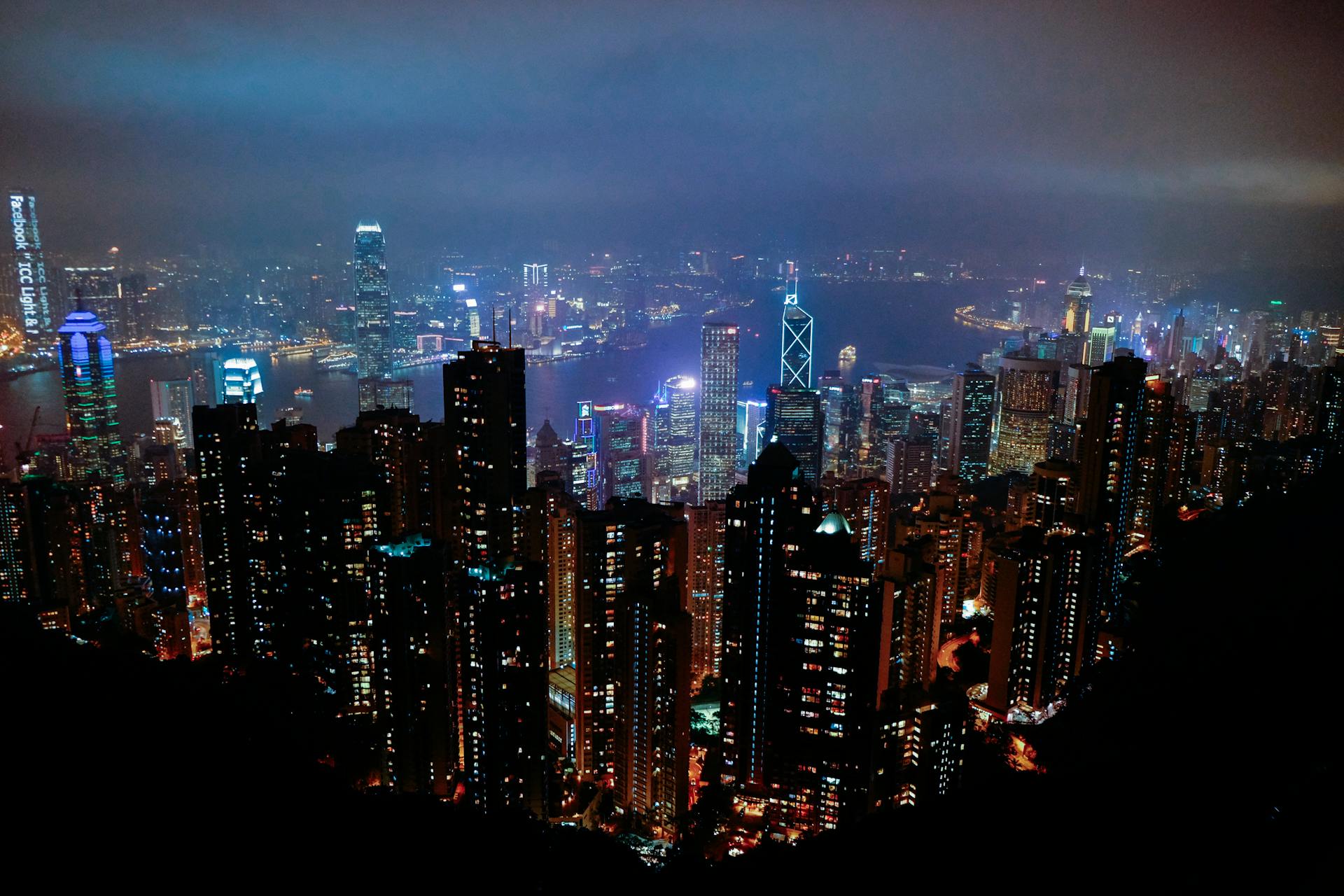
Something strange is happening on the internet.
Not travel. Not career relocation. Not cultural curiosity. The tone was narrower than that. More strategic. In corners of Reddit and YouTube, a pattern emerged.
Men who felt invisible at home were comparing visa requirements for cities they had never previously considered. Spreadsheets were built. Cost of living was analysed. Dating outcomes were discussed with unsettling precision.
The word attached to this movement sounds like internet slang because it is: Chinamaxxing.
At first glance, it looks like just another online trend. A meme about moving to China to “maximise” life outcomes. But underneath the humour sits something more revealing.
It combines the logic of self optimisation culture with a geographic destination. If life feels stacked against you where you stand, change the coordinates. The theory is simple: in a different social environment, the same person might be valued differently.
The trend is still small in absolute numbers. But the idea is spreading faster than the flights.
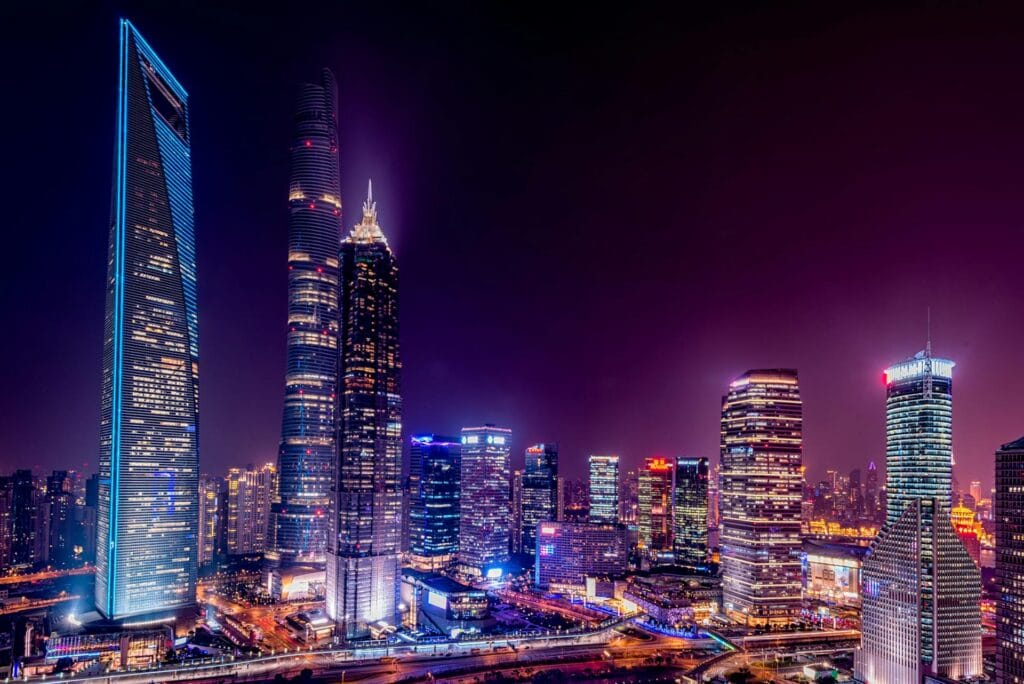
What Is Chinamaxxing and Why Is It Trending?
Chinamaxxing is a term that emerged from online self-improvement forums, where “maxxing” means trying to optimise a part of your life as aggressively as possible. In this case, the optimisation is geographic. The idea is simple and blunt: if certain young Western men feel socially or romantically overlooked at home, relocating to China might improve their outcomes.
The argument suggests that foreignness can function as social advantage, that a different cultural setting might recalibrate how someone is perceived.
It is trending now because it sits at the intersection of several pressures at once. Dating apps have made desirability feel measurable.
Algorithms amplify personal transformation stories.
China’s economic and cultural visibility has grown in global conversation. Videos documenting life in Chinese cities, language learning journeys and cross-cultural relationships circulate quickly, creating a narrative of reinvention through relocation.
What began as a niche forum strategy has moved into broader online discourse, partly because it taps into something familiar: the hope that changing where you stand might change how you are seen.
Before anyone books a ticket, the algorithm does its work.
YouTube channels run by Western men living in Chengdu, Kunming or Shenzhen have been documenting daily life for years. Some of the content is practical. Language learning guides. Teaching job breakdowns. Cost comparisons. Cultural etiquette tips. But alongside this utility runs another narrative.
A Western face in certain Chinese cities attracts attention. Curiosity. Interest. Social warmth that some of these men say they rarely experienced at home.
That attention is filmed. Edited. Uploaded. Rewarded with views.
The algorithm notices what holds attention and amplifies it.
Over time, a viewer who spends enough hours inside this content does not simply learn about China. He develops a relationship with a curated version of it. A version where foreignness operates as social capital. Where dating seems less competitive. Where novelty functions as an asset.
The visa complications do not trend. The loneliness of the second year does not make it into the thumbnail. The cultural misunderstandings that stretch beyond the honeymoon phase rarely get clipped for TikTok.
Selective truth travels well.
It would be easy to frame this as manipulation, but that would miss the sincerity underneath it. Many of the men drawn to Chinamaxxing content are not cynical strategists. They are frustrated.
They came of age inside dating applications that convert desirability into metrics. They internalised a system that ranks visibility, income, height, physique and social status in ways that feel mechanical.
They absorbed optimisation logic so thoroughly that they began applying it to themselves.
If the market is unfavourable, change the market.
What is striking is not the destination. It is the mindset.

The Mindset Behind Migration: A New Approach
Migration has always carried aspiration. People have moved toward better wages, safer conditions and wider freedoms for centuries. The idea that context shapes opportunity is not new. What is new is the framing.
Earlier migrations were driven by survival or structural pressure. Chinamaxxing reframes movement as personal recalibration. The self is treated like a product. If it underperforms in one environment, reposition it in another.
This logic reflects something broader about the digital generation. Gen Z and younger millennials grew up inside feedback systems. Likes, matches, follower counts. They learned early that outcomes respond to optimisation. Improve the profile picture. Refine the bio. Adjust the strategy.
Now the adjustment extends to geography.
But there is a tension embedded in the premise that rarely receives full examination. The idea that Western men will find warmer romantic reception in China rests on assumptions about Chinese women. More traditional. More accommodating. Less influenced by the hyper competitive dating culture of Western cities.
This framing reduces individuals to variables.
It positions an entire group of people as corrective mechanisms for someone else’s dissatisfaction. In many of the videos circulating online, women appear less as complex individuals and more as proof of concept. The narrative moves quickly past what they think of men arriving specifically because a YouTube thumbnail promised easier validation.
This is not a small omission.
Relationships that begin inside a market logic carry that logic with them. Some will deepen beyond it. People will surprise each other. Cultural boundaries will blur. But the initial framework shapes the approach before the first conversation begins.
The part that rarely gets said aloud is this: if every environment feels hostile, the problem may not be environmental.
That thought sits uncomfortably inside the movement.

Cultural Curiosity: The Broader Shift in Attention
It would be a mistake, however, to treat Chinamaxxing purely as a romantic migration story. It intersects with a broader recalibration of global attention.
Beyond male dominated forums, there is a growing curiosity among younger audiences about Chinese culture more generally. Mandarin learning apps are trending. Historical dramas are gaining international viewers. Infrastructure videos showcasing high speed rail and digital payment systems circulate widely.
Cultural gravity is not fixed.
For decades, Western media exports defined global youth culture. In the 2000s, Japan carried that fascination. In the 2010s, South Korea surged. Now China occupies a more central place in economic and technological narratives. Curiosity follows power.
Young people raised in a multipolar information ecosystem are less attached to a single cultural centre. They stream from Beijing as easily as from Los Angeles. They learn languages for strategic as well as aesthetic reasons. Exposure shapes imagination.
But imagination can blur into idealisation.
Watching a palace drama does not equate to understanding contemporary social policy. Admiring a transport network does not translate into navigating local bureaucracy. A curated digital version of any country will look cleaner than lived reality.
The map is not the territory.
Chinamaxxing sits at the intersection of two forces. On one side, personal dissatisfaction inside hyper competitive Western dating markets. On the other, a global shift in attention toward new centres of influence. Algorithms fuse these forces together.
The result is a narrative that feels both personal and geopolitical.
The deeper question is not whether some men will find happier lives abroad. Some will. Migration has always reshaped identity in unexpected ways. Learning a language, navigating bureaucracy and building friendships across cultural boundaries can change a person profoundly.
But transformation rarely occurs because of romantic ease alone. It happens through friction. Through adaptation. Through humility.
And those qualities are not guaranteed by a plane ticket.
Chinamaxxing may remain a niche online phenomenon. Or it may signal something larger about how young men interpret the world. When identity feels unstable and outcomes feel unfair, optimisation becomes seductive. If dating is a market, then so is geography.
But markets do not resolve internal uncertainty.
They redistribute it.
The men researching flights are not foolish. They are responding to systems that taught them to measure themselves constantly. They are applying the only logic that seems available to them. Improve the odds. Adjust the variables. Seek a place where you are more legible.
Whether that legibility lasts once novelty fades is a different question.
And it is one that no forum thread can answer.
Read Next: The 5 Best AI Chatbots for Building a Website for Free
What I learnt from a bus driver in Scotland

 Psychology · Sep 22, 2026Chimpanzees Have Accents. They Grow into Them.
 The Margin · Sep 17, 2026People Are Seeing Ads in Their Dreams.
 Slow Meridian · Sep 16, 2026Autumn Leaves