Some links on this page may be affiliate links. If you purchase through them, we may earn a commission at no extra cost to you.
KEY TAKEAWAYS
The largest systematic review to date found no evidence that cannabis effectively treats anxiety, depression, or PTSD.
Cannabis use for mental health has expanded rapidly without the usual rigorous clinical trials required for medications.
Short-term relief from cannabis can mask symptoms but does not address underlying mental health conditions.
Regular cannabis use can worsen mental health symptoms and increase risks such as psychosis and suicide attempts, especially in youth.
Established treatments like cognitive behavioral therapy and SSRIs have strong evidence for effectiveness, unlike cannabis for these conditions.
GLOSSARY
Randomised Controlled Trial (RCT)
A scientific study design that randomly assigns participants to treatment or control groups to objectively evaluate the effectiveness of an intervention.
Cannabis Use Disorder
A condition characterized by problematic cannabis use leading to withdrawal symptoms and negative impacts on mental health.
Short-term Relief
Immediate but temporary reduction in symptoms, such as anxiety or sedation, without long-term therapeutic benefit.
Cognitive Behavioural Therapy (CBT)
A well-established psychological treatment that helps patients manage anxiety and depression by changing negative thought patterns.
Selective Serotonin Reuptake Inhibitors (SSRIs)
A class of antidepressant medications widely studied and used to treat depression and anxiety disorders.
Post-Traumatic Stress Disorder (PTSD)
A mental health condition triggered by experiencing or witnessing traumatic events, often treated with trauma-focused therapies.
FAQ
Does cannabis effectively treat anxiety and depression?
According to the largest systematic review published in 2026, cannabis does not effectively treat anxiety or depression. There is no evidence from randomized controlled trials supporting its use for these conditions.
Why do people feel better after using cannabis if it doesn't treat mental health conditions?
Cannabis produces short-term relaxation and sedation, which can temporarily blunt symptoms of anxiety or stress. However, this relief is temporary and does not address the underlying mental health issues.
Are there risks associated with using cannabis for mental health?
Yes, regular cannabis use can lead to cannabis use disorder and worsen symptoms like anxiety and sleep disturbances. It also increases risks of psychosis, self-harm, and suicide attempts, especially in teenagers and young adults.
How has cannabis been approved for medical use without strong evidence?
Cannabis bypassed typical drug approval processes due to federal illegality in the U.S., leaving regulation to individual states. This allowed widespread use without the randomized controlled trials usually required for medications.
What are effective alternatives to cannabis for treating anxiety, depression, and PTSD?
Proven treatments include cognitive behavioural therapy (CBT) and selective serotonin reuptake inhibitors (SSRIs) for anxiety and depression, and trauma-focused therapies like EMDR for PTSD. These have robust clinical evidence supporting their effectiveness.
EDITORIAL NOTE
This piece is part of The Present Minds — essays on psychology, identity, and modern life.
A digital sanctuary for the overstimulated. Clarity. Depth. Silence.
Does cannabis help anxiety or make it worse? For the millions using medical cannabis for mental health, a landmark 2026 study just delivered an uncomfortable answer.
You know the feeling. The day has been too much. Your chest is tight, your thoughts won’t stop, and sleep feels like something that happens to other people. So you reach for it. The gummy. The oil. The joint. Whatever your version is.
You’re not alone. Half of all medical cannabis users in the United States and Canada say they use it specifically to manage their mental health. Millions more use it recreationally for the same quiet reason. It has become the unofficial medicine for the anxious, the depressed, and the traumatised.
There’s just one problem. It doesn’t appear to work.
1. The Largest Study Ever Said No
In March 2026, researchers at the University of Sydney published a landmark paper in The Lancet Psychiatry. The largest systematic review of medicinal cannabis and mental health ever conducted. The team analysed 54 randomised controlled trials spanning 45 years of data and nearly 2,500 patients.
Not “limited benefit.” Not “mixed results.” No evidence of effect.
For depression specifically, the researchers couldn’t find a single randomised controlled trial to evaluate. Millions of people are using a substance to treat a condition it has never been properly tested on.
2. The Belief Outran the Evidence by Decades
In Australia alone, more than 700,000 people have reported using medicinal cannabis to treat over 250 different health conditions.
Cannabis sales have tripled in four years. Prescriptions have passed one million.
Psychologist Tory Spindle of Johns Hopkins University School of Medicine put it plainly: the way cannabis for medical use has been rolled out is completely backward from how medications are typically brought to market.
Any other drug needs at least one randomised controlled trial before approval. Cannabis bypassed that entirely because federal illegality left regulation to individual states.
The result is a wide gap between what is happening in the real world and what the evidence supports.
3. Feeling Better and Getting Better Are Not the Same Thing
If cannabis doesn’t work, why do so many people feel it does?
Cannabis reliably produces short-term relaxation and sedation. For someone in the grip of anxiety, that immediate relief feels like medicine. It is easy to mistake a drug that blunts your awareness of symptoms for one that treats the underlying condition.
There is also the delay problem. Using cannabis for mental health may delay access to treatments that actually work, allowing symptoms to worsen in the meantime.
If you are managing with cannabis, you may not seek therapy. You may not consult a doctor. The condition underneath quietly deepens.
4. It Can Actually Make Things Worse
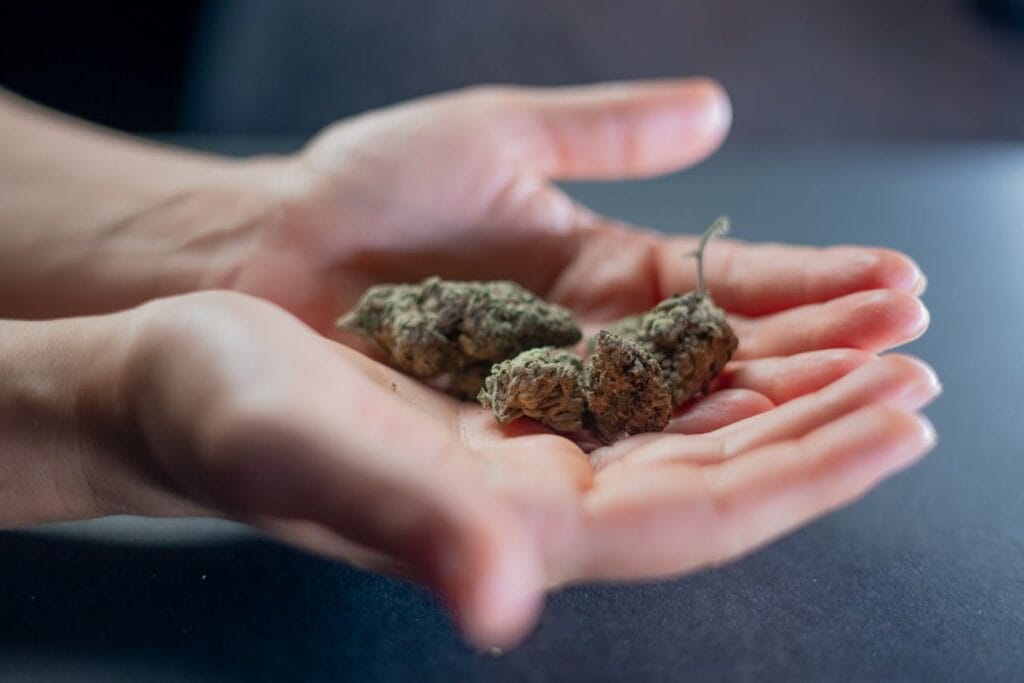
Regular use can lead to cannabis use disorder, with withdrawal symptoms that include irritability, sleep disturbances, decreased appetite, and increased anxiety.
The very symptoms people are trying to escape can be worsened and entrenched by the thing they are using to escape them.
The risks go further. Heavy cannabis use by teenagers and young adults with mood disorders is linked to an increased risk of self-harm, suicide attempts, and death. For those already at high risk of bipolar or psychotic disorders, cannabis use raises the risk of developing a full psychotic or mental health disorder.
A large JAMA study published in February 2026 found a significant link between cannabis use in teenagers and psychosis later in life. Refresh Psychiatry
5. Effective Treatments Already Exist
The lead author of the Lancet review, Dr Jack Wilson, put it directly: the routine use of medicinal cannabis could be doing more harm than good.
The irony is that proven treatments are widely accessible. For depression and anxiety, cognitive behavioural therapy has decades of robust evidence behind it.
SSRIs remain among the most studied pharmaceutical interventions available. For PTSD, EMDR and trauma-focused CBT have strong clinical support.
There is evidence cannabis can reduce seizures in some forms of epilepsy, help manage spasticity in multiple sclerosis, and assist with certain types of pain.
It is not without medical value. But for anxiety, depression, and PTSD, the data doesn’t support it.
What This Means for You
None of this means people who use cannabis are foolish. It means they are human. When you are struggling and something feels like it helps, you use it. That is not weakness. That is how people survive.
What this research asks is honesty about the gap between feeling and evidence. The cannabis industry has been extraordinarily effective at cultivating the belief that its products are medicine. That belief has outrun the science by decades.
If you are using cannabis to manage your mental health, you deserve to know what the evidence actually says. Not to be shamed. Not to be dismissed. But because you deserve access to things that genuinely work.
The gummy may take the edge off for an hour. It does not appear to do much after that.
The largest systematic review to date found no evidence that cannabis effectively treats anxiety, depression, or PTSD.
Cannabis use for mental health has expanded rapidly without the usual rigorous clinical trials required for medications.
Short-term relief from cannabis can mask symptoms but does not address underlying mental health conditions.
Regular cannabis use can worsen mental health symptoms and increase risks such as psychosis and suicide attempts, especially in youth.
Established treatments like cognitive behavioral therapy and SSRIs have strong evidence for effectiveness, unlike cannabis for these conditions.
Glossary
Randomised Controlled Trial (RCT)
A scientific study design that randomly assigns participants to treatment or control groups to objectively evaluate the effectiveness of an intervention.
Cannabis Use Disorder
A condition characterized by problematic cannabis use leading to withdrawal symptoms and negative impacts on mental health.
Short-term Relief
Immediate but temporary reduction in symptoms, such as anxiety or sedation, without long-term therapeutic benefit.
Cognitive Behavioural Therapy (CBT)
A well-established psychological treatment that helps patients manage anxiety and depression by changing negative thought patterns.
Selective Serotonin Reuptake Inhibitors (SSRIs)
A class of antidepressant medications widely studied and used to treat depression and anxiety disorders.
Post-Traumatic Stress Disorder (PTSD)
A mental health condition triggered by experiencing or witnessing traumatic events, often treated with trauma-focused therapies.
FAQ
Does cannabis effectively treat anxiety and depression?
According to the largest systematic review published in 2026, cannabis does not effectively treat anxiety or depression. There is no evidence from randomized controlled trials supporting its use for these conditions.
Why do people feel better after using cannabis if it doesn't treat mental health conditions?
Cannabis produces short-term relaxation and sedation, which can temporarily blunt symptoms of anxiety or stress. However, this relief is temporary and does not address the underlying mental health issues.
Are there risks associated with using cannabis for mental health?
Yes, regular cannabis use can lead to cannabis use disorder and worsen symptoms like anxiety and sleep disturbances. It also increases risks of psychosis, self-harm, and suicide attempts, especially in teenagers and young adults.
How has cannabis been approved for medical use without strong evidence?
Cannabis bypassed typical drug approval processes due to federal illegality in the U.S., leaving regulation to individual states. This allowed widespread use without the randomized controlled trials usually required for medications.
What are effective alternatives to cannabis for treating anxiety, depression, and PTSD?
Proven treatments include cognitive behavioural therapy (CBT) and selective serotonin reuptake inhibitors (SSRIs) for anxiety and depression, and trauma-focused therapies like EMDR for PTSD. These have robust clinical evidence supporting their effectiveness.
Editorial Note
This piece is part of The Present Minds, essays on psychology, identity, and modern life.
Leave a Reply