
Can childhood trauma Cause IBS and stomach problems?
Some links on this page may be affiliate links. If you purchase through them, we may earn a commission at no extra cost to you.
KEY TAKEAWAYS
Childhood stress and trauma can rewire the gut-brain axis, leading to long-lasting digestive issues like IBS and abdominal pain.
The gut-brain axis is a continuous, two-way communication system involving nerves, hormones, immune signals, and the microbiome.
Different biological pathways control distinct gut symptoms, suggesting that personalized treatments are necessary for effective care.
A mother's untreated depression during or after pregnancy can indirectly impact a child's gut health through environmental stress.
Medical assessments of digestive problems should include questions about early life experiences, not just current stress or diet.
GLOSSARY
Gut-Brain Axis
A real, two-way communication network between the digestive system and brain involving nerves, hormones, immune signals, and the gut microbiome.
IBS (Irritable Bowel Syndrome)
A chronic digestive disorder characterized by symptoms such as abdominal pain and altered bowel habits, linked in this study to early life stress.
Adverse Childhood Experiences (ACEs)
Stressful or traumatic events in childhood, including abuse, neglect, and parental mental health issues, which can affect long-term gut health.
Sympathetic Nervous System
Part of the nervous system involved in controlling gut motility; its disruption affects bowel movement but not pain according to the study.
Serotonin-Related Signaling
Biological pathways involving serotonin that influence both pain perception and bowel movement in gut disorders.
Developmental History
A patient’s early life experiences and stress exposures, which are crucial for understanding and diagnosing chronic digestive conditions.
FAQ
How does childhood trauma affect adult digestive health?
Childhood trauma can alter the gut-brain axis by rewiring communication pathways between the brain and digestive system. This rewiring increases the risk of chronic digestive symptoms like IBS and abdominal pain that can persist into adulthood.
What is the gut-brain axis and why is it important in this research?
The gut-brain axis is a continuous two-way communication system involving nerves, hormones, immune signals, and the gut microbiome. This axis explains how early brain stress can directly impact gut function, leading to digestive disorders.
Why do different gut symptoms require different treatments?
The study found that distinct biological pathways control different symptoms such as pain and motility. For example, sympathetic nervous system signals affect motility but not pain, while serotonin pathways influence both. This means treatments must be personalized to target the specific disrupted pathway.
Can a mother’s mental health affect her child’s gut health?
Yes, the research showed that children born to mothers with untreated depression during or after pregnancy were more likely to develop gastrointestinal issues. This indicates that environmental stress from maternal mental health can influence a child’s gut-brain axis.
How should doctors change their approach to diagnosing gut disorders based on this study?
Doctors should include questions about patients’ childhood experiences and early life stress when assessing chronic digestive problems. Understanding developmental history can reveal underlying mechanisms and guide more precise, effective treatments.
EDITORIAL NOTE
This piece is part of The Present Minds — essays on psychology, identity, and modern life.
Shaniya Naz writes about people, places, and the shifting rhythms of everyday life. Her work is guided by curiosity and a quiet interest in…
Can childhood trauma cause IBS stomach problems in adults? A major new study on the childhood stress gut brain axis says the answer is yes, and the mechanism is more precise than scientists ever expected.
Your stomach hurts. It has always hurt, on and off, for as long as you can remember. You’ve seen doctors, tried diets, cut out gluten, added probiotics. Sometimes it gets better. Mostly it doesn’t. Nobody has ever been able to tell you why.
The answer may be in your childhood.

1. The Gut and Brain Never Stop Talking
Before getting into the research, it helps to understand what the gut-brain axis actually is. It is not a metaphor. It is a real, two-way communication network connecting your digestive system and your brain through nerves, hormones, immune signals, and the gut microbiome.
As lead researcher Dr. Kara Margolis of NYU put it: the two systems communicate 24 hours a day, seven days a week. When the brain is impacted, the gut is likely also impacted.
This constant dialogue means that what happens to your brain in early life does not stay in your brain. It travels.

2. A New Study Just Mapped the Damage
In March 2026, researchers at NYU College of Dentistry‘s Pain Research Center published a landmark study in Gastroenterology. They examined how stress in early life rewires the gut-brain connection, increasing the risk of digestive disorders that can persist for decades.
The research combined animal studies with data from thousands of children, finding links to symptoms including abdominal pain, constipation, and IBS. Crucially, scientists discovered that different biological pathways control different gut symptoms, hinting at more personalised treatments in the future.
This is not just a correlation study. The team identified the specific biological mechanisms involved. That is a significant step forward.

3. Nearly 12,000 Children Were Studied
The human component of the research was substantial. Researchers analysed data from nearly 12,000 children in the US who were part of the NIH-funded Adolescent Brain Cognitive Development study.
They examined adverse childhood experiences including abuse, neglect, and parental mental health problems, then looked at whether those children had digestive issues at ages nine and ten.
They found that gastrointestinal symptoms increased with any type of early childhood stress.
Not severe trauma only. Any type of stress. The gut-brain connection is that sensitive in early development.

4. Mothers’ Mental Health Matters Too
One of the more striking findings came from a separate Danish cohort. One study followed more than 40,000 children in Denmark from birth to age 15.
About half were born to mothers who suffered from untreated depression during or after pregnancy. Children of mothers with untreated depression were more likely to develop gastrointestinal issues.
The stress does not need to come directly from the child’s own experience. It can be absorbed through the environment. A mother’s unaddressed mental health becomes, in a very physical sense, a child’s gut health.

5. The Pathways Are Different for Different Symptoms
This is where the science becomes genuinely useful. Different biological signalling pathways appear to control different symptoms.
Interrupting signals from the sympathetic nervous system improved motility problems but did not reduce pain. Sex hormones influenced pain but not motility. Serotonin-related signalling pathways were involved in both pain and bowel movement.
What this means practically is that IBS and chronic abdominal pain are not one condition. They may share a childhood stress origin but require different treatments depending on which pathway was disrupted. A single approach will not work for everyone, because the mechanism varies.
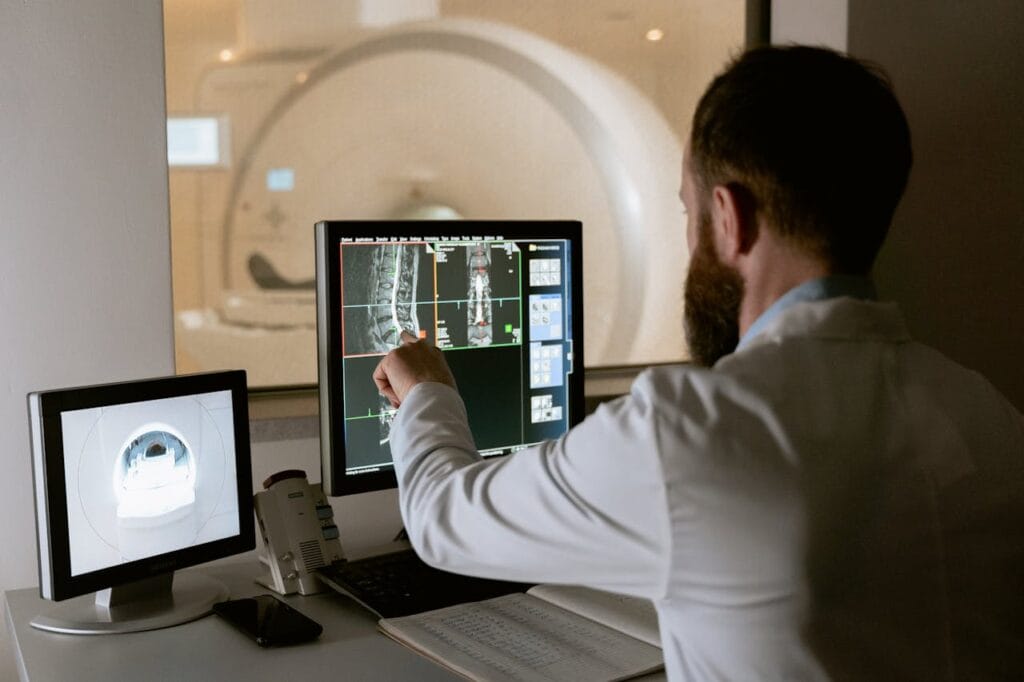
6. Doctors Are Asking the Wrong Question
This is perhaps the most important implication of the research. When someone comes in with chronic digestive problems, the standard clinical conversation focuses on diet, stress levels now, and lifestyle.
Margolis argues that doctors need to change the question entirely: when patients come in with gut problems, we shouldn’t just be asking if they are stressed right now. What happened in your childhood is also a really important question.
This developmental history, she argues, could ultimately change how gut disorders are diagnosed and treated at a mechanistic level.

So, Can childhood trauma cause IBS stomach problems in adults?
For many people reading this, something will click. The stomach problems that arrived in adolescence and never fully left. The IBS diagnosis that came with no satisfying explanation. The sense that your body is carrying something your mind has long since moved past.
It may be. The gut has a long memory.
None of this means that childhood stress sentences you to a lifetime of digestive misery. The researchers are clear that understanding these mechanisms opens the door to far more targeted treatments. The goal is not despair but precision.
What it does mean is that your stomach is not failing you. It is telling you something. And for the first time, science is starting to understand exactly what that is.
Shaniya Naz writes about people, places, and the shifting rhythms of everyday life. Her work is guided by curiosity and a quiet interest in how experiences shape perspective.
Childhood stress and trauma can rewire the gut-brain axis, leading to long-lasting digestive issues like IBS and abdominal pain.
The gut-brain axis is a continuous, two-way communication system involving nerves, hormones, immune signals, and the microbiome.
Different biological pathways control distinct gut symptoms, suggesting that personalized treatments are necessary for effective care.
A mother's untreated depression during or after pregnancy can indirectly impact a child's gut health through environmental stress.
Medical assessments of digestive problems should include questions about early life experiences, not just current stress or diet.
Glossary
Gut-Brain Axis
A real, two-way communication network between the digestive system and brain involving nerves, hormones, immune signals, and the gut microbiome.
IBS (Irritable Bowel Syndrome)
A chronic digestive disorder characterized by symptoms such as abdominal pain and altered bowel habits, linked in this study to early life stress.
Adverse Childhood Experiences (ACEs)
Stressful or traumatic events in childhood, including abuse, neglect, and parental mental health issues, which can affect long-term gut health.
Sympathetic Nervous System
Part of the nervous system involved in controlling gut motility; its disruption affects bowel movement but not pain according to the study.
Serotonin-Related Signaling
Biological pathways involving serotonin that influence both pain perception and bowel movement in gut disorders.
Developmental History
A patient’s early life experiences and stress exposures, which are crucial for understanding and diagnosing chronic digestive conditions.
FAQ
How does childhood trauma affect adult digestive health?
Childhood trauma can alter the gut-brain axis by rewiring communication pathways between the brain and digestive system. This rewiring increases the risk of chronic digestive symptoms like IBS and abdominal pain that can persist into adulthood.
What is the gut-brain axis and why is it important in this research?
The gut-brain axis is a continuous two-way communication system involving nerves, hormones, immune signals, and the gut microbiome. This axis explains how early brain stress can directly impact gut function, leading to digestive disorders.
Why do different gut symptoms require different treatments?
The study found that distinct biological pathways control different symptoms such as pain and motility. For example, sympathetic nervous system signals affect motility but not pain, while serotonin pathways influence both. This means treatments must be personalized to target the specific disrupted pathway.
Can a mother’s mental health affect her child’s gut health?
Yes, the research showed that children born to mothers with untreated depression during or after pregnancy were more likely to develop gastrointestinal issues. This indicates that environmental stress from maternal mental health can influence a child’s gut-brain axis.
How should doctors change their approach to diagnosing gut disorders based on this study?
Doctors should include questions about patients’ childhood experiences and early life stress when assessing chronic digestive problems. Understanding developmental history can reveal underlying mechanisms and guide more precise, effective treatments.
Editorial Note
This piece is part of The Present Minds, essays on psychology, identity, and modern life.
Leave a Reply