What I learnt from a bus driver in Scotland was not something I had packed for, and I had packed for almost everything.
Four large bottles of insect repellent. Three face nets in different sizes. Sunglasses. One bottle of water. A tent I had never pitched alone. A backpack that weighed roughly as much as my optimism, which at that point was considerable.
I had come all the way from Sheffield. Manchester to Glasgow. Glasgow to Fort William. Alone, deliberately, insistently alone. The plan was simple in the way that plans are always simple before they meet geography. Climb Ben Nevis. The highest peak in the UK. Solo. No help, no company, no one to blame but myself if anything went wrong.
I started walking from Fort William town centre at half past one on a June afternoon so bright it felt personal. The kind of Scottish sun that arrives with the confidence of something that knows it is not staying long and intends to make itself felt.
I did not anticipate the walk. I had anticipated the midges.
The valley that keeps going
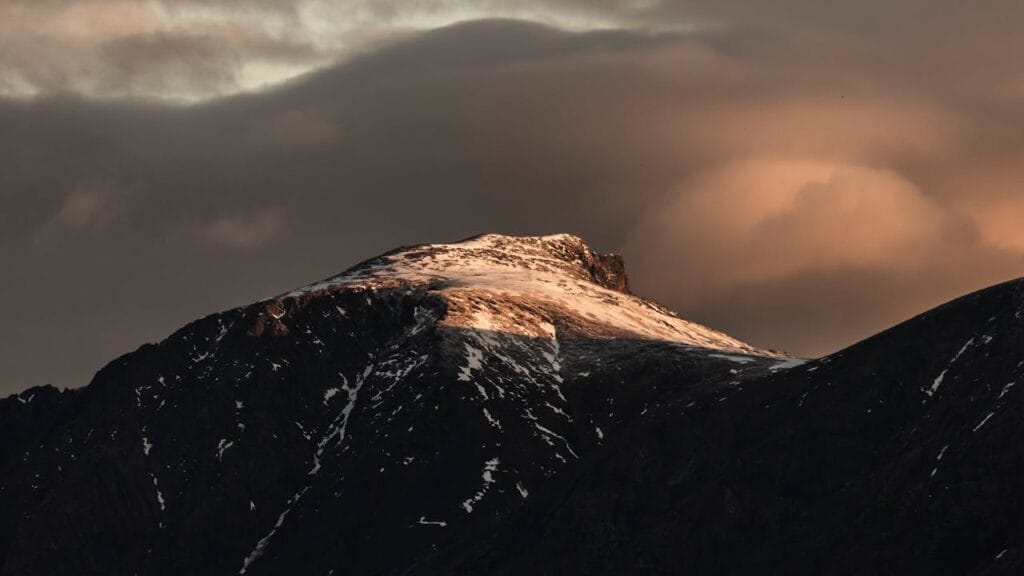
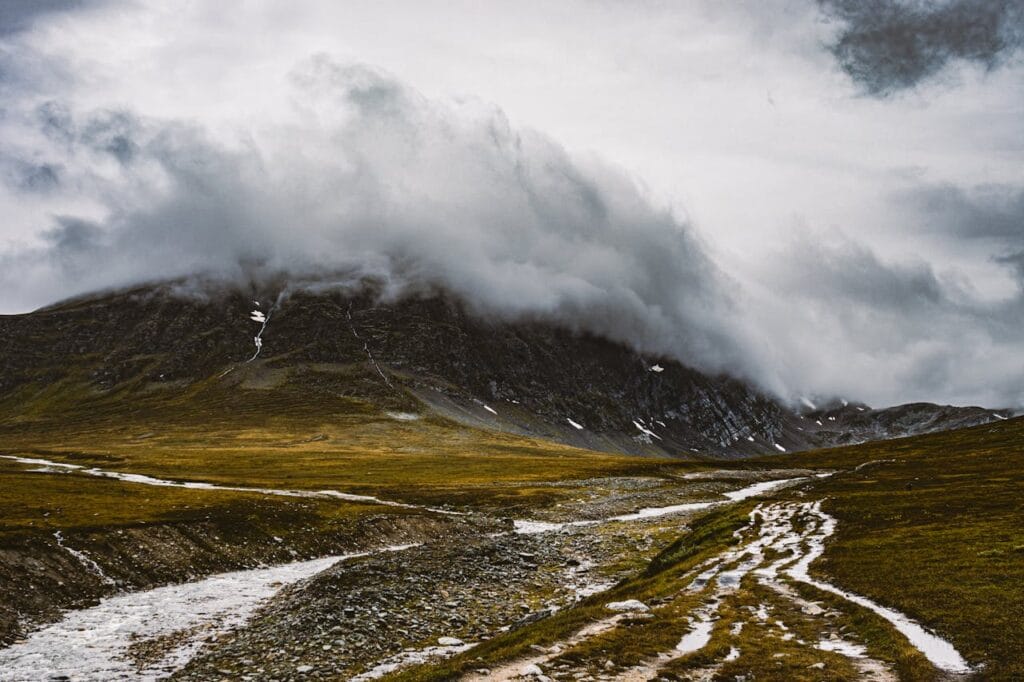
Glen Nevis opens slowly. It does not announce itself. The road stretches, the trees deepen, and somewhere around the first hour you stop thinking about how far you have come and start thinking about how far everything still is.
I had twenty kilograms on my back. My shoulders knew about it before the rest of me did. My legs worked out the situation a little later.
Two vans stopped. Good people, both of them, leaning out of their windows with the particular gentleness of people who recognise a man walking towards something he has not fully thought through. Both times I thanked them and kept walking. The whole point was to do this alone. I had been very clear about this with myself. I had been clear about very little else.
The trees in Glen Nevis do something strange in the late afternoon sun. The light comes through them sideways and they stop looking like trees. They start looking like old people. Patient and enormous and faintly amused. I walked past them for three hours thinking about this and other things and sweating through everything I was wearing.
I needed a camping spot. Somewhere deep enough in the valley to feel genuinely away, on ground that was not privately owned, not protected, not someone else’s. The permitted pitching areas kept refusing to materialise. The private land signs kept appearing instead. I walked further.
The enthusiasm that had carried me out of Fort William was still there but it had changed quality. It had become the quieter, more determined kind. The kind that does not sing.
Then I reached the end of it. The road ran out of public land on both sides. And there, at the edge of this conclusion, was a bus stop.
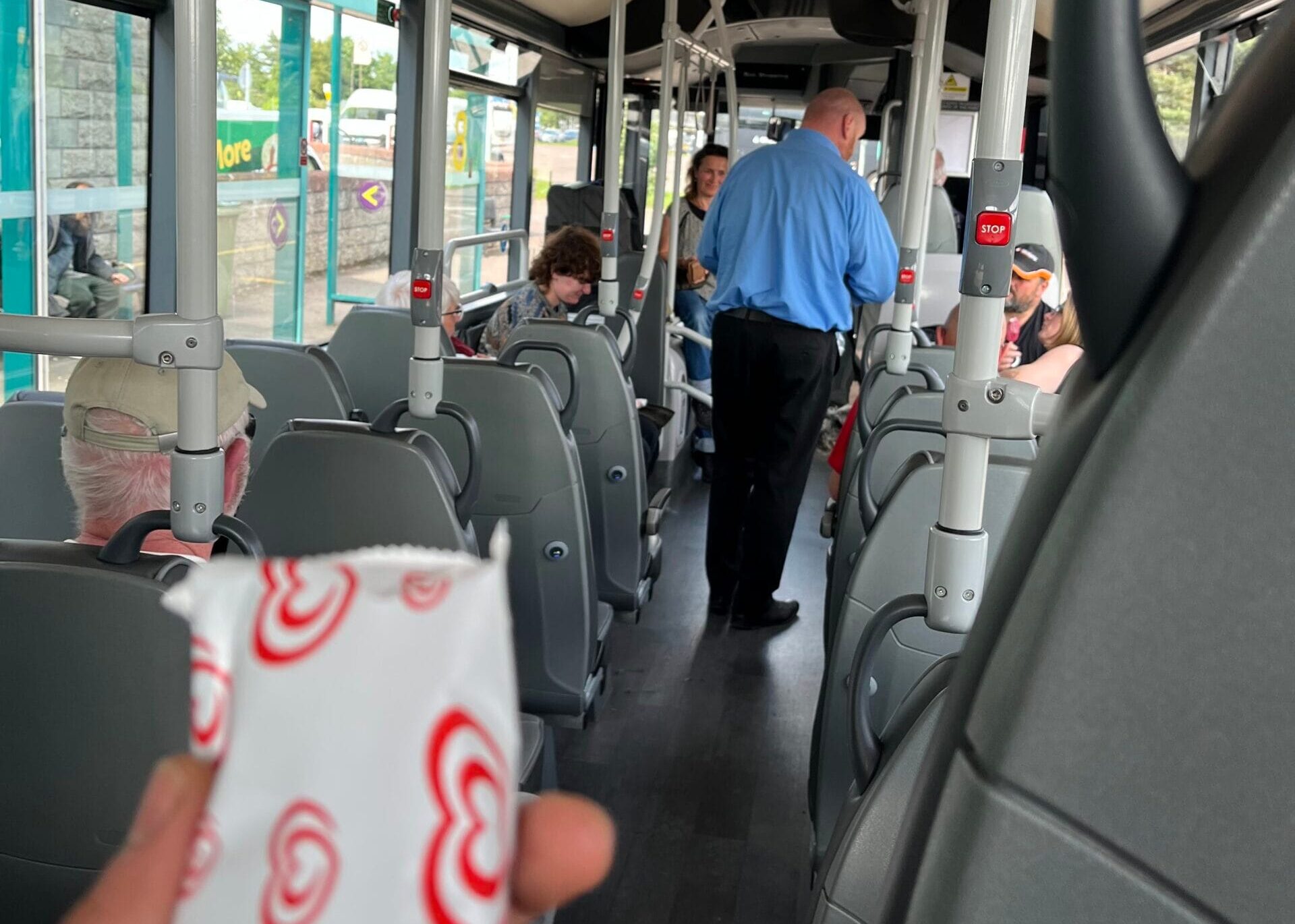
Not just a bus stop. A bus. An empty bus, engine off, sitting in the afternoon sun like it had always been there. And behind the wheel, an older man in a blue jersey, with the specific stillness of someone who has absolutely nowhere to be for the next few minutes.
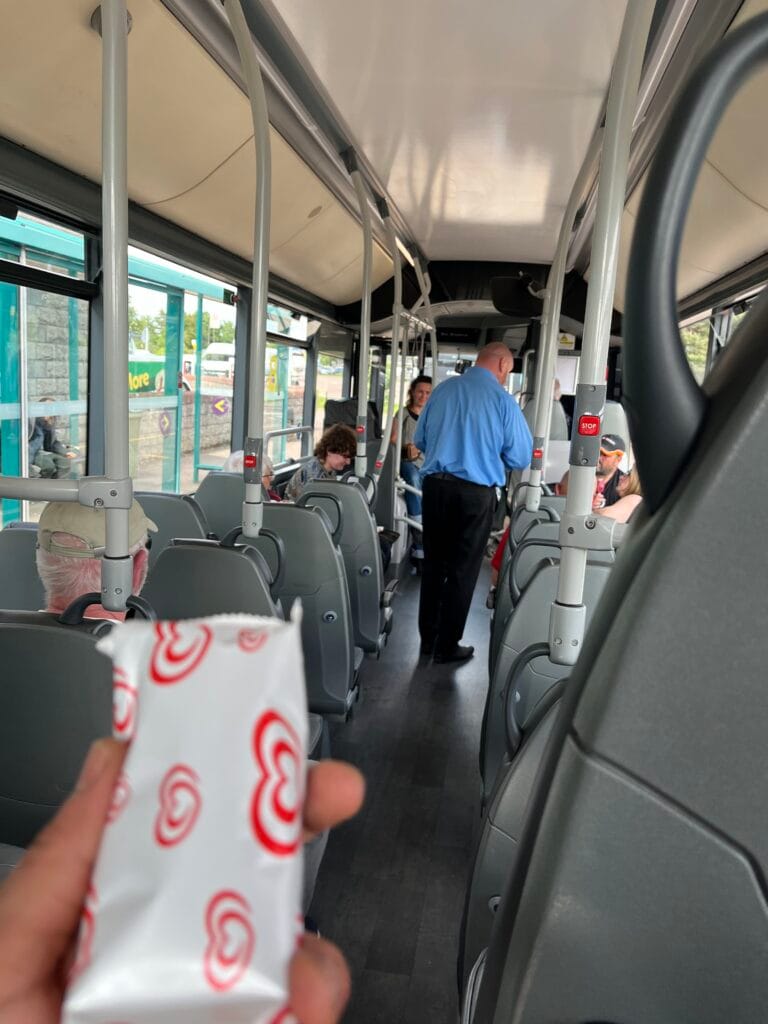
He was eating an ice cream.
The bus driver in Scotland who offered me his ice cream
He looked at me. I looked at him. The look lasted long enough for him to understand everything about my afternoon.
He reached into a pouch in front of him without a word and held out an ice cream.
I could not say no. I physically could not say no. I sat on the step of the bus and ate it and felt the exact specific relief of a small, cold, unexpected thing at the end of a long, hot, unnecessary walk.
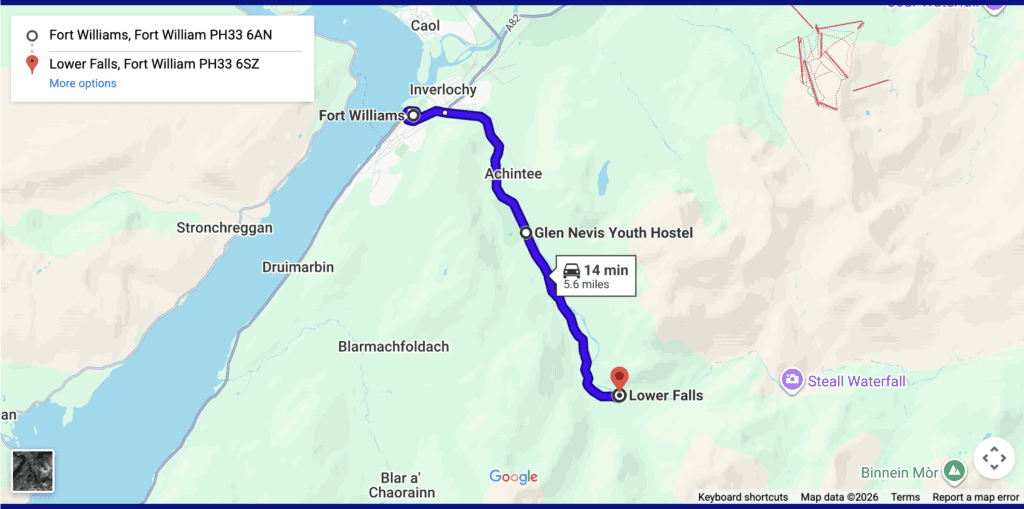
He told me this was the last bus of the day. Route 42. Fort William to the Lower Falls, five and a half miles, and it stopped right here where I was sitting having just walked for three and a half hours to arrive at it.
I had not known there was a bus.
He watched me absorb this information with the patience of a man who has seen this face before. Tourists arrive in Glen Nevis with elaborate plans and discover the bus exists at the exact moment they no longer need it.
I told him I had wanted to walk. He nodded as if that made complete sense, which was generous of him.
Before I got off he said come back tomorrow. Hop on the bus in the morning. He would show me the route properly. The best route in the whole of Scotland, he said. Not a route. The route.
I said yes the way you say yes to someone you do not expect to see again.
The grandson
I pitched my tent that night in a spot I found just as the light was going. I survived. The next morning I walked back to the Lower Falls stop with the intention of going into town, getting water, getting food, and then deciding what to do with the rest of the day.
The bus arrived. Barely anyone got off.
And there he was. Talking to a child, seven or eight years old, showing him something through the windscreen. The child was completely absorbed. The driver was completely absorbed in the child being absorbed.
He looked up when I approached. Smiled as though he had expected me, which I think he had.
He introduced me to his grandson.
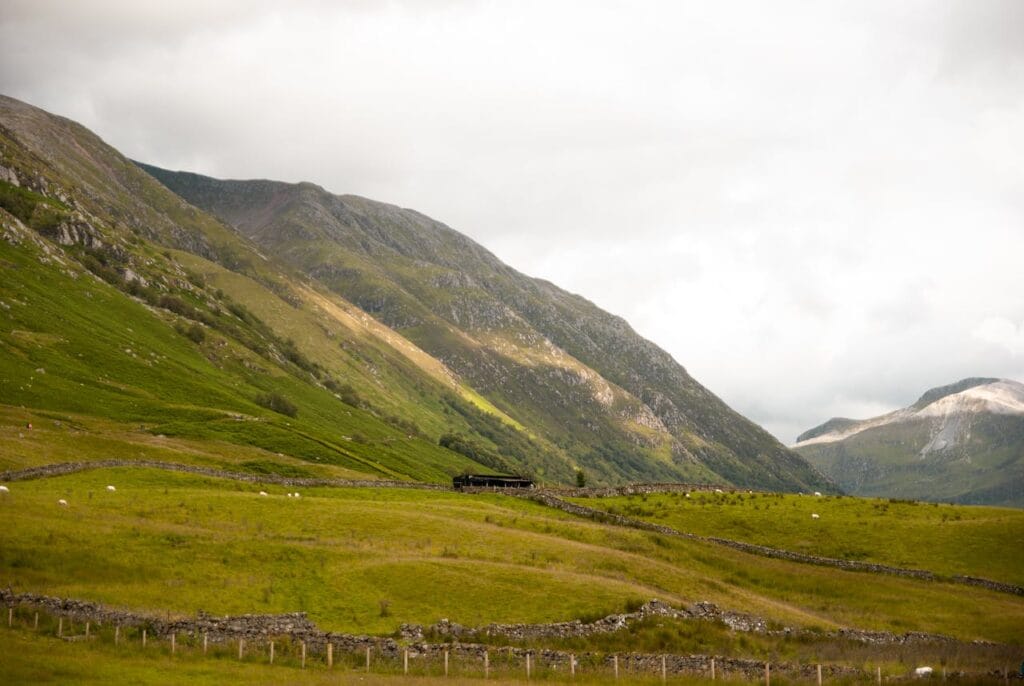
The three of us sat together at the front of the bus, in the luggage area, on the way back towards Fort William. There was almost no one else on board. He drove and he narrated. He slowed down for the Highland cattle standing in the fields, those enormous, shaggy, completely unbothered animals with their curtains of hair and their absolute indifference to being looked at.
Then he stopped the bus.
Not at a stop. Just stopped. Opened the doors and told us to go out.
We went out. The child ran immediately. I walked more carefully, remembering my knees. We touched the cows. We climbed a small mound nearby and took photographs of nothing in particular and everything in general. The valley, the light, the improbable fact of being here.
He waited with the engine off.
I asked if we would make him late. He said he had an hour’s flexibility built into the route. He said this as though the hour existed specifically for moments like this one, which I suspect it did.
The tick
On the way back he told me about the tick.
I had come to Scotland prepared for midges. Everyone warns you about the midges. They are famous, the midges, almost beloved in their notoriety. The face nets, the repellent, the particular Highland suffering they represent.
Nobody had warned me about the tick.
He explained it the way someone explains something when they genuinely want you to understand and not just hear it. The way they burrow. The way you will not feel it. The way you check yourself at the end of every day in the valley, every fold of skin, behind the knees, along the hairline. The diseases they carry. The window for removing them before it becomes serious.
He said it calmly and with great specificity and I sat there understanding that I would not have known any of this. I had done my research about altitude and weather and midge season and wild camping regulations and I had not once thought about ticks.
I thought about the previous night alone in my tent and felt something I can only describe as retrospective alarm.
He was not trying to frighten me. He was trying to make sure I came back from this trip.
There is a difference.
The ice creams for everyone
In the afternoon I went back to the bus. Same parking spot in Fort William town centre. I had bought water and food and some small lights at Morrisons that looked like tiny moons. I was going to hang them inside my tent that night.
The bus was already there. More people this time. All of them, as far as I could tell, over fifty. We waited together in the heat, the bus warm, the sun doing its thing outside, the conversation among strangers becoming gradually more familiar the way it does when people are waiting for the same thing.
Then I saw him coming down the street.
Blue jersey. The trademark smile I recognised now. Walking towards us with a bag.
A bag full of ice creams.
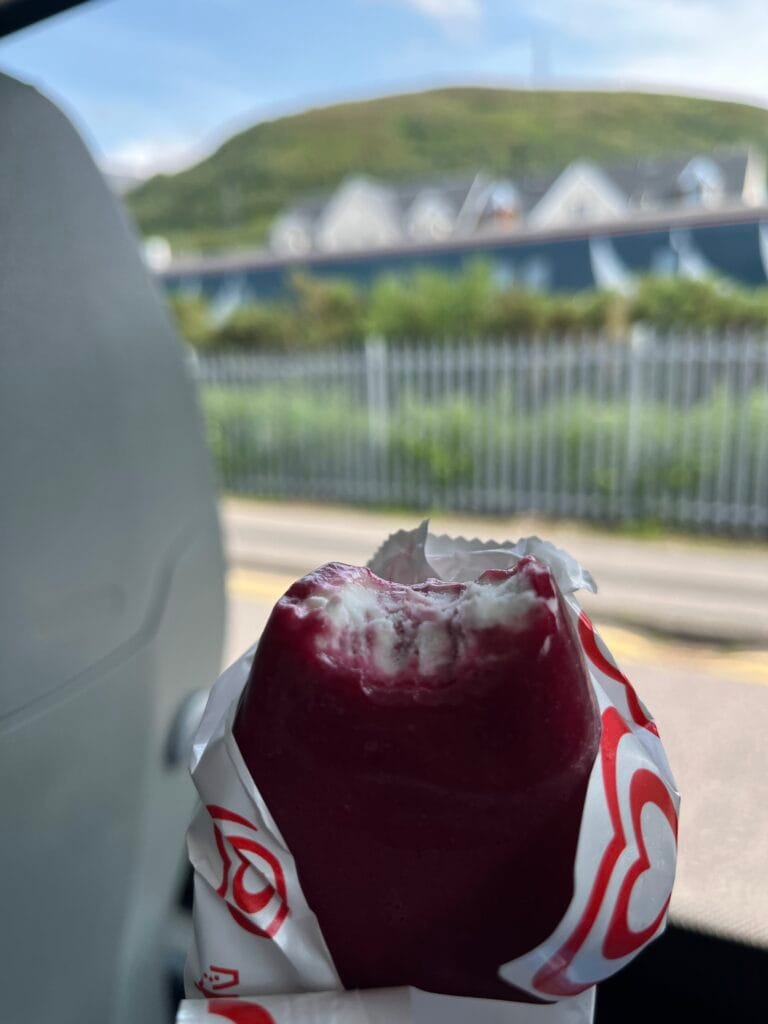
He got on the bus and gave everyone one. Every single person. He made his announcement as he handed them out. The best route in the whole of Scotland, ladies and gentlemen, route 42, five and a half miles, you are welcome.
They cheered. They actually cheered. And clapped.
I sat there with my second ice cream in two days thinking about the economics of this. The bus fare was cheaper than the ice cream. He was buying everyone on his bus an ice cream that cost more than they had paid to be there. I ran the numbers several ways and they did not add up in any conventional sense.
Then I stopped trying to make them add up.
Some people are building a life, not optimising one.
What he wrote
At the Lower Falls stop, everyone got off. He wished each person luck with a sincerity that did not feel performed. Then he settled back into his seat and took out his own ice cream.
I was still standing there.
I had my diary in my hand. A pen. I had been carrying them in the top pocket of my backpack the whole trip, which tells you something about what I had been hoping to find.
I asked if he would write something in it. Anything. Whatever came to him.
He looked at me with the expression of a man who does not consider himself a writer of things but who is not going to say no to a reasonable request from someone standing in the afternoon sun holding a diary.
He took it. He thought for a moment. He wrote.
Live in the moment. See things with the same excitement as my grandson sees it. Pet a Scottish cow and don’t interrupt me enjoying my ice cream again. Make sure to travel the best route in the whole of Scotland, route 42. Best, J.
He handed it back. He started the engine. He drove away.
I stood at the bus stop and read it twice. Then I turned to the next page.
I wrote four words.
Travel more with people.
I closed the diary. Put it back in my pocket. Started walking.
One thing kept circling in my head the whole way back through the valley. Not the tick advice. Not the cows. Not the ice cream, though that helped.
Just: why would someone do this. Every day. Ice creams for strangers on a bus that costs less than the ice cream. A route he called the best in Scotland with the enthusiasm of someone who had just discovered it, not someone who had driven it four hundred times.
That evening I looked it up. Route 42, Fort William to Lower Falls, Glen Nevis.
Google Reviews. 4.9 stars.
Top review. Five stars. Long. Detailed. Photographs of the Highland cattle, the valley, the falls. Written by someone called J.
Profile photo: a man in a blue jersey with a very large smile.
And underneath it, a reply from his senior at the bus company:
Congrats on the promotion J. Your attempts at promoting this route have been exemplary.
I put my phone down.
Looked at the ceiling of my tent.
Smiled at nothing in particular for quite a long time.


 Psychology · Oct 17, 2026A Monkey Bite Killed the King of Greece
 Psychology · Oct 15, 202615 Surprising Facts That Sound Completely Made Up
 The Margin · Oct 13, 202615 Geography Facts That Sound Completely Made Up