good news March 2026

Five pieces of good news March 2026 that nobody put in the feed

Some links on this page may be affiliate links. If you purchase through them, we may earn a commission at no extra cost to you.
KEY TAKEAWAYS
  • Giant pandas have been downgraded from endangered to vulnerable after 30 years of conservation efforts, reflecting a significant population recovery.
  • The Vineyard Wind offshore wind farm off Massachusetts was completed despite political and legal challenges, providing clean energy for 400,000 homes.
  • Nineteen major cities worldwide have reduced air pollution by up to 40% in 15 years through infrastructure and policy changes.
  • A 7,000-year-old skeleton in Hungary reveals early societal recognition of complex identities, challenging assumptions about ancient social norms.
  • AI-powered smart glasses are helping people with dementia maintain independence by guiding them through daily tasks in their own homes.
GLOSSARY
Vulnerable (conservation status)
A classification indicating a species is at lower risk than endangered, showing positive population trends due to sustained conservation efforts.
Vineyard Wind
An offshore wind farm located 15 miles off Massachusetts, delivering 800 megawatts of clean energy despite political opposition.
Air pollution reduction
Measured decreases in harmful airborne pollutants in cities, achieved through policies like clean air zones and electric vehicle adoption.
Neolithic burial patterns
Archaeological evidence from 7,000 years ago showing gendered burial customs, with exceptions indicating early recognition of identity complexity.
AI-powered smart glasses
Assistive technology designed to help people with dementia by recognizing objects and guiding them through daily routines.
IUCN
International Union for Conservation of Nature, the organization responsible for assessing species' conservation status.
FAQ
Why was the giant panda's conservation status changed from endangered to vulnerable?
The IUCN downgraded the giant panda's status after a 17% population increase over a decade, reflecting successful habitat protection, breeding programs, and government investment sustained over 30 years.
What challenges did the Vineyard Wind project face before completion?
The project was halted by the Trump administration citing national security concerns, but federal courts allowed construction to resume after finding no imminent risk, enabling its eventual completion.
How have some cities managed to reduce air pollution significantly in recent years?
Cities implemented measures like cycling infrastructure, clean air zones, and transitioning to electric vehicles, resulting in 20 to 40 percent reductions in air pollution over 15 years.
What does the discovery of the 7,000-year-old skeleton suggest about ancient societies?
The skeleton, an older woman buried with tools typically associated with men, indicates that ancient societies recognized and tolerated complex identities and exceptions to gender norms.
How do AI-powered smart glasses assist people with dementia?
These glasses identify everyday objects and provide step-by-step guidance tailored to the individual's routines, helping them perform daily tasks and maintain independence at home.
EDITORIAL NOTE
This piece is part of The Present Minds — essays on psychology, identity, and modern life.

Posted

in

by

Comments

Leave a Reply

Your email address will not be published. Required fields are marked *

The Present Minds
By Shaniya Naz March 23, 2026 Current

Five pieces of good news March 2026 that nobody put in the feed

5 min read · 993 words
Tap to switch read mode. Original contrast is live.
Shaniya Naz
Written By Shaniya Naz Co-Founder · Visual Designer

Shaniya Naz writes about people, places, and the shifting rhythms of everyday life. Her work is guided by curiosity and a quiet interest in…

There is good news March 2026, quite a lot of it, and none of it made the main feed. Not because it was small. Because the feed runs on alarm, and none of these stories had any. No crisis, no casualty, no countdown. Just things that went quietly, stubbornly right while everything else was loud.

Here are five of them.

good news March 2026 five positive stories the world missed

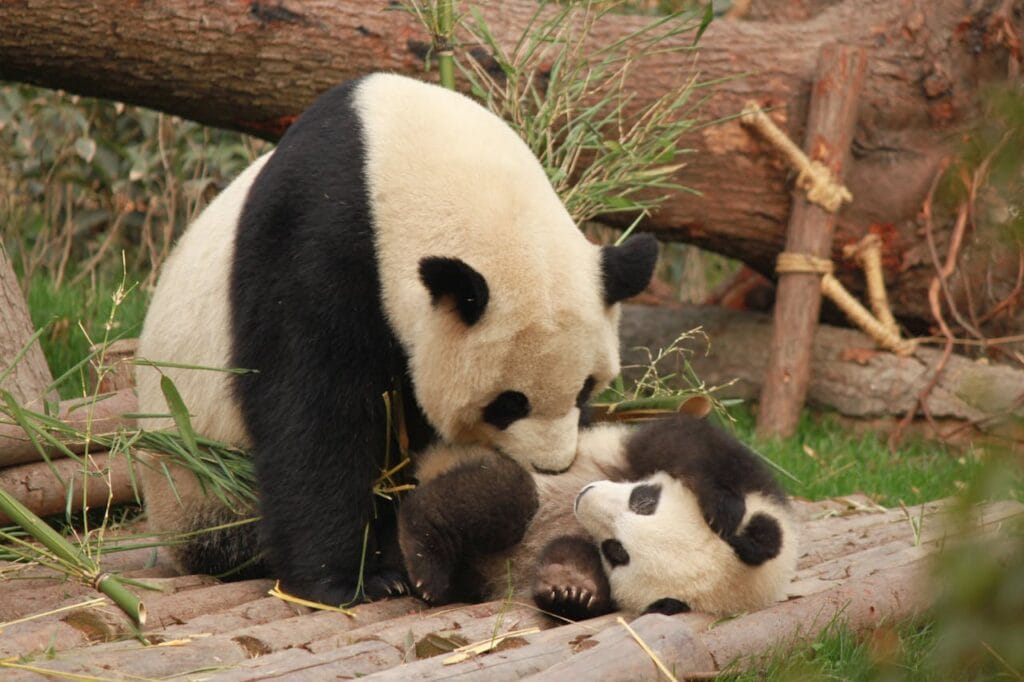
Good News March 01: Giant Pandas Are No Longer Endangered

Thirty years. That is how long giant pandas sat on the endangered list. Since before most people reading this were born, the panda was the symbol of everything we were losing, the animal on the poster, the face of the species we were collectively, slowly, failing.

This month, the IUCN officially confirmed the population had grown by 17 percent in a single decade. There are now an estimated 1,864 giant pandas living in the wild, up from as few as 1,114 in the 1980s. The status was downgraded from Endangered to Vulnerable.

That word, vulnerable, sounds like bad news if you do not know what it means in conservation terms. It is not. It is a step down from the edge. It is what happens when habitat protection, breeding programmes, and sustained government investment hold for long enough that the numbers actually move.

Thirty years of quiet, unglamorous, consistent work. That is the whole story.

Conservation is not a headline. It is a decade, and then another one.

giant pandas no longer endangered conservation win March 2026

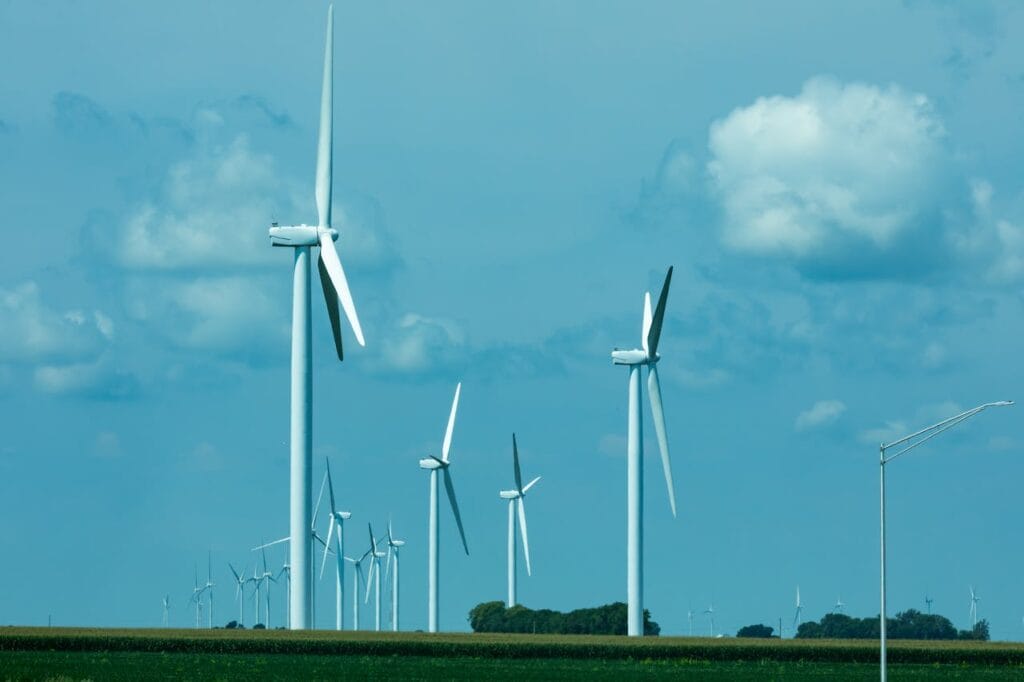
Good News March 02: A Wind Farm Finished Being Built, Despite Everyone Trying to Stop It

Vineyard Wind, 15 miles off the coast of Massachusetts, completed construction this month when the final turbine blades were installed. Sixty-two turbines. 800 megawatts. Enough clean electricity for 400,000 homes.

The Trump administration halted it days before Christmas, along with four other major East Coast offshore wind projects, citing national security concerns. Developers and states went to court. Federal judges allowed all five to resume, finding the government had not demonstrated any imminent risk that justified freezing construction.

So it continued. And now it is done. Massachusetts Governor Maura Healey said the project is expected to save ratepayers $1.4 billion over its first twenty years of operation.

State senator Michael Barrett had the line of the month: “Trump’s gone in under three years and the winds around here have staying power.”

Some things finish because the people building them simply did not stop.

Good News March 03: Nineteen Cities Cut Air Pollution by Up to 40 Percent

Research from campaign group Breathe Cities identified 19 major cities that have slashed air pollution by between 20 and 40 percent in just 15 years. Beijing, London, Paris, Berlin, Amsterdam, San Francisco. Nearly half were in Asia, where the improvements came alongside rapid economic development, not instead of it.

Air pollution is the world’s leading environmental health risk. It causes respiratory disease, cardiovascular disease, asthma, premature births. It lands hardest on the communities with the least ability to leave.

And across nineteen cities it dropped. Substantially. In fifteen years. Cycling infrastructure, clean air zones, the shift to electric vehicles. Things that were argued over and delayed and called economically unrealistic. They happened, and the air is cleaner.

“The pathway to cleaner air has been tested at scale,” said Cecilia Vaca Jones, Breathe Cities’ executive director. “Now it is about enabling more cities to follow it.”

Not a projection. Not a target date. Already done.

The air in those cities is cleaner today than it was fifteen years ago. That is just true.

good news today

Good News March 04:A 7,000-Year-Old Skeleton Quietly Rewrote Something

A study published in the American Journal of Biological Anthropology examined 125 skeletons from two Neolithic burial sites in Hungary, dating back roughly 7,000 years.

The patterns were clear. Men buried on their right side, surrounded by polished stone tools. Women on their left, with shell bead belts. Consistent across the cemetery. And then one grave that broke the pattern entirely.

An older woman, buried with a polished stone tool. The wear on her bones matched the men. She had done the work. She had been buried as the person she actually was.

The researchers concluded the discovery suggested that even 7,000 years ago, society was already experiencing the complexity of identities. That it tolerated exceptions. That the person in that grave was seen.

Seven thousand years ago. In a field in Hungary. Already doing this.

Complexity is not a modern invention. It is a human one.

Vineyard Wind Massachusetts offshore wind farm completed good news March 2026

Good News March 05:AI Glasses Are Keeping People With Dementia in Their Own Homes

AI-powered smart glasses developed by London-based social enterprise CrossSense were awarded a £1 million prize from the Longitude Prize on Dementia this month. The glasses can identify everyday objects and guide people with dementia through daily tasks step by step. Making tea. Getting dressed. Finding things. The ordinary sequences that make up a life at home.

They learn the individual person’s way of doing things. Not a generic process. Their process. And when a step disappears, the glasses talk them through it.

There are 57 million people living with dementia worldwide. The ability to stay in your own home, in the place that holds your things and your routines and whatever familiarity remains, is not a small thing. For a lot of people it is the whole thing.

Dame Wendy Hall, chair of the Longitude Committee, said the impact the technology has already had on people living with dementia is worth more than any prize.

positive stories happening in the world March 2026

Sometimes the most important technology is the kind that helps you find your keys.

These five pieces of good news March 2026 happened in the same world as everything else this month. Same week of the same difficult, ongoing, exhausting things. They did not make the feed. They did not need to.

The pandas are less endangered. The wind farm is built. The air is cleaner. The skeleton is 7,000 years old and it already knew something. The glasses work.

They are true anyway.

Read Next: Five good things that happened in march 2026 that nobody told you about

The psychology of news cycle: why certain stories hit different

Shaniya Naz
Written By

Shaniya Naz

Co-Founder · Visual Designer

Shaniya Naz writes about people, places, and the shifting rhythms of everyday life. Her work is guided by curiosity and a quiet interest in how experiences shape perspective.

Key Takeaways
  • Giant pandas have been downgraded from endangered to vulnerable after 30 years of conservation efforts, reflecting a significant population recovery.
  • The Vineyard Wind offshore wind farm off Massachusetts was completed despite political and legal challenges, providing clean energy for 400,000 homes.
  • Nineteen major cities worldwide have reduced air pollution by up to 40% in 15 years through infrastructure and policy changes.
  • A 7,000-year-old skeleton in Hungary reveals early societal recognition of complex identities, challenging assumptions about ancient social norms.
  • AI-powered smart glasses are helping people with dementia maintain independence by guiding them through daily tasks in their own homes.
Glossary
Vulnerable (conservation status)
A classification indicating a species is at lower risk than endangered, showing positive population trends due to sustained conservation efforts.
Vineyard Wind
An offshore wind farm located 15 miles off Massachusetts, delivering 800 megawatts of clean energy despite political opposition.
Air pollution reduction
Measured decreases in harmful airborne pollutants in cities, achieved through policies like clean air zones and electric vehicle adoption.
Neolithic burial patterns
Archaeological evidence from 7,000 years ago showing gendered burial customs, with exceptions indicating early recognition of identity complexity.
AI-powered smart glasses
Assistive technology designed to help people with dementia by recognizing objects and guiding them through daily routines.
IUCN
International Union for Conservation of Nature, the organization responsible for assessing species' conservation status.
FAQ
Why was the giant panda's conservation status changed from endangered to vulnerable?
The IUCN downgraded the giant panda's status after a 17% population increase over a decade, reflecting successful habitat protection, breeding programs, and government investment sustained over 30 years.
What challenges did the Vineyard Wind project face before completion?
The project was halted by the Trump administration citing national security concerns, but federal courts allowed construction to resume after finding no imminent risk, enabling its eventual completion.
How have some cities managed to reduce air pollution significantly in recent years?
Cities implemented measures like cycling infrastructure, clean air zones, and transitioning to electric vehicles, resulting in 20 to 40 percent reductions in air pollution over 15 years.
What does the discovery of the 7,000-year-old skeleton suggest about ancient societies?
The skeleton, an older woman buried with tools typically associated with men, indicates that ancient societies recognized and tolerated complex identities and exceptions to gender norms.
How do AI-powered smart glasses assist people with dementia?
These glasses identify everyday objects and provide step-by-step guidance tailored to the individual's routines, helping them perform daily tasks and maintain independence at home.
Editorial Note

This piece is part of The Present Minds, essays on psychology, identity, and modern life.
Discussion
No comments yet. Be the first.