The Ipod nano review, the device still turns on.
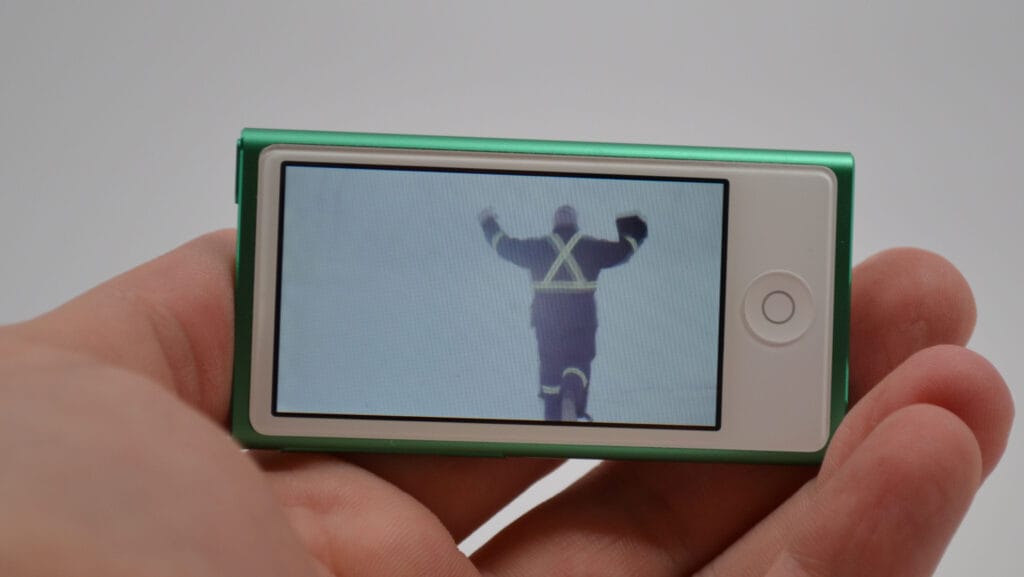
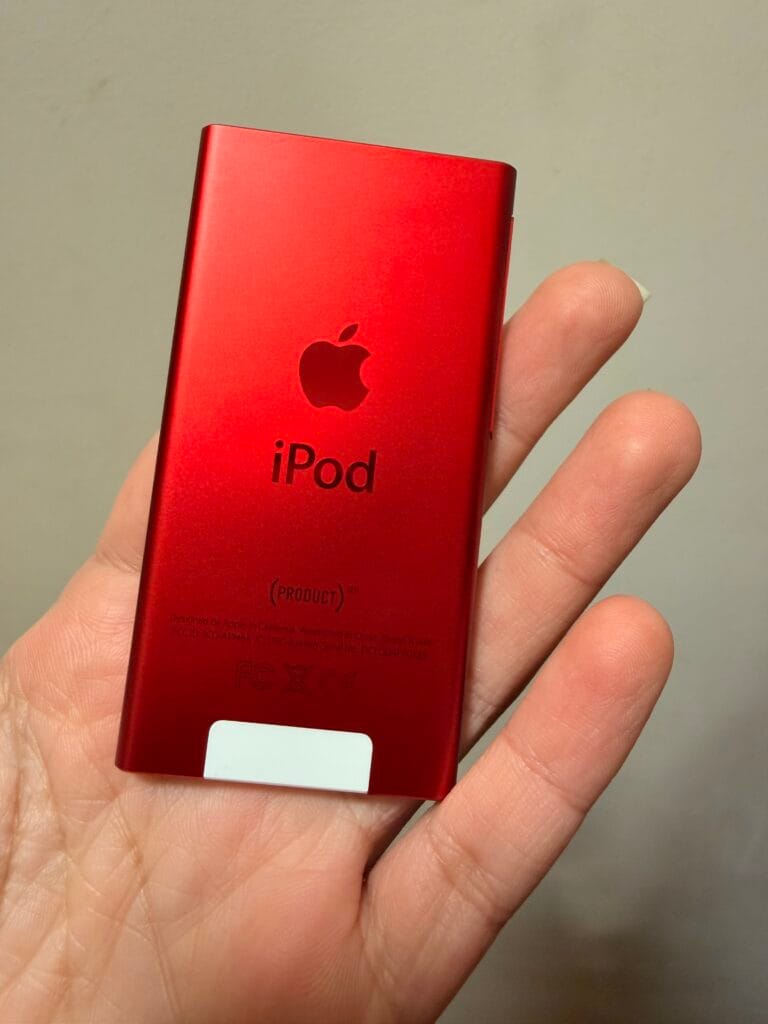
That is the first surprise. A thin rectangle pulled from a drawer, screen scratched, buttons slightly stiff, battery no longer reliable, but alive. It wakes without ceremony. No boot animation. No update screen. No agreement to accept before proceeding.
Just a menu.
There is something unsettling about encountering an object that refuses to move at your current speed. It does not apologise for being old. It does not attempt to be relevant. It does not reach for you.
It simply exists where it was left.
The discomfort does not come from nostalgia. It comes from contrast.
The iPod Nano does not feel embarrassed to still be what it is.
The iPod Nano review as a memory of limits
The Nano never pretended to be anything else.
It played music. That was the job.
There were no notifications waiting behind the songs. No secondary tasks folded into the same surface. You did not check it. You used it, then you stopped.
That clarity used to be normal.
Devices once arrived with boundaries built into their design. You knew what they did and what they did not do. Those limits did not feel restrictive. They felt stabilising. Attention could be given without fear that it would be quietly extracted further.
The Nano asked for presence, not vigilance.
Listening meant listening. Songs ended. Silence followed. You chose what came next. The experience had edges, and those edges mattered.
This difference becomes clearer when thinking feels strained today. In Why Thinking Feels Harder Than It Used To, the problem was not intelligence. It was continuity. Thought collapses when nothing is allowed to fully begin or end.
The Nano ended things cleanly.
That was not a flaw. It was the point.
The device did not multitask.
Neither did the moment.
What modern devices quietly demand instead
Modern devices are extraordinary.
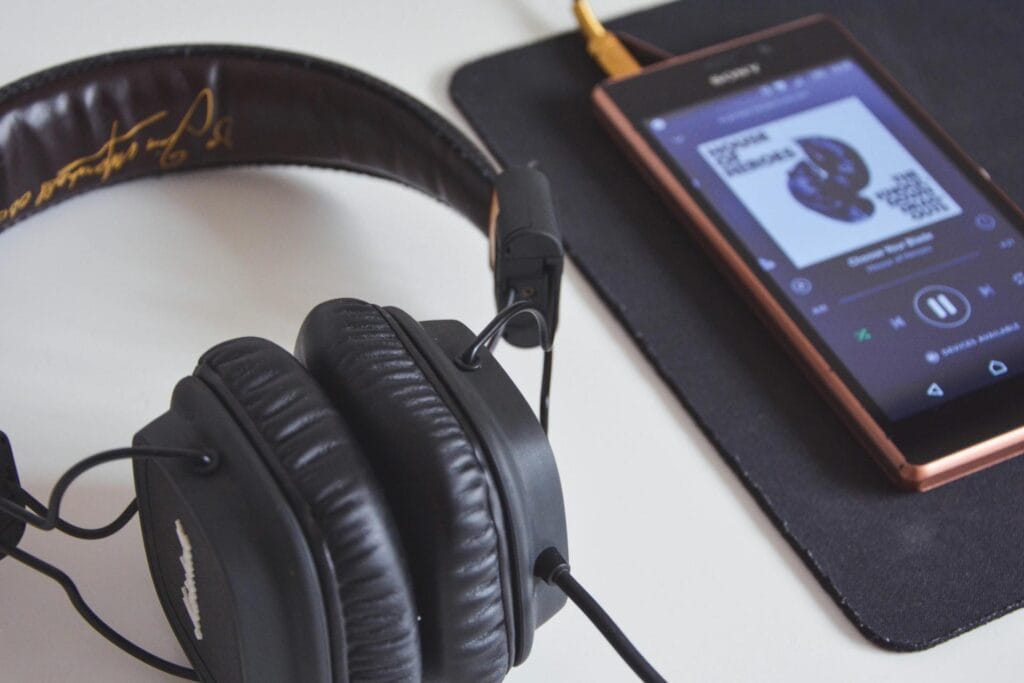
They do more, faster, with less friction. But they also dissolve intention. One action leads to five others. Music sits beside messages, reminders, alerts, and performance metrics. The object never fully closes.
The Nano never learned that behaviour.
It did not collapse functions into a single surface. It did not reward constant engagement. It did not punish you for putting it down.
It waited.
That waiting feels almost confrontational now.
Today’s devices reduce effort but increase exposure. Something is always pending, updating, or arriving. The cost is not attention in the obvious sense. It is posture. A permanent readiness that never switches off.
This same erosion appears elsewhere. In Why modern life is slowly erasing your days, abundance was not the problem. Commitment was. When everything stays available, nothing feels finished.
The Nano forced arrival.
You pressed play.
You stayed.
You listened.
It did not demand loyalty.
It demanded presence.
That demand feels heavier now because we are no longer used to it.
A moment that does not resolve
After a few minutes, something unexpected happens.
Not delight.
Not longing.
A quiet discomfort.
The simplicity feels sharp. Too final. There is nowhere to escape if the song does not land. No algorithm to rescue the moment. No frictionless jump to something else without acknowledging the choice.
You are either in it or you are not.
That clarity does not feel peaceful at first. It feels exposing.
Then it passes.
The song ends. Another begins. The moment holds itself without commentary.
This is not a lesson.
It does not translate into advice.
It lingers without resolving.
Why the iPod Nano still works now
Technically, it should not.
The storage is small. The interface is limited. The screen is modest. There is no cloud sync. No discovery engine. No optimisation layer smoothing choice into passivity.
Yet as an object, it feels complete.
The Nano does not compete for attention because it does not know how. It does not flatten listening into background noise. It does not convert music into an adjacent activity.
It creates a small, contained world. You enter it. You leave it. Nothing follows you out.
That containment aged well.
The device did not need to evolve because it was not trying to absorb more of your life. It knew its boundary and stayed inside it. That restraint reads differently now, in a culture where objects constantly exceed themselves.
It was not designed to scale.
It was designed to finish.
Using it now does not make modern devices feel worse.
It makes them feel louder.
More porous.
Less certain about what they are for.
The Nano is not better technology.
It is clearer technology.
And clarity has become rare enough that encountering it feels almost confrontational.
Affiliate Links:
- Audio Player https://amzn.to/4qyXBwt
- Audio & Video Player: https://amzn.to/3LZSRkh
- Ipod Nano https://amzn.to/49Po8hN