Something in you already knows what this is about. You felt it the moment you saw the word. Not panic. Not phobia. Something quieter and more constant than either of those. The kind of fear that does not announce itself. It just operates. It shapes what you reach for and what you leave alone. It decides, long before you consciously do, what is possible for you.
That is the version of fear worth talking about this month. Not the fear that rushes through you in a crisis. That kind has a job and does it well. The fear worth examining is the one so familiar it no longer feels like fear at all. It feels like preference. Like caution. Like being realistic.
It feels, above everything else, like staying comfortable.
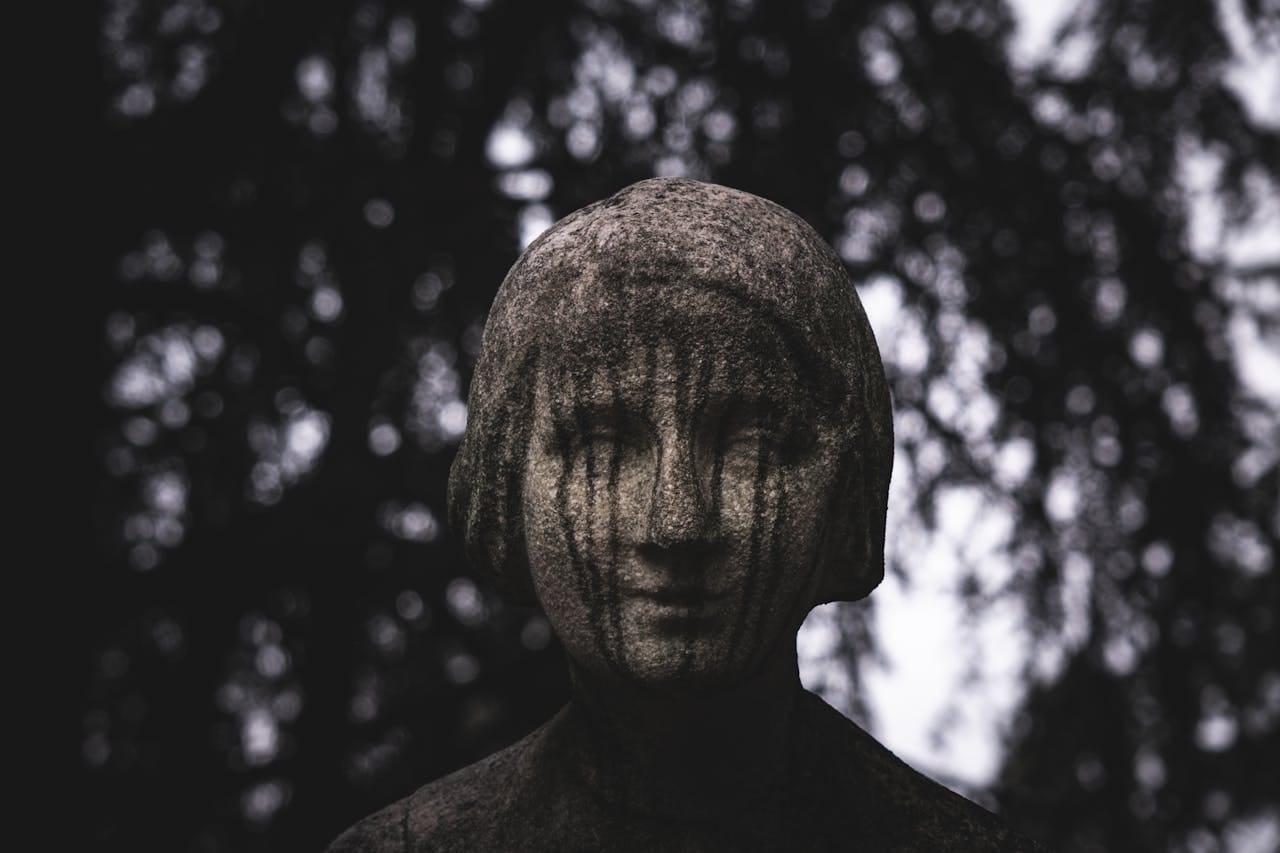
The Quiet Operating System
Here is how it works. There is something you want to do or say or become. Maybe you have wanted it for a long time. And every time you approach it, something intervenes. Not an external obstacle. An internal one. A reason. A not-yet. A wait-until-I-am-more-ready.
The reason sounds different every time, which is part of how it works. It is never the same excuse twice. But the function is always the same. You do not move. You stay. And staying feels like a decision you made freely, which is the most convincing thing about it.
Fear that operates this way is not cowardice. It is biology. The nervous system evolved to preserve the organism, and comfort is the signal that the organism is currently intact. Disruption of comfort is read as danger, even when the disruption is growth, even when the change would be good for you, even when the staying is slowly taking something away.
The most expensive comfort is the kind that costs you who you were meant to become.
What Comfort Is Actually Doing
Comfort is not neutral. This is the part most people miss. It feels like an absence. The absence of discomfort. But it is actually an active state. It is maintenance. And maintenance has a direction: backwards. To keep things exactly as they are is to resist the natural pull of growth, which means comfort is always working against something.
You can see this most clearly in relationships, in careers, in creative work. The person who stays in the wrong role because leaving feels too uncertain. The conversation that never gets had because having it would disturb something that feels settled. The version of yourself you keep promising to become but never quite start becoming because the starting requires a discomfort you are not willing to sit with.
None of this is dramatic. It never is. That is what makes it so effective. Fear that operates through comfort never looks like fear. It looks like patience. Like wisdom. Like knowing when to wait.
The Inventory
There is a simple test for this. Think of the things in your life that feel settled. Not resolved. Settled. The things you have stopped questioning because questioning them would require you to act on the answer. Those settled places are where the quieter fear lives.
It is not always sinister. Some things are genuinely fine and the settling is earned. But you will know the difference if you let yourself look directly at it. The settled things that feel fine have a quality of peace. The settled things that are actually fear have a quality of held breath. Of something not quite admitted.
The inventory is not meant to destabilise you. It is meant to make visible something that has been invisible. You cannot do anything about a fear you have not named. Naming it does not fix it. But it changes the relationship. It turns the operating system from background to foreground, which is the only place anything can be worked with.
You cannot do anything about a fear you have not named. Naming it does not fix it. But it changes the relationship entirely.
The Cost
Here is what chronic comfort actually takes from you. Not in one payment. It never works that way. It comes in small, quiet instalments over time. It takes the version of you that would have existed if you had moved when you felt the pull. Not better or worse, necessarily. Just different. Larger, in the specific way that people become larger when they have faced something that frightened them and kept going anyway.
There is a particular kind of shrinkage that happens to people who avoid fear for long enough. Not a shrinkage of personality or warmth. A shrinkage of territory. The world they can comfortably inhabit becomes smaller and smaller, because every avoided discomfort narrows the range of what is liveable.
This is not a warning. It is just a description of a mechanism. The mechanism is not a character flaw. It is how the system works when it has not been shown that the discomfort on the other side of fear is survivable. Most fear only retreats once you have walked through it enough times to have evidence that you survived.
Closing
Fear is not the enemy. This is the important thing to carry away from this issue. Fear that runs as a quiet operating system has kept you intact through everything that has happened to you so far. It deserves some respect for that.
But you are allowed to update the operating system. You are allowed to show it new evidence. You are allowed to say: I know you are trying to protect me, and I am going to move anyway.
The people who live the lives they mean to live are not people without fear. They are people who have developed a working relationship with it. They feel it, they name it, and they go.
What is the one thing you would do if you knew the fear on the other side was survivable?