
The illusion of free will in modern society is the great unspoken reality of our time. We wake up, consume, and scroll, entirely convinced that we are the conscious authors of our own lives.
But when you strip away the algorithms predicting your next move and the ingrained habits dictating your desires, how many of your choices are actually rooted in genuine, mindful awareness?
Human freedom does not announce itself with fireworks. It shows up quietly, usually in the morning.
Most people say they want freedom. They imagine travel without permission, work without supervision, love without restriction. They picture space. Air. Options. But the lived experience of human freedom feels less like space and more like responsibility.
By the fifth small decision of the day, the weight begins to register. Coffee or tea. Reply now or later. Speak honestly or keep the peace.
Eat what you planned or what you crave. Individually, each choice is harmless. Together, they form a pattern. And the pattern becomes your life.
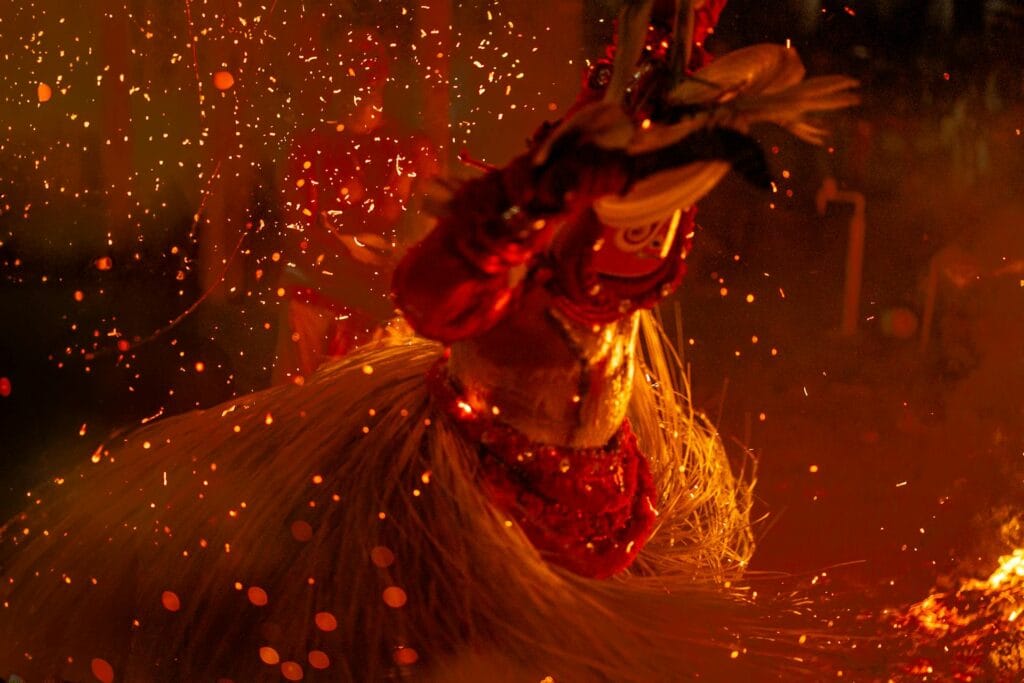
When No One Else Carries the Blame
For most of human history, life arrived with clearer boundaries. Family decided roles. Community defined behaviour. Religion marked what was right and wrong.
If something failed, blame travelled outward. The harvest was poor. The gods were displeased. The elders misjudged.
Modern life removed much of that structure. Careers are chosen. Relationships are negotiated. Beliefs are constructed rather than inherited.
This is celebrated as progress. And in many ways, it is. But there is a quiet cost.
When a relationship ends, the mind searches for explanations. The other person changed. The timing was wrong. Circumstances were unfair.
When health declines, the reasons multiply. Genetics. Stress. A busy schedule.
These explanations are not always false. Life is complex. Outcomes depend on many forces.
Still, beneath most situations lies a smaller truth. A conversation that could have happened earlier. A boundary that could have been clearer. A habit that could have been interrupted. Blame protects dignity. Choice exposes it.
It is easier to believe life happened to you than to admit you participated in shaping it. Human freedom removes the alibi. That is why it feels uncomfortable.
You can skip the gym. You can overspend. You can stay in the relationship that no longer fits. You can also walk away. You can apologise. You can try again.
The option remains. And so does the responsibility.
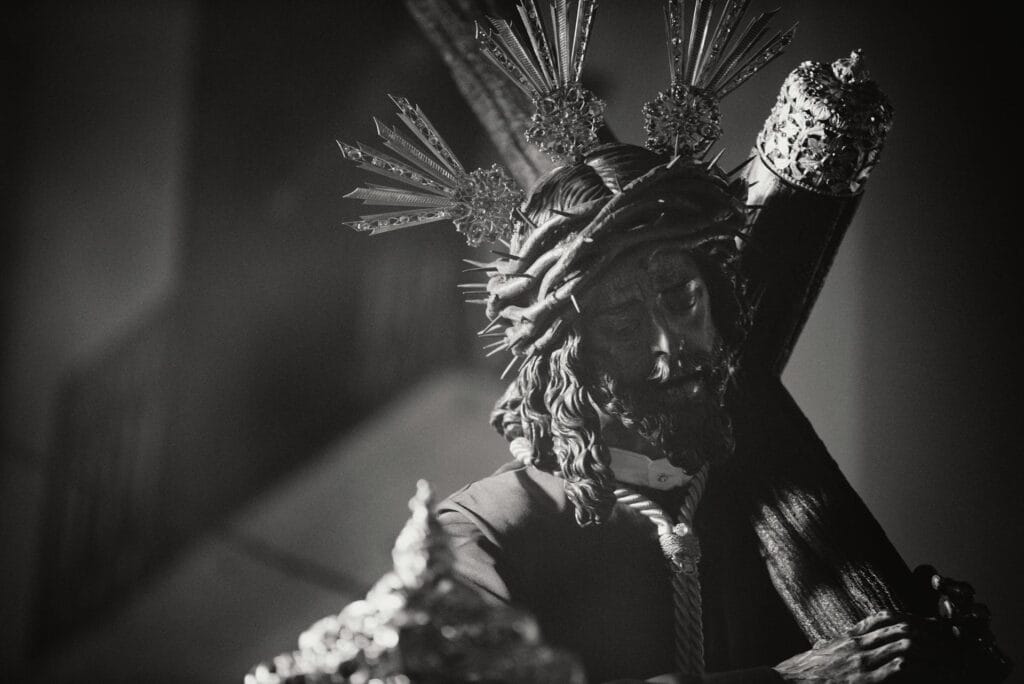
The Split Second That Changes Everything
Ancient Indian thought described human birth as rare, not because humans dominate the world, but because they occupy a strange middle ground. They are not ruled entirely by instinct. They are not fixed in perfection either.
They experience impulse fully. Hunger, anger, desire, jealousy, pride. None of these are removed.
But between impulse and action, there is a pause.
That pause is small. Almost invisible. Yet it contains the core of human freedom.
You feel irritation rising in a conversation. The words form quickly. You could release them. You could wound. Or you could wait.
You want the second slice of cake. No one is watching. You know how it will feel now and how it will feel later. The hand hovers.
You scroll late into the night even though morning responsibilities wait. You know the cost. You also know the comfort.
In that brief hesitation, something important happens. You recognise you are not identical to your impulse.
Freedom is not the absence of desire. It is the ability to respond to it.
This sounds empowering when phrased cleanly. In practice, it is exhausting.
Every strong emotion demands a decision. Every desire becomes a test. Every habit offers continuation or interruption.
The capacity to override yourself never switches off.
And there is no referee keeping score.

Why Freedom Becomes Heavy over Time
In early adulthood, choice feels expansive. New cities, new careers, new partners. Doors open faster than they close. Options multiply. Later, something shifts.
Decisions accumulate consequences. A career path narrows alternatives. A commitment excludes others. A lifestyle creates momentum that is harder to reverse.
Freedom remains. But it is now attached to cost.
You can change careers at thirty five. You can leave a long relationship. You can relocate. Nothing supernatural prevents it.
But each move affects others. Financial stability. Family expectations. Personal identity. Freedom does not disappear. It deepens. This is where many people begin to resent it.
They look for clearer rules. A system to follow. A structure that dictates the right answer. Something to remove the burden of deciding again and again.
There is comfort in being told what to do. There is relief in surrendering authorship. Because authorship is lonely.
No one else writes the script of your reactions. No one else absorbs the moral weight of your choices. Even when circumstances limit you, response remains yours.
Freedom sounds glamorous in theory. It feels different when every decision reflects back on you. There is another possibility, though, and it is less discussed.
What if most people overestimate how free they actually are?
Habits shape behaviour more than intention. Social pressures guide choices more than personal clarity. Fear narrows options quietly and persistently.
Perhaps the burden people attribute to human freedom is partly illusion. Perhaps many decisions feel heavy not because they are fully open, but because they are only partially examined. This remains unsettled. Still, even limited freedom carries weight.

What to Take Away from the Illusion of Free Will in Modern Society
When you recognise you could respond differently, the story shifts. Anger becomes a selected reaction rather than a fixed trait. Avoidance becomes a pattern rather than destiny.
That recognition does not guarantee change. It simply removes innocence.
And that is the unsettling part.
Perfection does not require effort. Instinct does not require reflection. Only beings capable of choosing against themselves experience moral tension.
The pause before speaking harshly. The hesitation before quitting. The awareness that you could try once more.
That trembling gap is not dramatic. It does not feel heroic.
It feels ordinary. And it repeats every day.
Human freedom is not loud. It does not announce virtue or failure. It simply offers the next decision.
Whether that offer feels like privilege or burden depends less on circumstance and more on how honestly one looks at that pause between impulse and action.
The alarm will ring again tomorrow. The choice will still be there.
Further Reading: What I learnt from my kurdish barber in london
What is dharma? what the mahabharata knew about losing everything
 Psychology · Sep 22, 2026Chimpanzees Have Accents. They Grow into Them.
 The Margin · Sep 17, 2026People Are Seeing Ads in Their Dreams.
 Slow Meridian · Sep 16, 2026Autumn Leaves