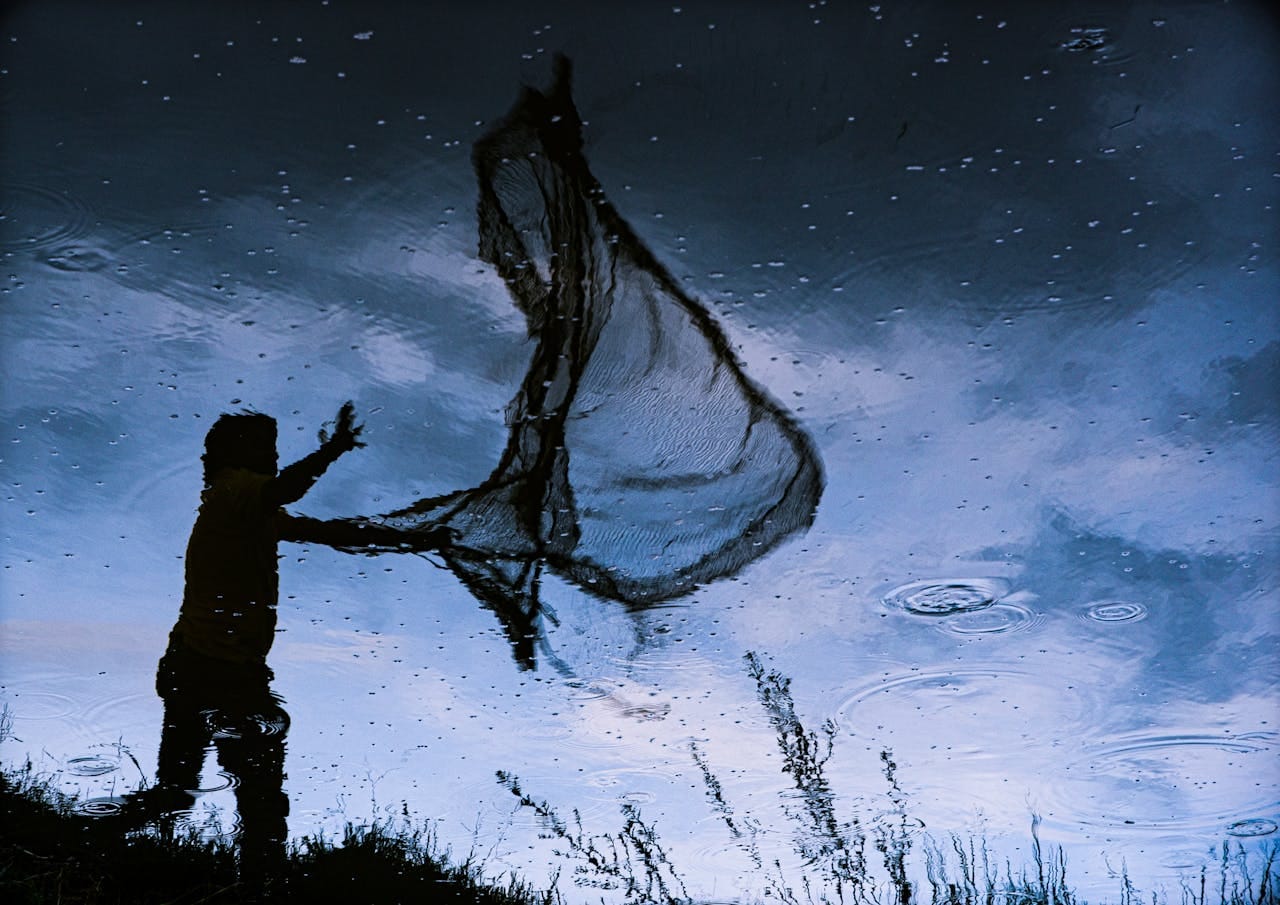
The Postmaster by Rabindranath Tagore is twelve pages long.
Twelve pages. Written in 1891. And yet here you are, years after Class 9, still thinking about Ratan standing in a doorway. Still thinking about a lamp being lit in the dark. Still thinking about a girl who refused the money.
That is not an accident. That is Tagore.
The Village at the Edge of the World
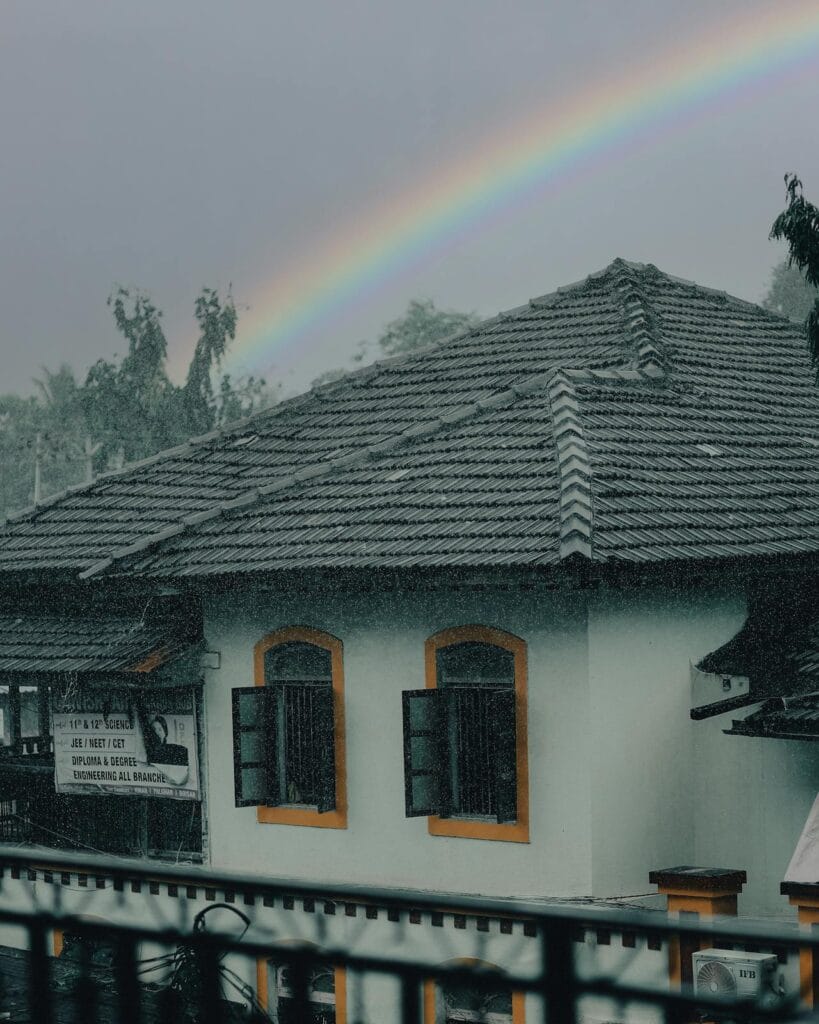
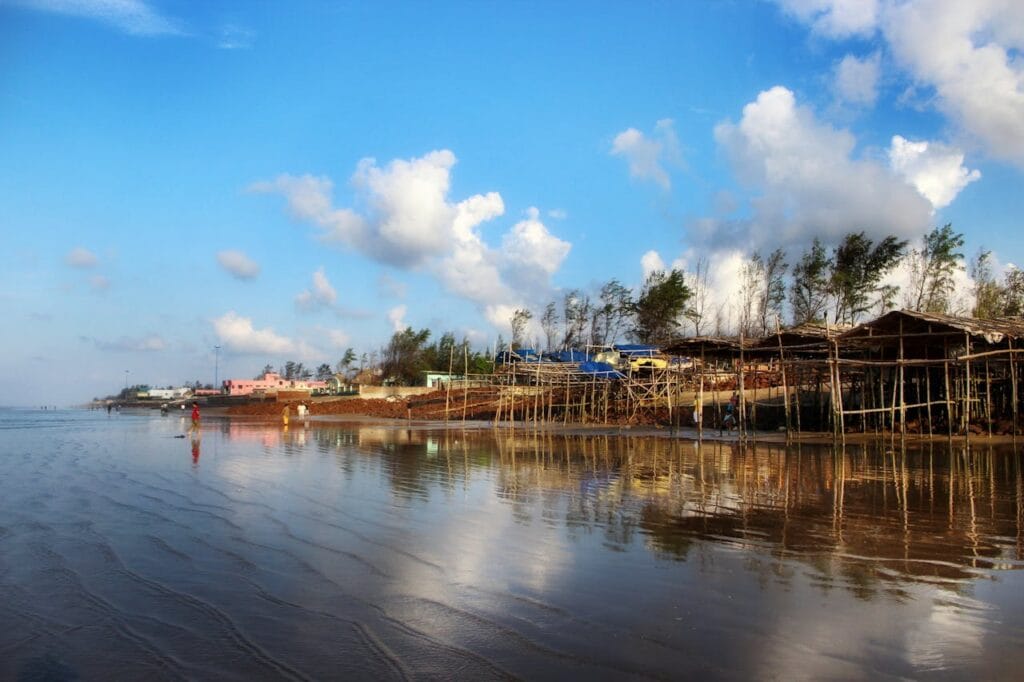
The story opens in Ulapur. A small Bengali village with an indigo factory and very little else. A young postmaster has been sent from Calcutta to man a post office nobody asked for.
He is educated. He is out of place. He writes poetry about leaves and rain because there is nothing else to do.
The poetry is bad. He knows it is bad. The city is calling him from somewhere he cannot reach.
He felt like a fish dropped into a field. The water was somewhere else.
His salary is small. He cooks his own meals. And one day he enlists a girl named Ratan to help with the housework. In exchange for food. She is thirteen years old. She is an orphan. She has nowhere else to be.
This is how they begin.
The Lamp and the Calling
Every evening the postmaster lights his lamp.
And every evening he calls out into the dark. Just her name. Ratan.
She is already there. She has been waiting outside his door, sitting in the dust, listening for exactly this. When he calls, she does not come immediately. She answers first. Did you call me, sir? As if she has not been waiting for the sound of it.
He asks her to light his pipe. She blows on a coal until her cheeks puff out, until a flame catches.
And then they talk.
He asks about her family. She remembers her father more clearly than her mother. He used to come home in the evenings. There were a few evenings that stood out, vivid as paintings. She had a little brother once. They used to fish together at the edge of the pond with a twig for a rod.
These are not big memories. They are small ones. The kind only an orphan counts as treasure.
He talks about his family too. His mother. His sister. His younger brother. The home in Calcutta he misses so much he cannot mention it to the factory workers. But he can mention it to Ratan. She is simple. She will not judge him for it.
She took his family into her heart as if they had always been her own. She had no one else to put there.
Over weeks she begins to refer to his mother as mother. His sister as sister. She has painted a complete picture of each of them in her mind. She tends to these imagined people the way she tends to the postmaster’s fire. Carefully. Every day.
He begins to teach her to read.
The Monsoon
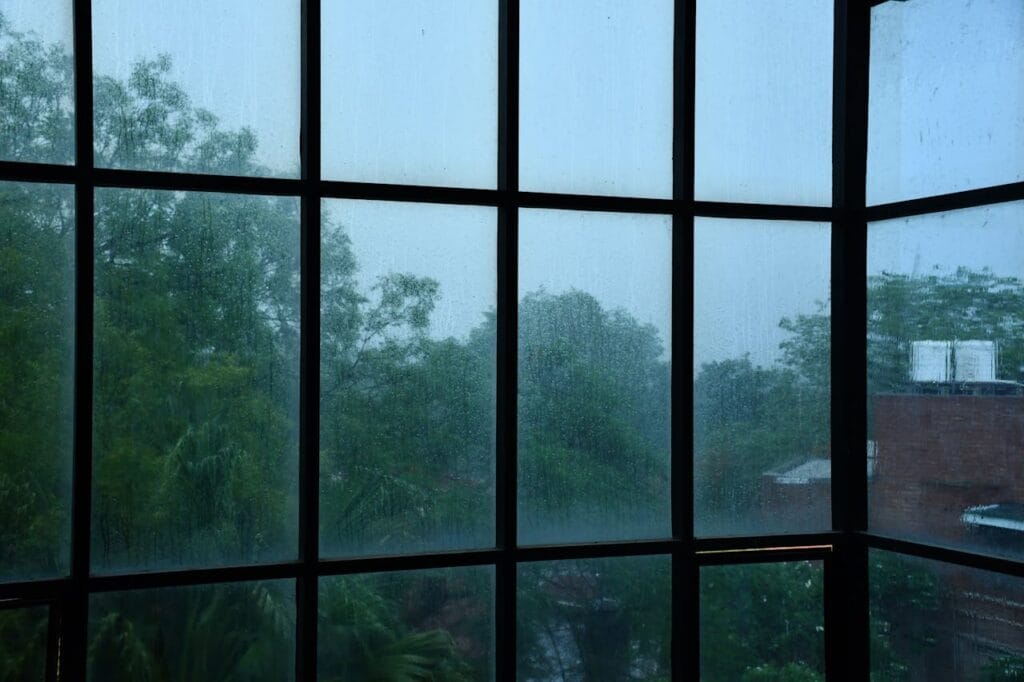
In the month of Sraban, the rain does not stop.
The ditches overflow. The paths flood. Ulapur becomes unreachable. The postmaster sits in his hut watching the water rise outside and he grows ill. The rain finds its way into him.
Ratan nurses him.
She sits by his side. She touches his forehead to feel for fever. When he stirs in the night she is there. When he is too weak to eat she coaxes him. Tagore writes that she tended his loneliness with feminine tenderness, and in that phrase is the whole architecture of what she has become to him.
He is thirty miles from his mother. But he has this girl.
He recovers.
And then he decides to leave.
How Could I Do That
He applies for a transfer. The application is denied. So he does something more decisive. He resigns. He is going home to Calcutta.
He tells Ratan casually, the way you mention the weather.
She goes very still. She cooks his evening meal in silence. And when he has finished eating, she asks him the question she has been rehearsing all day.
Dada. Will you take me home with you.
He laughs.
What an idea.
Three words. A laugh. The most devastating moment in twelve pages.
She does not cry in front of him. She goes to sleep. Except she does not sleep. She lies in the dark all night with those three words. What an idea. His voice laughing at the thing she wanted most in the world.
The next morning he offers her money. His leftover salary. Something to remember him by. Something practical and kind and utterly beside the point.
She falls at his feet. She begs him not to give her anything. And then she runs. Out the door, out of sight, gone before he can press the coins into her hand.
She could not take the money. Taking it would have meant she agreed that this was how it ended.

On the River
The postmaster boards a boat. He is going back to Calcutta.
As Ulapur recedes, he sees her face in his mind. Grief-stricken, Tagore writes, speaking a great inarticulate universal sorrow.
He feels it briefly. A pang. The stirring of something that might become guilt if he lets it.
He does not let it.
He tells himself that life is full of separations. That meeting and parting is the way of things. That she will forget him. That his replacement will look after her. He reaches for philosophy the way you reach for an umbrella. It keeps the feeling off.
The river carries him forward. The boat does not stop.
In Ulapur, Ratan waits.
She does not know she is waiting. She calls it hope. A faint, persistent hope that he will come back. That he will come back for her. That what an idea will become yes, yes of course, come here, let us go.
Tagore does not let this happen. He is too honest for that.
What Tagore Knew
The story is not about a postmaster.
It is about the asymmetry of human connection. Two people who needed each other at exactly the same time, for completely different reasons. One of them had somewhere else to go. One of them did not.
The postmaster is not a villain. That is the point. He is a lonely young man far from home who found warmth and gave warmth in return. He taught her to read. He sat with her in the evenings. He told her about his family and let her borrow them.
He just needed her less than she needed him. And he did not understand, or did not let himself understand, what he meant to her.
This gap between what someone means to you and what you mean to them. Most people have felt it. Not many writers have named it as precisely as Tagore does in twelve pages in 1891.
He was thirty years old when he wrote this. He had been to England. He had come back. He had seen what the gap between worlds does to people.
Ratan is the gap.
Why It Stays with You
You read this story in Class 9 sitting in a classroom with thirty other people. The teacher asked about themes and characterisation and literary devices. You wrote down loneliness. You wrote down social inequality. You wrote down contrast between urban and rural.
You got the marks.
But the story put something else in you that the marks did not cover.
The image of her waiting outside the door before he even calls. The coal she blows on every evening. The family she painted in her mind from nothing but his words. The money she could not take.
The boat moving forward on the river.
These images are still in you because they are true in the way that only the best writing is true. Not accurate. Not realistic. True. True to something you recognised the first time you read it even at fourteen, even before you had the words for what you were recognising.
Some people will leave you. Not because they are cruel. Because they have somewhere else to go.
And sometimes you will be the one leaving.
Tagore knew both things. He put them both in the story. He let the current carry the boat forward and he did not flinch from where that left Ratan.
That is why you are still thinking about her.
Buy the Book Here: Buy at AMAZON
Read next: Why the 90s Feel More Real Than Yesterday . Who are you when everything changes?


 Psychology · Sep 22, 2026Chimpanzees Have Accents. They Grow into Them.
 The Margin · Sep 17, 2026People Are Seeing Ads in Their Dreams.
 Slow Meridian · Sep 16, 2026Autumn Leaves