
Why are people watching endless videos is a concerning trend that needs a slow, through analysis. Deep dive into the analysis of this behaviour in this article.
Videos that never end play quietly in places meant for rest. A phone rests on a pillow. Audio stays low. A street corner appears on screen. Cars pass. A bag moves in the wind. Nothing arrives. Nothing resolves.
A face talks without direction. A game loops the same route. A camera waits on a train platform that may never deliver the train it promised. The footage does not build toward anything. It simply continues, calm and indifferent.
Attention remains anyway. Not with excitement or curiosity, but with compliance. Minutes pass without resistance. The body stays still, as if stillness has finally been allowed.
This does not feel like distraction in the old sense. The mind is not chasing novelty. It is choosing an atmosphere. The endlessness becomes the point, because an ending would demand something.
Time stops behaving like a line and starts behaving like weather. Present. Ongoing. Unconcerned with meaning.
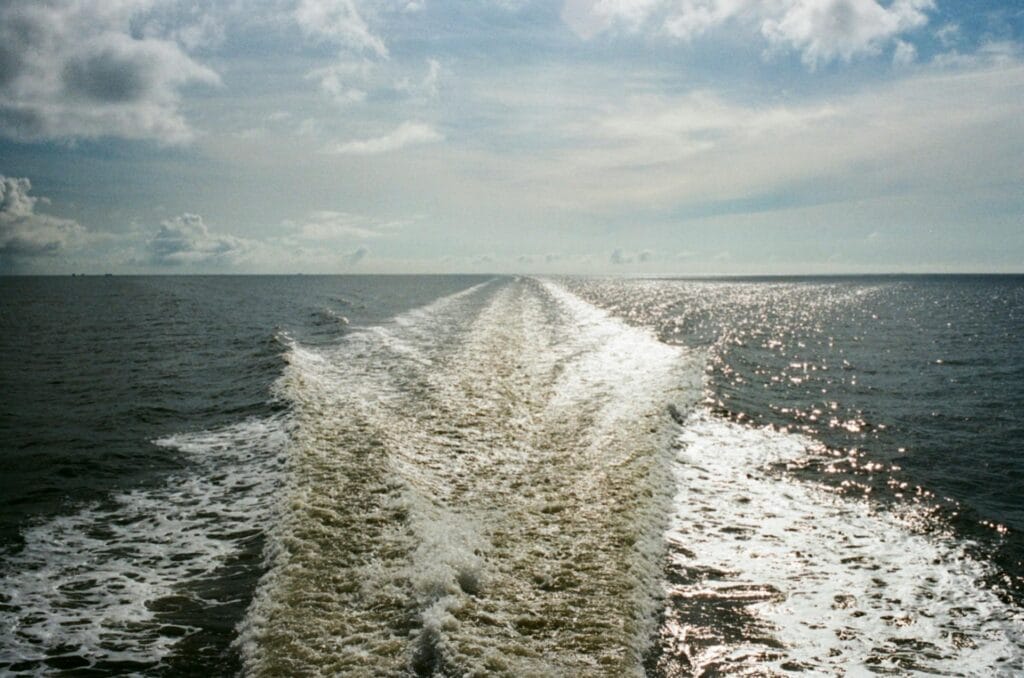
The Comfort of Videos That Never End: Why Are People Watching Endless Videos
Stories once came with small contracts. Start this, and something will happen. Even the shortest clips promised a payoff. A punchline. A reveal. A moment that justified attention.
Videos that never end refuse that contract.
They hover instead of moving forward. They feel soft at the edges, like a room with no door. Enter late. Leave early. Return halfway through. Nothing is lost.
That flexibility lowers the stakes. There is no fear of missing the best part because there is no best part. No pressure to track a plot that never forms. No guilt for drifting because drifting changes nothing.
A commuter stands on a platform with headphones in. A livestream shows someone cleaning a kitchen at a steady pace. Plates clink. Water runs. The commuter watches without learning anything, without even liking it. The shoulders loosen. The train arrives. The thumb keeps scrolling.
There is relief in content that does not require commitment. Commitment creates a future inside the mind. A future carries responsibility. Endless content keeps everything in the present tense.
The present tense feels safer when the day already holds too many decisions.
This is why these videos can feel easier than a film someone genuinely wants to watch. A film asks for memory. It asks for continuity. It asks for attention that lasts. A stream asks only that it stays on.
Nothing needs to happen for this to feel like something.
That line sounds small, but it describes a shift. Value is no longer in arrival. Value is in suspension.
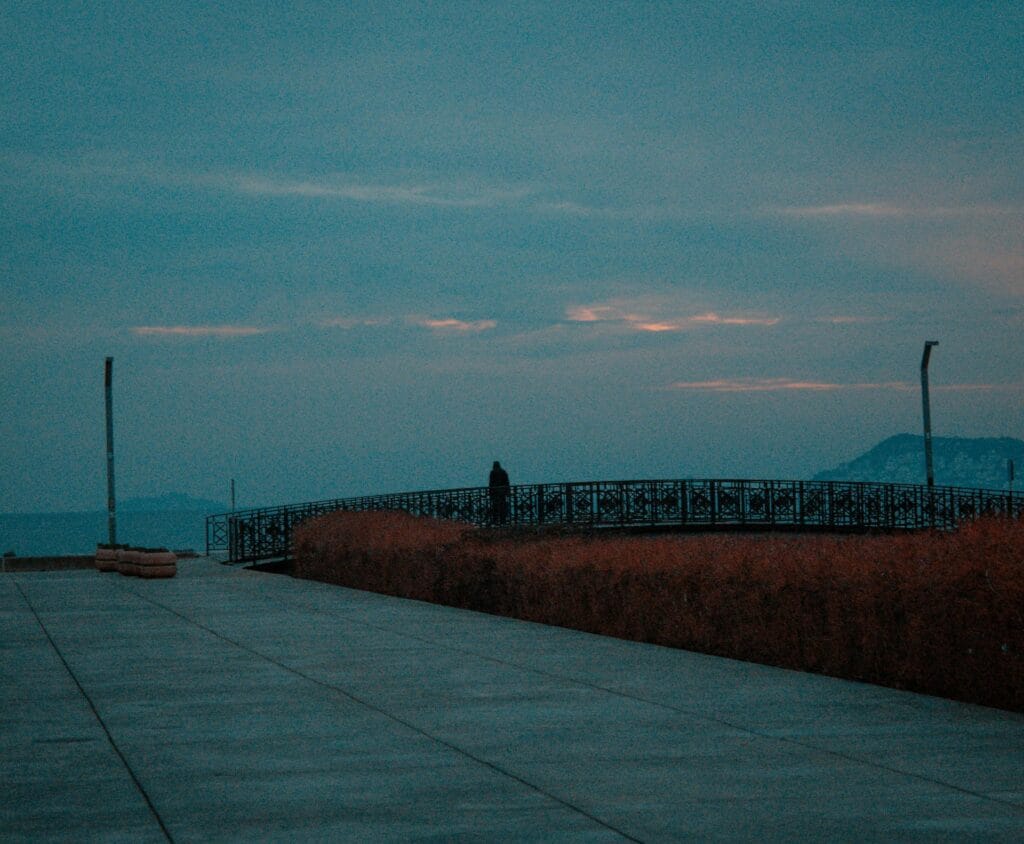
When Attention Stops Wanting Meaning
A common belief says people crave stimulation. Faster. Louder. More shocking. Lately, something else is visible. People crave relief from meaning.
Meaning requires context. It asks the mind to hold sequence, memory, relevance. When daily life already feels like an endless request for coherence, meaning turns into another task.
So attention adapts. It moves toward neutrality. It chooses continuity over intensity. Streams over stories.
This is not laziness. It is adaptation.
The mind under pressure stops shopping for depth and starts shopping for ease.
There is a specific tiredness that pushes someone toward endless videos. It is not sleepiness. It is the fatigue of being constantly reachable. Messages arrive softly. Obligations hum in the background. Nothing ever fully releases its hold.
Endless content offers occupancy without consequence.
Presence without participation.
It is easier to watch a life that is not asking anything from you.
A disruption interrupts the logic and refuses to resolve. Maybe this is not exhaustion at all. Maybe endless video is a quiet protest. A refusal to let even leisure be shaped by productivity. A place where time exists without being converted into progress.
That thought does not fix anything. It does not stay. The stream keeps running.
A related reflection on pressure and identity appears in Purusharth: Quiet Ways Alignment Gets Misunderstood in Modern Life, where effort continues without arrival.
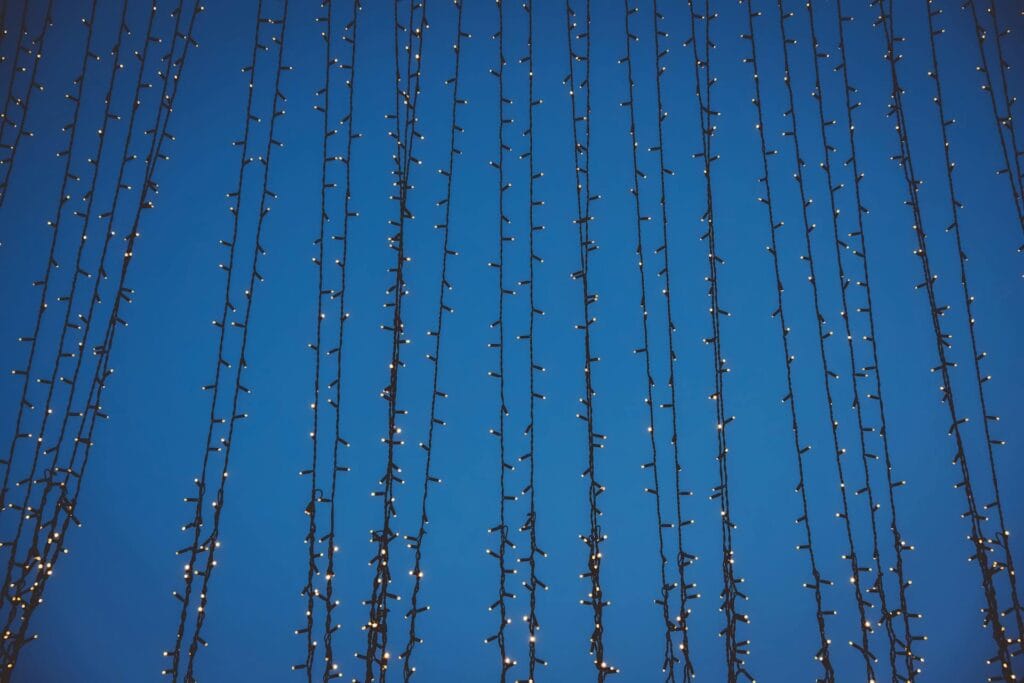
Time That Does Not Register as Lived
Endless content reshapes memory.
Memory needs edges. It stores moments with shape. Beginnings. Middles. Endings. Without edges, experience becomes mist.
Hours spent in streams feel both heavy and blank. The body knows time passed. The mind cannot say what filled it. There is tiredness afterward without recall.
A young man finishes work, heats food, and sits down. A live feed of a city street runs while he eats. It runs while he checks messages. It runs while he stares into nothing. Midnight arrives. He cannot say what he watched, only that he watched.
The next morning feels thinner.
This pattern aligns with the erosion explored in Why Modern Days Feel Forgettable, where time passes cleanly but fails to attach itself to memory.
Endless videos do not cause the blur. They harmonize with it.
Notifications flatten time. Feeds flatten time. Work that follows people home flattens time. Endless video completes the texture.
There is another appeal that rarely gets named. Endless content reduces the fear of choosing wrong. Choosing a film means choosing a mood and an ending. Choosing a stream means choosing almost nothing.
That can feel like mercy when choice itself is exhausting.
Judgment misses the point. Telling people to watch better things misunderstands the role these videos play. Better things demand more. More care. More presence. More emotional exposure.
Sometimes the mind cannot afford that.
Endless videos make no promises. They offer duration and nothing else.
Sometimes the mind does not want to be entertained. It wants to be left alone while awake.
That does not sound healthy. It also does not sound rare.
So the question shifts. Not why people waste time, but why time feels so demanding that waste feels like relief.
The stream keeps running. The viewer keeps returning. Not because it is good, but because it does not ask to be good.
It only asks to be on.
And the moment an ending appears, something tightens again, as if the day has restarted its countdown.
Read Next Article: Why modern life is quietly erasing your days
The psychology of news cycle: why certain stories hit different


 Psychology · Sep 22, 2026Chimpanzees Have Accents. They Grow into Them.
 The Margin · Sep 17, 2026People Are Seeing Ads in Their Dreams.
 Slow Meridian · Sep 16, 2026Autumn Leaves