
Why I dont feel nostalgic anymore is not usually how people find themselves asking. It surfaces indirectly, through silence or a missing reaction. A story from the past is mentioned, and nothing rises. No ache. No warmth. No quiet pull toward what used to be.
This absence creates discomfort long before it creates understanding.
In many social settings, nostalgia acts as proof. Proof that something mattered. Proof that a place, a time, or a former version of the self left a mark. When someone does not participate in that ritual, the gap becomes noticeable.
People expect a certain emotional choreography. A soft smile. A pause. A tone shift. When it does not arrive, questions form quietly. Was it real. Did it shape you. Are you avoiding something.
The tension builds without being named.
By the time this absence becomes conscious, it often already carries judgment. Not from the person experiencing it, but from the environment around them. Nostalgia has become one of the few socially acceptable ways to demonstrate depth.
Without it, meaning is suspected.
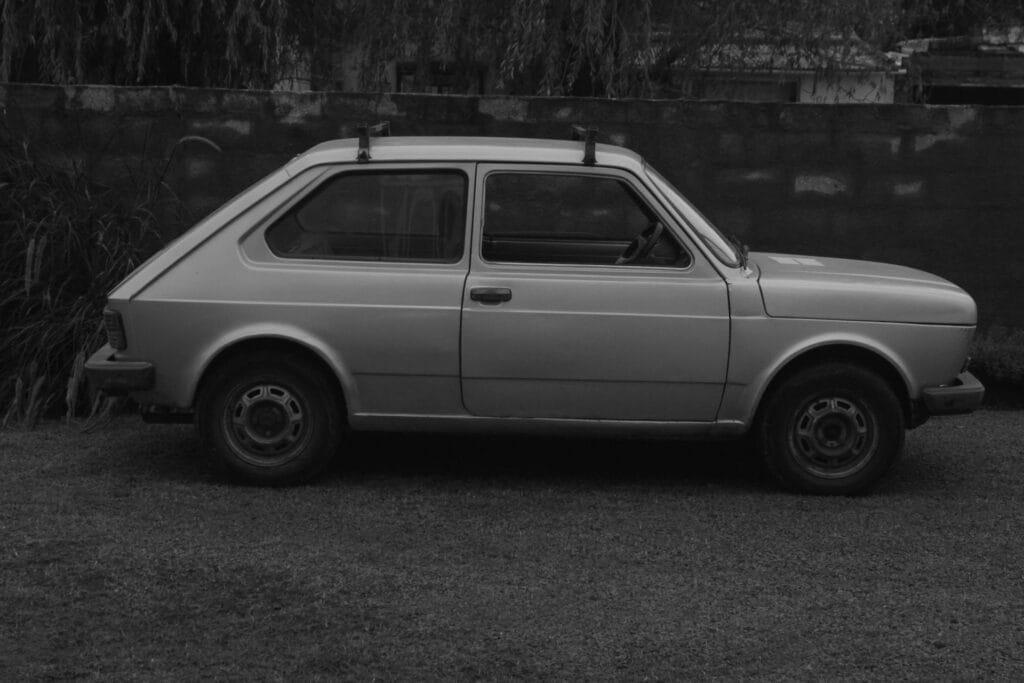
Why I Dont Feel Nostalgic Anymore: Reason 1
Nostalgia is often treated as universal, but that assumption confuses intensity with residue. Feeling deeply does not guarantee that feeling will echo later.
Some people carry the past with them. Others carry what the past gave them.
That distinction is subtle, but it reorganises how memory functions.
For many, nostalgia acts as a bridge. It links earlier selves to the present and reassures them that their identity stretches backward without breaking. The ache itself becomes evidence of continuity.
For others, that bridge is unnecessary. Identity does not feel like a thread. It feels like a series of genuine shifts. Earlier selves are recognised, but they are not inhabited.
From the outside, this can look cold. From the inside, it often feels precise.
A concrete moment illustrates this difference. A group revisits a former city. Stories surface easily. Others speak with warmth and loss. When attention turns, the details are remembered clearly, but nothing is missed. The streets feel familiar, not magnetic. The chapter feels complete.
The absence does not register as emptiness. It registers as settled.
That reaction often surprises even the person experiencing it. It challenges the assumption that meaningful things must continue to pull long after they end.
The discomfort comes not from the lack of longing, but from how difficult it is to explain without being misread.

Why I Dont Feel Nostagic Anymore: Reason 2
One reason nostalgia fades is saturation. The past no longer arrives on its own. It is constantly reintroduced through photographs, reminders, archived messages, and algorithmic prompts.
Memory is no longer selective. It is ambient.
Emotion relies on contrast. Absence gives weight. When the past is never allowed to recede, longing flattens into familiarity. What once would have surfaced quietly now feels overexposed.
This is not forgetting. It is emotional overcrowding.
Another reason nostalgia disappears is identity drift. Some people update themselves continuously. They do not rely on earlier versions for stability. Growth does not look like addition. It looks like replacement.
When this happens, the past can feel genuinely foreign. Not rejected. Simply no longer relevant. Nostalgia requires identification with who you were. Without that identification, memory becomes informational rather than emotional.
There is a third reason that resists easy explanation.
Some people process life while it is happening.
They feel fully inside experiences. They reflect early. They integrate quickly. Emotional work is not postponed. By the time something ends, it is already complete.
For these people, nostalgia does not arrive later because there is nothing unresolved to return to.
The absence of longing here is not numbness. It is closure.
This form of completion is quiet. It leaves no visible ache. It does not perform grief or sentimentality. That quietness makes it easy to misunderstand.
In social settings, conversations about the past often rely on shared yearning. When someone does not participate, they can feel out of rhythm. They nod. They soften their language. They avoid naming what is true.
Silence becomes a strategy.
Not because something is missing, but because something cannot be explained without being reframed as a problem.
This misinterpretation echoes patterns explored in Why people are watching videos that never end, where experience passes through attention without settling long enough to become something people later miss.
Memory, too, can complete itself in motion.

Why I Dont Feel Nostalgic Anymore: Reason 3
Avoidance has texture. It carries tension. It resists contact. It sharpens when approached.
Not missing feels different.
Not missing feels neutral.
There is cultural discomfort with endings that do not ache. Pain reassures people that something mattered. Clean endings challenge that belief. If something can end without grief, it raises uncomfortable questions about value.
But meaning does not require permanence to exist.
Some experiences shape a person and then step aside. Their work is finished.
The danger is not losing nostalgia. The danger is forcing it where it does not belong.
When people are pressured to feel longing they do not experience, they begin to doubt their emotional legitimacy. They ask whether something is wrong. Whether they failed to feel properly.
This doubt is unnecessary.
Human beings have more than one relationship with memory. Some live backward, carrying the past forward for reassurance. Others live forward, carrying only what they need.
Neither approach is superior. Both come with costs.
Those who don’t feel nostalgia anymore often move with less emotional drag, but they face misunderstanding. They are asked to justify absences that do not feel like absences to them.
They may be called detached, ungrateful, or closed.
In reality, they are often deeply present. Just not tethered.
A disruption enters here and refuses resolution. Maybe nostalgia is not a sign of depth at all, but a sign of unfinished integration. Maybe longing persists where understanding stalled. Maybe ache is not proof of meaning, but evidence of something left incomplete.
That thought does not settle cleanly.
Another perspective appears in Growing up without a beginning, middle or end, where identity forms without clear narrative milestones, and meaning does not rely on revisiting earlier chapters.
The question remains open.
If nostalgia fades, does that mean something was lost, or does it mean something was finished.
There is no single answer.
Some lives echo backward. Others move on without ceremony. Some carry their meaning quietly, without revisiting it.
The past does not demand longing.
It does not ask to be missed.
It only asks to be understood.
And sometimes, understanding leaves no ache at all.
Further Reading: What marketing actually is (it is not what most people think)
Deep questions to ask someone to know them better (that actually work)

 Psychology · Sep 22, 2026Chimpanzees Have Accents. They Grow into Them.
 The Margin · Sep 17, 2026People Are Seeing Ads in Their Dreams.
 Slow Meridian · Sep 16, 2026Autumn Leaves