The beautiful nokia comeback story no one was watching
Some links on this page may be affiliate links. If you purchase through them, we may earn a commission at no extra cost to you.
KEY TAKEAWAYS
Nokia's comeback relies on infrastructure, not phones.
Failure was necessary for Nokia's strategic pivot.
Consumer attention shifted from devices to networks.
Nokia's survival involved operating without public applause.
AI integration validates Nokia's long-term infrastructure strategy.
GLOSSARY
Infrastructure
In this article, infrastructure refers to the essential systems like towers and networks that support mobile technology, which Nokia shifted its focus to after exiting the phone market.
AI-RAN
AI-RAN is a concept where data processing occurs at the cell tower level, enhancing efficiency and speed, representing Nokia's strategic innovation in telecommunications.
Burning platform memo
This memo signified Nokia's drastic shift in strategy, abandoning its existing operating system in favor of Windows Phone, which ultimately led to significant market share loss.
Consumer relationships
The article discusses how Nokia's survival required sacrificing its strong consumer relationships, emphasizing the shift from consumer-focused branding to essential infrastructure.
Cultural presence
Nokia's cultural presence refers to its historical significance in the mobile market, which diminished as the company transitioned to an infrastructure-focused business model.
FAQ
What led to Nokia's decline in the smartphone market?
Nokia's focus on hardware over software led to its decline. The N97's buggy software and lack of a robust app store compared to Apple's offerings contributed significantly to market share loss.
How did Nokia pivot after selling its phone division?
After selling its phone division to Microsoft, Nokia invested in telecommunications infrastructure. This included acquiring Siemens and Alcatel-Lucent, enabling Nokia to focus on critical network systems.
What is AI-RAN and why is it important for Nokia?
AI-RAN allows local processing of data at cell towers, reducing latency and energy use. This innovation emerged from Nokia's decade-long investment in infrastructure, validating their strategic pivot.
Did Nokia's failure impact its future decisions?
Yes, Nokia's public failure allowed it to make bold infrastructure bets. The necessity of survival forced the company to consider options that would have been unthinkable if it remained profitable.
How does Nokia's story challenge traditional views of success?
Nokia's survival story suggests that success isn't always about resilience or vision. Sometimes, it requires embracing failure and making hard choices when attractive options disappear.
EDITORIAL NOTE
This piece is part of The Present Minds — essays on psychology, identity, and modern life.
A digital sanctuary for the overstimulated. Clarity. Depth. Silence.
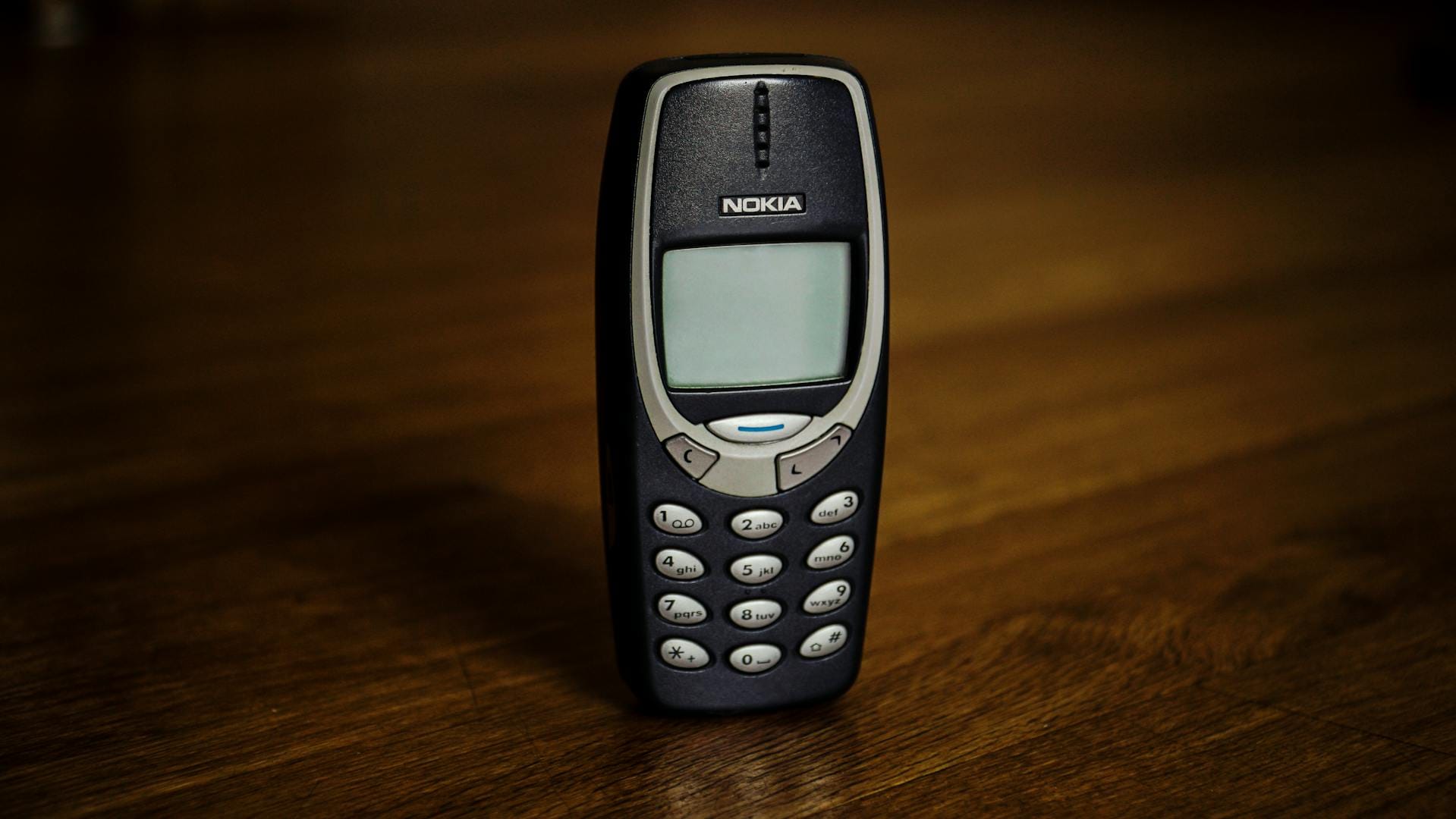
The Nokia comeback story starts in your kitchen drawer. Somewhere under the takeaway menus and old batteries, there’s probably still one of those phones. The screen lights up if you charge it. The plastic casing has that specific texture you can feel in your memory before you even touch it.
Maybe it’s a 3310. Maybe it’s something from a few years later. Either way, it works, because that was the point. You could drop it down stairs, fish it out of a bag of rice, and it would boot up with that two-note chime like nothing happened.
That phone came from a company that doesn’t make phones anymore. Not really. The Nokia comeback story isn’t about bringing back Snake or reissuing the indestructible brick with Bluetooth. It’s stranger than that, and it happened in the kind of silence that makes headlines uncomfortable.
By 2025, NVIDIA’s CEO Jensen Huang announced a $1 billion investment into Nokia. Not phones. Infrastructure. The actual cell towers and network equipment that make every smartphone work, now reimagined as the backbone of AI processing.
The company that taught a generation what mobile phones were had become the thing nobody notices. Towers. Cables. Routing systems humming in server rooms. Survival looked nothing like a comeback. It looked like disappearing entirely.
And maybe that was the only way it could have worked.
The weight of being loved
Before the iPhone redefined what phones could be, Nokia was definitional. By 2007, it controlled nearly 40% of the global mobile market—more than Apple, Samsung, and Motorola combined. The 3310 alone sold 126 million units. It had a monochrome screen, a game called Snake, and a reputation for outlasting everything except the contract that came with it.
But success at that scale creates a specific kind of inertia. Hardware became the focus. Global distribution. Supply chains. Manufacturing at volumes that required entire factories dedicated to a single product line. Software, ecosystems, and user experience became secondary. Not ignored, exactly, but treated as features rather than foundations.
When the iPhone launched in 2007, Nokia’s initial response was rooted in hardware logic. The device was fragile. Expensive. Impractical for mass markets.
From a durability standpoint, that assessment wasn’t wrong. But it missed the structural shift underneath: phones were becoming platforms, and platforms lived or died on software, developer ecosystems, and interface design.
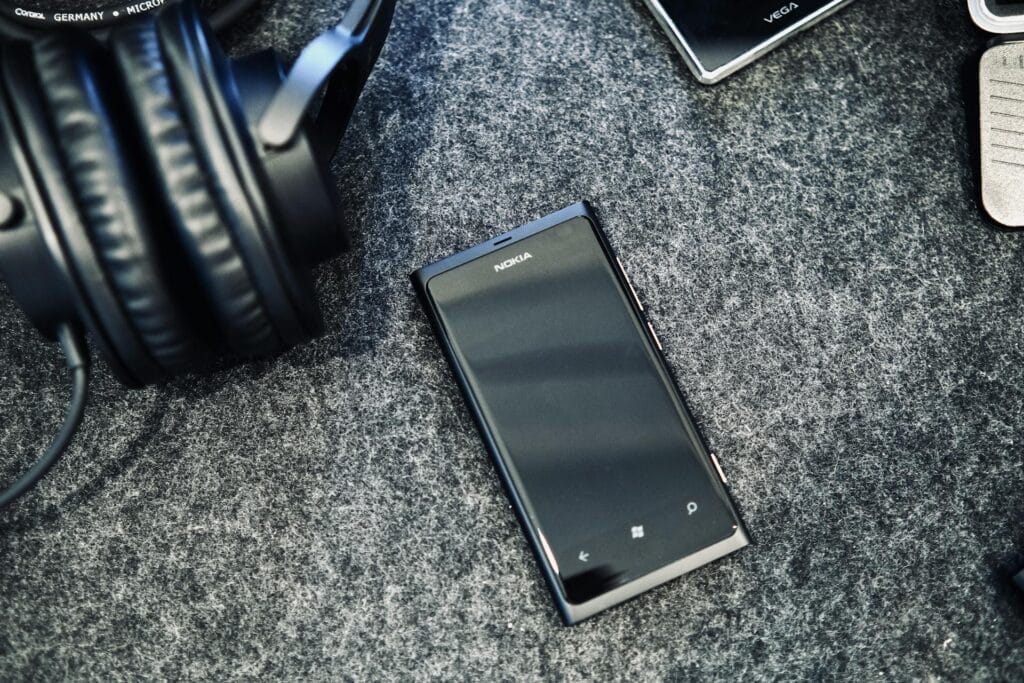
Nokia’s answer, the N97, launched in 2009 with buggy software and an app store that felt like an afterthought next to Apple’s. By 2011, newly appointed CEO Stephen Elop sent the “burning platform” memo, abandoning Symbian for Microsoft’s Windows Phone. Market share collapsed from 33% to under 3% in four years.
What’s worth sitting with here is not just that Nokia failed, but why the alternative felt impossible at the time. Rebuilding an operating system from scratch would have taken years. Partnering with Android might have worked, but it would have meant becoming one manufacturer among many, competing on price and margins.
Windows Phone offered differentiation and Microsoft’s support, which looked like leverage.
It wasn’t. But the decision made sense within the constraints Nokia faced. And those constraints legacy contracts, shareholder expectations, the sheer organizational weight of a company that size don’t disappear just because the market shifted.
The question that doesn’t get asked enough: could Nokia have survived as a phone company at all, or was the failure necessary to make space for what came next?
What stays when the spotlight leaves
In 2013, chairman Risto Siilasmaa sold Nokia’s phone division to Microsoft for $7.2 billion. It felt like a funeral. The brand that made mobile phones mainstream was exiting the business that defined it.
But Siilasmaa took that capital and bought out Siemens, Nokia’s partner in telecommunications infrastructure. Two years later, Nokia spent €15.6 billion acquiring Alcatel-Lucent, a French-American telecom giant that owned Bell Labs.
This is where the Nokia comeback story stops being a story about redemption and starts being something harder to narrate. Infrastructure doesn’t generate headlines. There are no unboxing videos for radio access networks. No one takes Instagram photos of cell towers processing data in real time.
What Nokia was betting on was this: while consumer attention focused on devices, the networks those devices relied on were growing more critical, more complex, and more expensive to build.
Someone had to make the towers, the switches, the routing protocols. And if you could do that at scale, with research backing from Bell Labs, you didn’t need to be loved. You needed to be necessary.
This phase lasted years. Revenues stabilized. Contracts were signed with carriers that most consumers had never heard of. The company learned to operate without applause, which is a specific kind of survival skill.
You stop measuring success by how often people talk about you and start measuring it by whether the systems you built still work when no one’s looking.
There’s something almost monastic about that shift. Nokia had been famous. It had been definitional. And then it chose or was forced to choose a future where visibility was irrelevant.
The AI pivot in 2025, when NVIDIA invested $1 billion to integrate AI computing into Nokia’s cell towers, didn’t emerge from nowhere.
It emerged from more than a decade of building infrastructure that could handle the kind of localized, distributed processing AI workloads require. Towers that don’t just transmit data but compute it. Networks that respond in milliseconds, not seconds.
Jensen Huang called it AI-RAN. The concept is straightforward: instead of sending every request to a distant data center, process some of it locally, at the tower level.
Lower latency. Less energy. Faster response times for autonomous vehicles, industrial robots, anything that can’t afford delay.
For Nokia, it validated a strategy that had looked like retreat for years.
The discomfort that remains
There’s a version of this story where Nokia’s survival is presented as proof that smart pivots and patient capital win in the end. That if you make the hard choices and wait long enough, the market rewards clarity of vision.
That’s not quite right.
Nokia survived, yes. But the survival required losing almost everything first. The phone business. The brand recognition. The consumer relationships. The cultural presence.
Would the company have been able to make those infrastructure bets if it hadn’t failed so publicly? If it had remained profitable in phones, would the appetite for a €15.6 billion acquisition during a crisis have existed at all?
Failure might not have been incidental. It might have been structurally necessary.
And if that’s true, then the Nokia comeback story isn’t about resilience or vision. It’s about what happens when all the attractive options disappear and only the unthinkable ones remain. Survival that looks like surrender. Strategy that looks like elimination.
The phone in your drawer still works. The towers above your head work too, processing requests you’ll never see, for systems you’ll never think about. One is nostalgic. The other is just infrastructure.
Which one mattered more depends entirely on what you think survival is supposed to look like.
Nokia's comeback relies on infrastructure, not phones.
Failure was necessary for Nokia's strategic pivot.
Consumer attention shifted from devices to networks.
Nokia's survival involved operating without public applause.
AI integration validates Nokia's long-term infrastructure strategy.
Glossary
Infrastructure
In this article, infrastructure refers to the essential systems like towers and networks that support mobile technology, which Nokia shifted its focus to after exiting the phone market.
AI-RAN
AI-RAN is a concept where data processing occurs at the cell tower level, enhancing efficiency and speed, representing Nokia's strategic innovation in telecommunications.
Burning platform memo
This memo signified Nokia's drastic shift in strategy, abandoning its existing operating system in favor of Windows Phone, which ultimately led to significant market share loss.
Consumer relationships
The article discusses how Nokia's survival required sacrificing its strong consumer relationships, emphasizing the shift from consumer-focused branding to essential infrastructure.
Cultural presence
Nokia's cultural presence refers to its historical significance in the mobile market, which diminished as the company transitioned to an infrastructure-focused business model.
FAQ
What led to Nokia's decline in the smartphone market?
Nokia's focus on hardware over software led to its decline. The N97's buggy software and lack of a robust app store compared to Apple's offerings contributed significantly to market share loss.
How did Nokia pivot after selling its phone division?
After selling its phone division to Microsoft, Nokia invested in telecommunications infrastructure. This included acquiring Siemens and Alcatel-Lucent, enabling Nokia to focus on critical network systems.
What is AI-RAN and why is it important for Nokia?
AI-RAN allows local processing of data at cell towers, reducing latency and energy use. This innovation emerged from Nokia's decade-long investment in infrastructure, validating their strategic pivot.
Did Nokia's failure impact its future decisions?
Yes, Nokia's public failure allowed it to make bold infrastructure bets. The necessity of survival forced the company to consider options that would have been unthinkable if it remained profitable.
How does Nokia's story challenge traditional views of success?
Nokia's survival story suggests that success isn't always about resilience or vision. Sometimes, it requires embracing failure and making hard choices when attractive options disappear.
Editorial Note
This piece is part of The Present Minds, essays on psychology, identity, and modern life.








Leave a Reply