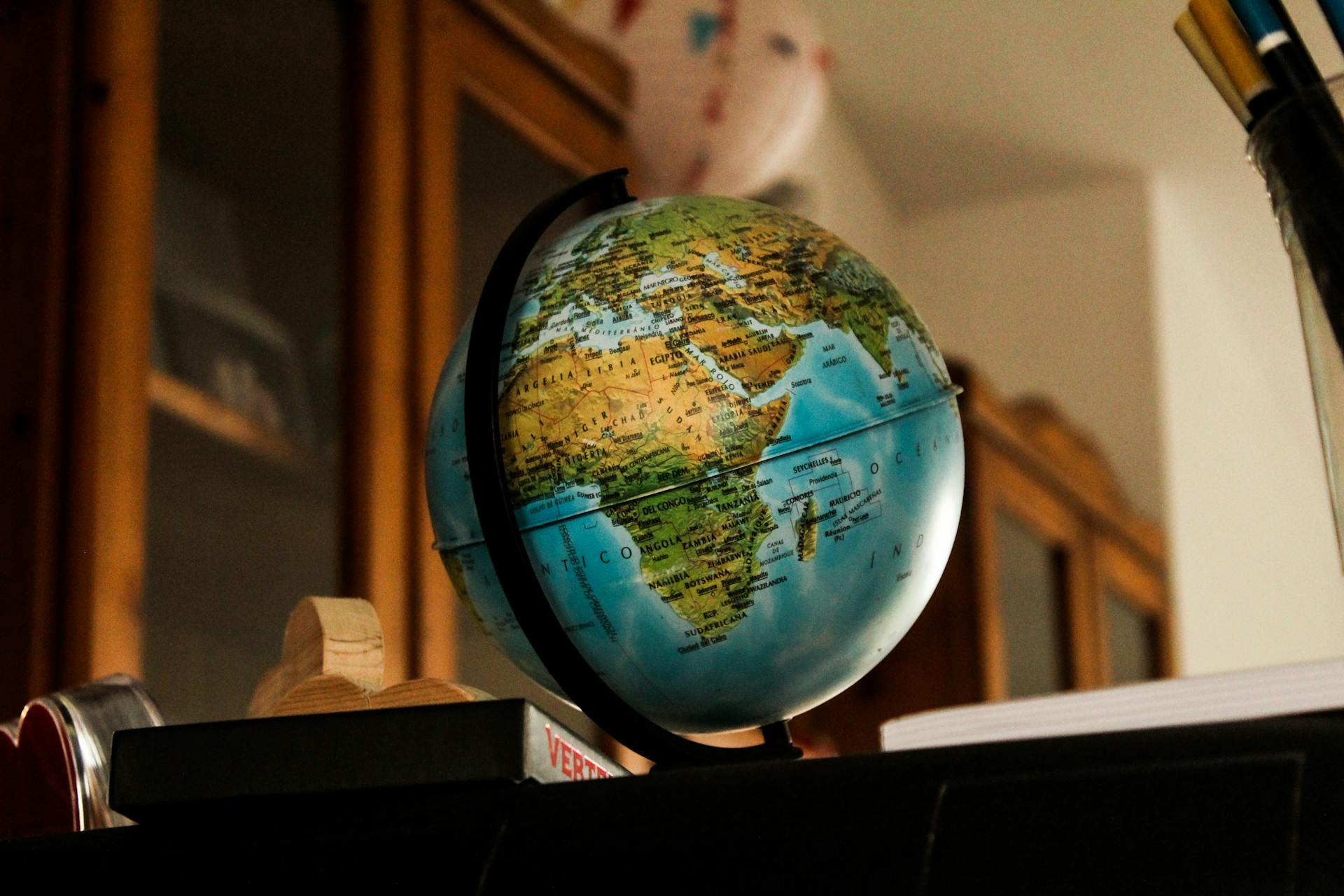
Good news stories in 2026 are harder to find than they should be. Not because good things are not happening but because the human brain is wired to pay more attention to threats than progress.
Slow, steady improvement does not trigger the same alarm response as crisis.
The news cycle has a negativity problem. Not because journalists are cynical but because the human brain is wired to pay more attention to threats than progress. Slow, steady, structural improvement does not trigger the same alarm response as crisis.
Which means most of the genuinely good things happening in the world right now are not making your feed.
Here are some that deserve your attention. All of them are real, all of them are recent, and all of them happened in the last few weeks.
The Planet Is Actually Winning Some of These
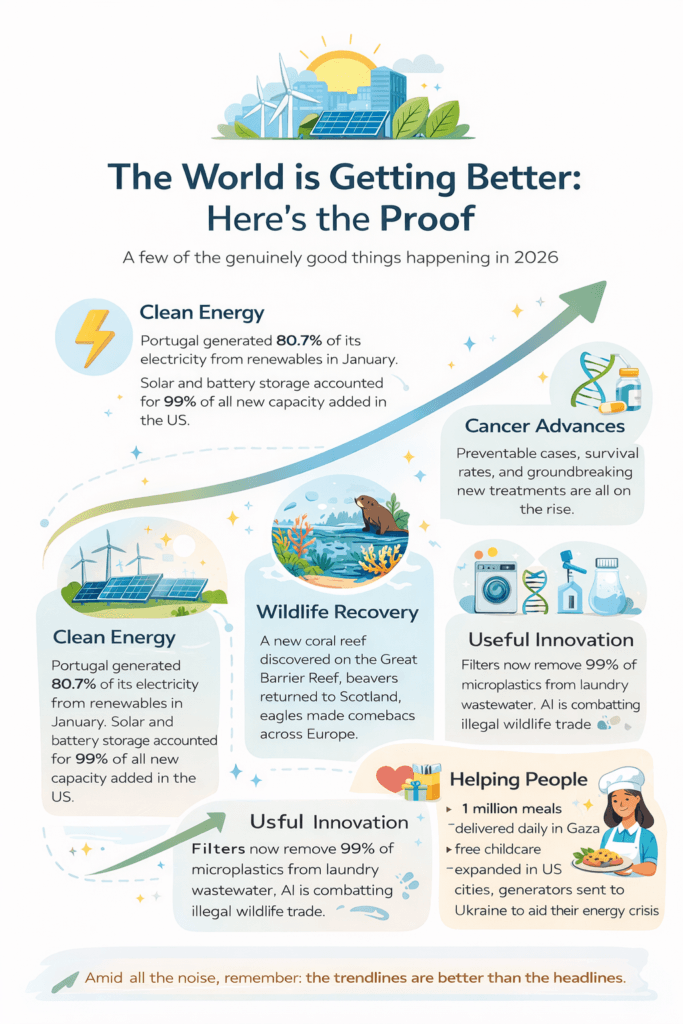
Portugal generated 80.7 percent of its electricity from renewable sources in January 2026. That is the best figure in nine months and second highest in Europe. Norway leads at 96.3 percent.
Across the US, solar and battery storage dominated new energy capacity in 2025. Utility-scale renewables and battery storage are projected to grow by 69,579 megawatts in 2026, making up 99.2 percent of all new capacity added this year. Natural gas added just 3,960 megawatts. Coal is shrinking.
China’s clean energy sector, electric vehicles, solar, batteries, now drives more than a third of the country’s entire economic growth and accounts for 90 percent of its investment growth. If China’s clean tech sector were its own country, it would be the eighth largest economy in the world.
Africa had a record year for solar in 2025. Installations grew by 54 percent, the sharpest acceleration ever recorded on the continent. More than half came from large-scale installations, but households and small businesses are driving adoption too.
The world has now gone eight years, four months and eleven days without a nuclear weapons test. Every day that continues is a statistic worth noticing.

Cancer Is Losing
Scientists are describing this moment as a golden age of cancer interventions.
A third of all cancer cases globally are now considered preventable, according to a major WHO-linked study. The survival rate for cancer in England and Wales has doubled since 1973. A similar trend holds in the United States.
New gene therapies and drugs are treating cancers that were previously considered untreatable. The pace of progress in oncology over the last decade has been faster than any comparable period in medical history.

The Ocean Found Something Extraordinary
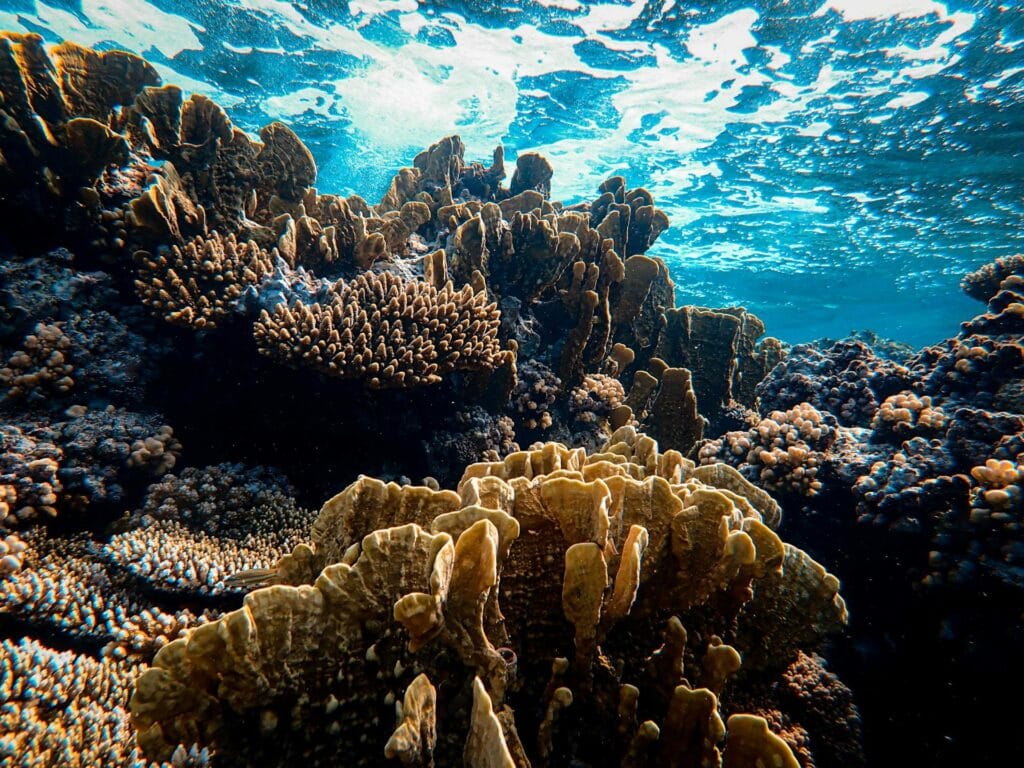
A mother and daughter on a routine dive at Australia’s Great Barrier Reef discovered a massive coral colony that stretches as far as the eye can see.
At a time when coral bleaching has dominated the climate conversation, this is the kind of discovery that reframes what is still possible. Coral ecosystems are fragile and under pressure. They are also, in places, quietly recovering.
Separately, research from the Smithsonian Tropical Research Institute found that rebuilding coral fish stocks to sustainable levels is still feasible in many areas, potentially within six years.
Coral reefs, the study found, could become a significant part of addressing global malnutrition.
Wildlife Making Quiet Comebacks
Beavers returned to Scotland’s Glen Affric National Nature Reserve this week, a homecoming for a species that disappeared from the region entirely.
In Serbia, the eastern imperial eagle had a single breeding pair left in 2017. This week researchers reported the population is growing again in measurable numbers.
These are small stories. They are also evidence that species can come back when given the conditions to do so.
Technology Doing Something Actually Useful
Scientists at Cambridge have developed a method of storing data in glass. Using lasers to encode information into silica glass, the team stored 4.84 terabytes of data in a piece of glass roughly the size of a small book.
Silica glass can theoretically last thousands of years, making it one of the most durable data storage materials ever developed.
A research team in Germany created a filter inspired by a fish’s mouth that removes 99 percent of microplastics from laundry wastewater. They have filed a patent. The long-term goal is to make the filter standard in domestic washing machines.
AI is being used to combat wildlife trafficking, one of the most lucrative illegal industries on the planet, valued between 7 and 23 billion dollars annually. Systems trained to detect illegal trade patterns are identifying transactions that human investigators would miss.
People Helping People
World Central Kitchen is now serving one million meals a day in Gaza. The milestone was reached through six field kitchens, three mobile bakeries, and a network of over sixty community kitchens operating in some of the most difficult conditions on earth.
San Francisco announced free childcare for families earning under 230,000 dollars a year, with a 50 percent subsidy for families earning up to 310,000. It joins New York City, which recently extended free childcare to all two-year-olds, and New Mexico, which became the first US state to provide free childcare for every child regardless of income.
The UK government proposed a new law this week requiring tech platforms to remove intimate images shared without consent within 48 hours of being flagged. Under current law, survivors have to contact each platform separately every time an image reappears. The new law requires a single report. The amendment is currently moving through the House of Lords.
Pope Leo sent 80 electric generators and thousands of medical supplies to Ukraine in response to appeals from bishops warning of energy infrastructure collapse and subzero temperatures across the country.
A Study on Psychedelics and Depression
Approximately 100 million people worldwide have treatment-resistant depression. That means standard antidepressants do not work for them.
A new clinical trial found that psilocybin, the active compound in psychedelic mushrooms, produces significant improvement in treatment-resistant depression. The lead researcher described the drug’s effect as redistributing snow on a mountain, flattening entrenched thought patterns and making new cognitive pathways easier to form.
The drug is not yet approved by UK regulators but the trial results are among the strongest data the field has produced.
Why This Matters
The moral fatigue article in this series describes what happens when a person is overexposed to crisis without resolution: they go numb. They stop believing action is possible. They disengage.
Good news stories coverage is not the opposite of serious journalism. It is the correction for a feed that systematically overweights catastrophe and underweights the slower, harder, less dramatic work of things actually getting better.
The climate is still warming. Cancer still kills millions. Wildlife is still under threat. Gaza is still in crisis.
And coral is growing quietly on the Great Barrier Reef. And beavers are back in Scotland. And a filter made like a fish’s mouth is catching microplastics before they reach the sea.
Both things are true. The news cycle tends to tell you only one of them.
Read next: Moral Fatigue: Why Good People Stop Caring Online
Deep questions to ask someone to know them better (that actually work)
What is dharma? what the mahabharata knew about losing everything



 Psychology · Sep 22, 2026Chimpanzees Have Accents. They Grow into Them.
 The Margin · Sep 17, 2026People Are Seeing Ads in Their Dreams.
 Slow Meridian · Sep 16, 2026Autumn Leaves