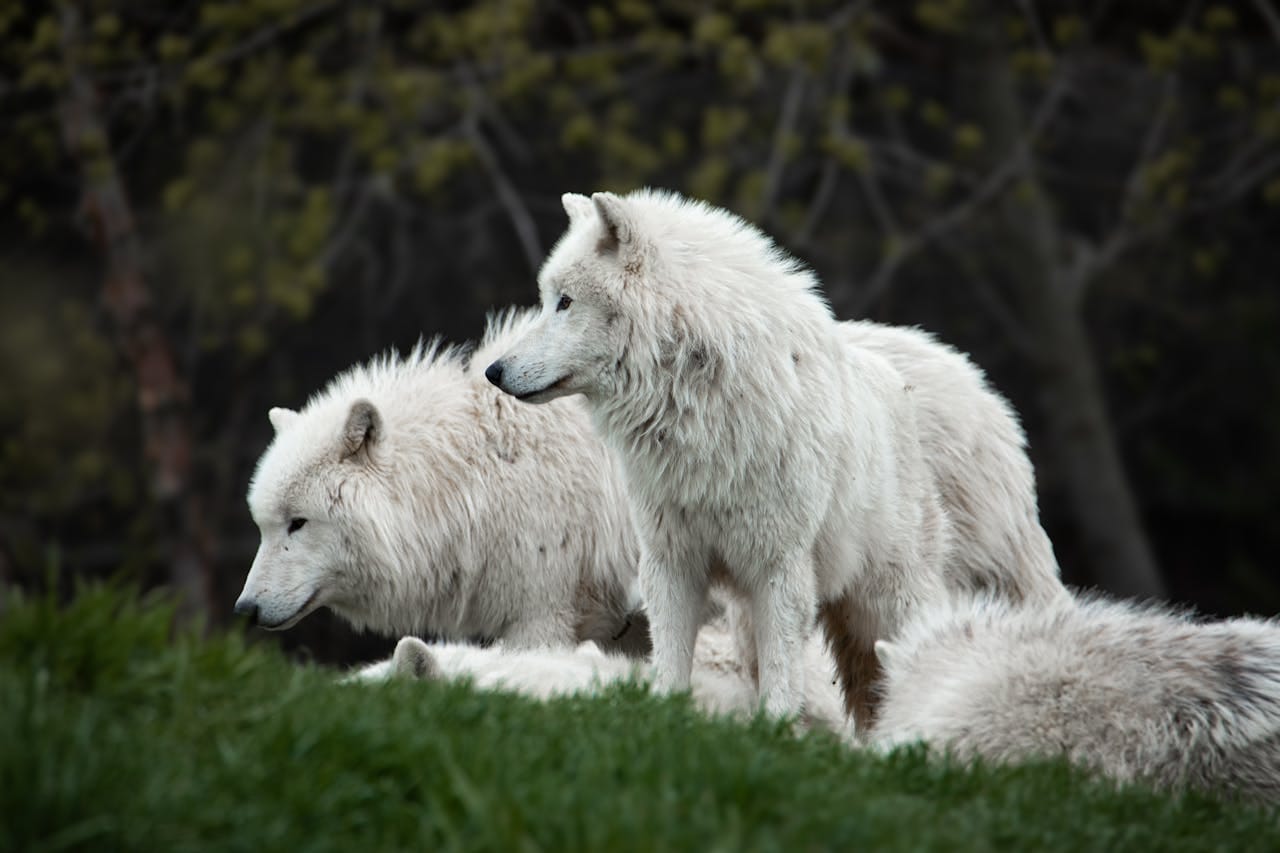
Did wolves change Yellowstone rivers? You have probably seen the video.
Forty million views. Narrated by the British environmental writer George Monbiot. Wolves return to Yellowstone in 1995. Elk, fearing predation, stop grazing the riverbanks. Vegetation recovers. Beavers return.
The beavers build dams. The dams slow the rivers. The rivers change course. A single management decision cascades through an entire ecosystem and transforms the physical geography of a national park.
It is one of the most shared nature stories of the last decade. It is also, a peer-reviewed analysis published this February has now confirmed, not quite right.
The wolves did return. The elk did change their behaviour in some areas. Some willows did grow taller in some places. The ecosystem is genuinely different than it was before 1995. None of that is in dispute.
What is in dispute is the 1,500 percent figure. The rivers. The cascade. The story of almost miraculous ecological redemption that forty million people watched and shared and believed because it was beautiful and it felt true and everyone wanted it to be.
The Number That Was Always Itself
The 1,500 percent figure came from a study published in early 2025 by the ecologist William Ripple and his colleagues. It described a staggering increase in willow crown volume in the years following wolf reintroduction, and it was held up as proof that the wolves had triggered one of the strongest trophic cascades ever documented anywhere on earth.
In October 2025, a team of researchers from Utah State University and Colorado State University published a detailed critique of that study. The critique was formal, methodical, and thorough. Its central finding was startling.
The 1,500 percent increase was circular.
The researchers had used willow plant height to calculate crown volume. They had also used willow plant height to predict crown volume. The same number was used to compute the result and to verify it.
Because height was used both to compute and to predict volume, the relationship is circular, mathematically guaranteed to look strong even if nothing had actually changed.
Put simply: the calculation was designed, however unintentionally, to produce a large number. The 1,500 percent figure was not a measurement of what had happened to the willows. It was an artefact of how the measurement was made.
Once these problems are accounted for, there is no evidence that predator recovery caused a large or system-wide increase in willow growth.
The data instead support a more modest and spatially variable response influenced by hydrology, browsing, and local site conditions.
What Else the Critique Found
The circular volume model was not the only problem.
The willow plots from 2001 and 2020 were often located in different places, blurring the distinction between genuine ecological change and simple sampling differences. You cannot measure how much something has grown if you are not measuring the same thing in both readings.
The global comparisons assumed that Yellowstone’s ecosystem was in equilibrium, a settled and stable state against which change could be meaningfully measured. Yellowstone is still recovering and far from a stable, balanced state.
Applying equilibrium-based metrics to a system that is still in flux produces results that look dramatic but mean something different from what they appear to mean.
The study also relied on selective photographs and omitted what turned out to be a significant driver of the changes it was attributing to wolves. The most important impact on elk population may actually be attributed to humans, not wolves.
Thousands of elk were harvested by hunters, and as a result, humans contributed greatly to the reduction in population.
The elk numbers fell. The willows recovered somewhat. The rivers were not measurably redirected. And the most significant factor in the elk decline was not a predator reintroduced in 1995.
It was hunters in Montana harvesting migrating animals in the years that followed.
Why the Story Spread
It is a really romantic story. That is what Utah State University ecologist Dan McNulty said when asked about the trophic cascade narrative. He did not say it dismissively. He said it as an explanation.
The wolves-changed-the-rivers story is precisely the kind of story humans are built to love. It has a clear villain, the absence of wolves.
A clear intervention, their return. A clear mechanism, the cascade from predator to prey to plant to river. And a clear moral, that nature, given the chance, will heal itself.
It also has the particular appeal of making humans feel that the right action, a single bold conservation decision, can undo the damage of previous actions. That rewilding works cleanly and completely. That the world snaps back into order if we just stop interfering.
The forty million people who shared the video were not credulous or foolish. They were responding to a story that fit a deep human template for how change happens: decisively, causally, with a legible hero.
The actual ecology of Yellowstone is messier than that. It is incredibly complex, and the trophic cascade idea is a cartoon of that.
What Is Actually True
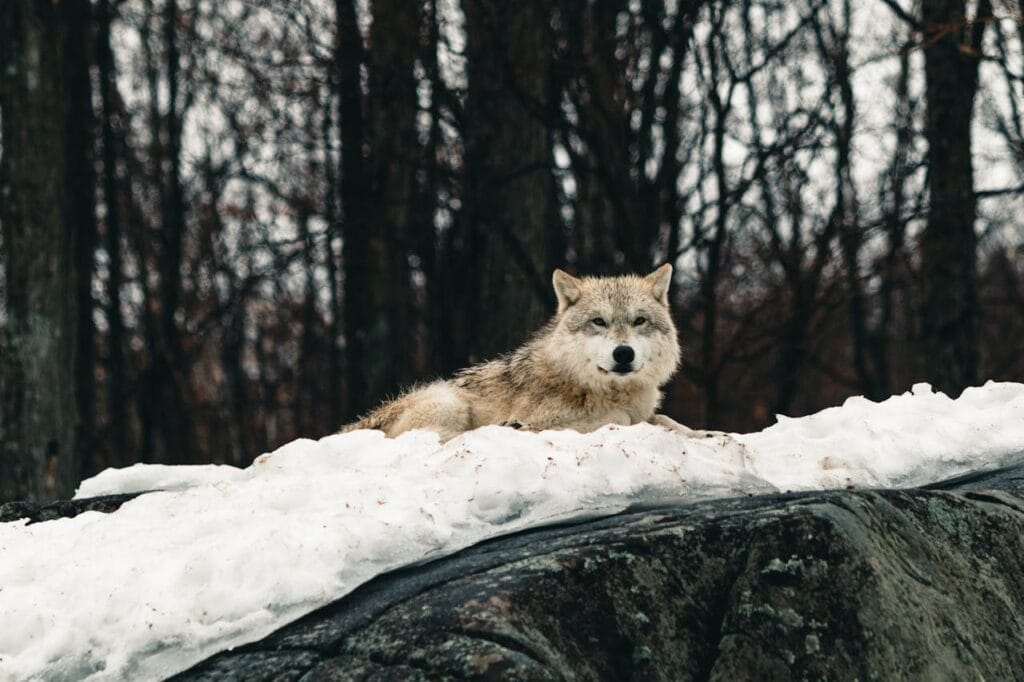
The wolves did matter. This is important to say clearly, because the debunking of the 1,500 percent figure is not the same as saying wolf reintroduction had no effect.
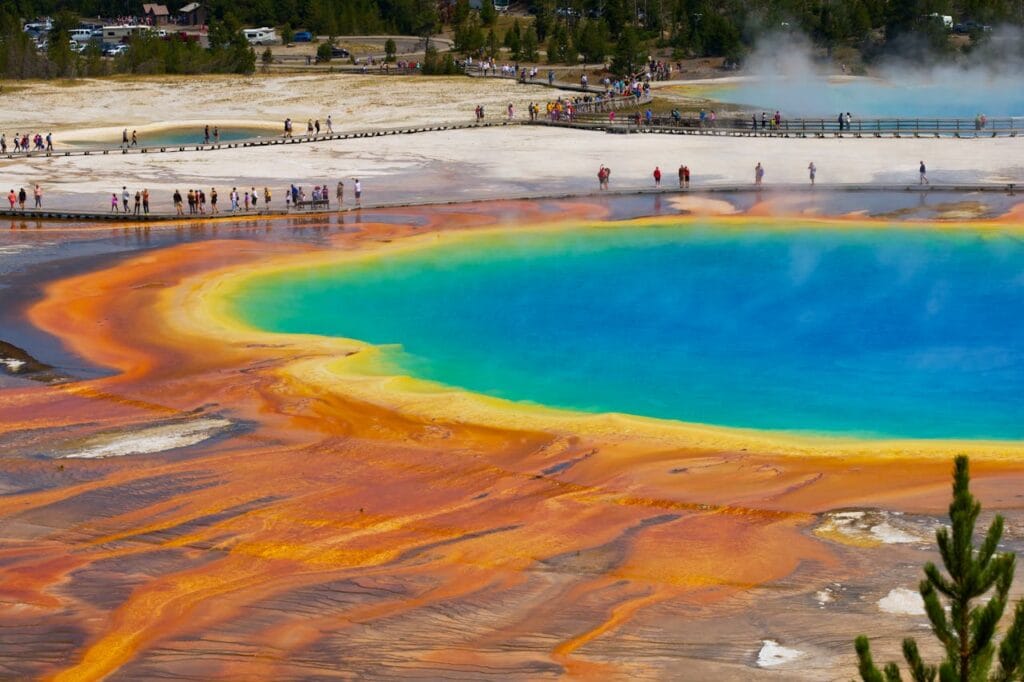
Yellowstone National Park looks different than it did 30 years ago. That much everyone can agree upon. Before wolves were reintroduced, around 80 percent of elk in the Northern Range wintered inside the park.
Now, 80 percent winter outside the park. That is a real and significant change. Some willows in some locations have grown taller.
Some bird species that depend on willows have returned to certain areas. Beavers have come back in places.
What the evidence does not support is the clean, complete, park-wide transformation the viral video describes. The reality is patchy. Some sites show strong recovery. Others show almost none.
The variation depends on water availability, soil conditions, local elk pressure, and factors that have nothing to do with whether wolves are present.
The restoration of apex predators to Yellowstone should no longer be held up as evidence of a trophic cascade in riparian plant communities of small streams on the northern range.
What This Means Beyond Yellowstone
The Yellowstone story became the most powerful argument in the global rewilding movement. It was cited in conservation debates, policy documents, and funding applications on every continent.
The message it carried, that restoring a single apex predator can trigger cascading benefits across an entire landscape, is the intellectual foundation for dozens of reintroduction programmes worldwide.
That message is not entirely wrong. Predators do have cascading effects on ecosystems. The principle of the trophic cascade is real and documented in multiple contexts.
What the Yellowstone case illustrates is that the strength of that effect varies enormously depending on local conditions, and that the evidence for dramatic claims requires scrutiny even when, especially when, the story those claims are embedded in is one we very much want to be true.
When one of ecology’s most celebrated success stories turns out to rest on shakier ground than advertised, it is a reminder that science is not a collection of myths but a process of constant testing and revision.
The wolves are still in Yellowstone. The elk have genuinely changed their patterns. The ecosystem is genuinely different. The science is genuinely ongoing.
The rivers, it seems, changed themselves. They mostly do.
Read next: Are Fireflies Disappearing? What the Science Actually Says · The Polycrisis: What Happens to the Human Mind When Everything Goes Wrong at Once

 Psychology · Oct 9, 2026The Problem With Always Being Nice
 Psychology · Oct 7, 2026Some People Aren’t Bad at Texting. They Just Don’t Want to Talk to You.
 Psychology · Oct 5, 2026Can You Actually Smell Fear?