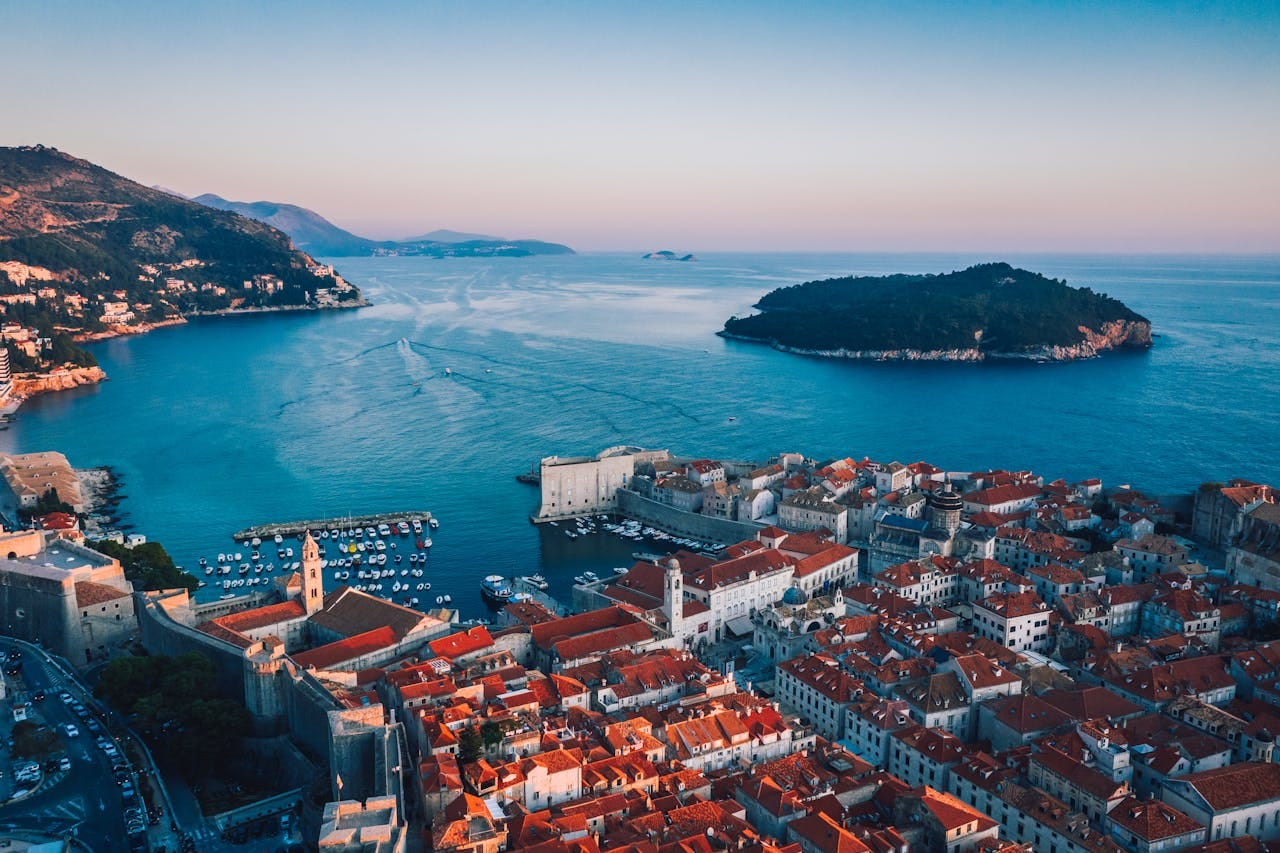
What I learnt from a Teenager with a boat in Montenegro is something that might come as a huge shock to a lot of people. It is all true, lived experience though, and should not be taken as a fictional story, fabricated to tarnish the reputation of a race, country or religion.
Last summer in Montenegro, a few friends and I decided to visit the Blue Cave. June sun, bright water, that easy coastal confidence that makes everything feel already approved.
The kind of day that starts making memories for you before anything has even happened.
We found a small boat and a skipper who looked far younger than the role required, but also exactly the age that still believes confidence can stand in for experience. He offered us a deal straight away.
Two hundred euros for the trip there and back. Two and a half hours. Blue Cave, some surrounding spots, enough time to swim, take pictures, come back happy.
It sounded fair. It looked fair. Nothing in the scene asked us to be suspicious.
Then, once we had already left the shore, he told us he was sixteen.
That did something immediate to the mood on the boat. Not enough to stop the trip, because by then we were already moving across the water with no dignified way of reversing the decision.
But enough to make all of us silently re-evaluate the man we had mistaken for a man.
He offered everyone a beer. We all refused.
He kept talking anyway.
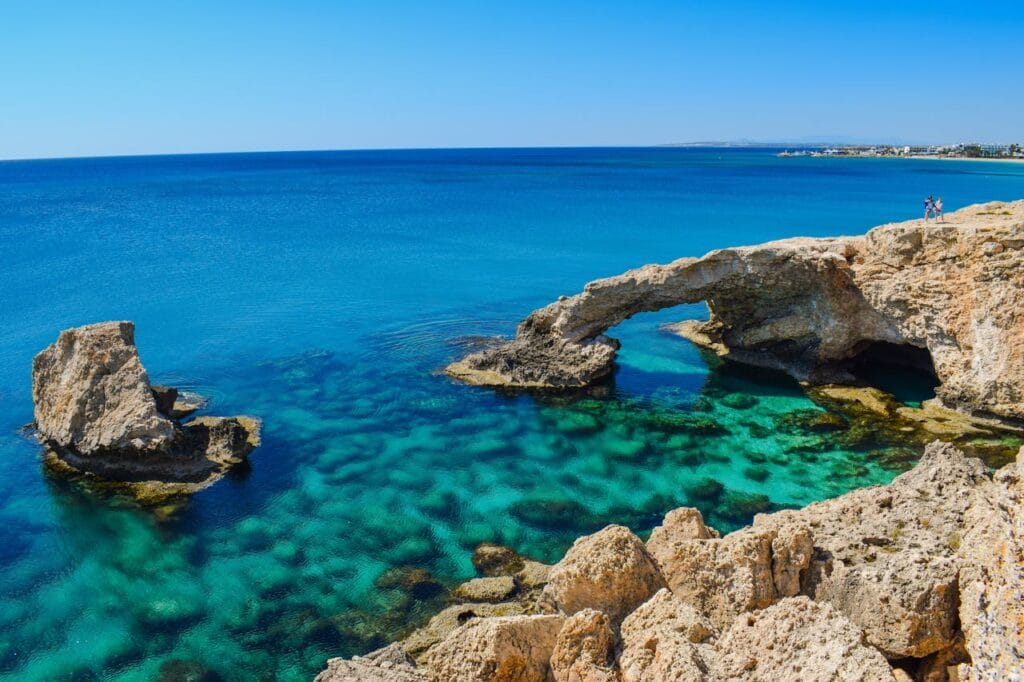
About the sea. About the coastline. About tourist spots. About the mountains. About how much the boat had cost. About how much his hat had cost. His shoes. His new iPhone.
It was the kind of conversation that hovers somewhere between showing off and self-introduction, the language of someone still building himself in public and hoping the right objects will do some of the work for him.
At that point, he was still just a teenager with a boat and too much ease.
That version of him would not last.
The Water Stayed Blue
We reached the Blue Cave in around twenty-five minutes.
The ride out had been smooth, but the weather had started to shift. Nothing catastrophic. Just enough movement in the sea to remind us that calm is always conditional. The waves got higher.
The boat became less graceful. Still manageable, but no longer leisurely. The water inside the cave was stunning and freezing, the kind of cold that makes you respect beauty from a slight distance.
And then, almost as soon as we arrived, something changed.
He opened a beer.
Not one of ours. His.
The same beer he had offered us earlier, now cracked open by the person responsible for getting us back to shore.
Then, with the casualness of someone doing something so normal it did not deserve an audience, he turned away from us, unzipped himself, and urinated straight into the water.
Into the famous blue water people travel to admire.
Into the place we had paid to see.
Then he turned back and asked whether we wanted to dive in and stay there for twenty minutes.
Nobody on our boat knew how to answer that properly.
We did not say yes. We did not say no. We just entered that strange social paralysis people fall into when something is both absurd and unpleasant and you are trapped in a small space with the person who controls the situation.
We took a few pictures.
Then we asked him to start heading back.
Beautiful places do not make people better. They just make the contrast hurt more.
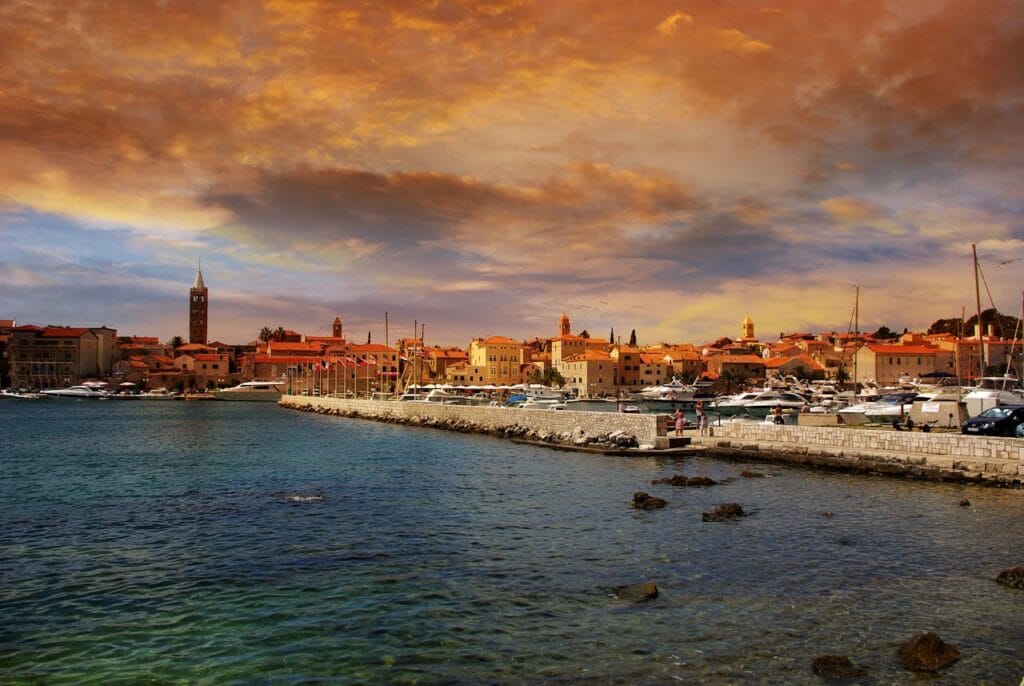
Confidence Before Character
On the way back, I sat in the front beside him and started recording the sea.
He seemed to recover his performance quickly. He began showing me old videos from rough-weather days, clips of waves, boats, speed, all the things boys and men often use to prove they are not just in danger but somehow above it.
Then he moved on to WhatsApp chats with friends. More showing off. More proof of life.
And then the tone shifted again.
He opened another group.
This one was full of photos of women at the Blue Cave. Women diving, swimming, climbing back onto boats. Some clearly aware of the camera.
Some not clearly aware at all. Enough images, enough chat, enough reactions to make one thing obvious very quickly: this was not a private memory or an isolated picture. It was a habit. A circulation.
A small economy of access and exposure among boat skippers who had decided that the people passing through their care were also material.
Our group had girls on the boat.
They had chosen not to swim.
I remember thinking, with a kind of delayed horror, how close they had come to becoming content in somebody else’s group chat.
That was the worst part. Not just what I was seeing, but how unashamed he was to show it. No hesitation. No embarrassment.
No instinct that this might reveal something ugly. Just the confidence of someone who had never been taught that other people are not scenery.
Charm is often just confidence before character is tested.
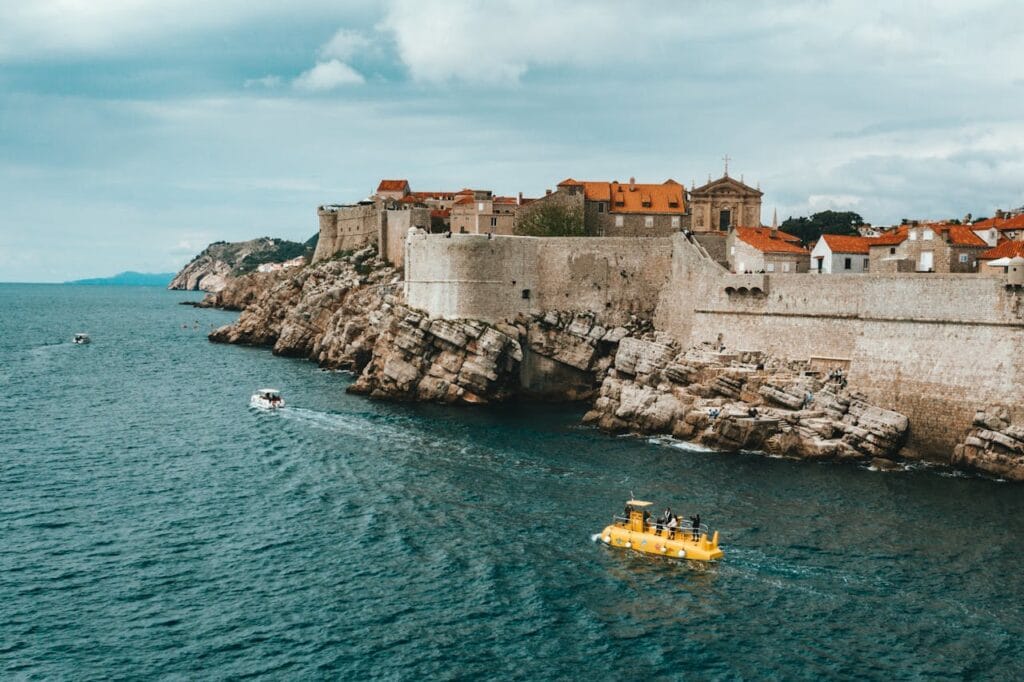
The Short Way Back
At some point during all of this, I was holding one of his laminated maps. A sleek little printed thing, complete with routes and prices and the effort of someone trying to turn chaos into business. It slipped from my hand and flew into the sea.
His face changed immediately.
For a second there was pain. Then anger. Then a harder kind of silence.
The joking stopped. The sharing stopped. The whole atmosphere on the boat tightened into something flat and functional.
We made one short stop near a small island, barely enough to call it part of the trip, and then continued back.
The promised two and a half hour ride ended in about one hour and fifteen minutes.
We paid the full two hundred euros.
Everyone got off with the polite holiday face people wear when they do not want to ruin the day for each other. He did not look cheerful. Neither did I.
And that was the thing I kept thinking about afterwards.
Not that he was young. Not even that he was reckless.
Youth explains a lot, but not everything. What stayed with me was the speed of the moral collapse.
How quickly a person can move from host to hazard. From guide to warning.
From charming to contaminated.
I thought the story would be about a beautiful cave.
It turned out to be about trust.
The most unsettling people are not always the obviously threatening ones.
Sometimes they are the ones who think your boundaries are too small to notice.
What I Learnt From is a column by Navneet Shukla on The Present Minds. Conversations, encounters, and the things ordinary moments quietly teach you.
Read the previous articles in the series: What I learnt from my kurdish barber in london
 Psychology · Oct 17, 2026A Monkey Bite Killed the King of Greece
 Psychology · Oct 15, 202615 Surprising Facts That Sound Completely Made Up
 The Margin · Oct 13, 202615 Geography Facts That Sound Completely Made Up