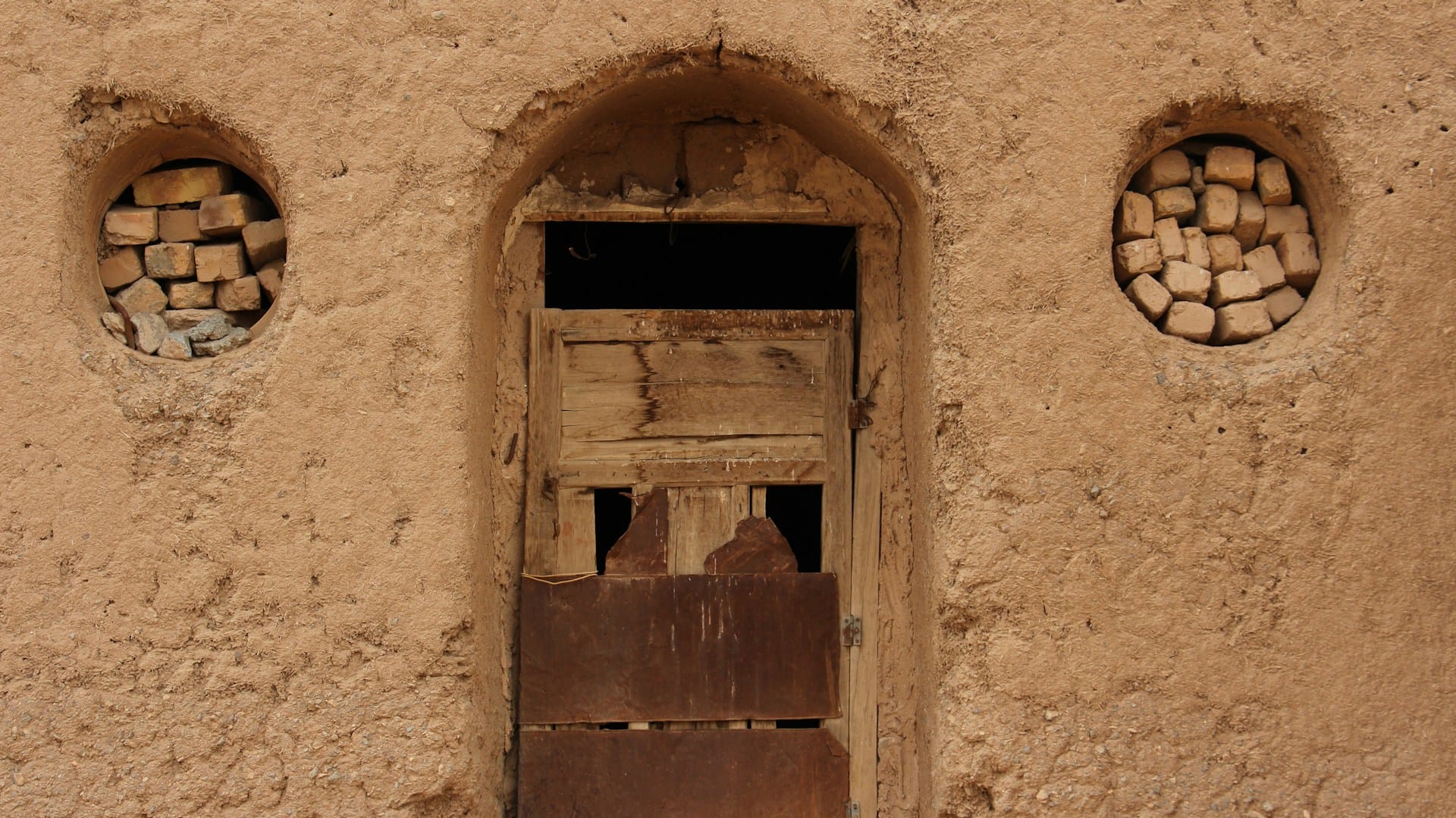
Kabuliwala by Rabindranath Tagore begins with a little girl who cannot stop talking.
Mini is five years old. She has been talking since she learned how. Her mother loses patience with the chatter. Her father never does. He finds her silence, when it occasionally arrives, unbearable.
This detail matters. Remember it.
Because the story is about to introduce a second man who finds the same thing unbearable. Who travels a thousand miles every year just to be in a city where a small girl might call out to him from a window and make the world briefly bearable.
The Man From Kabul
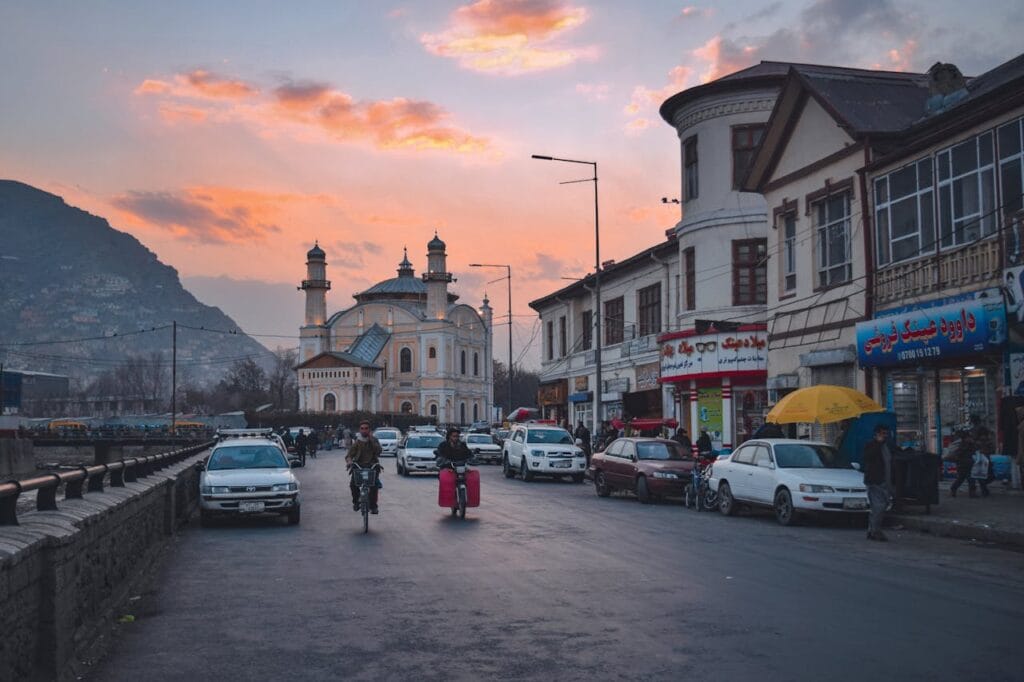
Rahamat is a Pashtun fruit seller from Kabul, Afghanistan.
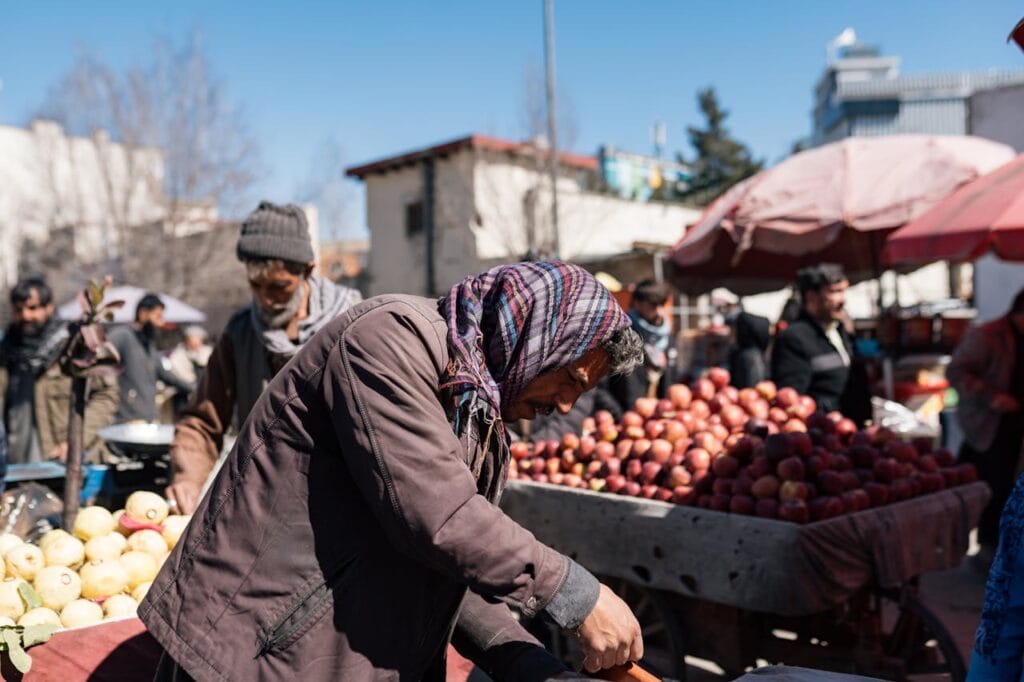
Every year he comes to Calcutta with a sack on his back and boxes of grapes in his hands, selling dried fruits and shawls door to door. He is large. He is turbaned. He speaks broken Bengali with an accent that makes children stare.
Mini sees him from the window one morning and shouts at him across the street. Then he turns to look and she runs, terrified, convinced his enormous sack contains stolen children.
This is how they begin. With a small girl fleeing from a large stranger.
Within a week they are sitting in the courtyard every morning, talking.
He brings her raisins and apricots. She asks him questions he cannot always answer in her language. Her father watches from a distance and notices something that surprises him. Mini has never had a listener so patient. Except for himself.
The father and the fruit seller recognise each other from across a courtyard and a class divide and a language barrier. They are the same man. Both of them made better by this small girl’s voice. Both of them undone by her silences.
Some friendships do not need a common language. They need a common love.

The Joke They Share
Mini and Rahamat have a private joke.
He asks her: when are you going to your father-in-law’s house? In Bengali culture, this is what you say to a little girl. A teasing reference to the future marriage that was assumed to await her. Mini does not understand it as a reference to marriage. She understands it as something vaguely threatening and runs inside.
Every visit, the same question. Every time, Mini runs. Rahamat laughs. Mini’s father watches and does not yet understand what the joke means to Rahamat. Not yet.
He will.
What He Carries
One day Rahamat shows Mini’s father a small piece of paper.
It is dirty. Folded many times. He opens it with enormous care, as if it contains something that could break.
Inside is a handprint. A small child’s handprint, made in soot or ink. His daughter’s. Left behind in Kabul when he came to Calcutta to work. He could not take her. He could not afford to stay. So he took her hand instead, pressed it to paper, and folded it away.
He has been carrying this piece of paper across thousands of miles for years.
He takes it out sometimes and holds it.
He crossed a thousand miles every year to be near a girl who made him remember the one he left behind.
Mini does not understand what she means to him. She is five. She knows him as the man who brings raisins and makes her mother nervous and tells her she is going to her father-in-law’s house. She does not know she is standing in for someone else. She does not need to know.
She is kind to him anyway. This is enough.
The Arrest
One morning there is a commotion outside.
A neighbour had bought a Rampuri shawl from Rahamat and denied the debt. Words were exchanged. Rahamat pulled a knife. The neighbour was stabbed, not fatally, but enough.
Mini comes running out of the house, shouting his name. Kabuliwala, O Kabuliwala.
In the middle of being arrested, surrounded by police, blood on the ground, Rahamat’s face lights up when he hears her voice.
Tagore gives this moment very few words. He does not need many. A man being taken away in handcuffs, face transformed by the sound of a small girl calling his name.
He is convicted. He goes to prison for eight years.
Mini’s mother had always been suspicious of him. She had warned her husband. She had been right about the knife, even if she was wrong about the kidnapping. She does not say she told him so. The story does not give her that moment. It just moves forward.
Eight years pass.
The Wedding Day
Mini is getting married.
The house is full of music and preparation. Flowers. New clothes. The organised chaos of a Bengali wedding morning. Mini’s father is in the middle of all of it when a man appears at the door.
He does not recognise him at first.
The sack is gone. The long hair is different. Something about the bulk of him has reduced. Then the man smiles and it is Rahamat. Released last evening. Come here first thing this morning.
He has brought almonds and raisins for Mini. He asks to see her.
The father hesitates. He tries to explain that today is complicated, there is a wedding. He tries to send him away gently.
Rahamat does not understand why he cannot see Mini. He has waited eight years.
And then he reaches into his pocket and takes out the piece of paper.
The handprint.
Still there. Still folded. Still carried.
Eight years in prison and the first thing he did when they opened the gate was walk toward the handprint.
The Girl He Does Not Recognise
Mini’s father calls her.
She comes out dressed as a bride. Red and gold. Jewellery at her throat. Her eyes lowered in the manner required of new brides, which is full of hesitation and gravity and the particular seriousness of a girl becoming a woman in a single morning.
She does not look like Mini.
She does not act like Mini. The chattering, running, raisin-eating Mini who used to sit in the courtyard and ask him impossible questions has been replaced by this formal stranger in wedding clothes who will not meet his eyes.
Rahamat stares at her.
He cannot find the girl he was looking for.
He asks, quietly, in the silence that has replaced the chattering: when are you going to your father-in-law’s house?
He asks it the way they always asked it. The private joke. The thing that used to make her run inside.
Mini does not laugh. She does not run. She looks away.
The joke has no one to receive it anymore.
And in that moment, Tagore writes, Rahamat understood something. That his own daughter in Kabul would also no longer be the girl with the handprint. She would be grown now. Changed. A stranger in her own way. The years he spent in prison were years she spent becoming someone he did not yet know.
He had lost Mini twice. Once to time, once to a wedding morning.
He had lost his own daughter to the same thing, from much further away.

What Mini’s Father Does
He is watching all of this.
He sees Rahamat looking at his daughter and not finding her. He sees the piece of paper still in his hand. He understands, suddenly and completely, what Rahamat has been carrying across all these years and all these miles.
He gives him money. Enough to go home. Enough to get back to Kabul and the daughter who has been growing up without him. He gives it from the wedding fund. His wife agrees without being asked twice.
Rahamat leaves.
He goes back toward a daughter who will not recognise him either. Who will be, in some irreversible way, someone he has to meet again for the first time.
Tagore ends the story there. Two fathers. One understood the other. One is going home.
What Tagore Knew
Kabuliwala by Rabindranath Tagore is a story about borders.
Not just the geographical ones, though those are there, the mountain passes between Kabul and Calcutta, the distance that makes a handprint necessary. The borders between people. Between classes. Between countries. Between what a mother fears and what a father knows. Between the child someone is and the adult they become while you are not watching.
Rahamat crosses every border except time. Time does not allow crossing. It only allows acceptance.
Tagore wrote this in 1892. Afghanistan and India were both under British influence. A Pashtun fruit seller and a Bengali writer’s family had no obvious reason to understand each other. The story insists they do anyway, through the oldest available channel. A father’s love for a daughter. The specific ache of a child growing away from you.
The distance between Kabul and Calcutta is nothing. The distance between a child at five and a bride at thirteen is everything.
Rahamat never kidnapped anyone. He was carrying a piece of paper with a handprint on it and looking for a girl who laughed at a joke only the two of them understood.
The joke ended. He kept carrying the paper.
That is the whole story. That is also the whole point.
Read next: The Postmaster by Tagore: The Story That Never Quite Leaves You · Are fireflies disappearing? what the science actually says



 Psychology · Oct 17, 2026A Monkey Bite Killed the King of Greece
 Psychology · Oct 15, 202615 Surprising Facts That Sound Completely Made Up
 The Margin · Oct 13, 202615 Geography Facts That Sound Completely Made Up