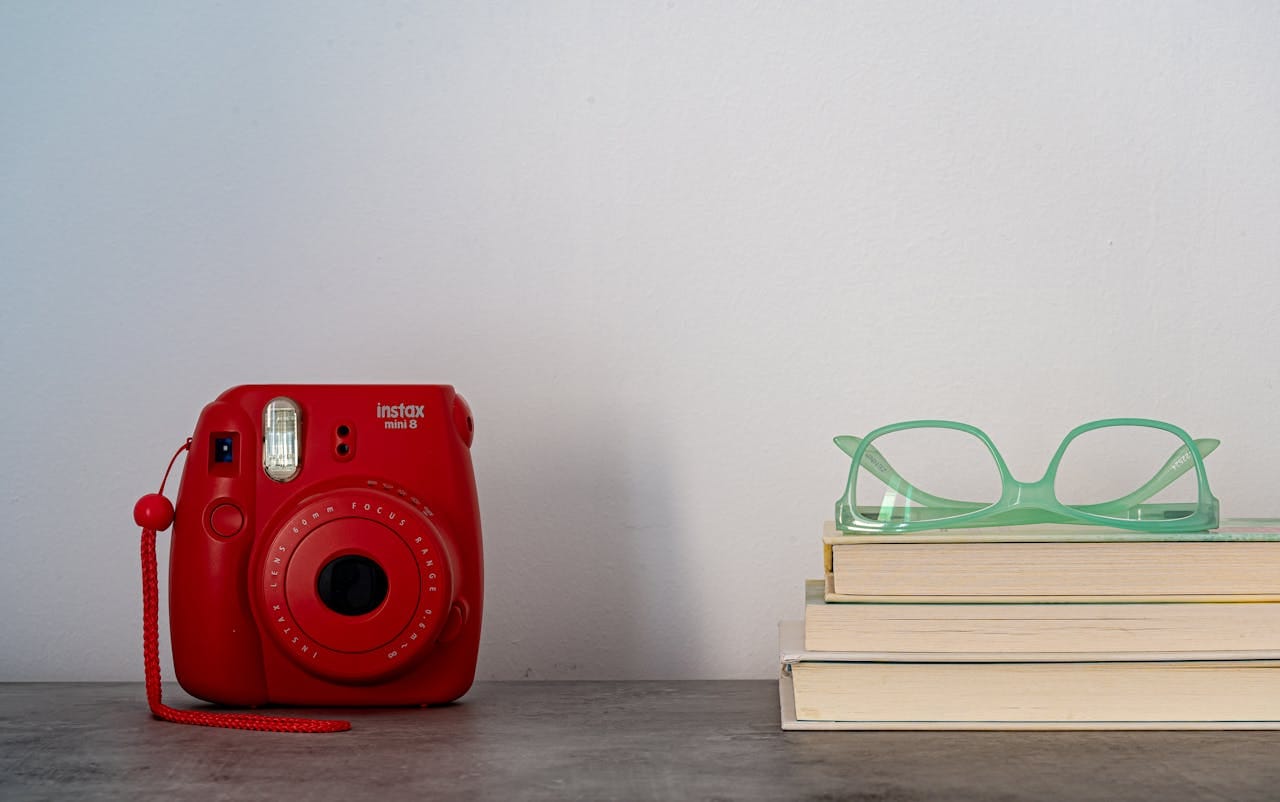
The Fujifilm Instax Mini does something in the first thirty seconds that almost nothing does anymore.
It makes you feel something before you have even used it.
The box opens cleanly. The camera sits there looking like it was designed by someone who genuinely cared about the details. Small, solid, slightly retro. The kind of object that makes you want to show people before you have taken a single photograph.
This Fujifilm Instax Mini review is not about that feeling. It is about what happens after it.
What You Are Actually Buying
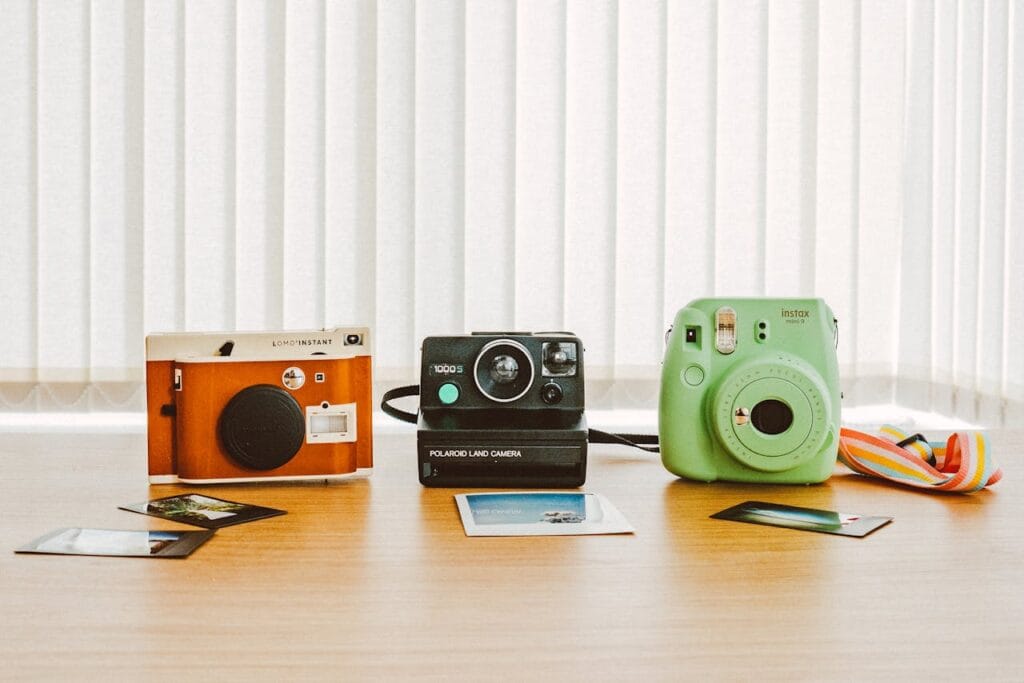
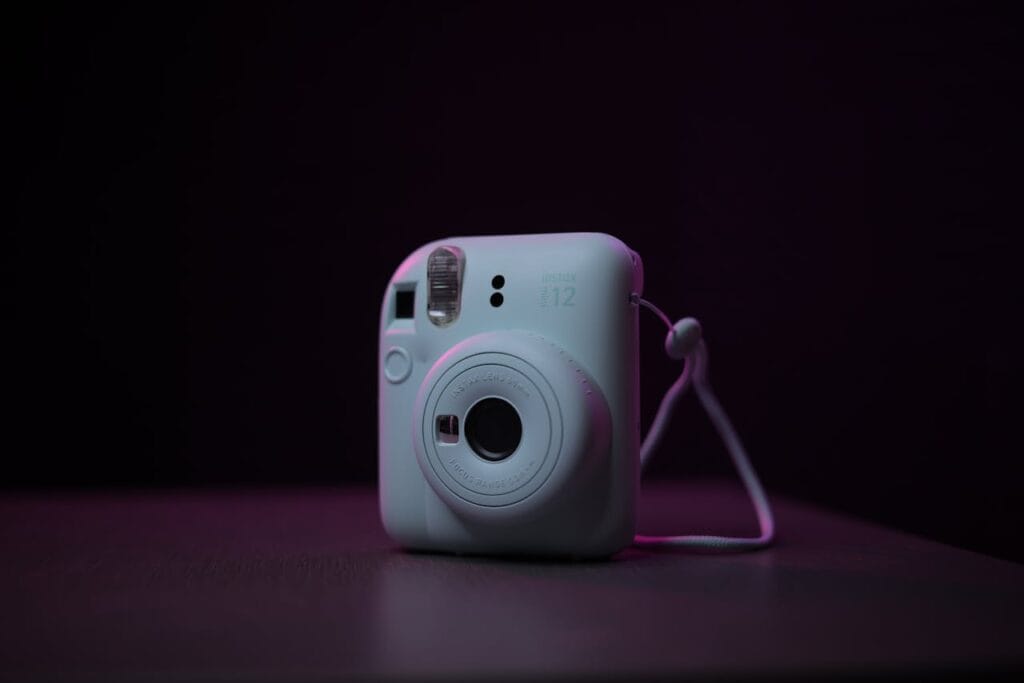
At around £100 with two cartridges bundled, the Instax Mini 41 sits in the middle of the range. My friends went for the Instax Mini 12 instead, the pastel versions that came with protective cases and extra batteries. Different look, same price bracket, same experience.
Both cameras are genuinely lovely objects. Lightweight but not flimsy. The lens extends with a satisfying click. The viewfinder feels considered. Even the strap has a quality to it that you do not expect at this price.
Loading the cartridge is straightforward. The mechanism is obvious. You figure it out in under a minute and feel briefly competent.
Then you take your first shot.
It comes out blank. This is normal apparently. The first frame is always a blank. A sacrifice to the camera gods, or more accurately, to the film’s light protection mechanism. Fine. Expected once you know. Slightly annoying that nobody tells you upfront.
You move on. You find good light. You find a willing subject. You ask them to smile. You take the shot.
The Instax Mini review that nobody writes is this one. The one where the photo comes out white.
The Instax Mini Experience Nobody Talks About
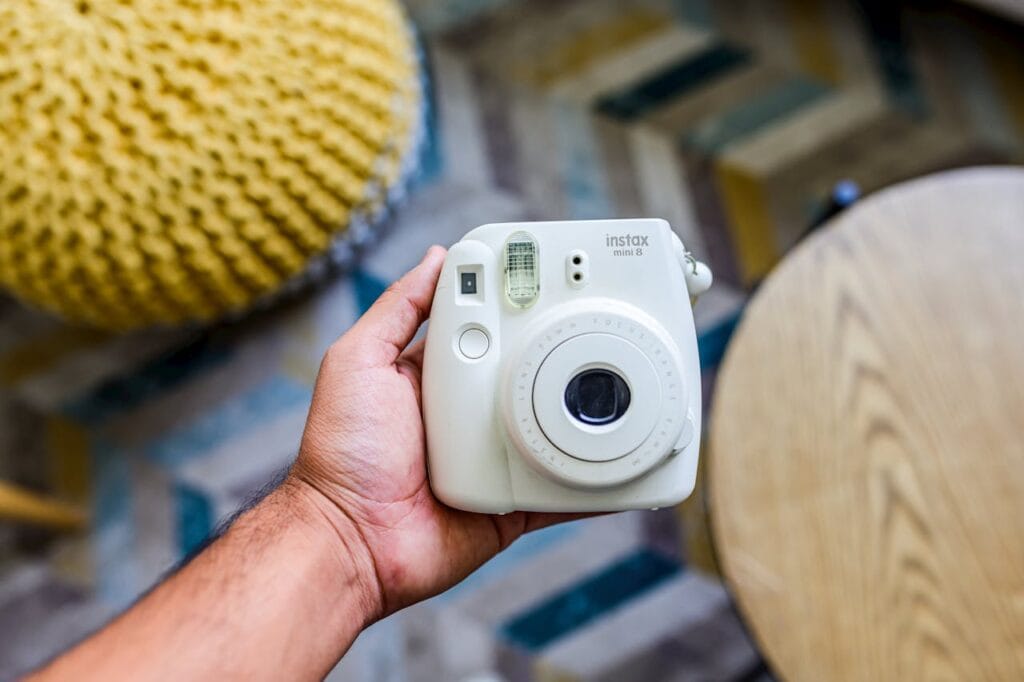
Not whitewashed. Not overexposed in a charming, vintage way. White. As in the shot did not happen. As in the film ejected and produced a rectangle of nothing.
You try again. More careful this time. Better light, better framing, steadier hands.
The result is marginally worse.
Across two cameras and multiple cartridges, the honest yield is somewhere between five and six usable photographs per ten shots. And usable is doing a lot of work in that sentence. Usable means acceptable. It does not mean good.
The film cost makes this calculation brutal. Instax Mini cartridges run at roughly £12 to £15 for ten shots. At a 50 percent success rate you are paying somewhere between £2.40 and £3 per photograph that does not embarrass you. For a camera that cost £100 to begin with.
This is not a skill problem. Both cameras behaved identically across different users with different levels of photographic experience. The person who knows what they are doing gets the same blank frames as the person who has never held a camera before.
It is not photography. It is a coin toss with a prettier coin.
What It Does Well
The Instax Mini review has to be honest about both sides.
Because there is a genuine other side.
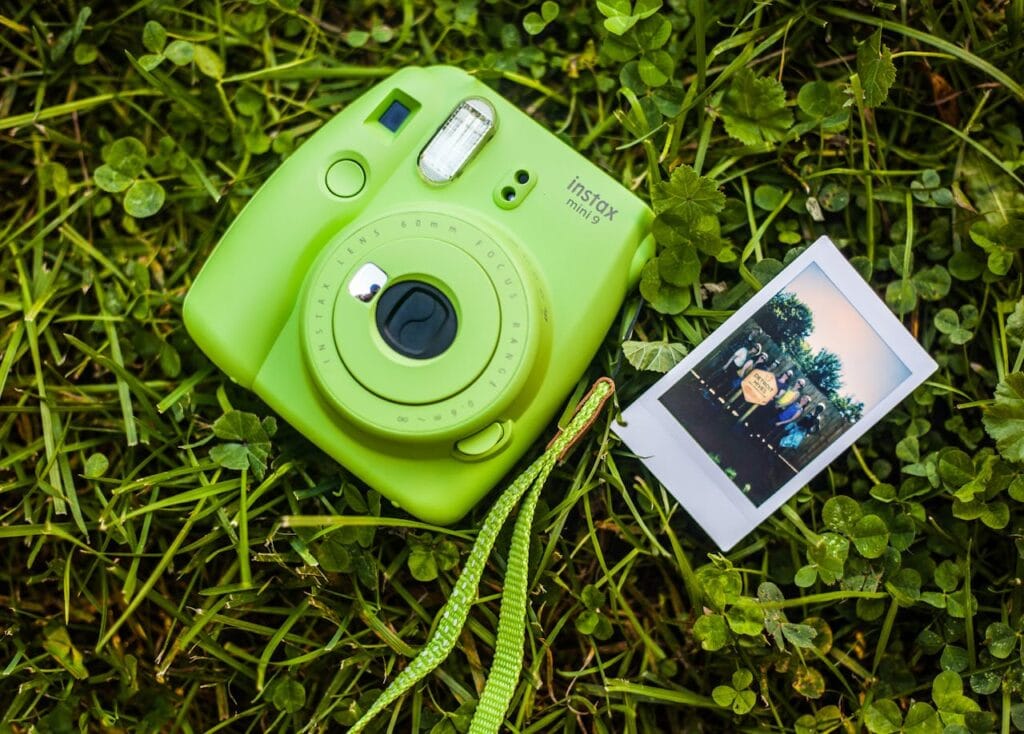
When a photograph does come out, it looks unlike anything a phone produces. The format is small, credit card sized, with a white border that makes every image feel deliberately composed. The colour rendering has a warmth that digital cannot replicate. Skin tones especially. People look good in a specific, slightly softened way that is entirely the film’s doing.
More than that, the physical object changes the moment.
When you point an Instax Mini at someone they react differently than they do to a phone. There is something about the camera, the click, the whirring sound of the film ejecting, that pulls people back into the present. Phones are invisible now. A camera is still an event.
The photograph that comes out, even a mediocre one, gets held. Passed around. Stuck to something. It exists in a way that phone photographs almost never do.
This is real value. It is just not photographic value.
The Maths Does Not Work
Here is the honest version.
If you want a camera that takes reliable photographs, the Instax Mini is not it. The film cost combined with the unpredictable yield makes it an expensive way to produce inconsistent results. You will waste cartridges. You will waste good moments. You will take a careful, well-lit photograph of someone you love and get a white rectangle back.
After that happens a few times, you start using the camera less. Then less again. Then it sits on a shelf looking beautiful, which it genuinely does, until someone visits and picks it up and says what is this and you say it is a camera and you both agree it is lovely and nobody takes a photograph with it.
There are better instant cameras if image quality is the goal. The Instax Mini’s own wide-format siblings produce more consistent results. Polaroid’s newer models have improved their film considerably. Both cost more but the per-photograph economics make more sense over time.
The Instax Mini 41 and Mini 12 are objects worth admiring. They are not cameras worth trusting.
Buy it for the shelf. Not for the photographs.
Read Next: Solomon Shereshevsky: The man who could not forget anything

 Psychology · Oct 17, 2026A Monkey Bite Killed the King of Greece
 Psychology · Oct 15, 202615 Surprising Facts That Sound Completely Made Up
 The Margin · Oct 13, 202615 Geography Facts That Sound Completely Made Up