Author: Shaniya Naz

This Week’s Good News the Algorithm Did Not Show You
Good news this week is buried under the usual avalanche of conflict, politics and economic anxiety. Which means most of the genuinely hopeful things that happened in the last seven days never made your feed. Here they are. The blindness epidemic nobody talks about is retreating Trachoma is the world’s leading infectious cause of blindness.…
The World Is Getting Better. Here’s the Proof.
Good news stories in 2026 are harder to find than they should be. Not because good things are not happening but because the human brain is wired to pay more attention to threats than progress. Slow, steady improvement does not trigger the same alarm response as crisis. The news cycle has a negativity problem. Not…
Baby Monkey Videos Psychology: Why We Watch
This article contains descriptions of animal cruelty. Nothing graphic is detailed, but the subject matter is disturbing. It is written not to sensationalise but to understand a phenomenon that psychology and criminology researchers say we urgently need to talk about. The psychology behind baby monkey videos reveals something uncomfortable about how human beings behave online.…
The Pulsar Sound, the Damru, and the Story We Cannot Stop Telling
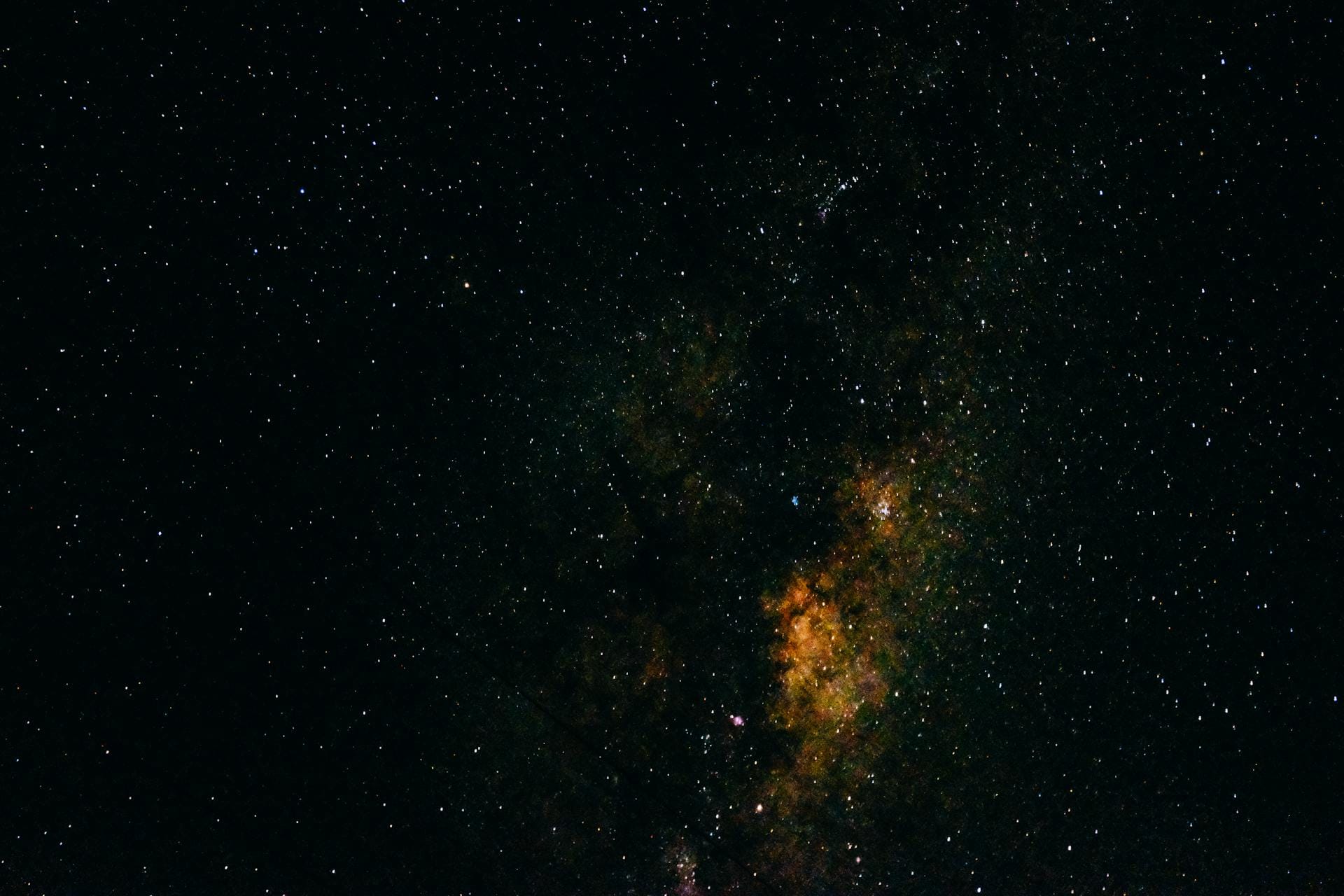
Discover the real story behind the viral Pulsar Sound Meaning story on social media It is late at night. You are scrolling, half-awake. Then a video stops you cold. A blue-black image of deep space. A caption: “Real Pulsar Sound Meaning” You press play. A steady beat fills your ears. Slow. Even. Unwavering. Like something…
The Psychology of News Cycle: Why Certain Stories Hit Different
The psychology of news cycle is not a new field of study. But it has never mattered more than it does right now. At any given moment in 2026, a person with a smartphone has access to more information about more crises, conflicts, elections, disasters, and scandals than any human being in history has ever…
When Being the Smart One Stops Being Enough
Why gifted kids fail as adults is a well documented phenomena but why does it happen so often? Explore the science behind it in this article. For most of your life, it was the thing you could rely on. Not necessarily the most popular. Not always the most confident. But the smart one. The one…
Remote Work Promised Freedom. Here Is What It Actually Delivered.
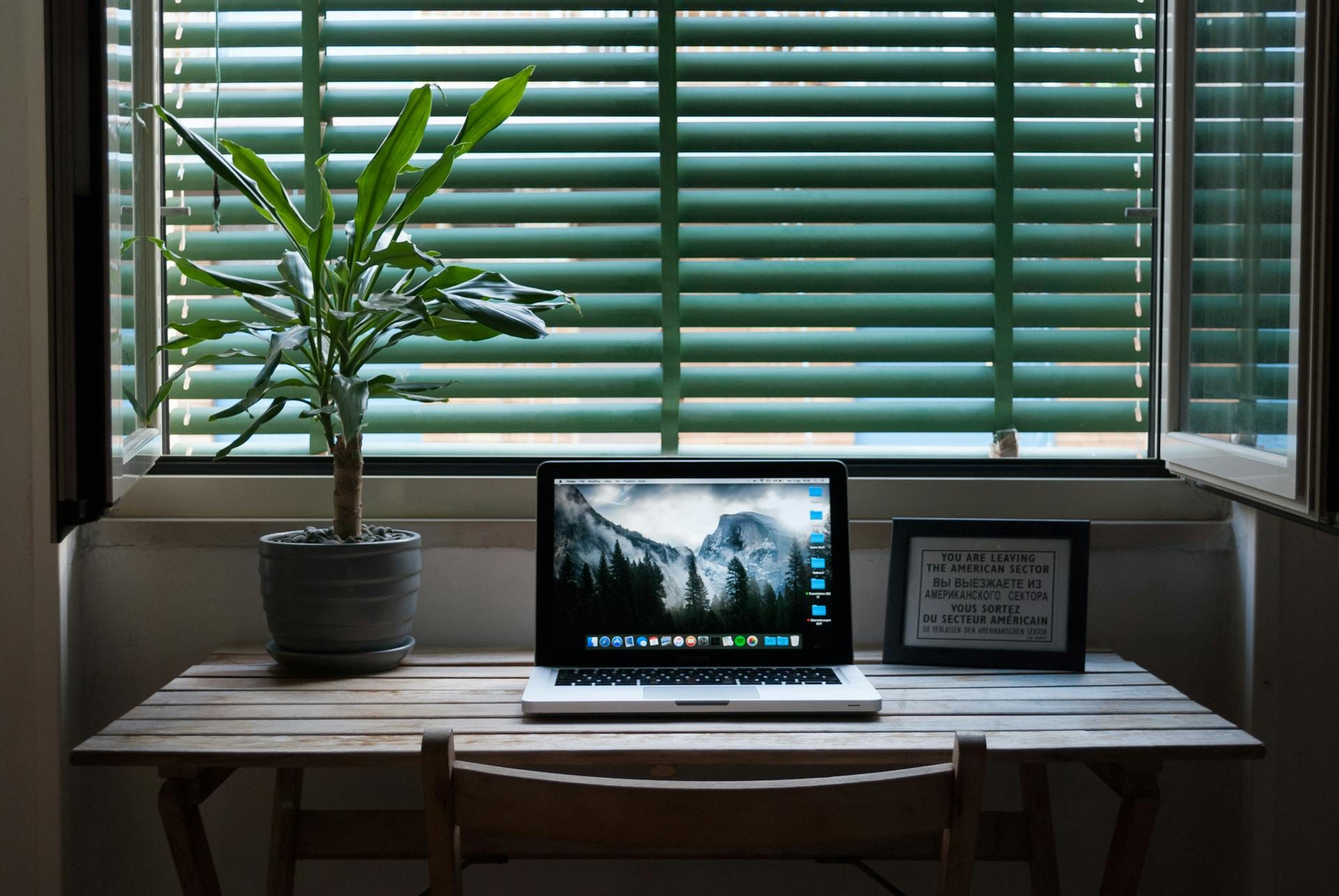
Remote work effects are easier to see five years in. There is a moment many people recognise now. It is late afternoon, or possibly evening. You are still at your desk. You did not decide to keep working. You just never officially stopped. Somewhere between the last meeting and dinner, the day dissolved, and the…
Everyone Is Building a Backup Plan
The backup plan economy did not appear overnight. At some point in the last few years, the conversation changed. It used to be that having a side project was a personality trait. Something specific to a certain type of ambitious, restless person who could not switch off. You knew a few of them. They were…
The Pressure to Have a Personality
Personal branding pressure shows up in small moments. Someone asks what you are into. It is a simple question. Friendly, even. And yet something in you pauses before answering. Not because you do not know. But because you are, briefly, aware that your answer is being registered. Filed. That it will contribute to the version…
The Soft Life Looks Beautiful. but Is Anyone Actually Living It?
The slow living aesthetic is everywhere right now. The video is forty seconds long. A linen curtain moves in a breeze. Coffee pours slowly into a ceramic cup. Hands wrap around it. Outside the window, something green and unhurried. A journal opens. A single line is written. The camera does not rush. Nobody speaks. Nothing…