Evening Walks in London: What Whitechapel Taught Me About Watching

Some links on this page may be affiliate links. If you purchase through them, we may earn a commission at no extra cost to you.
KEY TAKEAWAYS
  • London reveals a quieter, more authentic side after 8pm, distinct from its tourist and rush-hour personas.
  • Evening walks offer a unique lens to observe the city's diverse, honest, and intimate moments.
  • Witnessing ambiguous public interactions challenges assumptions and highlights the complexity of human relationships.
  • The city holds unresolved stories and secrets that linger beyond immediate understanding.
  • Small, unexpected events during these walks can leave lasting emotional impressions.
GLOSSARY
Evening London
The version of London that emerges after 8pm, characterized by quieter streets and more intimate, less performative moments.
Whitechapel
A busy, densely residential area in London known for its genuine social mix and honest atmosphere, especially noticeable during evening walks.
Journalist's Observation
The practice of carefully watching and withholding judgment to avoid premature conclusions when witnessing events.
Unresolved Scene
A public moment or interaction that remains ambiguous and open-ended, leaving the observer with questions rather than answers.
City's Secrets
The hidden stories and emotions within urban spaces that are not immediately accessible or understandable to outsiders.
Evening Walks
A method of engaging with the city by moving through it during the evening to experience its quieter, more reflective side.
FAQ
What makes London's evening version different from its daytime persona?
After 8pm, London shifts from its tourist and rush-hour bustle to a quieter, more honest atmosphere where the city feels less performative and more intimate.
Why does the author prefer walking to thinking in London?
The author finds it easier to think while moving, as walking through the city allows for a more natural and reflective engagement with the environment.
How does the author approach witnessing ambiguous public interactions?
The author relies on journalistic training to observe carefully without jumping to conclusions, recognizing the complexity and multiple possible interpretations of such moments.
What does the encounter in the park reveal about urban life?
It highlights that public spaces can host private, intense moments that remain unresolved and mysterious to outsiders, reflecting the layered nature of city life.
What emotional impact do these evening walks have on the author?
They leave the author with lingering feelings and reflections, sometimes unresolved, underscoring the city's ability to hold stories and emotions beyond immediate understanding.
EDITORIAL NOTE
This piece is part of The Present Minds — essays on psychology, identity, and modern life.

Posted

in

by

Comments

Leave a Reply

Your email address will not be published. Required fields are marked *

The Present Minds
By Shaniya Naz April 9, 2026 Between Lines

Evening Walks in London: What Whitechapel Taught Me About Watching

6 min read · 1,026 words
Tap to switch read mode. Original contrast is live.
Shaniya Naz
Written By Shaniya Naz Co-Founder · Visual Designer

Shaniya Naz writes about people, places, and the shifting rhythms of everyday life. Her work is guided by curiosity and a quiet interest in…

There is a version of London that only appears after 8pm.

Not the tourist version. Not the rush-hour version. The quieter, stranger, more honest version that surfaces when the day crowds thin and the city starts to breathe differently.

I have been chasing that version for a while now. Through evening walks in London’s parks, along its canal paths, on residential streets where someone is always doing something quietly interesting behind a lit window. I find it easier to think when I am moving. I find London easier to love when it is not performing.

On a Thursday in September, I was sitting in a small park in Whitechapel.

evening walks in London

It was around 9pm. Not quite dark

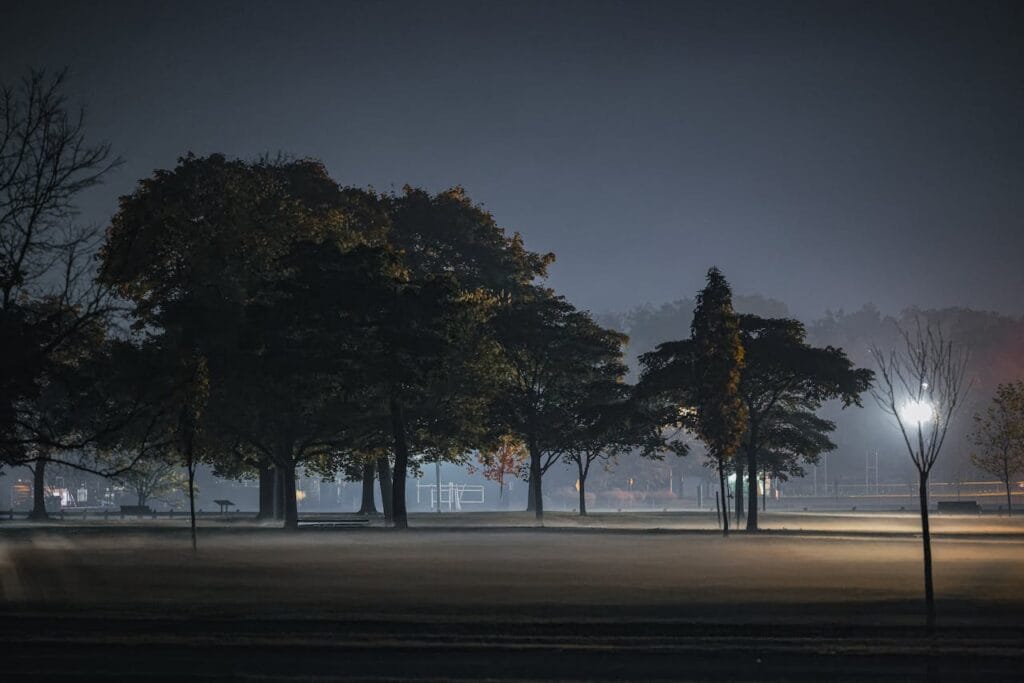
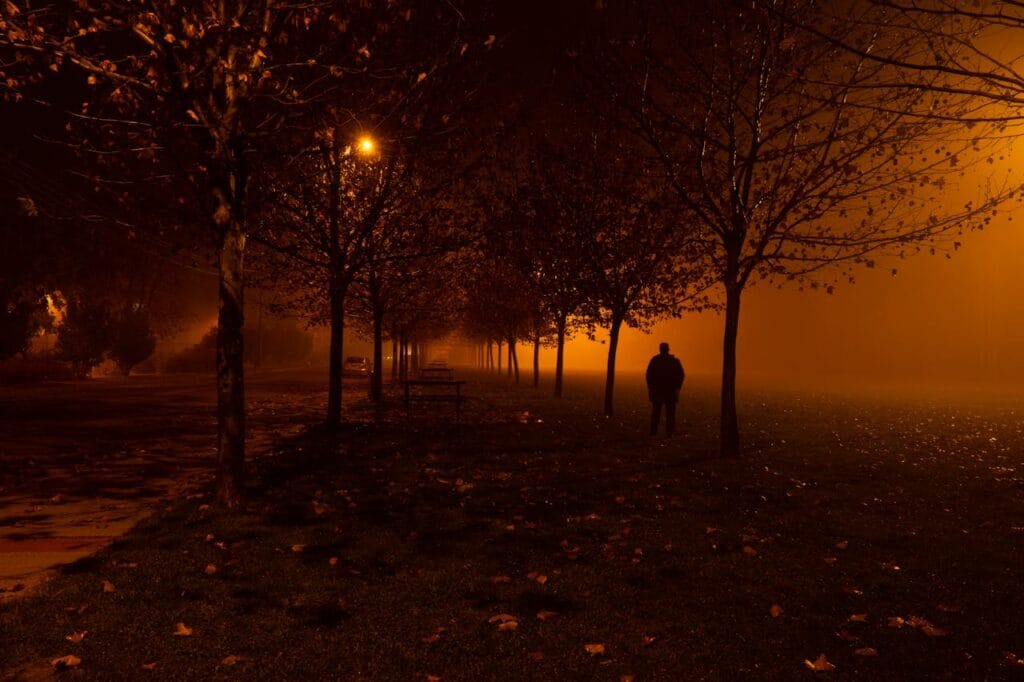
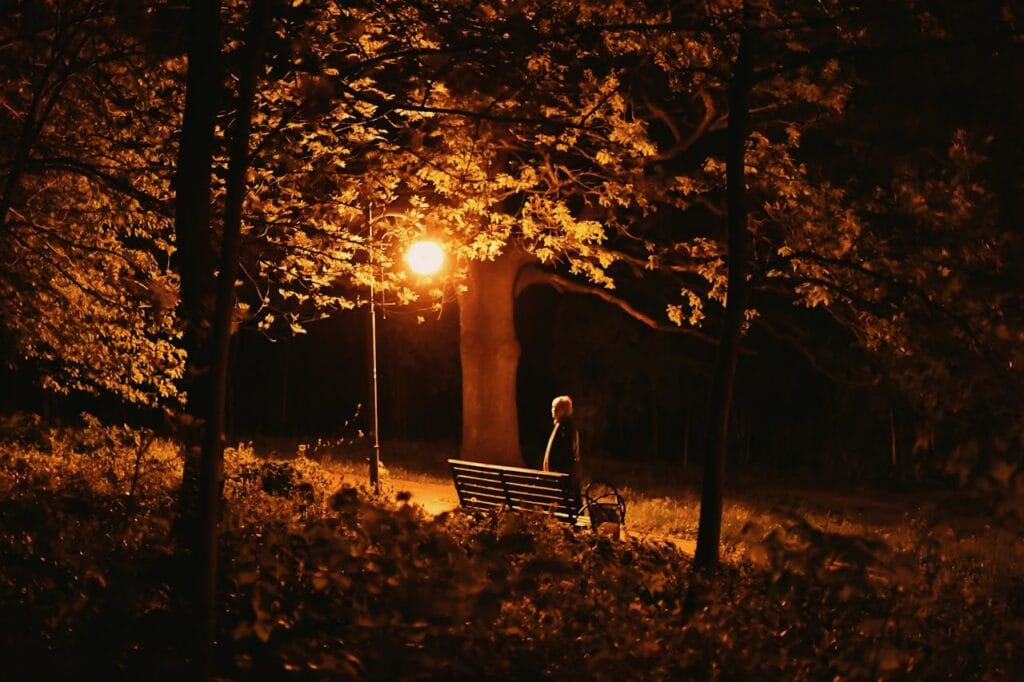
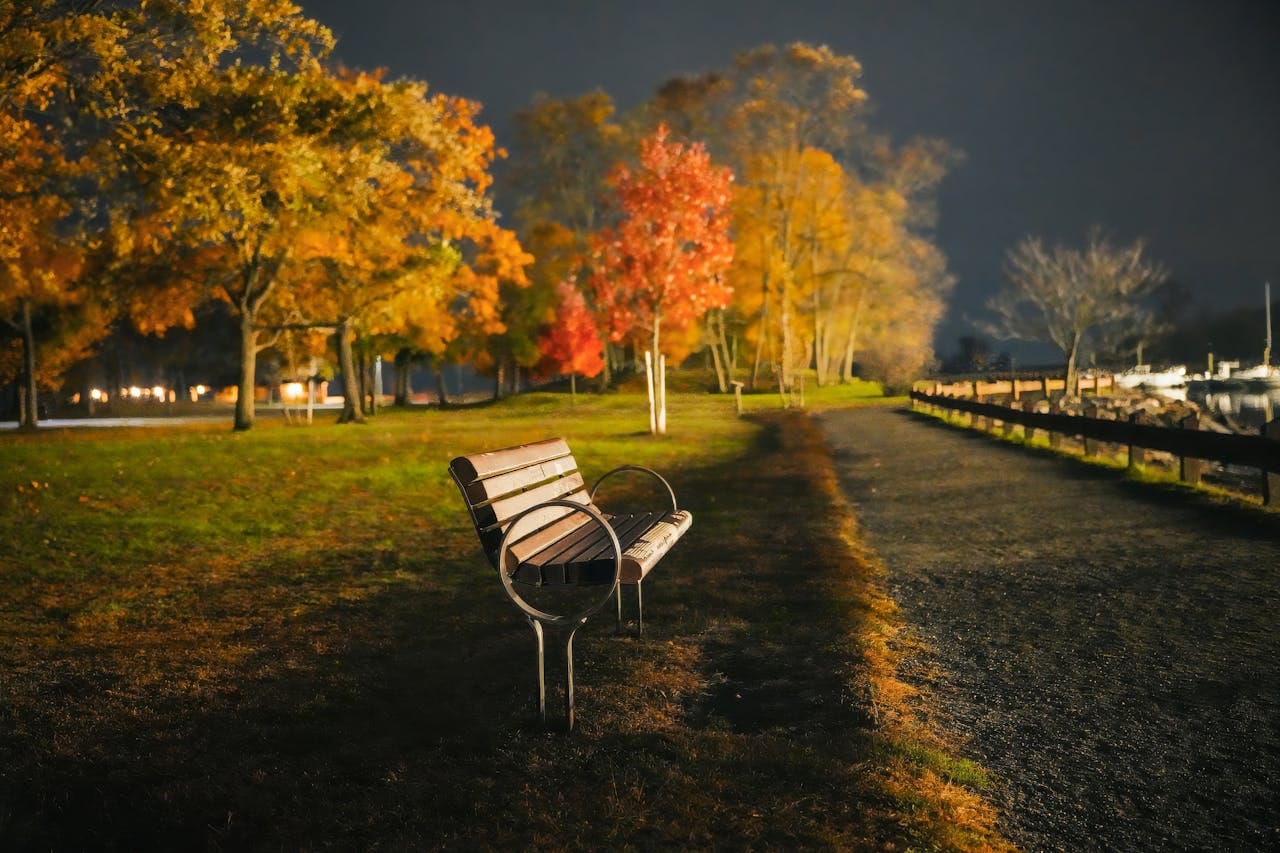
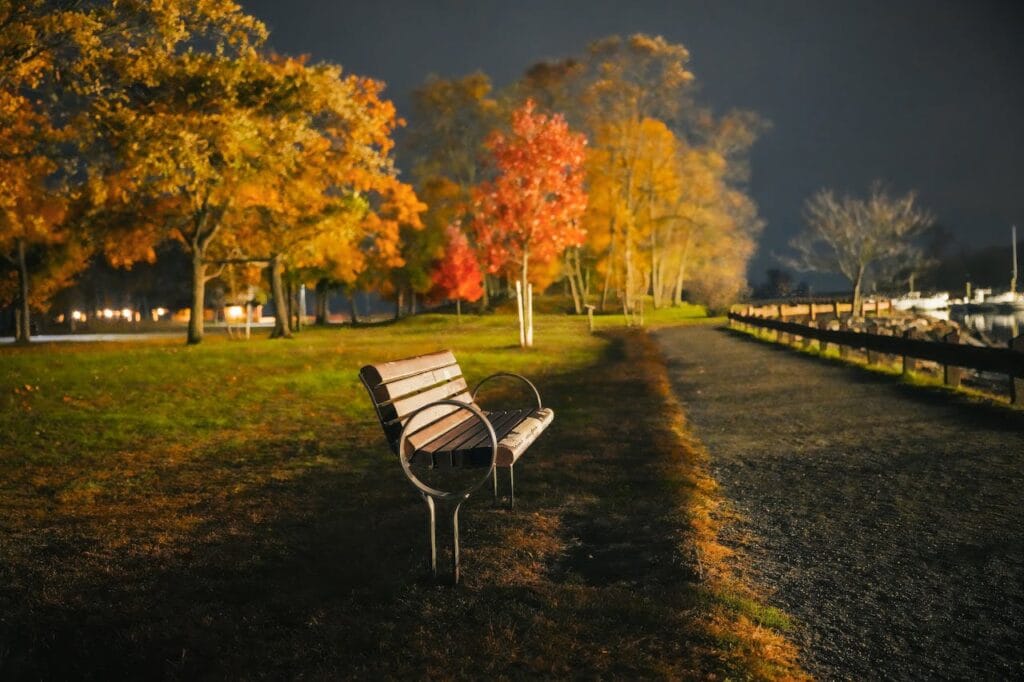
The kind of sky that cannot decide between blue and grey, with just enough faint light at the edges to remind you it was recently summer. The street lamps were on. I had found a bench slightly away from the nearest one, which was exactly where I wanted to be.

Whitechapel surprises people who have not spent real time there. It is busy, densely residential, and genuinely mixed in a way that most of London only claims to be. I like sitting in it and watching people move through it. It feels honest.

I had my phone face down. Just the cool breeze, the faint smell of something being cooked somewhere nearby, and that particular September air that London does better than anywhere else. It is in these moments, on these small evening walks in London, that the city stops being a place you live in and starts being a place that holds you.

Then a voice cut across the park.

Sharp, distressed, unmistakably urgent. I turned immediately

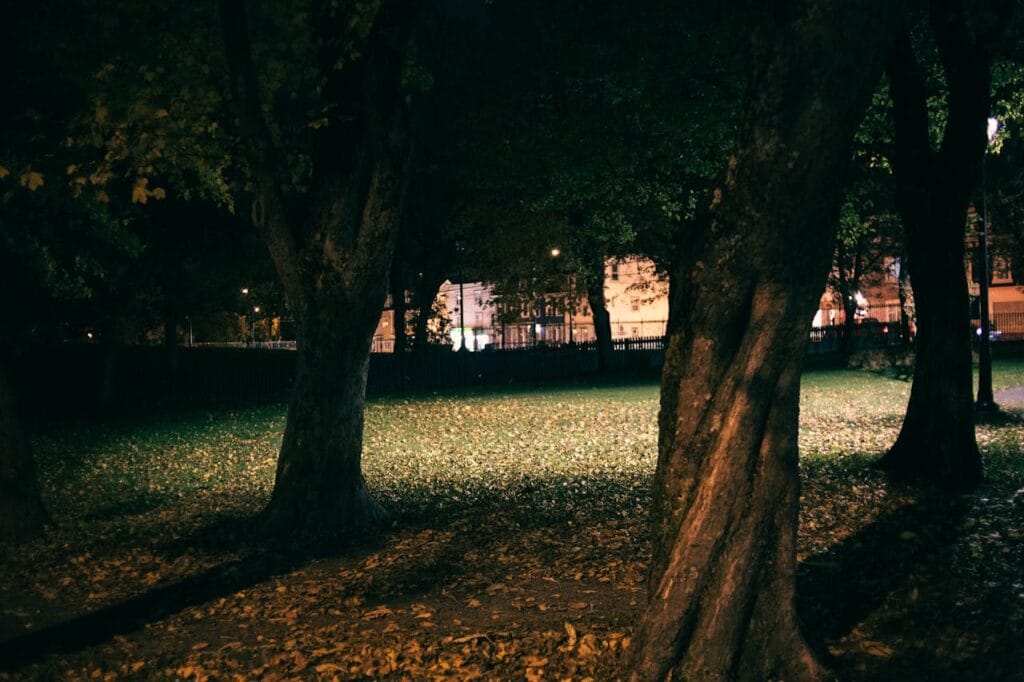
In the darker part of the park away from the lamplight, I could make out two figures. Two women, older, both dressed in long dark clothing. One of them was on the ground. The other appeared to be holding her back. The woman on the ground was crying, pulling herself free, asking loudly to be let go.

I froze.

This is the strange thing about witnessing something in public. Your body stops before your brain does. I sat there, not moving, trying to read what was in front of me.

The journalism training kicks in before anything else. You observe before you act. You do not fill in the gaps with the first story your mind reaches for.

So I watched.

The woman on the ground was not being hurt. There was no aggression in the other woman. There was something else. Urgency, maybe. Or grief. The kind of crying that belongs to a very long private conversation that has finally made it outside.

They were speaking in a language I could not hear clearly from where I was sitting. The body language between them was intimate, not hostile. Two people who knew each other well, in the middle of something serious.

I was still deciding whether to walk over when a black car pulled up at the edge of the park.

The Stranger’s Entry

A man got out, mid-forties, and walked towards them with a pace that made clear he knew exactly who he was walking towards.

The woman on the ground stood up immediately and moved away from him. Not running. Backing away, still talking, still visibly upset.

This is where my journalist’s brain does something I have learned to manage carefully. It starts building cases from fragments. It starts writing the story before the story has finished happening. I caught myself doing it and stopped, because I had nothing solid. I had a park, two women, a man, and a disagreement I could not hear.

What I had was a scene. Not a story.

The three of them stood at the edge of the park for a long time. A lot of back and forth. At one point the man raised his hands, not in threat but in something closer to exhaustion, and whatever he said next seemed to shift something in the room, or the park, or whatever you call the air between people having a difficult conversation outdoors.

The woman who had been backing away went still.

Surprises that Evening Walks In London Can Give You

Then something launched itself off the back of my bench with a loud thud and I left my body entirely.

I spun around.

A large, extremely fluffy Persian cat landed on the path in front of me and tore across the grass after a rat roughly its own size. They disappeared together into the dark at the far end of the park.

I stood there with my hand on my chest, genuinely furious at a cat.

When I looked back across the park, all three of them were at the car. The man was holding the door open. The woman who had been on the ground got in first. The other followed. The door closed. The car went around the corner and was gone.

The park went quiet again

I sat back down and stayed another ten minutes, looking at the space where they had stood. The grass said nothing. The lamplight carried on. A bus went past on the main road and everything looked exactly as it had before I arrived.

I still do not know what that was. I do not know who those women were, what the argument was about, or how any of them got home that night. London handed me the scene and kept the story, which it tends to do.

That is the thing these evening walks in London keep teaching me. You come looking for quiet. Sometimes you find it. Sometimes the city has different plans and leaves you with something that sits in your chest for days, unresolved, belonging to someone else entirely.

I walked home thinking about the cat, and the woman, and the way the park looked when the car finally turned the corner and disappeared.

London kept its secrets. I kept walking.

Read Next: What I learnt from a teenage boat skipper in Montenegro

What I learnt from my kurdish barber in london

Before Ikigai and Maslow, there was Purushartha.

Shaniya Naz
Written By

Shaniya Naz

Co-Founder · Visual Designer

Shaniya Naz writes about people, places, and the shifting rhythms of everyday life. Her work is guided by curiosity and a quiet interest in how experiences shape perspective.

Key Takeaways
  • London reveals a quieter, more authentic side after 8pm, distinct from its tourist and rush-hour personas.
  • Evening walks offer a unique lens to observe the city's diverse, honest, and intimate moments.
  • Witnessing ambiguous public interactions challenges assumptions and highlights the complexity of human relationships.
  • The city holds unresolved stories and secrets that linger beyond immediate understanding.
  • Small, unexpected events during these walks can leave lasting emotional impressions.
Glossary
Evening London
The version of London that emerges after 8pm, characterized by quieter streets and more intimate, less performative moments.
Whitechapel
A busy, densely residential area in London known for its genuine social mix and honest atmosphere, especially noticeable during evening walks.
Journalist's Observation
The practice of carefully watching and withholding judgment to avoid premature conclusions when witnessing events.
Unresolved Scene
A public moment or interaction that remains ambiguous and open-ended, leaving the observer with questions rather than answers.
City's Secrets
The hidden stories and emotions within urban spaces that are not immediately accessible or understandable to outsiders.
Evening Walks
A method of engaging with the city by moving through it during the evening to experience its quieter, more reflective side.
FAQ
What makes London's evening version different from its daytime persona?
After 8pm, London shifts from its tourist and rush-hour bustle to a quieter, more honest atmosphere where the city feels less performative and more intimate.
Why does the author prefer walking to thinking in London?
The author finds it easier to think while moving, as walking through the city allows for a more natural and reflective engagement with the environment.
How does the author approach witnessing ambiguous public interactions?
The author relies on journalistic training to observe carefully without jumping to conclusions, recognizing the complexity and multiple possible interpretations of such moments.
What does the encounter in the park reveal about urban life?
It highlights that public spaces can host private, intense moments that remain unresolved and mysterious to outsiders, reflecting the layered nature of city life.
What emotional impact do these evening walks have on the author?
They leave the author with lingering feelings and reflections, sometimes unresolved, underscoring the city's ability to hold stories and emotions beyond immediate understanding.
Editorial Note

This piece is part of The Present Minds, essays on psychology, identity, and modern life.
Discussion
No comments yet. Be the first.