Survivorship bias shapes the first impression before anyone realises an argument is even happening.
A video shows an animal doing something remarkable. Perfect balance. Exact timing. No wasted movement. People pause, rewind, and watch again. The reaction is familiar. This feels too precise to be random.
Moments like this do not arrive with footnotes. They arrive already polished. What failed before the clip started never enters the room.
Most people experience the world through outcomes, not processes. They see what works, what holds together, what lasts long enough to be noticed. The broken attempts are absent. The abandoned versions never introduce themselves.
That absence quietly changes how meaning gets assigned.
By the time questions about design or intention come up, the evidence already feels selective. Survival looks normal. Order looks expected. Control feels implied.
What survivorship bias actually means in simple terms
Survivorship bias is not complicated, even though it often sounds that way.
It describes what happens when attention stays fixed on what survived and ignores what did not. Conclusions get drawn from what is visible, while the invisible failures fade into the background.
This happens constantly outside of big belief debates.
People read about successful careers and assume the path is reliable. They hear about a routine that worked and treat it like a rule. They rarely see the many people who followed the same steps and got nothing from it.
When this habit of thinking gets applied to nature, it starts shaping belief without asking permission.
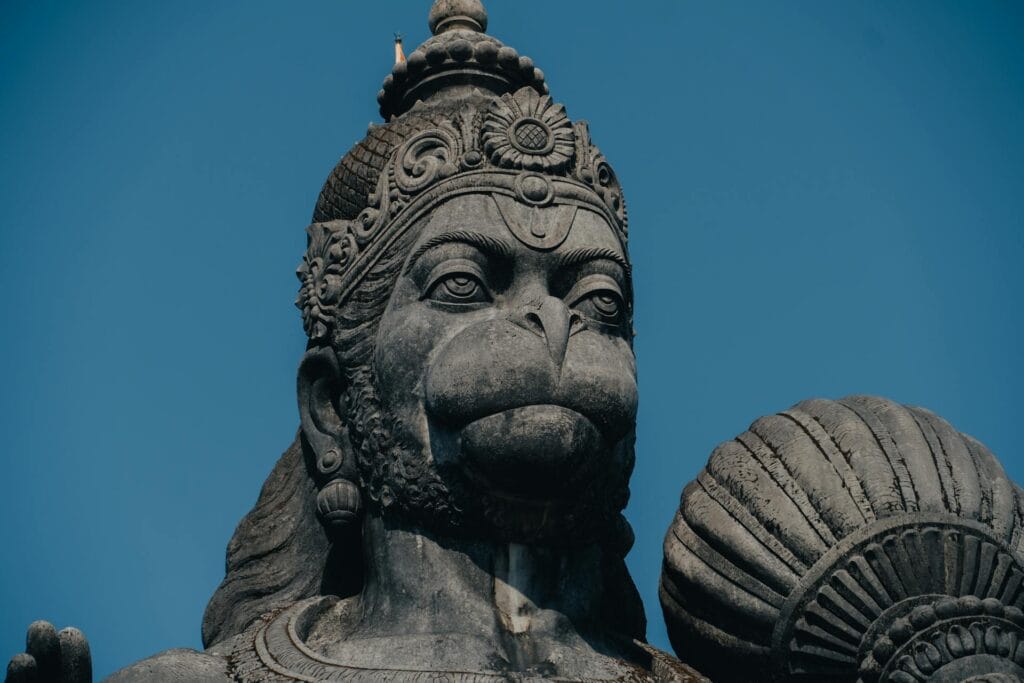
Arguments around intelligent design usually begin with things that already passed every test. The human eye. DNA. The balance of conditions that allow life on Earth. These examples are presented as finished products, not as survivors of a brutal filtering process.
What is missing is context.
For every system that functions well enough to exist today, there were countless versions that failed. Traits that caused harm. Bodies that could not adapt. Entire species erased long before anyone was there to notice them.
Nature does not preserve most attempts. It removes them.
When only the survivors are visible, survival starts to feel inevitable instead of rare. Order begins to feel intentional instead of accidental.
A system that remains looks meaningful when its failures are no longer seen.
Why control matters more than belief
This is where the argument quietly shifts.
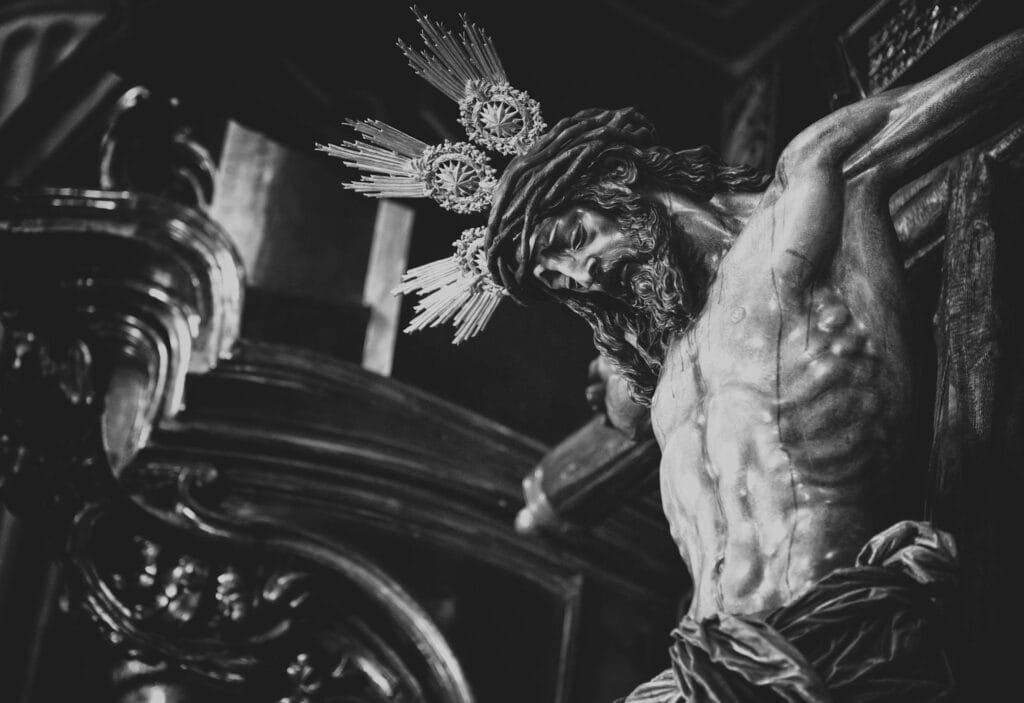
For many people, belief in design is not really about theology. It is about reassurance. A designed world feels contained. It suggests boundaries. It suggests that chaos does not run unchecked.
Control does not always arrive as a religious figure. Sometimes it arrives as structure itself.
When people say the world feels too ordered to be accidental, they are often reacting to a filtered view of reality. Precision stands out because disorder has been removed from sight.
Survivorship bias supports this feeling by narrowing what people see.
If the full scale of failure were always visible, the story would look harsher. Survival would feel fragile. Existence would appear narrow rather than natural.
Instead, attention stays on what worked.
This same pattern appears everywhere else. Social media highlights success while hiding effort that failed. Advice focuses on winners and ignores everyone who tried and disappeared. Why Humans Need Control More Than They Admit
Survivorship bias does not create belief. It strengthens belief by making uncertainty quieter.
A world that looks stable is easier to trust.
The question that makes people uncomfortable
There is a point where the design argument starts to feel strained.
If the world is controlled, why does survival require so much loss.
This question rarely sits comfortably in conversations about intention or purpose. It interrupts the sense that everything fits neatly into a larger plan. So it often gets softened, reframed, or avoided.
But the question does not disappear.
Extinction is not rare. It is constant. Failure is not an exception. It is the background condition. Nature experiments endlessly and discards most outcomes.
Once this is noticed, survivorship bias becomes harder to ignore.
The world begins to look less like something carefully arranged and more like something repeatedly tested. Passing those tests does not mean something was chosen. It means something lasted long enough.
That idea unsettles people because it removes guarantees.
A disruption enters here and never fully resolves.
What if meaning comes after survival, not before it.
This thought does not offer comfort. It offers uncertainty.
Many people return to design because it closes the loop. It makes the world feel understandable again. It turns randomness into reassurance.
Survivorship bias leaves the loop open.
It suggests that what exists is not proof of intention, only proof of endurance. Thinking Feels Harder Now: 6 Uncomfortable Reasons
Once that frame settles in, the argument changes shape.
Belief becomes less about evidence and more about tolerance for uncertainty. Control stops feeling guaranteed. Order stops feeling promised.
The video ends. Another one starts. Another example survives. Another failure stays unseen.
Further Reading
- The God Conundrum : David Harper https://amzn.to/4qmCDjq
- God: An Anatomy : Francesca Stavrakopoulou https://amzn.to/4qjXnIF