Some links on this page may be affiliate links. If you purchase through them, we may earn a commission at no extra cost to you.
KEY TAKEAWAYS
London cab drivers traditionally break silence with conversation, but this driver’s quietness invited deeper reflection.
The driver’s experience reflects the impact of technological change on traditional professions and personal identity.
Immigration shapes complex feelings of belonging and displacement across generations and geographies.
Places once familiar can change drastically, altering the sense of home for both immigrants and natives.
Human empathy arises from recognizing multiple perspectives within shared stories, beyond simple judgments.
GLOSSARY
The Knowledge
A rigorous memorization process London black cab drivers undergo to master the city’s streets and landmarks without relying on maps.
Black cab driver
A traditional London taxi driver who has passed The Knowledge and drives licensed black cabs, symbolizing deep local expertise.
Uber’s impact
The disruption caused by ride-sharing apps that democratized driving jobs but challenged the mastery and exclusivity of traditional cab drivers.
Immigrant experience
The complex reality of living between cultures, where success in a new country can lead to family dispersal and evolving identities.
Hometown dilemma
The bittersweet feeling when one’s place of origin changes due to tourism and gentrification, affecting the sense of belonging.
London winter night
A metaphorical setting describing a cold, grey, and quiet atmosphere that mirrors internal reflection and emotional weight.
FAQ
Why was the cab driver unusually quiet compared to typical London cab drivers?
Unlike most London cab drivers who engage passengers with conversation, this driver’s silence created space for deeper reflection. His quietness was unusual and invited the passenger to open a more meaningful dialogue.
How did the arrival of Uber affect the cab driver’s profession?
Uber disrupted the traditional model by allowing anyone with a phone and a license to drive, reducing the exclusivity and mastery of black cab drivers. The driver accepted this change with tired acceptance, shifting to Uber for flexibility and longer, quieter rides.
What does the story reveal about the immigrant experience in London?
The driver’s story highlights the sacrifices and complexities of immigrant life, including raising children who settle abroad and feeling a deep connection to a city that both gives and changes. It shows how identity and belonging evolve over time and distance.
What is meant by the 'hometown dilemma' in the article?
The 'hometown dilemma' refers to the driver’s sadness over his Italian hometown changing due to tourism and rising property prices, which altered its character and sense of ownership. This mirrors his experience of London’s transformation and reflects broader themes of change and loss.
Why did the driver take the long way at the end of the journey?
Taking the long way was a subtle gesture to prolong the conversation and connection with the passenger. It symbolizes the human desire to share stories and moments of genuine interaction, beyond just completing a transaction.
EDITORIAL NOTE
This piece is part of The Present Minds — essays on psychology, identity, and modern life.
Tap to switch read mode.Original contrast is live.
Written ByNavneet ShuklaFounder · Editor · Systems Architect
Navneet Shukla writes about how people think and how modern life shapes that thinking. The Present Minds is where he explores it.
What I learnt from a cab driver in London is probably something not many people have even if they are frequent passengers in London.
This encounter revealed how change, belonging, and loss intertwine in ways that resist simple stories or easy judgments.
I got in the cab because I needed to stop thinking. I did not stop thinking for the entire journey. Technically, that is his fault.
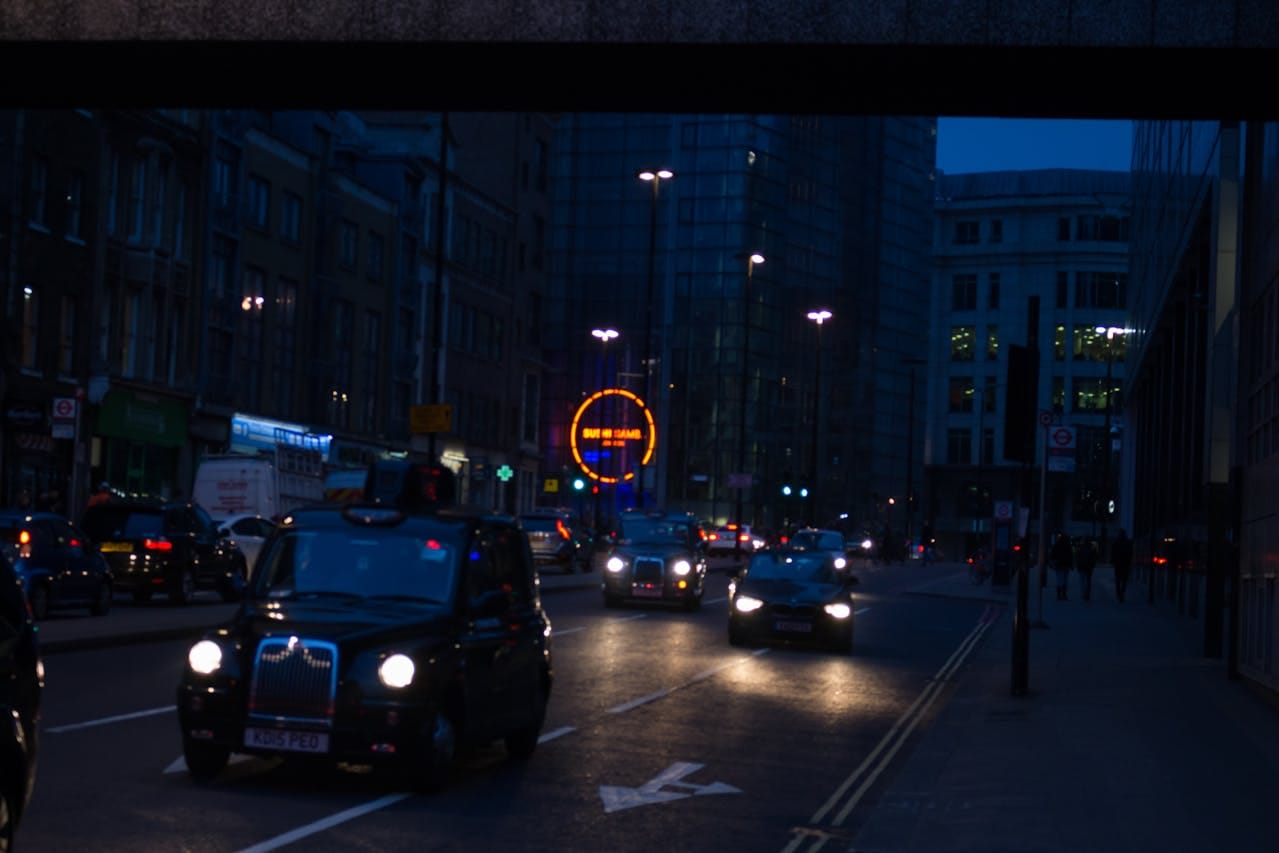
It was eight in the evening. One of those British winter nights that does not so much arrive as settle, the kind of cold that is not dramatic but is deeply, personally committed to making you feel it. The outskirts of London.
The sky doing that thing it does in January where it is not quite dark and not quite anything else, just grey and final and vaguely threatening.
I needed something to pull me back into my body. Something present and tangible and outside of my own head.
I did not expect it to be him.
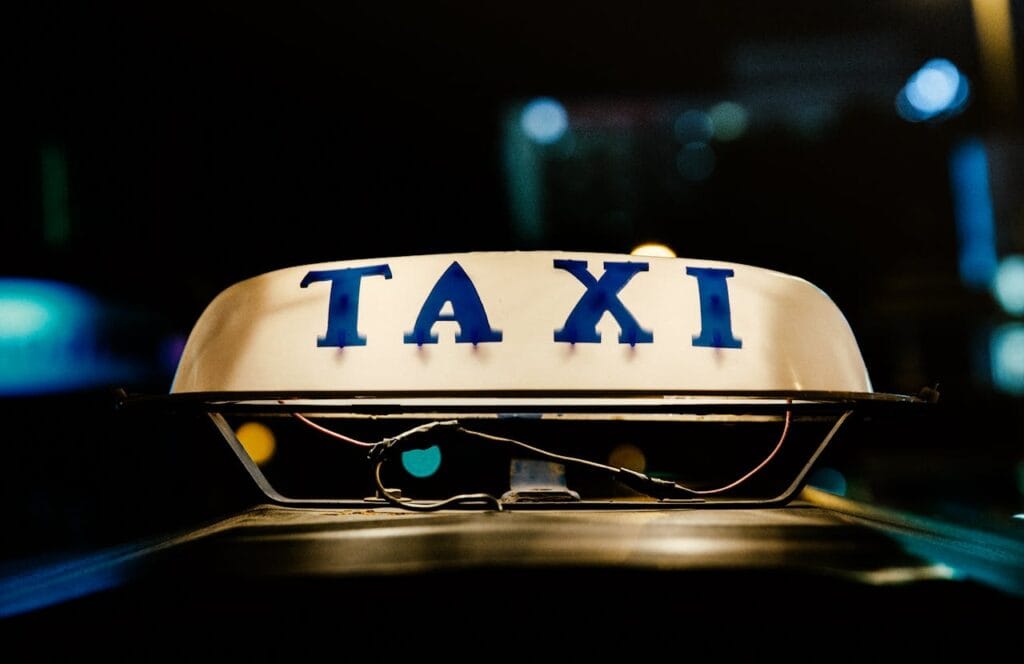
He was in his fifties, I guessed. Quiet in a way that immediately registered as unusual because cab drivers in London are not quiet. It is practically a licensing condition. You get in, they talk.
About the traffic, the weather, the government, the football. The silence between strangers in a moving car is something the London cab driver has spent generations refusing to tolerate.
This one said nothing.
For five minutes I sat and watched the streetlights blur past and thought about what I had been thinking about before I got in and realised I was still thinking about it.
So I said something. I do not even remember what. Something small and opening, the conversational equivalent of a door left slightly ajar.
He walked straight through it.
What he looked like
He had been driving in London for twenty-four years. He said this with the particular pride of a man who considers a city his in a way that has nothing to do with paperwork.
He knew every route, every shortcut, every back alley that GPS has still not caught up with.
He said London like it was a person he had grown up alongside. Someone he understood even when they were difficult.
He had started as a black cab driver. Proper Knowledge, the whole thing. Years of cycling around the city memorising it, street by street, landmark by landmark, until the map was not something he consulted but something he simply was.
Then Uber arrived and rearranged the logic of everything.
He was not bitter about it, or at least he did not perform bitterness. He said it with the tired acceptance of a man who has watched something he mastered become something anyone can do with a phone and a driving licence.
He drove for Uber now. Better reach, he said. More flexibility.
But London city centre was cutthroat. Every other driver in it. So he worked the outskirts mostly. Longer rides, less competition, quieter roads.
His body could not do fourteen hours anymore. New drivers did fourteen hours routinely, he said. He mentioned immigrants. Not angrily.
He just mentioned them the way you mention a fact that has changed the texture of something you loved.
That stayed with me. Not the mention itself but the tone of it. Tired. Not pointed.
London gave him everything
He had six children. The youngest was three years older than me, which he said casually and which landed on me with all the weight he probably intended.
I felt the age gap open up like a quiet chasm between us and had a brief moment of wondering why I had started talking to him in the first place.
He kept going.
All six had settled outside the UK. Different countries, different lives, the children of an immigrant who had made enough of something here that his children could leave. His youngest daughter lived in Italy. She visited twice a year.
His wife had died four years ago.
He said this without preparation and without pause and moved on quickly, the way people do when they have said a thing many times and have learned that dwelling on it in front of strangers helps no one.
I looked out of the window. The moon was there, barely, doing that British thing of appearing for a moment and then thinking better of it. The streets had that winter emptiness that feels less like quiet and more like everyone has been asked to leave.
He wanted to retire to Italy, he said. His daughter was there. The sun was there. London had given him what it had to give and now his body wanted warmth and his mind wanted rest and Italy, at least in the version he carried in his head, had both.
The Hometown dilemma
I said Italy sounded like a good plan.
He went quiet for a moment. Then he said, but even Italy is not the same anymore.
His hometown specifically. Tourists had found it. Then people had settled. Property prices had climbed in that way they do when somewhere becomes desirable to people who did not grow up there.
The character had shifted. The cost had shifted. The feeling of it being his had shifted.
He said this without a trace of irony. A man who had spent twenty-five years as an immigrant in London, watching London change around him, was now watching his hometown in Italy change around the people who had stayed, and was sad about it.
I did not say anything.
There are moments in a conversation where you can see the shape of something clearly and the only decent thing to do is let it sit there. To name it would have been unkind. Maybe he could see it too.
Maybe it was something he had already made his peace with in private. Maybe it was something he would never connect.
The cab moved through the grey and the cold and I thought about how the same story can feel completely different depending on which side of it you are standing on.
How a man can live one version of something his whole adult life and still feel the sting of it happening to someone else.
Not because he is a hypocrite. Just because he is human.
We are all the hero of the story we are currently inside.
The takeaway from this story
The ride came to an end before the thought did.
He pulled up. I thanked him. I meant it.
Not in the polite way you mean things when you are getting out of a car, but in the way you mean something when a stranger has given you forty minutes of an actual life and asked for nothing in return except the listening.
He said, just as I shut the door, cab drivers talk too much, I know.
But at least we get you there.
I smiled and walked inside.
Then I checked the route on my phone.
He had taken the long way.
What I Learnt From is a column by Navneet Shuklaon The Present Minds. Conversations, encounters, and the things ordinary moments quietly teach you.
London cab drivers traditionally break silence with conversation, but this driver’s quietness invited deeper reflection.
The driver’s experience reflects the impact of technological change on traditional professions and personal identity.
Immigration shapes complex feelings of belonging and displacement across generations and geographies.
Places once familiar can change drastically, altering the sense of home for both immigrants and natives.
Human empathy arises from recognizing multiple perspectives within shared stories, beyond simple judgments.
Glossary
The Knowledge
A rigorous memorization process London black cab drivers undergo to master the city’s streets and landmarks without relying on maps.
Black cab driver
A traditional London taxi driver who has passed The Knowledge and drives licensed black cabs, symbolizing deep local expertise.
Uber’s impact
The disruption caused by ride-sharing apps that democratized driving jobs but challenged the mastery and exclusivity of traditional cab drivers.
Immigrant experience
The complex reality of living between cultures, where success in a new country can lead to family dispersal and evolving identities.
Hometown dilemma
The bittersweet feeling when one’s place of origin changes due to tourism and gentrification, affecting the sense of belonging.
London winter night
A metaphorical setting describing a cold, grey, and quiet atmosphere that mirrors internal reflection and emotional weight.
FAQ
Why was the cab driver unusually quiet compared to typical London cab drivers?
Unlike most London cab drivers who engage passengers with conversation, this driver’s silence created space for deeper reflection. His quietness was unusual and invited the passenger to open a more meaningful dialogue.
How did the arrival of Uber affect the cab driver’s profession?
Uber disrupted the traditional model by allowing anyone with a phone and a license to drive, reducing the exclusivity and mastery of black cab drivers. The driver accepted this change with tired acceptance, shifting to Uber for flexibility and longer, quieter rides.
What does the story reveal about the immigrant experience in London?
The driver’s story highlights the sacrifices and complexities of immigrant life, including raising children who settle abroad and feeling a deep connection to a city that both gives and changes. It shows how identity and belonging evolve over time and distance.
What is meant by the 'hometown dilemma' in the article?
The 'hometown dilemma' refers to the driver’s sadness over his Italian hometown changing due to tourism and rising property prices, which altered its character and sense of ownership. This mirrors his experience of London’s transformation and reflects broader themes of change and loss.
Why did the driver take the long way at the end of the journey?
Taking the long way was a subtle gesture to prolong the conversation and connection with the passenger. It symbolizes the human desire to share stories and moments of genuine interaction, beyond just completing a transaction.
Editorial Note
This piece is part of The Present Minds, essays on psychology, identity, and modern life.








Leave a Reply to Qudsia Cancel reply