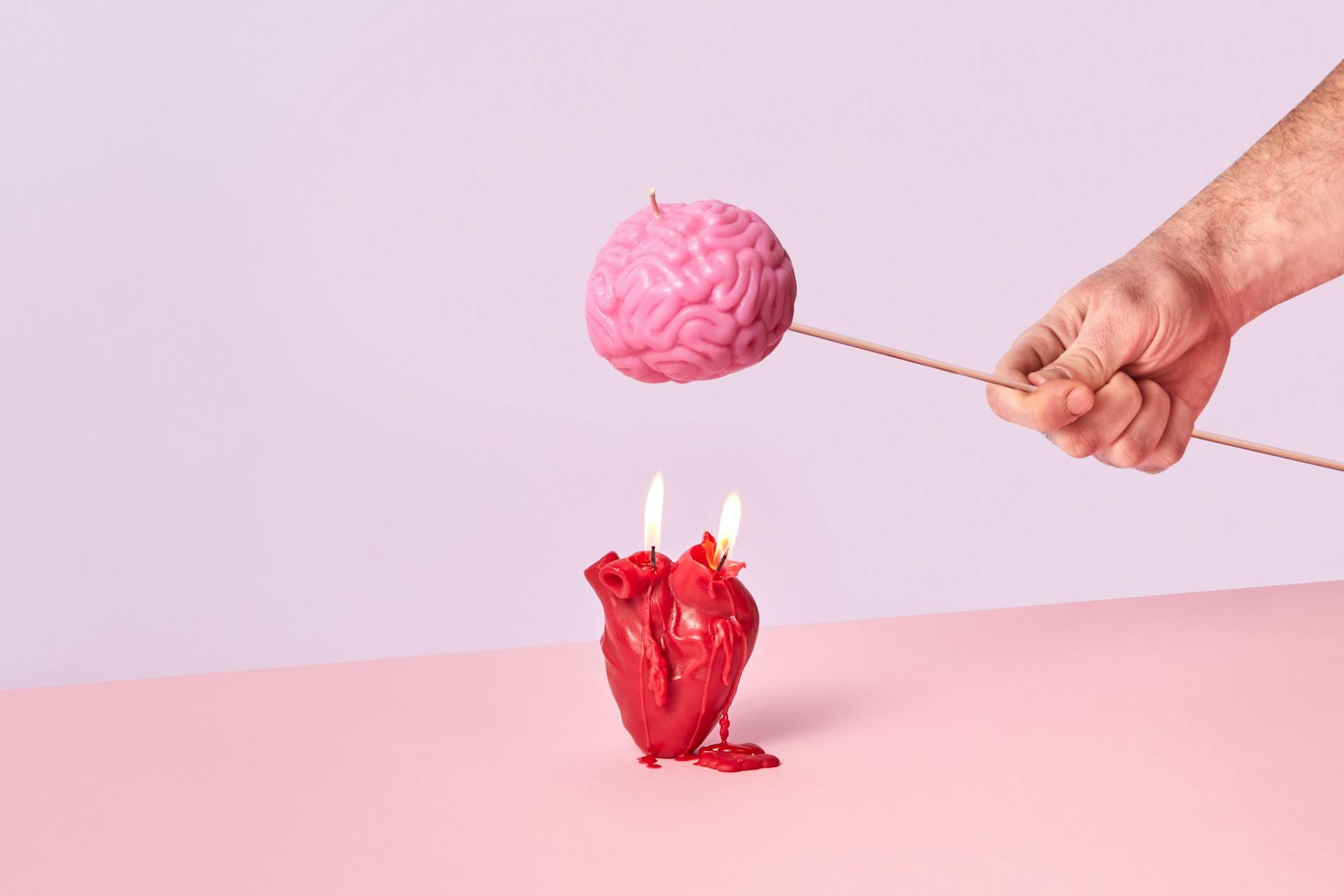
Why does opening instagram feel like a reflex not a choice? The phone is already in your hand. The screen is already awake. Your thumb moves before any clear thought forms.
There is no memory of deciding. No notification. No urgency. Just the quiet sense that you arrived somewhere without remembering how.
It feels oddly personal.
A small embarrassment settles in when awareness catches up. Why this app again. Why now. Why without intention.
The behaviour is often interpreted as weakness, distraction, or a lack of self control. Something to fix quietly, preferably without admitting how often it happens.
But what looks like a personal lapse begins somewhere else entirely.
The action does not start with desire or curiosity. It starts before thought. By the time the mind tries to explain what is happening, the behaviour has already occurred. The explanation comes after, not before.
That timing matters more than it seems.
This is not about being easily distracted. It is about how attention learned to survive long before phones existed.
Why Open Instagram without Meaning to Feels Automatic
Habitual actions do not wait for permission. They operate on a different track from conscious choice. When people say they open Instagram without meaning to, they are not avoiding responsibility. They are describing the experience accurately.
The brain is not asking a question. It is executing a loop.
Habit forms when an action reliably changes an internal state. Boredom softens. Waiting shortens. Unease shifts slightly. The change does not need to be pleasant. It only needs to be noticeable.
Over time, the body learns the sequence without involving conscious thought.
This is why the phone appears in the hand during pauses. Standing in a queue. Sitting alone. Finishing a task.
These moments carry mild uncertainty. Nothing is wrong, but nothing is settled either.
The behaviour does not seek information. It seeks movement.
The mistake is assuming that movement must have intention behind it.
Much of human behaviour does not.
The loop completes before awareness arrives. Awareness then rushes in to explain what has already happened. This is where shame often enters. The explanation becomes moral instead of mechanical.
But the mechanism is older than morality.
The Social Mind Never Learned How to Rest
Humans evolved to monitor each other constantly. For most of history, attention to social presence meant safety. Facial expressions mattered. Voices mattered. Who was nearby mattered.
The brain developed systems designed to stay alert to social possibility even when nothing was actively happening.
That system never learned how to turn itself off.
Instagram does not just offer images or updates. It offers social possibility. Someone might have posted. Someone might have responded. Someone might have noticed you. Even when nothing has changed, the brain remains ready.
This readiness does not require intention. It feels like background hum.
The app does not need to call you. The brain calls itself.
This is why opening Instagram often feels like checking rather than choosing. The action is closer to looking around a room than making a decision. It is a scan. A reassurance that nothing has been missed.
The problem is not that the scan exists. The problem is that the environment never signals that scanning can stop.
There is no clear ending. No closure. No moment where the social field feels settled. The feed refreshes. The possibility resets. The brain stays alert.
This creates a low level vigilance that feels normal only because it has become constant.
I explored a similar quiet tension in Why Some People Are Quiet in Groups but Sharp One to One, where attention fragments differently depending on social context and speed.
The same fragmentation lives here.
When Cues Stop Looking Like Cues
Most people imagine habits being triggered by obvious signals. Notifications. Sounds. Vibrations. But the most powerful cues are often invisible.
Silence can be a cue. Waiting can be a cue. Finishing something can be a cue. Even rest can become a trigger.
The brain learns that opening a social app might change the feeling of these moments. Not improve it. Just change it.
Anticipation becomes the reward.
This is why people open Instagram even when they do not enjoy it. Satisfaction is not required. The loop runs on expectation. The brain checks because checking might resolve something vague.
Often it does not.
But the attempt itself becomes reinforcing.
This is also why people struggle to explain why they checked. There was no reason. Only a sensation that preceded thought.
The behaviour is sustained by prediction, not pleasure.
Why This Turns into Self Blame
Because the behaviour is automatic, people interpret it through character. They assume discipline should prevent it. That better focus would stop it. That awareness should interrupt it.
But awareness arrives too late.
The environment continually reinforces the loop. Feeds do not end. Content updates unpredictably. Social possibility never closes. The brain remains alert because it never receives a signal that nothing is required.
From a psychological perspective, this creates a mismatch. The social brain expects finite interactions. Instagram provides infinite social potential without resolution.
The result is a background tension that never quite settles.
This discomfort often gets misread as restlessness or lack of presence. I touched on a related refusal to settle in Purusharth The Self You Refuse to Sit With, where avoidance disguises itself as movement.
The phone becomes a way to avoid the quiet moment where nothing is happening and nothing is demanded.
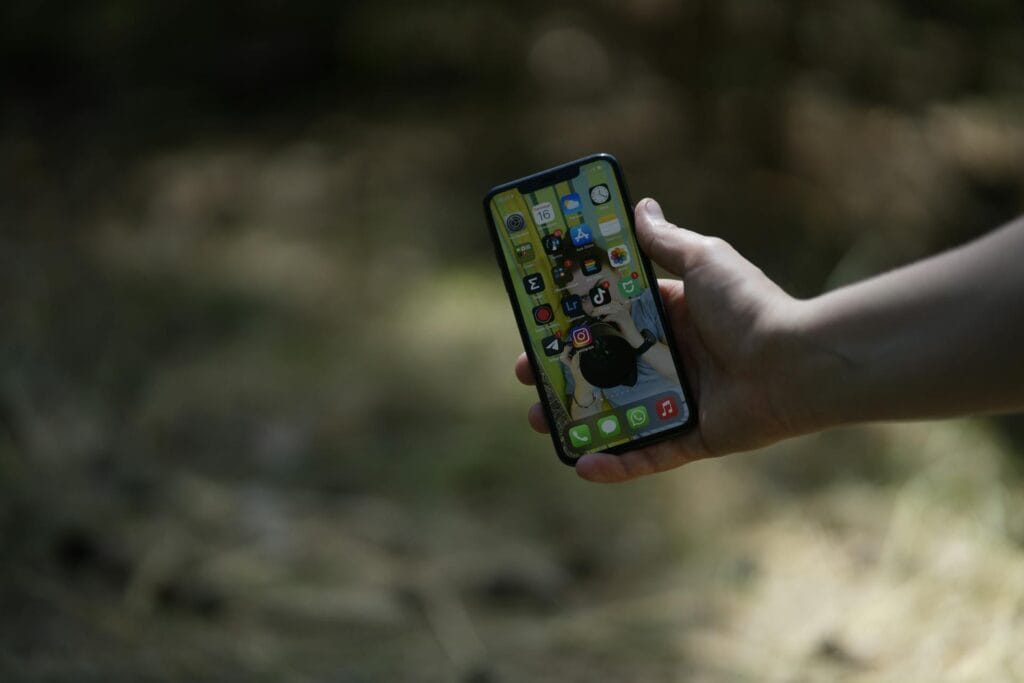
Why Does Opening Instagram Feel Like a Reflex Not a Choice?
Understanding why you open Instagram without meaning to does not stop the behaviour instantly. But it changes how the behaviour feels.
Shame softens into clarity.
The action stops being a moral failure and starts being an environmental mismatch. The brain did not change. The conditions did.
This matters because it shifts the question from what is wrong with you to what is being asked of your attention continuously.
The pattern extends beyond one app. It shapes how time is experienced. Days feel busy but thin. Rest feels interrupted even when nothing is happening. Attention never fully disengages.
The fatigue that follows is not from effort. It is from vigilance.
Once seen this way, the behaviour stops being mysterious. It becomes predictable.
The urge will return. The thumb will move. Awareness will arrive late again.
And in that moment, nothing dramatic needs to happen.
The loop does not need to be punished.
It only needs to be recognised for what it is.
The social mind waiting for something to resolve.
Read Next: Deep questions to ask someone to know them better (that actually work)
What is dharma? what the mahabharata knew about losing everything


 Psychology · Sep 22, 2026Chimpanzees Have Accents. They Grow into Them.
 The Margin · Sep 17, 2026People Are Seeing Ads in Their Dreams.
 Slow Meridian · Sep 16, 2026Autumn Leaves