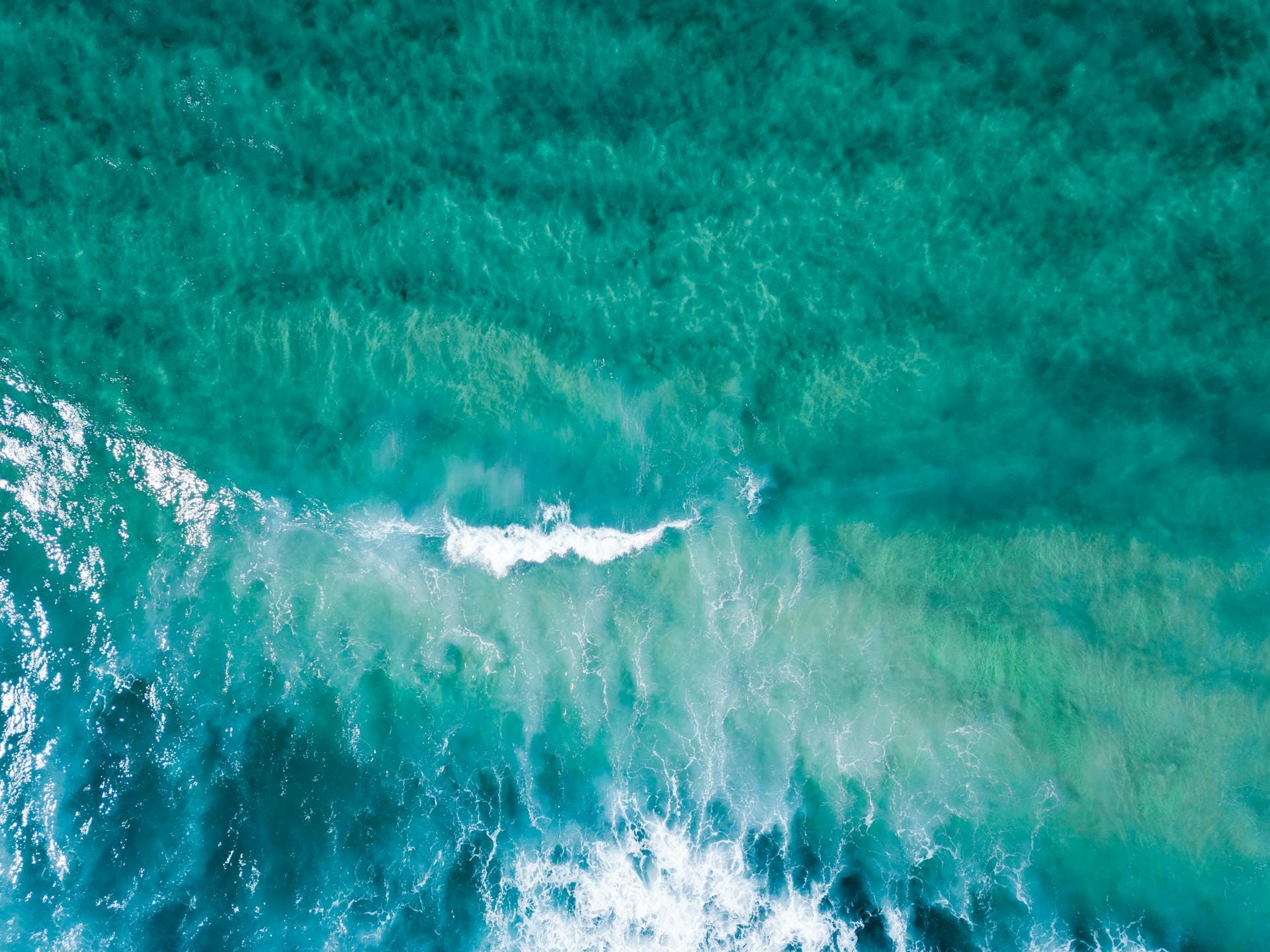
Why is Blue the most powerful colour in the world? Let us explore.
You’ve seen it. Your camera roll is proof. Beach photos. Sky shots. That airplane window pic you took for no reason. Even your phone’s default wallpaper probably leans blue. You didn’t plan it. It just keeps showing up.
Open Instagram. What’s trending? Blue water. Blue skies. Blue infinity pools. Blue mountains fading into the distance. The most viral images on the internet share the same color palette.
Multiple global surveys show that blue is the most popular favorite color worldwide, preferred by roughly 40 percent of people, far ahead of any other color. Here’s the weird part: Blue isn’t even that common in nature.
Think about it. Grass is green. Dirt is brown. Trees, animals, rocks, most of the world runs on earthy, muted tones. You see green and brown everywhere, all the time. But when nature wants to make a statement? It goes blue.
The sky is blue. The ocean is blue. Mountains in the distance fade to blue before they vanish completely. When things get vast, they get blue.
Blue doesn’t show up in your immediate surroundings. It shows up at scale. It’s the color of things too big to touch. Too far to reach. The horizon you can’t walk to.
And there’s a reason for that. Color psychology has long studied how blue affects the nervous system. Controlled studies show blue environments reduce heart rate and perceived aggression compared to red ones.
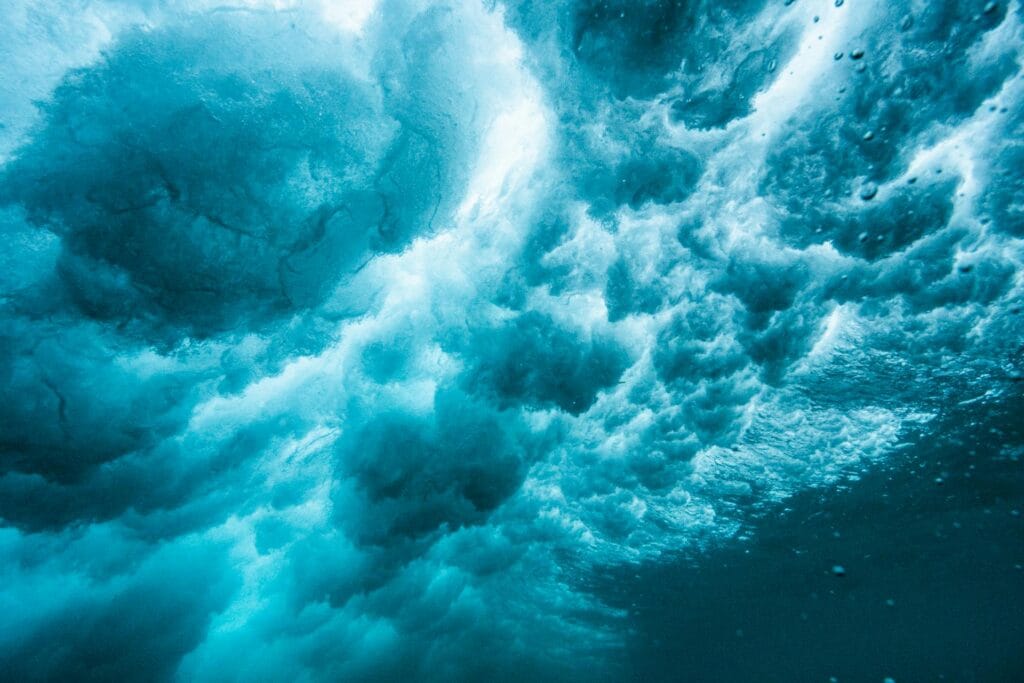
Why Is Blue the Most Powerful Colour: Illusion
Sunlight looks white, but it’s actually carrying a whole rainbow of colors. When that light travels through air or water, some colors get filtered out faster than others.
Red disappears first. Then yellow. What survives the longest journey? Blue.
The sky is blue because tiny air molecules scatter blue light more than other colors. The ocean looks blue because water absorbs warm tones and leaves the cool ones behind.
Blue isn’t painted on. Blue is what remains.
That’s why it dominates the biggest spaces on Earth. It’s not chosen, it’s left over after physics does its thing. Blue wins by outlasting everything else.
And here’s where it gets weirder.
True blue pigments almost don’t exist in nature. Most blue animals aren’t actually blue. The blue morpho butterfly? Its wings aren’t blue because of dye—they’re blue because of microscopic structures that bend light in a specific way.
Crush those structures and the blue disappears.
Even blue flowers are rare. Less than 10% of flowering plants produce true blue blooms. Most “blue” flowers you see are actually violet or purple. True blue requires specific pH levels and rare pigment combinations that most plants just don’t have.
Blue birds? Same trick. Blue jays don’t have blue pigment in their feathers. Their feathers contain cells that scatter light to create the illusion of blue. If you grind up a blue jay feather, it turns brown.
Blue light scatters far more efficiently than red light, which is why it dominates the sky and branding research consistently shows blue is perceived as more trustworthy than red or yellow.
Blue in nature is often a performance. An optical illusion. The sky and ocean aren’t “made of” blue—they just reflect and scatter light in a way that looks blue to your eyes.
The largest, most dramatic visuals on Earth are colored not by substance but by distance and light. Blue only appears when light travels far enough.
And maybe that’s why it feels so powerful. It’s not solid. It’s not guaranteed. It’s what happens when the world stretches beyond your reach.
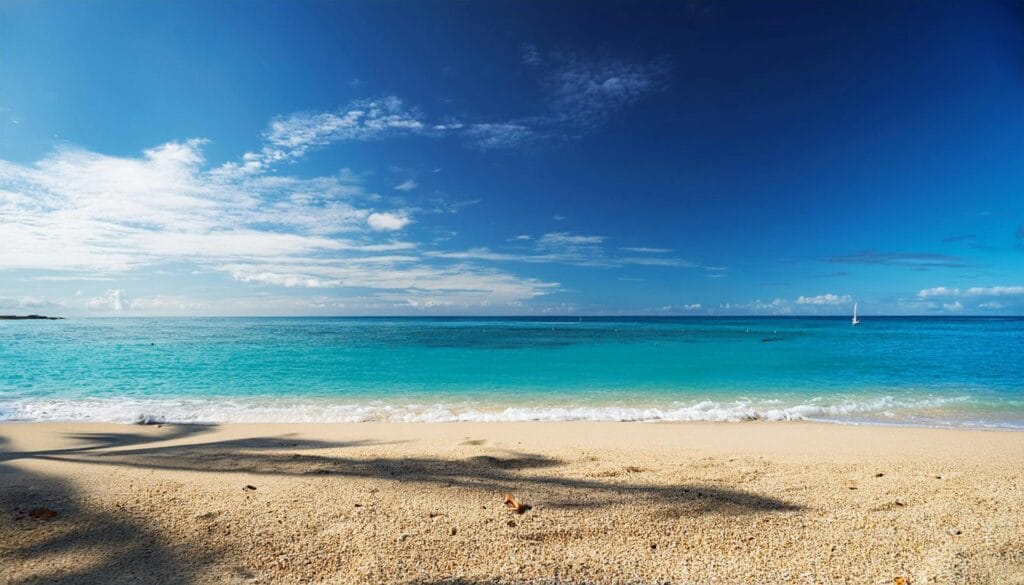
Why Is Blue Calming When Everything Else Isn’t
There’s a reason every meditation app, bank logo, and tech company uses blue. It calms you down without you even noticing.
Why is blue the world’s favorite color? Scroll through your camera roll and you’ll see it everywhere.
Your ancestors looked at wide blue skies and open water and understood something simple: space means safety. Visibility means fewer threats. Blue meant you weren’t trapped in a dark cave or dense forest where predators hide.
Your body still remembers that.
Studies on color psychology consistently show blue lowers heart rate and reduces feelings of aggression. Red raises your blood pressure. Yellow can increase anxiety in large doses. But blue? Blue tells your nervous system to stand down.
Try this: Picture a bright red room. Now picture a soft blue one. Your body reacts differently before you even think about it.
Blue slows things down.
That’s why hospitals use blue-green tones. Why airports and train stations lean into blue palettes. Why your hotel room probably has blue accents. It’s crowd control through color. When you’re managing thousands of stressed people in a confined space, blue keeps the energy from spiking.
But here’s where it gets uncomfortable.
If blue signals distance, and distance feels safe, can we say are we obsessed with blue because we’re desperate to escape?
Look at how people talk about the ocean. The sky. “I just want to stare at the horizon forever.” Blue doesn’t just calm you. It pulls you away.
You’ve felt it. That urge to disappear into something vast and blue. To be somewhere with no walls, no notifications, no decisions. Just open space and that endless cool tone.
Blue is the color of wanting out.
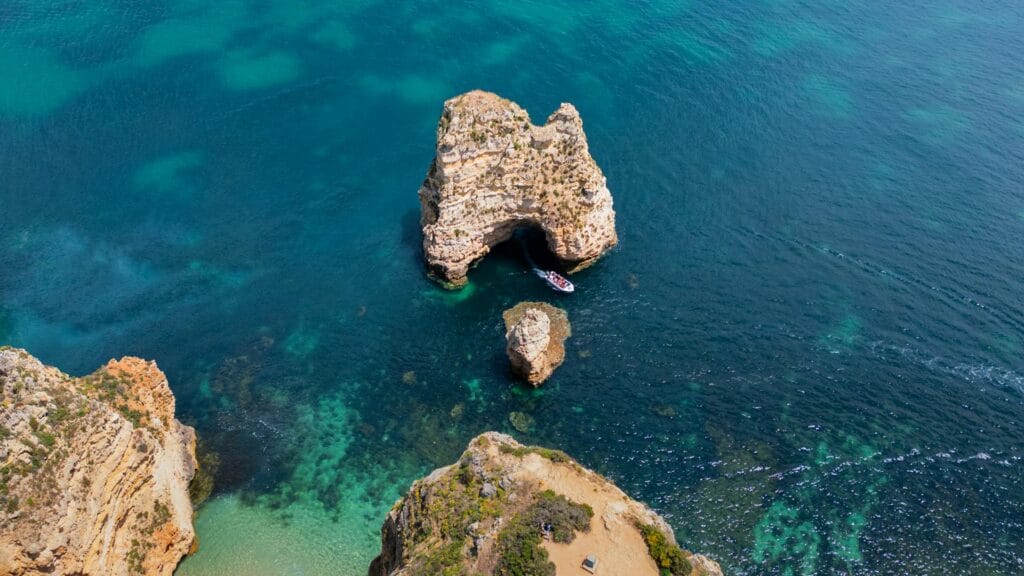
Blue Sky Psychology Explains Why We Can’t Stop Taking the Same Photo
Every sunset photo you’ve ever taken looks the same. Golden hour fading into deep blue. You’ve posted it. Your friends have posted it. Strangers on the other side of the world have posted it.
Why do we keep doing this?
Because blue at scale does something no other color can. It creates the illusion of infinite space. When you look at a blue sky or a blue ocean, your brain can’t find the edge. There’s no immediate boundary. No clear stopping point.
That feeling of looking at something with no visible end is rare in modern life.
You live in boxes. Your apartment has walls. Your office has walls. Your car has a roof. Even outdoor spaces in cities are defined by buildings and streets. Everything has edges.
Except the sky. Except the ocean.
Blue is the only color that consistently presents itself without limits. And your brain craves that. Not because it’s pretty. Because it’s proof that open space still exists.
That’s blue sky psychology in action. The color isn’t just calming, it’s expansive. It tells you there’s more room than you thought. More air to breathe. More space to move. And in a world that feels increasingly cramped, crowded, and overwhelming? That hits different.
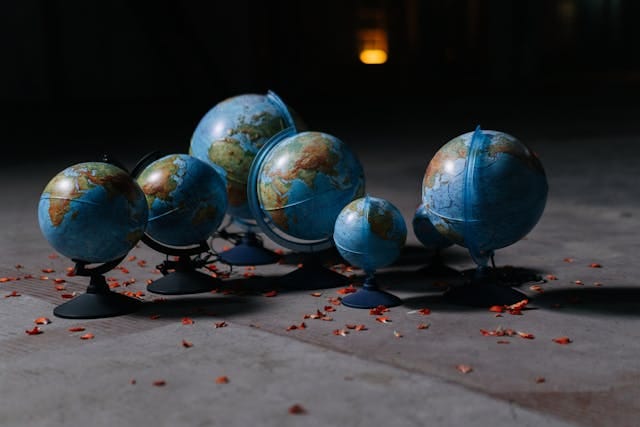
So when you scroll through travel photos and every single one leans blue, it’s not a coincidence. It’s not even aesthetic preference. It’s people trying to capture the feeling of space. Of distance. Of being somewhere bigger than their everyday life.
Blue is the color of scale. At arm’s length, the world is messy. Multicolored. Chaotic. But zoom out? It simplifies. It cools down. It turns blue.
When you point your camera at something vast—an open sky, an endless ocean, mountains stretching into haze, making it all looks the same. Blue.
That’s not decoration. That’s physics meeting your perception.
And that’s why blue dominates your feed. Every time you see it, it’s a reminder that something out there is bigger than the room you’re sitting in. Bigger than your screen. Bigger than your day.
You keep double-tapping it because, for a second, it makes you feel like there’s more space than you thought.
Like maybe you could disappear into it if you wanted to.
And some days, that’s exactly what you need.
Further Reading: Why are human babies so helpless at birth?
What I learnt from my kurdish barber in london
Deep questions to ask someone to know them better (that actually work)
 Psychology · Sep 22, 2026Chimpanzees Have Accents. They Grow into Them.
 The Margin · Sep 17, 2026People Are Seeing Ads in Their Dreams.
 Slow Meridian · Sep 16, 2026Autumn Leaves