
Ads in dreams sound like something somebody made up for a meme. I first saw people joking about them on Instagram. Proper advertisements, they said.
Brand names, logos, products, even dreams that seemed to stop for a commercial before continuing.
The comments were exactly what you would expect.
Apparently sleep has a premium version now.
Someone needs to invent an ad blocker for the brain.
Funny enough to scroll past.
Except I didn’t.
I searched it.
And somewhere between Reddit threads about people dreaming of Pizza Hut and jokes about paying for Dream Premium, I found something considerably less funny.
Advertisers have actually experimented with putting brands into people’s dreams.
Scientists have been studying how to influence dreams too.
And sleep researchers have already warned about what could happen if those two things properly meet.

Why Are People Seeing Ads in Dreams?
That part is important.
There is no evidence that companies can remotely beam a commercial into your dream while you sleep.
If you dreamed about Nike last night, Nike probably had nothing to do with it.
Dreams already borrow heavily from waking life.
People appear in them. Places appear. Conversations return. Something you watched before bed can show up hours later in a completely different form.
Advertising can obviously come along for the ride.
Think about how much of it we see.
Ads.
You watch YouTube.
Ads.
You search Google.
Sponsored results.
You watch a football match and half the stadium is advertising something.
Even the person making pasta on your phone suddenly stops halfway through to explain which VPN they use.
We have spent years teaching our brains what an advertisement looks like.
The logo.
The voiceover.
The product shot.
The interruption.
Even the little countdown before the Skip button appears.
So when someone dreams about an advertisement, the simplest explanation is probably the correct one.
The brain is using material it already has.
Then I found Coors.

Coors Actually Tried This
In 2021, Coors Light ran one of the strangest advertising campaigns I have ever come across.
The company wanted people to dream about Coors.
Literally.
Before the Super Bowl, Molson Coors worked with dream researcher Deirdre Barrett on an experiment using something called targeted dream incubation.
Participants watched a short film containing Coors imagery before sleeping. There were mountains, streams, cool air and, unsurprisingly, Coors products.
They then listened to an audio track while falling asleep.
The intention was to encourage some of those ideas and images to make their way into their dreams.
Molson Coors openly described the campaign as an attempt to put an advertisement inside people’s dreams.
It sounds ridiculous until you realise the science underneath it is real.
Can Ads in Dreams Actually Be Influenced?
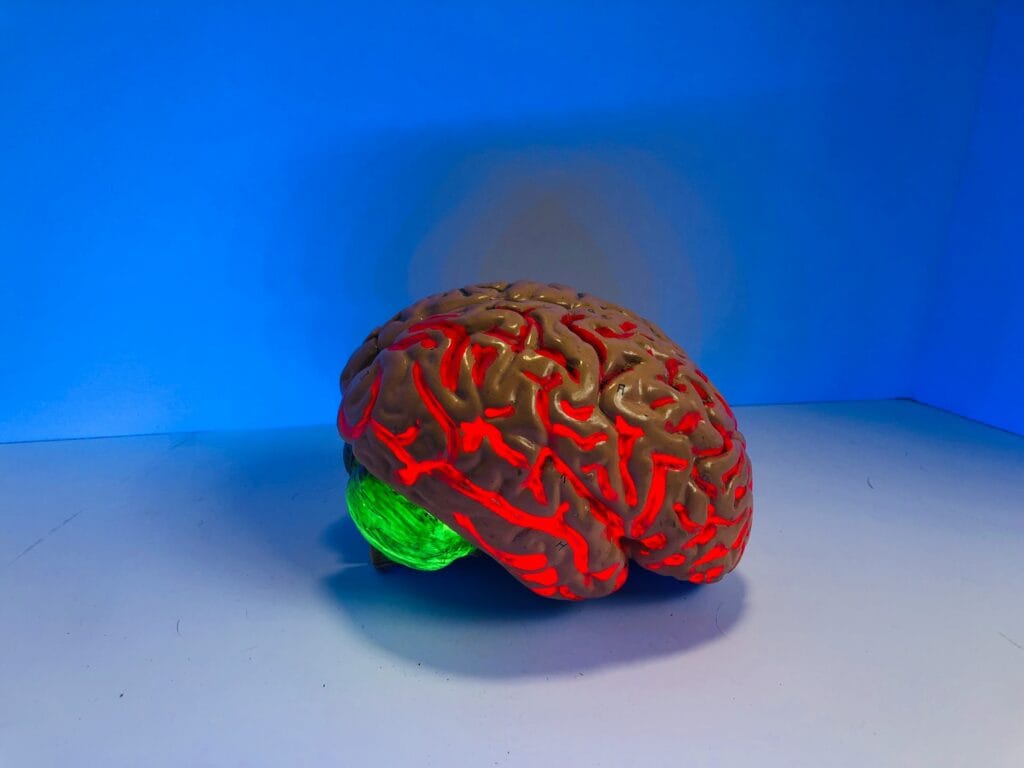
Researchers at the MIT Media Lab have developed a technique called Targeted Dream Incubation, usually shortened to TDI.
The basic idea is surprisingly easy to understand.
There is a period when you are falling asleep where you are no longer properly awake but you are not deeply asleep either.
It is called hypnagogia.
During this stage, the brain can still respond to things happening around you.
MIT researchers built a system called Dormio that detects when somebody enters this state and gives them audio prompts.
Someone might hear a word such as “tree” while drifting into sleep.
Researchers can then wake the person briefly, ask what they were dreaming about, and repeat the process.
The researchers found that prompted subjects could reliably appear in people’s dreams.
The original purpose was not advertising.
Researchers have been interested in whether dreams can help us understand creativity, memory, emotion and other parts of cognition. MIT’s work has also found that dream incubation can influence creative performance.
It is genuinely fascinating research.
Which is exactly why the advertising part gets uncomfortable.
Scientists Noticed Where This Could Go
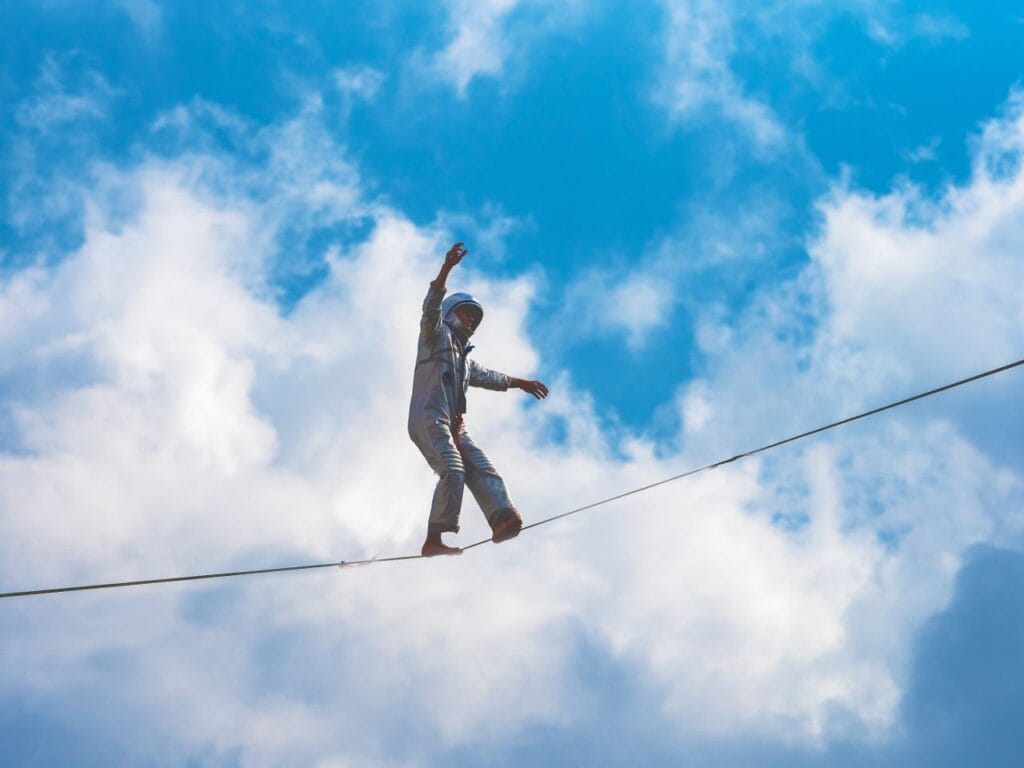
After companies began showing interest in dream advertising, sleep researchers started raising concerns.
An open letter signed by dozens of researchers warned about the commercial use of dream incubation technology.
MIT Media Lab later highlighted those concerns, describing dream advertising as a possible new frontier for marketers and pointing directly to the Coors experiment.
The worry is not that companies have perfected dream advertising.
They have not.
It is that we are getting better at influencing the sleeping brain at the same time that companies are becoming better at knowing when we are asleep.
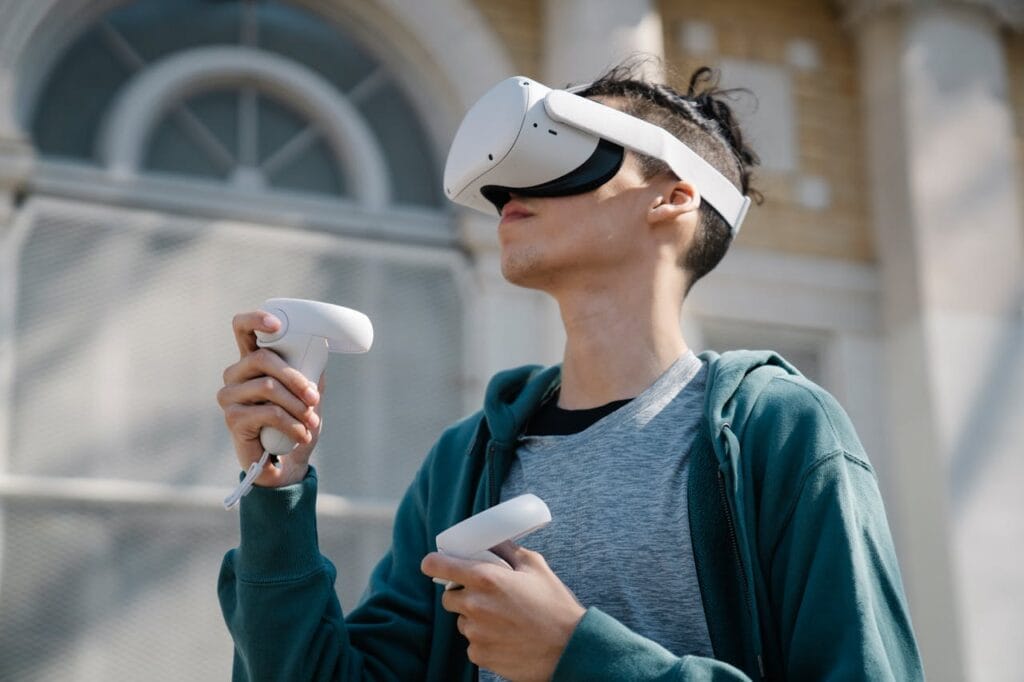
Look at what already sits beside the bed.
A phone.
A smartwatch.
Wireless headphones.
A smart speaker.
Sleep trackers.
Apps designed specifically to listen to you breathe, move and snore.
Some devices can already make a reasonable guess about when you fell asleep and what stage of sleep you are in.
For medicine and research, that can be extremely useful.
For advertising, it raises a much stranger question.
If a company eventually knows exactly when your brain is most receptive to a particular sound, should it be allowed to use that moment to sell you something?
Advertising Has Always Followed Attention
This is the part I keep thinking about.
Advertising tends to go wherever human attention goes.
Newspapers got advertisements.
Then radio did.
Television did.
The internet did.
Search engines did.
Social media did.
Streaming did.
Video games did.
Your inbox did.
Your notifications did.
Influencers somehow turned conversations about skincare and breakfast into advertising space too.
Every new place we spend time eventually becomes somewhere somebody wants to sell us something.
Sleep has mostly escaped this.
You can spend eight hours unconscious and nobody gets to show you a banner ad.
For now.
And that makes dreams unusual.
They may be one of the last parts of ordinary life where our attention is not commercially available.
Researchers are essentially warning us not to assume it will stay that way.
The Weirdest Part Is That Ads Are Already Inside Our Dreams
Just probably not for the reason the memes suggest.
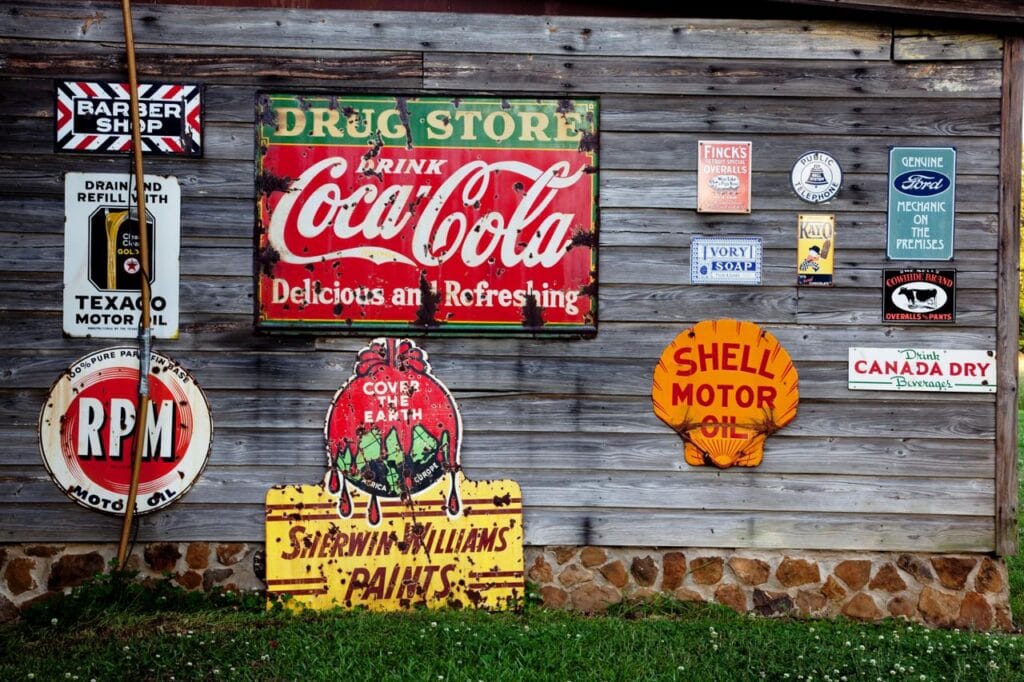
Nobody needs to secretly insert Coca-Cola into your dreams if you have already looked at Coca-Cola hundreds of times.
The brand is already stored somewhere in your memory.
So is Amazon.
So is Netflix.
So is McDonald’s.
So is the sound of a YouTube advertisement beginning just when the video gets interesting.
Our dreams use pieces of our lives.
Advertising has become one of those pieces.
That may explain why people online describe dreams with logos, products and even something resembling commercial breaks.
It does not prove anyone put them there.
It proves something much simpler.
We see so many advertisements while we are awake that our sleeping brains have started treating them like normal scenery.
The strange future is not a company finding a way into your dreams.
Scientists already know dreams can be influenced.
Advertisers already know that too.
The real question is whether we are going to let them try.
Read Next: You Pay Taxes. Then You Pay Again. Then Again. This Is Not an Accident.
Your Brain Does Not Know Where You End. It Is Always Guessing.
What I Learnt from Getting Chiang Mai Completely Wrong
What Living in London Actually Feels Like. Nobody Warned Me.


 Psychology · Sep 22, 2026Chimpanzees Have Accents. They Grow into Them.
 Slow Meridian · Sep 16, 2026Autumn Leaves
 The Prism · Jun 20, 2026You Finally Got There. Then You Started Looking for Somewhere Else to Be.