Author: Navneet Shukla

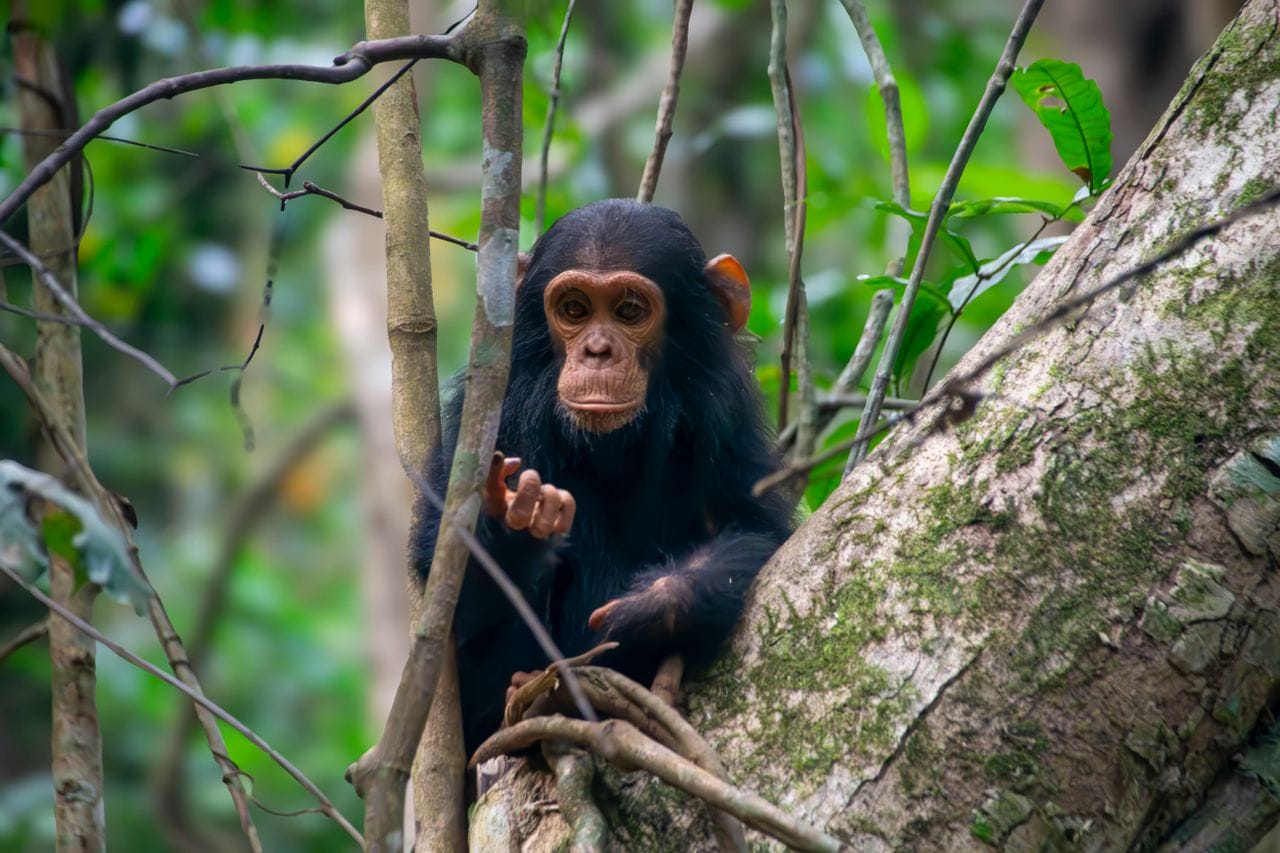
Chimpanzees Have Accents. They Grow into Them.
Do chimpanzees have accents? Until recently, I would have put that question in the same category as whether dogs have favourite songs. Interesting to think about, but probably difficult to prove. Then researchers listened to more than 11,000 sounds made by young chimpanzees living in two different parts of Africa. They listened to them laugh. They…
School Stress Is 4,000 Years Old. I Found the Evidence.
School stress feels like a modern problem. We usually blame exams, homework, competition, parents, teachers, university admissions, social media, or some combination of all of them. There is always something new making school harder. Then I found a boy worrying about exactly the same thing almost 4,000 years ago. He was scared of being late.…
People Are Seeing Ads in Their Dreams.
Ads in dreams sound like something somebody made up for a meme. I first saw people joking about them on Instagram. Proper advertisements, they said. Brand names, logos, products, even dreams that seemed to stop for a commercial before continuing. The comments were exactly what you would expect. Apparently sleep has a premium version now. Someone…
Yayati Spent a Thousand Years Chasing Enough. He Never Found It.
Kama Purushartha, the third of the four aims of life, is the one nobody fully warns you about. Not because it is forbidden. Because it does not end where you expect it to. There is a king in the Mahabharata who is given everything and still cannot stop. His name is Yayati. He rules a…
What I Learnt from Getting Chiang Mai Completely Wrong
Chiang Mai travel was not what I thought it would be. And I had been in Thailand long enough to think I knew what to expect. I had done Bangkok. I had survived the Grab bike situation, the ATM fees, the Khao San Road at midnight, the specific education of Soho Square that Bangkok has…
What Living in London Actually Feels Like. Nobody Warned Me.
London arrived in summer and it did not apologise for itself. Everything was alive and loud and slightly too much. The streets felt like they were performing. The parks were full. The pubs spilled onto pavements. Everywhere you looked, something was happening that you had not been invited to but were somehow already part of.…
What Thailand Quietly Teaches You When You Finally Stop Being a Tourist
Everyone you speak to in Thailand seems genuinely delighted to see you. Cheerful. Warm. Excited. The smile arrives before the conversation does. It took me longer than I would like to admit to understand what I was actually looking at. Not fake. Fake is the wrong word entirely, and too easy. What I was looking…
Ashwatthama Curse: The Wound That Never Closes.
The Ashwatthama curse is not a punishment for what he did. It is a punishment for what he became. After the war ends, after the sleeping children are killed and the last fire dies, Krishna faces Ashwatthama in a field. He does not kill him. He takes the gem from his forehead, the one Ashwatthama…
ChatGPT as Therapist Is What’s Wrong with Ethics Right Now.
The phrase is deceptive empathy. It is not from a novel. It is a formal category of ethical violation, assigned by licensed clinical psychologists, in a peer-reviewed study published in 2026. The definition: using phrases like “I see you” and “I understand” to create the appearance of emotional connection without any genuine understanding behind it.…
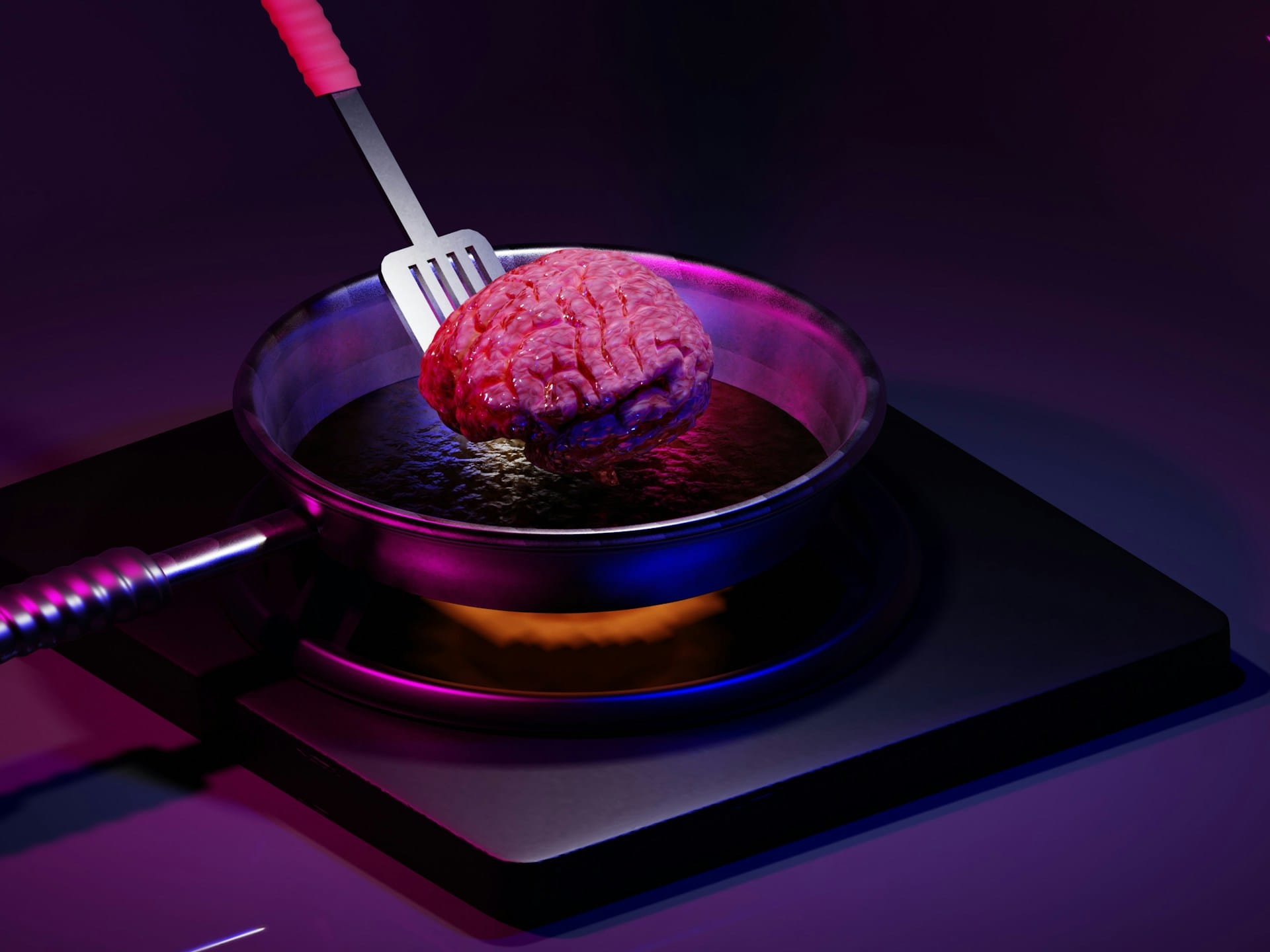
Your Brain May Be Running Low on Something.
Not serotonin. Not dopamine. Something much less discussed, and possibly more important to choline and anxiety than anyone knew until recently. A meta-analysis published in Molecular Psychiatry looked at 25 brain scan studies. It compared 370 people with anxiety disorders against 342 people without. The finding was consistent and measurable: people with anxiety disorders had…