Thailand travel tips that actually matter are not the ones in the guidebooks.
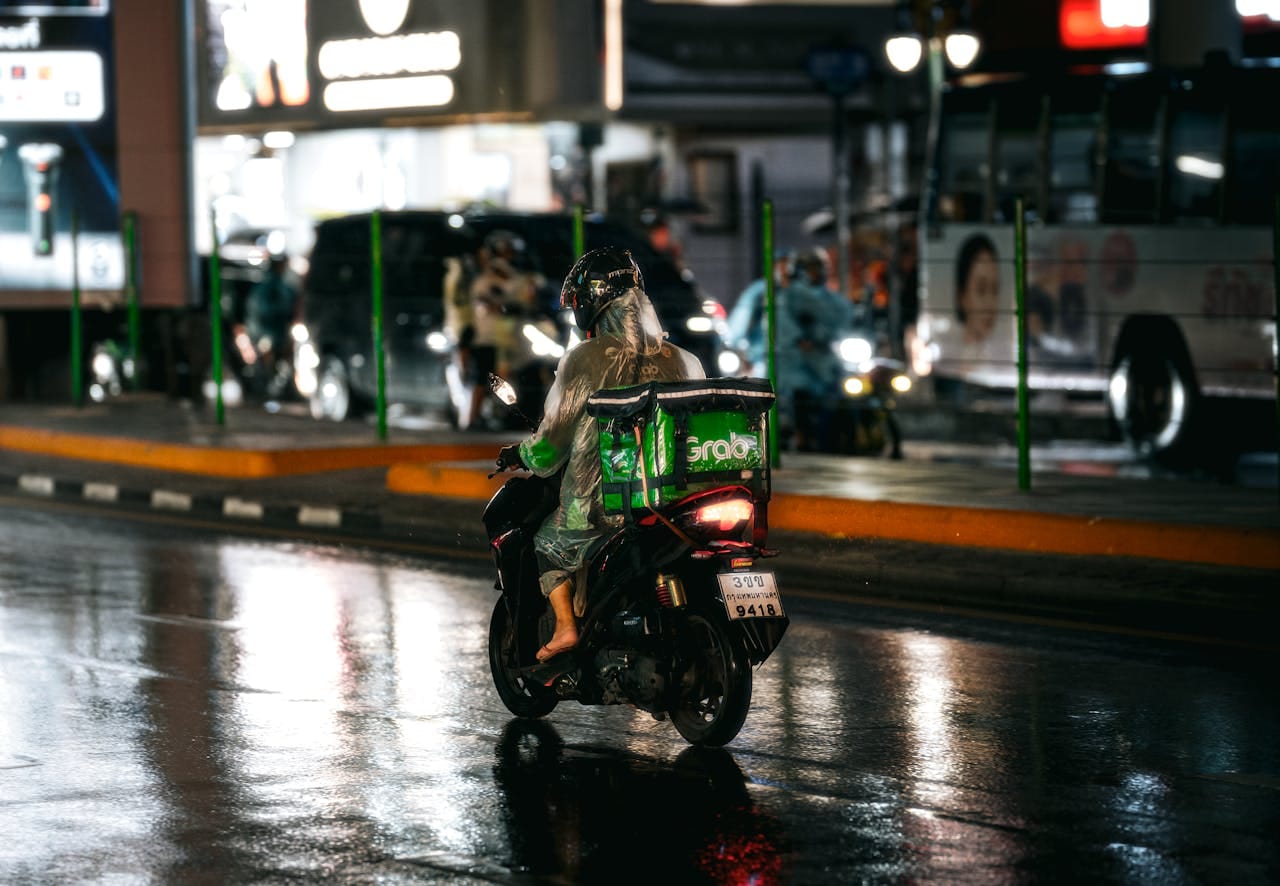
Not the ATM fees. Not the fruit boxes. Not the Grab bike at midnight on a wet road in Chiang Mai.
It will smile at you, hand you a menu, and let you figure it out.
I stayed long enough to figure most of it out. Here is everything I know, in the order you will need it.
Thailand travel tips start before you land
Bring cash from home. This is the single most important Thailand travel tip and almost nobody leads with it.
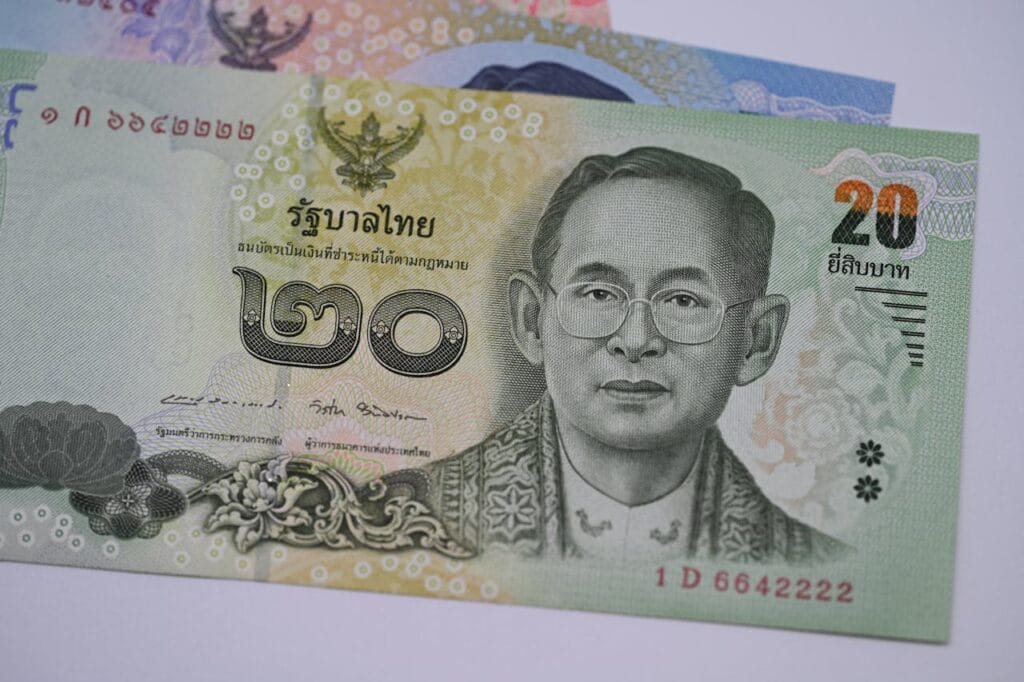
Every time you withdraw Thai Baht from an ATM here using a Visa card, you get charged a fixed 250 Baht fee. Mastercard charges 350 Baht fixed. Every single withdrawal. Non-negotiable. Only a handful of US banks refund this. Most do not.
The fix is simple. Bring your home currency, whatever you can carry, and go straight to SuperRich when you land. It operates across the country, offers some of the best exchange rates available, and will save you significantly over the trip.
If you do use your card, take out large amounts each time to minimise how often you pay the fee.
Revolut and Monzo work well here for UK travellers. Keep them as backup.
One more thing about cash. Card payments at most shops carry a surcharge of five to eight percent on the total. Temples, local markets, and smaller vendors often only accept cash. And at convenience stores like 7-Eleven, Lotus, and Big C, card payments require a minimum spend of 200 Baht. If you are picking up a small item, you will need coins or notes.
Cash is still king in Thailand. Treat it that way.
Where to stay: neighbourhoods that actually make sense
Do not book cheap accommodation far from the action thinking you are being smart. You are not. The money you save on the room you lose in transport, time, and energy.
Stay central. Two areas are worth knowing properly.
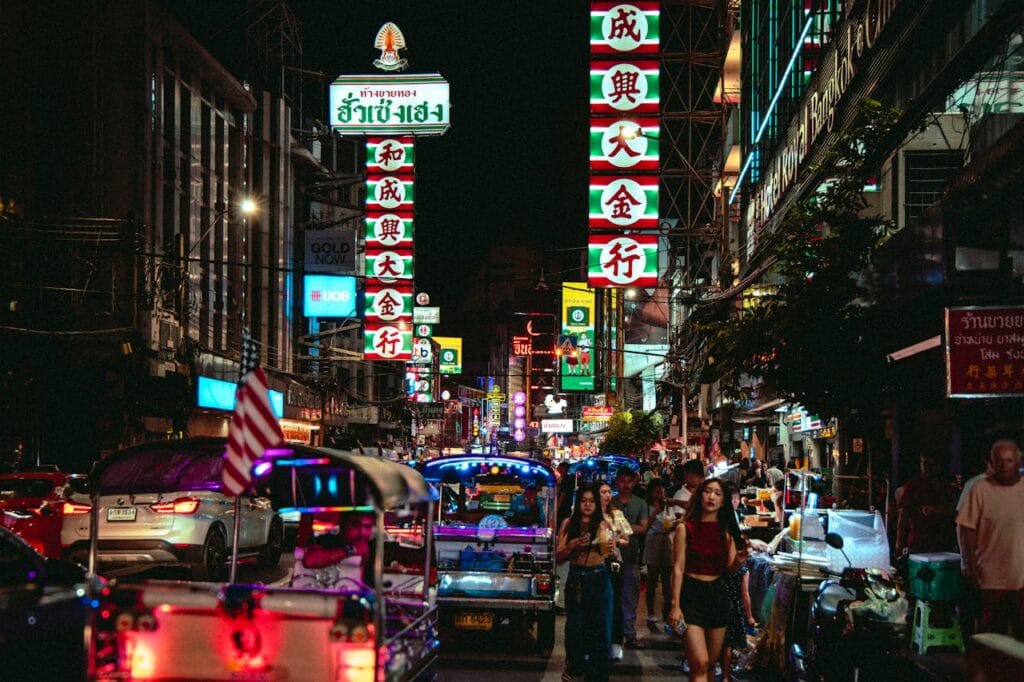
Khao San Road area is for energy junkies. It runs twenty-four hours, it is loud, it is relentless, and it genuinely grows on you. Good hostels, vibrant cafes, massage parlours, mango sticky rice at 2am. Ten minutes walk takes you to the Chao Phraya river, quiet green parks, golden bridges, and ferries moving slowly in the early morning.
It is sensory overload in the best possible way. Everyone should spend at least a few nights here.
Sukhumvit is the other option. Posh, relaxed, expensive. Different streets have different vibes and different nationalities who have quietly claimed them. If you want calm and comfort and do not mind paying for it, Sukhumvit delivers.
The river area sits between both worlds. Boutique hotels by the water offer peace, space, and occasionally coconut sellers appearing at your door.
The real tip on accommodation: find a place with a kitchen. Pans, an induction hob, basic utensils. This single decision can save you hundreds over a week and keep your body functioning properly in the heat.
What to eat: the formula that works
Eating out every meal in Thai heat is a fast route to a struggling stomach and an emptying wallet.
The formula that works is one proper meal outside, one snack outside, and the rest at home.
Breakfast at the room: overnight oats with a banana and yogurt. No cooking required. Cheap, filling, and your body will thank you by midday.
Quick meal when you need it: three eggs, three slices of toast, a handful of cherry tomatoes, and a couple of Thai chillies. Thai chillies have a different kind of kick. Use them.
The best Thailand travel tip for food that almost nobody mentions is Hainanese chicken. This is the best Thailand travel tip for food that almost nobody mentions. It is everywhere, it costs almost nothing, it is genuinely healthy, and the spicy chilli sauce that comes with it is extraordinary.
Fruits: stop buying the chopped boxes from street stalls. They are wildly overpriced. Open Grab, order fresh fruit in bulk from a local mart. Same fruit, fraction of the price, delivered to you.
Electrolytes: buy a pack from 7-Eleven, Lotus, or Big C and drink one a day if you are walking and in the sun. The heat here is serious. Your body loses more than you think.
Never drink tap water. Buy six-litre bottles from 7-Eleven or order them on Grab. This is not optional.
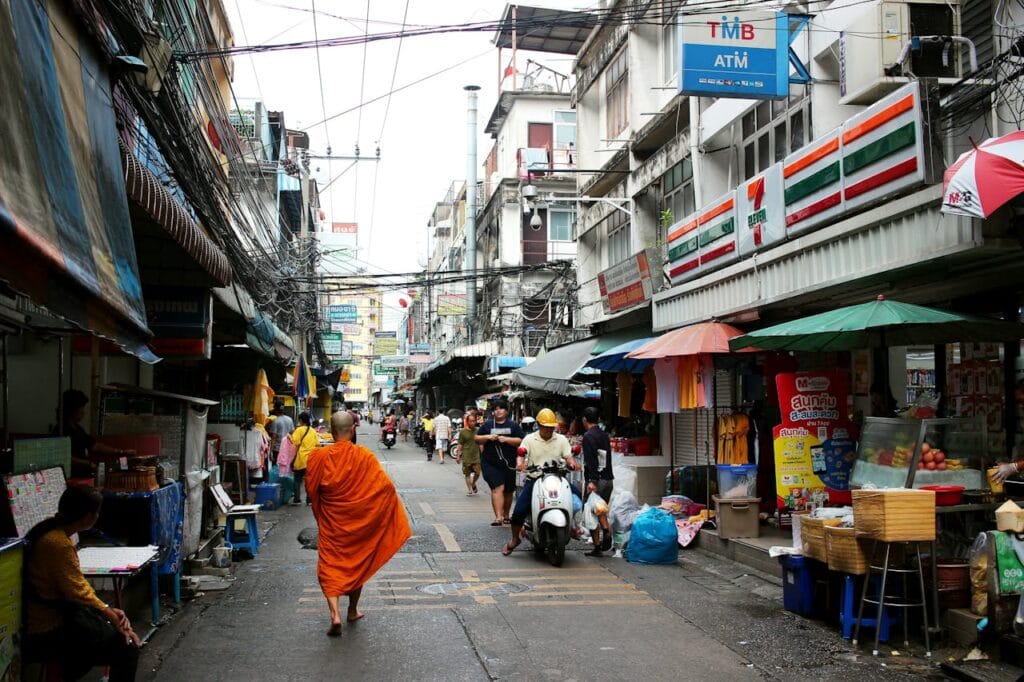
Getting around: what to take and what to avoid
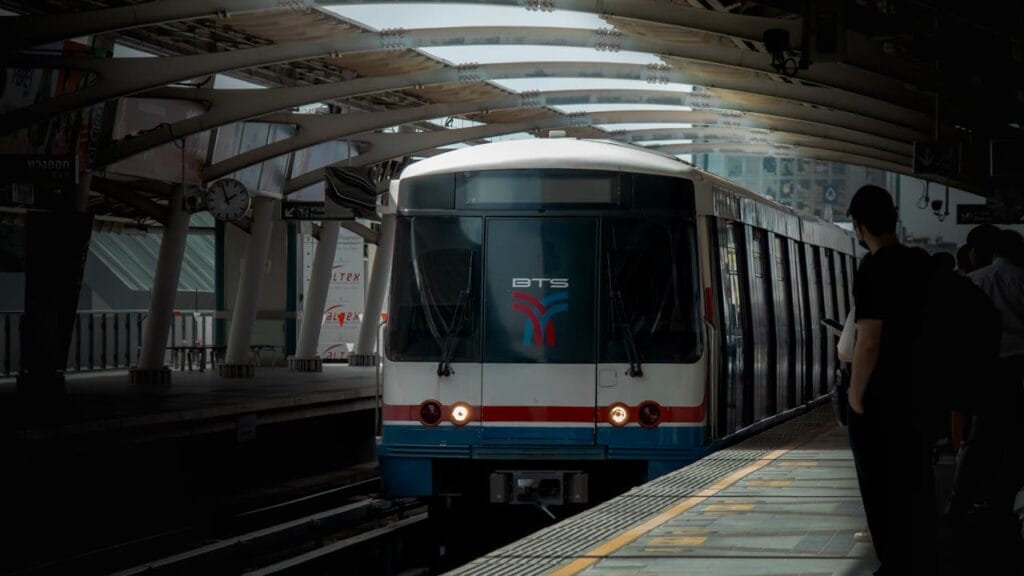
BTS Skytrain in Bangkok is smooth, air conditioned, affordable, and if you are travelling light it connects the airport to the city without the need for a cab. Use it.
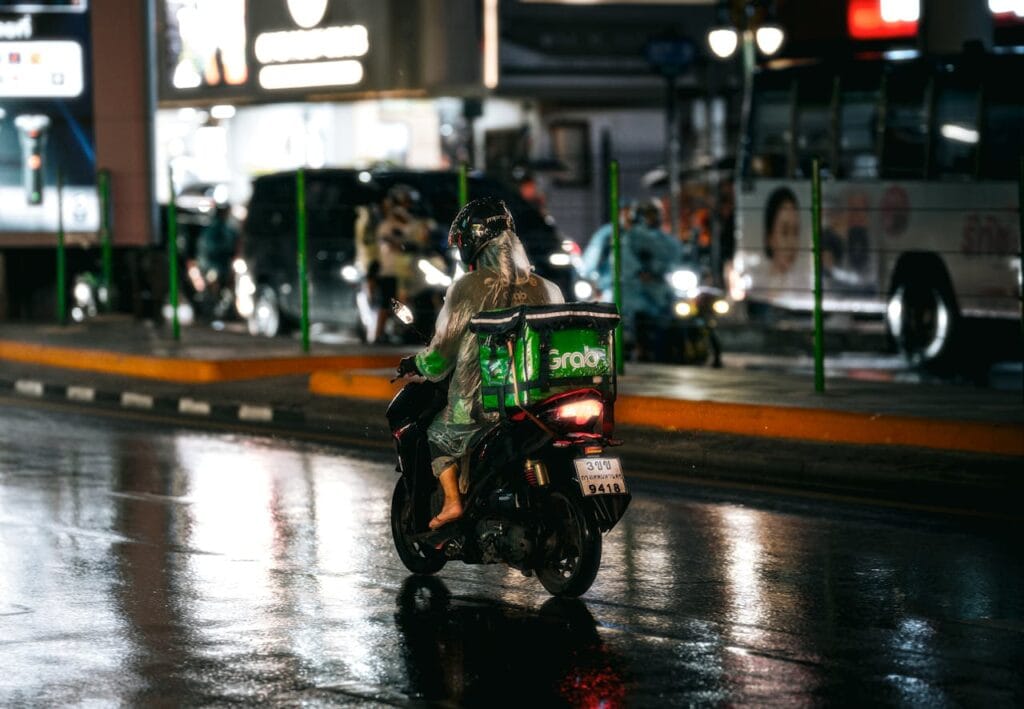
Grab cars are reliable and fairly priced. Use them for most journeys.
Grab bikes need a separate conversation. Thailand has one of the highest road accident rates in Southeast Asia. I watched over a dozen crashes in Bangkok and Chiang Mai combined. If you take a Grab bike, wear the helmet they give you, hold the rail, and feel no shame about telling the driver to slow down. Avoid bikes at night, in rain, and in any area with heavy traffic.
Tuk Tuks are a one-time experience. Do it once for the story. After that, take a Grab.
Scooters: you need your home country driving licence and an International Driving Permit. Without both, you will get stopped and fined. They will find you. Do not try to be clever about this.
Bolt works in Thailand and is roughly the same price as Grab. Worth having both apps.
SIM cards and staying connected
Two options worth knowing.
Airalo app is the only reliable way to get a local Thai phone number as a tourist. It costs more but if you need an actual number for app registrations and local calls, this is it.
Saily app is the cheapest data-only option. No phone number but the data is fast and affordable. Works on 4G and 5G. Network coverage across Thailand is genuinely impressive.
Most cafes, hotels, and restaurants have free WiFi that works well. You will not be stuck.
For payments, Moreta Pay allows you to pay business QR codes without a Thai bank account. It does not work for private QR transfers but covers most shops and restaurants. Paytm does not work reliably here. Save yourself the frustration.
Google Translate with the camera function enabled. Download offline maps on Google Maps before you leave the city. The 12GO app for trains and buses between cities. GPT or Gemini for quick decisions. That one three-second pause before you do something can save you real money over a week.
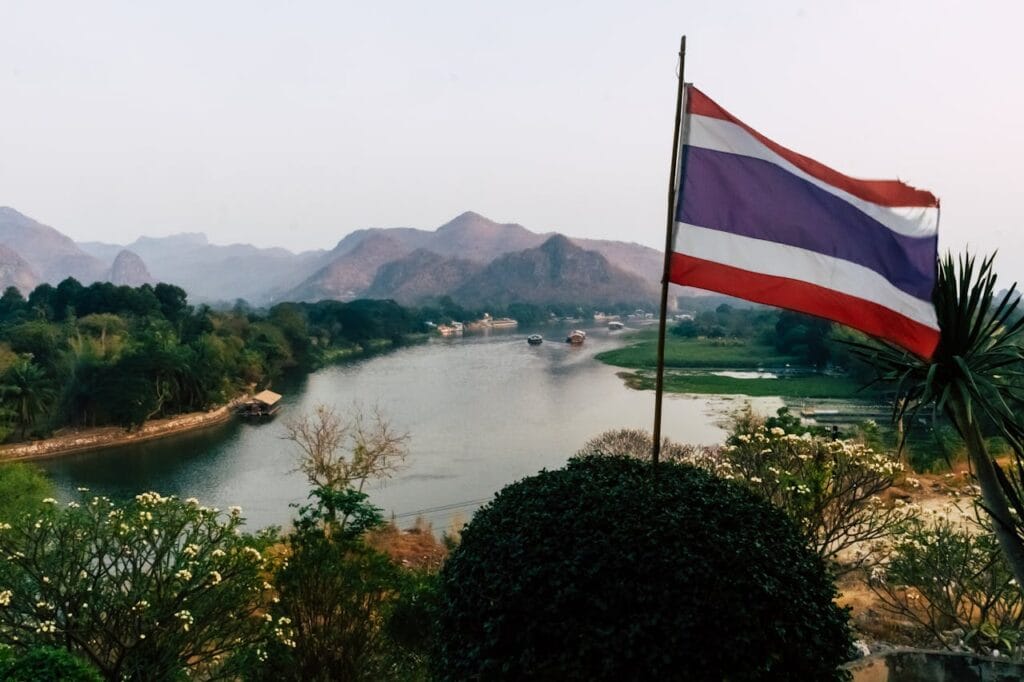
The sun, the heat, and your body
The locals wear full sleeves, masks, hats, and glasses in direct sunlight. There is a reason for this.
Reapply sunscreen throughout the day. A 50 SPF or above with moisturising properties works well for most skin types. Do not skip days. A bad burn in Thai heat takes longer to recover from than you expect.
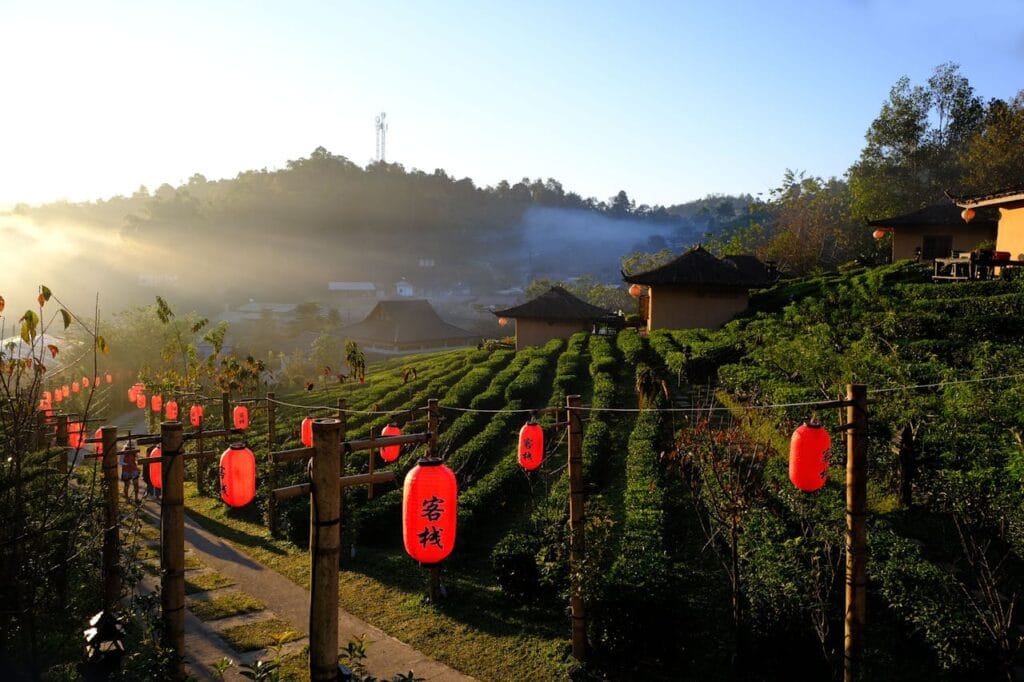
In Chiang Mai, if you are trekking into the mountains, bring a proper jacket. Temperatures at the top can drop to minus one degrees Celsius and feel significantly colder on a bike. Below the mountains, leave all heavy clothing at home. Jeans in Thai humidity is a decision you will regret within twenty minutes.
Shoes matter more than most packing guides admit. Bring the lightest shoes you own and a pair of sandals. Comfortable feet in this heat means more ground covered and more of Thailand actually seen. Adidas Gazelle works exceptionally well for city walking in summer heat.
Money habits that add up
Do not bargain outside the designated street markets. Prices at most regular shops and local vendors are already fair, often very fair. Asking for a discount where none is expected marks you as the tourist who does not understand where they are. Stop doing it.
Card payments at most places carry a five to eight percent surcharge. Pay cash where you can.
For long stays, furnished condos are available through Facebook groups for around 10,000 Baht per month. That is significantly cheaper than any hotel and most come with washing machines, which matters more than you think after week two of shared laundry situations.
Speaking of laundry: if your accommodation has communal machines, be careful. Commercial machines run 14kg loads. Delicate clothes do not survive them. A place with your own machine is worth paying slightly more for.
Most hotels have hairdryers. Do not pack one.
If you are from Europe, America, or most of Africa, bring a universal adapter. Indian plugs and chargers work natively in Thailand without any conversion.
Buy clothes here. Thailand has everything you need for hot weather dressing and it costs a fraction of what you would pay at home. A Uniqlo t-shirt bought here will make your days noticeably more comfortable.
The thing Thailand does not advertise
Nobody judges you here. That is not marketing. That is just accurate.
Thailand has absorbed enough of the world to have stopped being surprised by any of it. Whatever you are carrying, whatever version of yourself you brought on this trip, Thailand will not make it harder.
For anxious travellers, this is significant. The ease of it is real.
Be polite. Smile back. Greet people. Pull out Google Translate without embarrassment. Respect temples and sacred spaces without needing to be told.
Thailand gives generously to the traveller who pays attention.
The ones who do not pay attention still have a good time.
The ones who do have something else entirely.
(NONE OF THE LINKS IN THE ARTICLE ARE SPONSORED OR AFFILIATED)
Read Next: What I Learnt from a Grab Driver in Bangkok


 Psychology · Oct 17, 2026A Monkey Bite Killed the King of Greece
 Psychology · Oct 15, 202615 Surprising Facts That Sound Completely Made Up
 The Margin · Oct 13, 202615 Geography Facts That Sound Completely Made Up