Michael Ventris was fourteen years old when he decided to solve the puzzle.
On a school trip to an exhibition in London, he asked the archaeologist standing in front of him a question that changed his life.
The archaeologist was Sir Arthur Evans. Eighty-five years old, famous, the man who had excavated the palace of Knossos in Crete and pulled thousands of clay tablets from the earth. Tablets covered in a writing system nobody could read.
Did you say the tablets haven’t been deciphered, sir?
Evans confirmed they had not. Nobody had managed it. The script, called Linear B, had been sitting in museums for forty years. Every linguist and classicist who had tried to crack it had failed. This was in the year 1936.
The boy filed the information away.
The Problem That Refused to Leave Him Alone
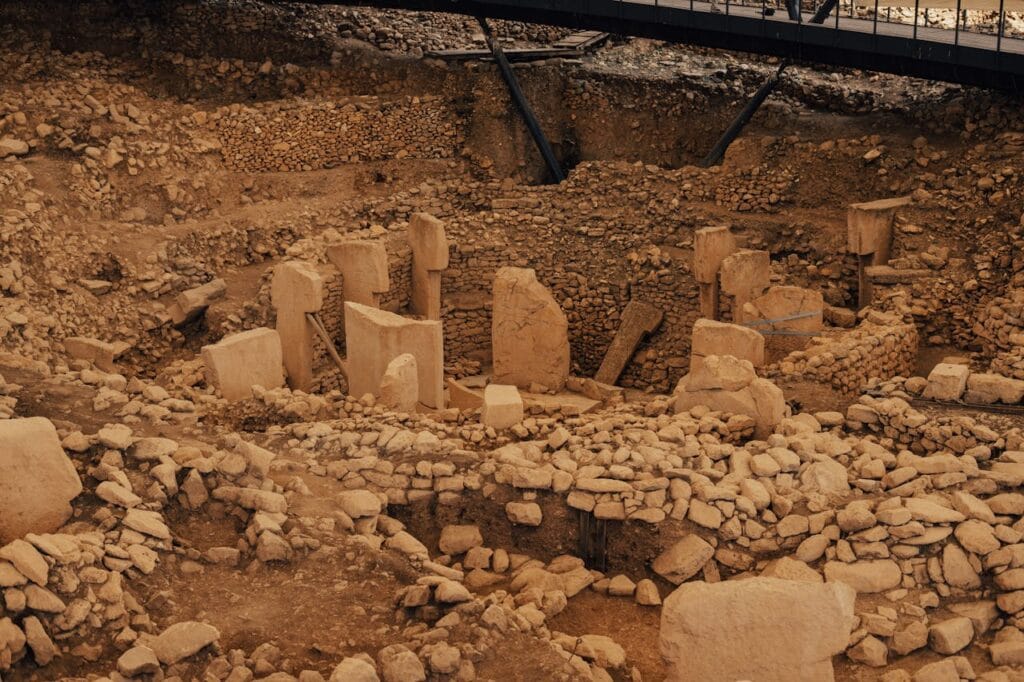
Linear B had been discovered at Knossos, Crete in about 1900 by Arthur Evans. It still baffled linguists and archaeologists decades later.
The script was ancient. The tablets dated to roughly 1400 to 1200 BC, the period of the Trojan War, the era that Homer wrote about. If Linear B could be decoded it would unlock the oldest known form of a civilisation that shaped everything that came after it.
Professional academics had spent careers on it. None of them had gotten close.
At eighteen, Ventris published a paper in the American Journal of Archaeology supporting the possibility of a relation between the script and another problematic language, Etruscan.
He was eighteen. He was not a linguist. He would go on to train as an architect, serve in the Royal Air Force during the Second World War, and build a career designing buildings.
But the script would not leave him alone.
He gave up his architectural job to work full-time on Linear B. His progress was recorded in a series of Work Notes which he circulated to scholars in various countries who were also working on the script.
He was doing this in the open. Sharing everything. Inviting correction. A man with no academic position and no institutional support, circulating his working notes to the world’s leading experts, asking them to tell him where he was wrong.
Michael Ventris was not trying to beat the professionals. He was trying to solve the problem. The distinction matters.

The Moment It Broke
Ventris was well on what would turn out to be the right track by February 1952. And yet, until a very late stage, he remained convinced that the language behind Linear B was related to Etruscan, just as he had first argued in 1940.
But over the next few months, as the code began to break, it became increasingly clear that, to his astonishment, the Linear B documents were written in Greek.
The oldest known form of Greek. Written in clay centuries before the Greek alphabet existed. Before Homer. Before Athens. Before almost everything the Western world traces itself back to.
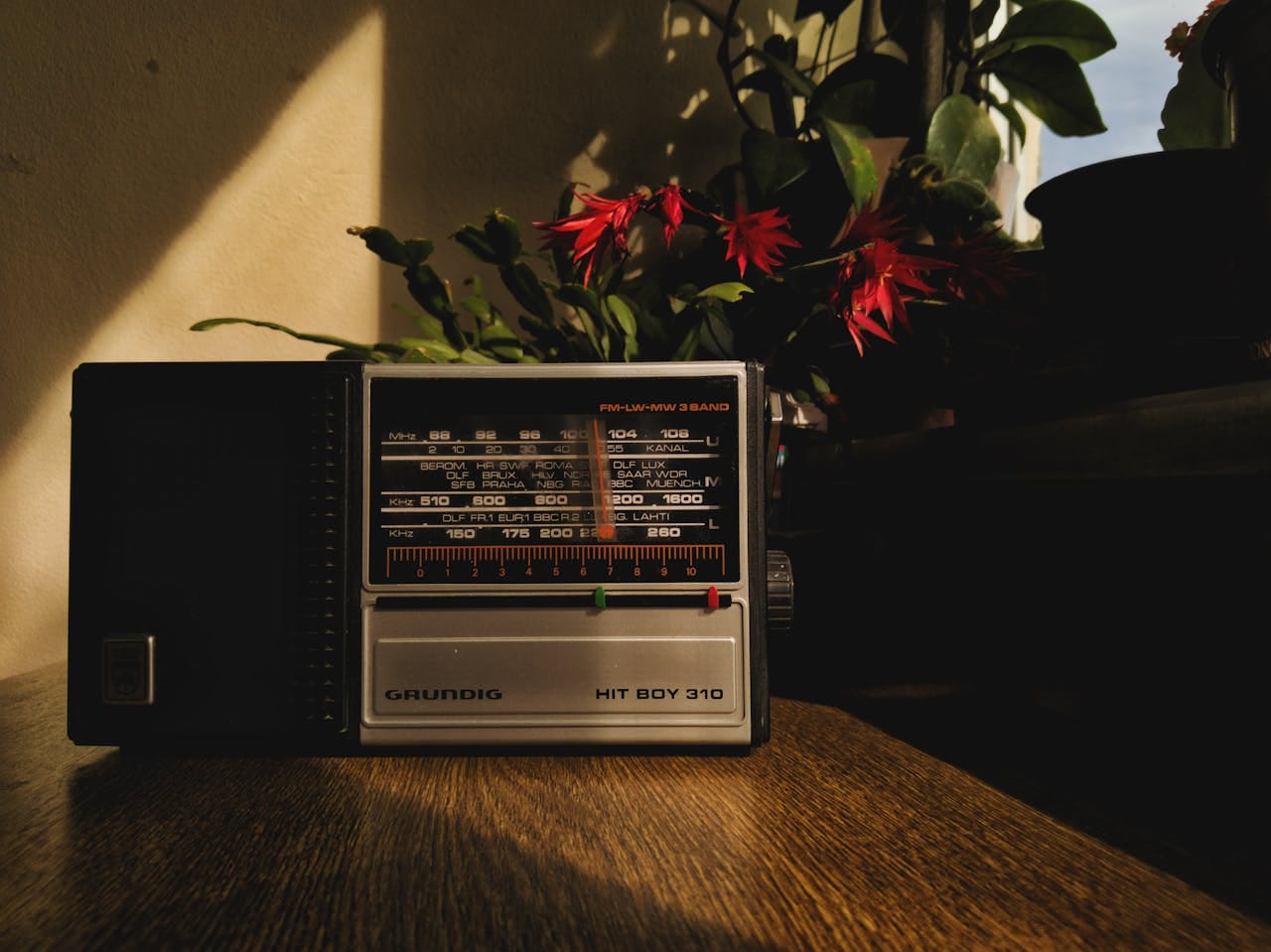
On 1 July 1952, Ventris announced his decipherment on a BBC radio programme.
A Cambridge philologist named John Chadwick heard the broadcast. He wrote to Ventris immediately. He said he wanted to help. Ventris wrote back that he had been feeling the need of a philologist to keep him on the right lines.
They began to collaborate.
The Front Page Nobody Remembers
The successful decipherment of Linear B was announced on the front page of The Times in 1953, right next to a story about Hillary conquering Mount Everest.
Two impossible things on the same morning. One of them became one of the most famous events of the twentieth century. The other is almost entirely forgotten outside academic circles.
Ventris was thirty years old. He had solved in his spare time what professional linguists had failed to solve for fifty years. He had done it with statistical analysis, obsessive pattern recognition, and the specific kind of focus that does not care what the problem is supposed to be.
He was awarded an OBE. He began work with Chadwick on a definitive book about the decipherment.

What Happened After
Having conquered his own Everest, Ventris lost his direction in life.
The thing that had organised him since he was fourteen was finished. The problem was solved. The work was done. The book was nearly complete.
In 1956, he died in a swift, strange car crash that may have been suicide. He was thirty-four years old.
Documents in Mycenaean Greek was published within weeks of his death. The book he had worked toward for years appeared in the world without him.
As a result, the story of one of the most breathtaking intellectual achievements in history remained incomplete for more than half a century. Ventris had planned to write a full account of his work, describing the incremental steps that led to his solution. He never got to.
The man who unlocked three thousand years of history left no record of how he did it. Just the notes he had shared with everyone while he was still figuring it out.

What Linear B Actually Contained
The tablets were not poetry. They were not philosophy. They were not the lost epics of a vanished civilisation.
They were inventory lists. Records of grain, livestock, wool, and bronze. Administrative documents from Bronze Age palace economies. The bureaucracy of a world that disappeared when those palaces burned around 1200 BC.
Hopes of finding pre-Homeric poetry have been disappointed.
What Michael Ventris unlocked was not a treasure chest. It was a filing cabinet. Three thousand years old, belonging to a world that ended violently and left almost nothing else behind.
The filing cabinet turned out to tell historians more about how Mycenaean Greece actually functioned than anything else that survived.
Ventris spent sixteen years solving a puzzle to find an inventory list. He found it anyway. He treated it like the most important thing in the world.
In a specific sense, it was.
Next Article: What I Learnt from a Grab Driver in Bangkok
Dronacharya and Arjuna: Why He Chose a Student over His Own Son
Solomon Shereshevsky: The Man Who Could Not Forget Anything
Every Other Country Tried to Scare Teenagers Off Drugs. Iceland Tried Something Else.

 Psychology · Oct 17, 2026A Monkey Bite Killed the King of Greece
 Psychology · Oct 15, 202615 Surprising Facts That Sound Completely Made Up
 The Margin · Oct 13, 202615 Geography Facts That Sound Completely Made Up