
There is a bottle of Harley-Davidson cologne behind glass in a museum.
The bikers hated it. The brand had spent decades building a mythology around leather and oil and the particular American promise of leaving. Then they bottled that mythology and put it on a shelf.
Riders felt it was a betrayal. It disappeared within two years.
The cologne sits in the Museum of Failure now. Next to Google Glass. Next to a children’s doll designed to teach compassion that instead terrified the children. Next to a four-hundred-dollar juicing machine that squeezed juice less effectively than a human hand.
The museum opened in Helsingborg, Sweden, in June 2017. It now travels. Over 159 products. Every one of them a decision that someone, somewhere in a boardroom, genuinely believed was correct.

What Companies Actually Do with Failure
Success has a publicity department.
When something works, there are keynotes and press events and careful choreography. The story gets told loudly and early and often.
When something does not work, the product is quietly discontinued. The team is reassigned. The press release is not issued.
This is not dishonesty, exactly. It is institutional instinct.
Samuel West, the clinical psychologist who founded the museum, put it plainly when it opened. We are too obsessed with success. We underestimate failure. Not because we do not experience it. Because we have built elaborate systems for making it disappear before anyone has time to look at it carefully.
The Museum of Failure exists because that instinct is, quietly, one of the most expensive habits in business.
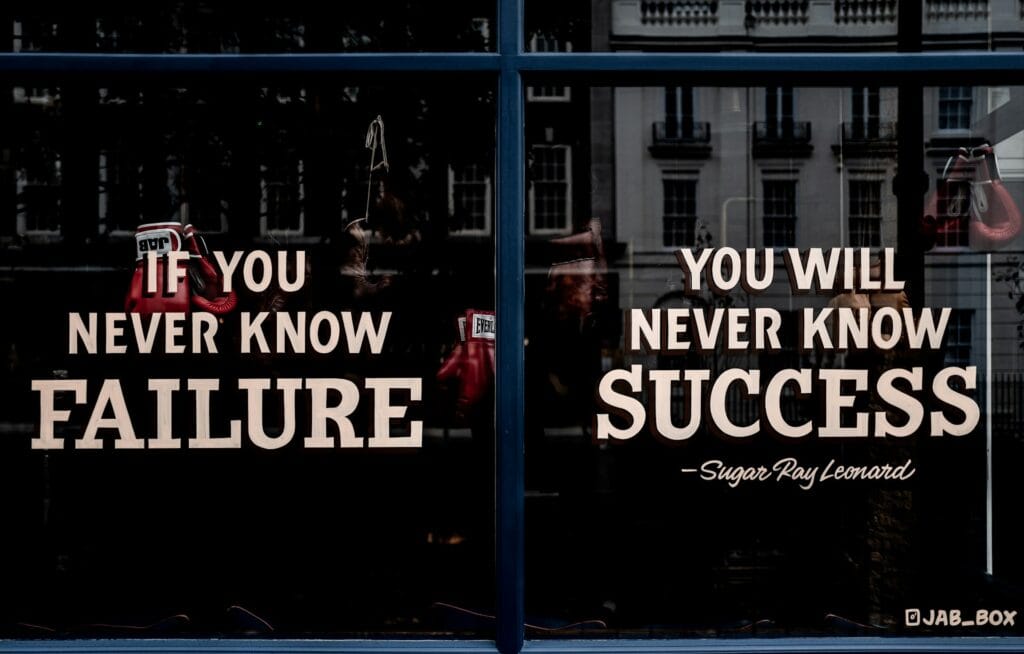
The Products That Explain It
The Apple Newton was a personal digital assistant released in 1993. Its handwriting recognition was famously poor. Users mocked it. It was discontinued.
The iPhone launched fourteen years later.
The Newton is not a footnote. It is part of the architecture. Every lesson Apple learnt about what people would not tolerate in a handheld device went into what they eventually built. The failure was not separate from the success. It was an early draft of it.
New Coke is the more counterintuitive case. Coca-Cola reformulated its recipe in 1985 based on extensive taste testing. The new version performed well in tests. It failed catastrophically in the real world.
Consumers were not just disappointed. They were furious. They felt something had been taken from them.
Coke reintroduced the original formula. What followed surprised everyone. Coke began outselling Pepsi for the first time in years. The failure had reminded an entire country that they cared about the product in a way no campaign had managed to.
New Coke did not just fail. It accidentally told Coca-Cola something about its customers that years of market research had not.
Google Glass got the technology right and the social contract completely wrong. Wearing Glass in public made everyone around the wearer uncomfortable. It created a surveillance anxiety before anyone had a word for it.
The problem was not the glass. It was the world it landed in.
Wearable computing did not go away. It adapted. Learnt different rules. Found different shapes. Glass was not the end of the idea. It was the first, painful draft of it.

Why the Museum of Failure Had to Exist
There is something that happens when failure is given a physical location.
A glass case. A placard. A curator who has thought carefully about what to say. Suddenly the object is not embarrassing. It is interesting. The context shifts from what went wrong to what it means.
This is what the Museum of Failure does almost automatically. It grants permission to look.
West is careful not to let it become a place of mockery. The items are not there to be laughed at. They are there because failure, examined honestly, is the most direct record of what people tried to understand and got wrong.
Every exhibit represents a genuine attempt. Harley-Davidson thought their riders wanted to carry the brand somewhere new. They were wrong about the form. They were not wrong about the instinct.
What Failure Actually Teaches
The lesson is not that failure is fine.
It is more precise than that. Failure is only useful if someone is paying attention before it disappears. The most valuable information in any organisation is the exact shape of where its assumptions were wrong. It is also the information most likely to be quietly removed.
The Museum of Failure is an argument against that removal.
The Juicero, the Newton, the Harley cologne, the Google Glass. All of them contain something real. Not a cautionary tale. A record. A set of precise notes about the distance between what the people building things believed and what the world actually was.
Most companies keep meticulous records of what worked. The museum exists because nobody was keeping records of anything else.
The bottle of cologne is still behind the glass. The bikers still would not wear it. But the question it raises, about what a brand actually owns and what it cannot sell, is the same question every company eventually faces.
Some answer it before the product ships.
Most answer it after.
Read Next: What the Mahabharata Knew About Generational Trauma That Science Is Only Now Confirming
What I Learnt from a Grab Driver in Bangkok
Fujifilm Instax Mini Review: Beautiful Camera, Terrible Odds