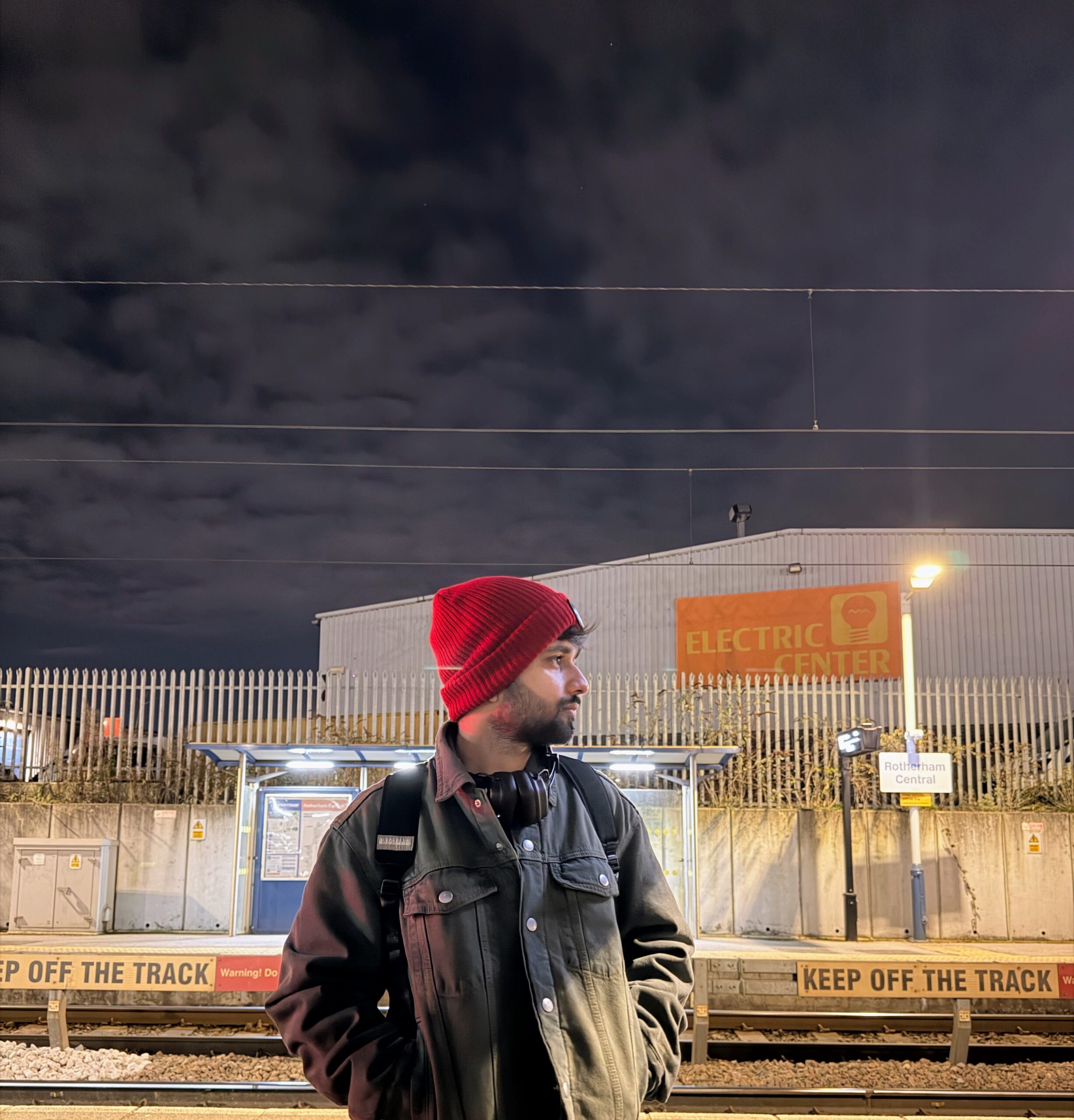
London arrived in summer and it did not apologise for itself.
Everything was alive and loud and slightly too much. The streets felt like they were performing. The parks were full. The pubs spilled onto pavements.
Everywhere you looked, something was happening that you had not been invited to but were somehow already part of.
I had come from Sheffield. Sheffield is a good city. A real city. But it is a city that makes sense.
London does not make sense. It just keeps going.
Living in London means accepting, fairly early, that you will never fully understand where you are.
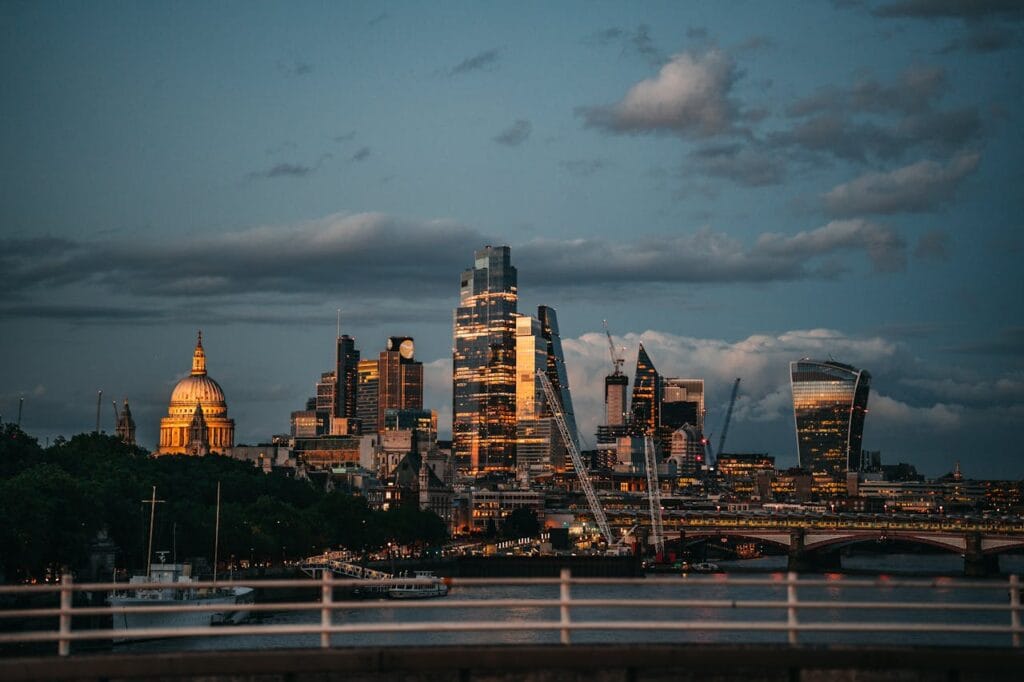
The Bike Problem, Which Is Also Not About Bikes
I started cycling. Most people do eventually.
It is either that or you surrender your soul to the Northern line, which has its own relationship with time that I can only describe as imaginative.
London cyclists look excellent. Helmets, gloves, the full setup. They move through the city like they own it.
Then someone cuts them off. Or a car parks in the cycle lane.
The transformation is immediate. The calm disappears. The hand goes up. The words come out. The cyclist who looked like an advert for urban living thirty seconds ago is now a completely different person.
I am not judging this. Living in London does something to your patience. The city applies a constant low-level pressure that you stop noticing until something small goes wrong and it all comes out at once.
The Lime and Forest bikes are their own category of this.
The convenience is real. You do not have to own a bike. You do not have to lock it outside Tesco and come back to find it gone. You pick it up, you ride it, you park it.
Except parking it is the problem.
The nearest dock to where you actually want to be is never where you actually want to be. Always just far enough away to make you question the decision. You end up walking the last stretch anyway, pushing a heavy electric bike uphill to a rack that is full.
Living in London means making peace with systems that are almost right. The city runs on almost.
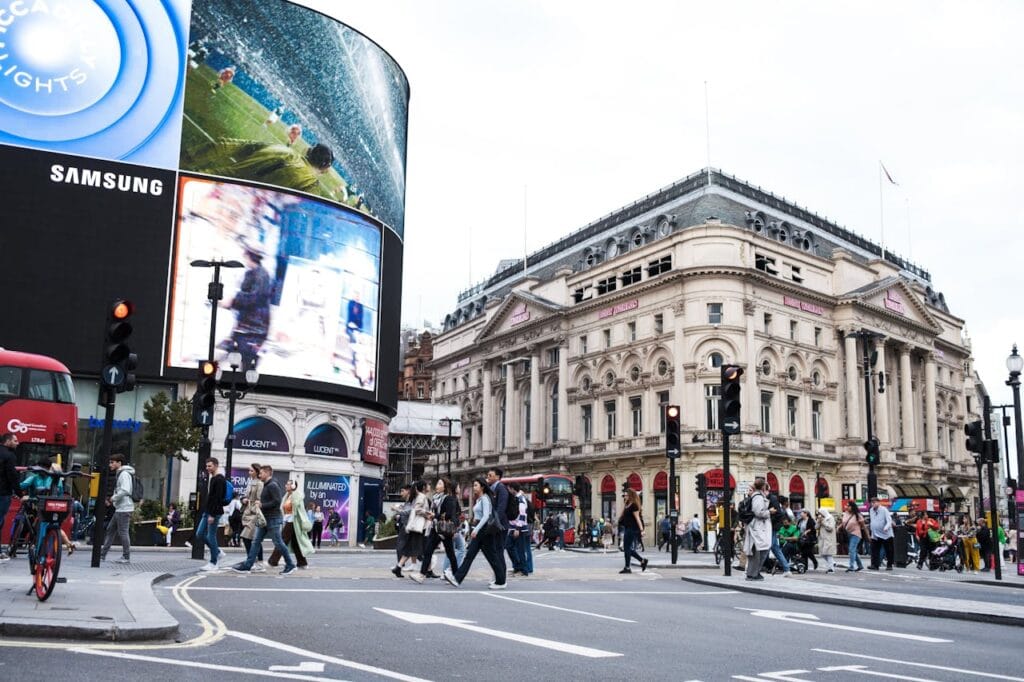
Soho Square at Midnight
I went to Soho Square late one night without knowing what I was walking into.
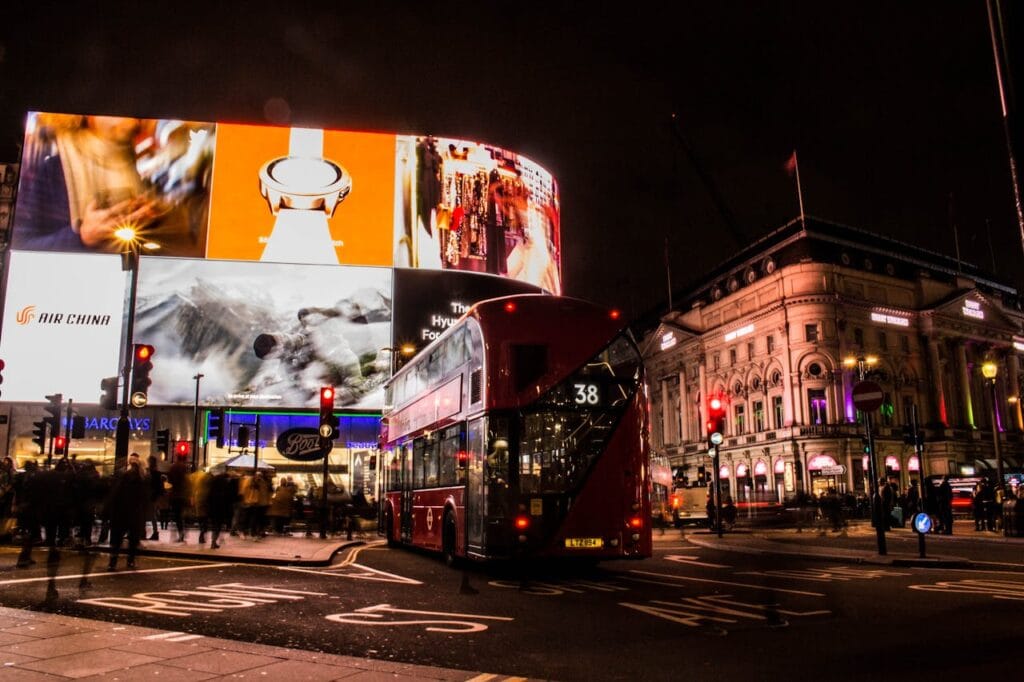
The lights hit first. The whole square running at full flare. Hundreds of people. Huge speakers. Microphones. Beer cans and cigarettes and other things that move through Soho at midnight without much comment.
Colourful rickshaw-style bikes with LED lights circling the square.
A man arguing with no one in particular. Two people arguing with each other very specifically. Music from three different directions, none of it agreeing with the others.
In the corners, things got shadier. Not dangerous exactly. But the kind of atmosphere that tells you to pay attention, to know where your phone is, to not look like you are deciding what to do next.
Kids who did not look or behave like kids cycling through busy streets, banging on car roofs, circling slow drivers. Bus drivers absorbing it.
The billboards above all of this enormous and bright. Times Square energy in a much older city. And below them this sea of complete randomness.
I stood there for a while.
My brain went quiet in the way it does when it has received too much information to process any of it.
This did not look like London. Not the London I had been forming in my head since arriving. Not the parks, not the river, not the history you feel in the older streets.
This was something the city had grown in the gaps that nobody was watching.
London does not have one face. It has several and they do not know each other.
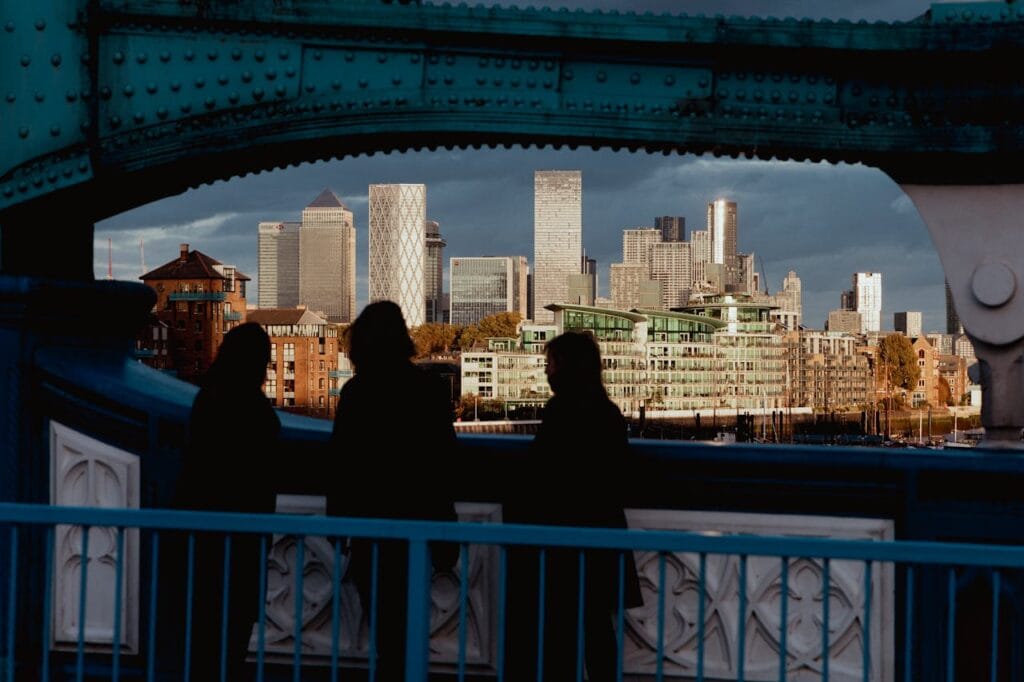
What the Patches Mean
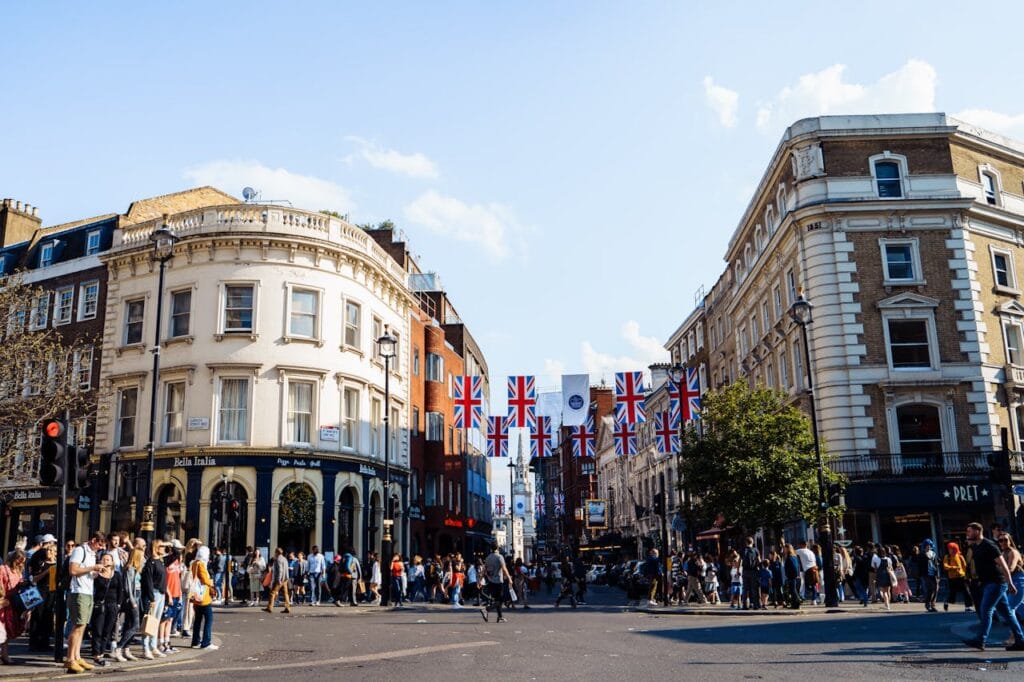
Living in London long enough, you start to notice the patches.
Different areas owned by different nationalities. Not by law or policy but by time. By who arrived when, who stayed, who built something, who sent for family.
A street in one direction feels like one country. Three streets over feels like another.
This is not good or bad. It is the cost of being a city that has been absorbing people for centuries. London has been the destination for so long that whatever it was before it became this has been layered over so many times it is very difficult to find.
The city does not seem troubled by this. It just keeps going.
The tubes do not help. Forty-eight hours without a delay would be news in this city. Strike action, signal failures, engineering works that somehow still feel unplanned.
You learn not to rely on it. You learn to build in time. You learn that London will make you late and the only response is to leave earlier next time.
Which you will not do. Because optimism is the other thing the city does to you.
The Parks, Which Are the Real Answer
Nobody talks about the parks enough.
The parks are where the city exhales. Where the pressure that accumulates across a week of commuting and noise and almost-right systems gets somewhere to go.
Victoria Park on a calm Sunday afternoon in summer is not the same place as the rest of London. The world outside it becomes genuinely abstract. The noise does not reach you. The green is real.
People doing ordinary things. Lying in grass, throwing things for dogs, cycling slowly, eating things from the market at the entrance. None of it performing. It just is.
You will pay twelve hundred pounds a month to live twenty minutes from it and feel that it is worth it.
Winter and summer are two different cities. I arrived in summer. The city I thought I understood when everything was alive and the days ran long was a version of London that winter puts away somewhere.
The grey comes. The light goes early. The parks empty. The people go inward.
Both are real. You have not seen London until you have seen both.
The Bench
One night, later than Soho Square, I sat on a bench by the Thames.
The London Eye across the water. The skyline doing what London skylines do, which is remind you how long the city has been building itself.
Then a train crossed the bridge in one direction. At the same moment, a plane moved through the sky in the opposite direction. The moon sat behind all of it. The Thames caught the light and threw it back.
For a few seconds everything was perfectly framed.
I recorded it. A video of a train and a flight moving in opposite directions across a moonlit London skyline. The water shining below. The city quiet in the specific way it gets quiet at that hour even when it is not quiet at all.
I sat there for a long time after.
Living in London gives you Soho Square at midnight and it gives you this. The same city. The same hour. Completely different rooms.
Some of these benches will heal you more than any therapy session in life can.
That is London. That is all of it.
Read Next: Thailand Travel Tips That Nobody Writes About but Everyone Needs
What I Learnt from a Grab Driver in Bangkok
Michael Ventris Decoded a 3,000 Year Old Script. Then He Was Gone.