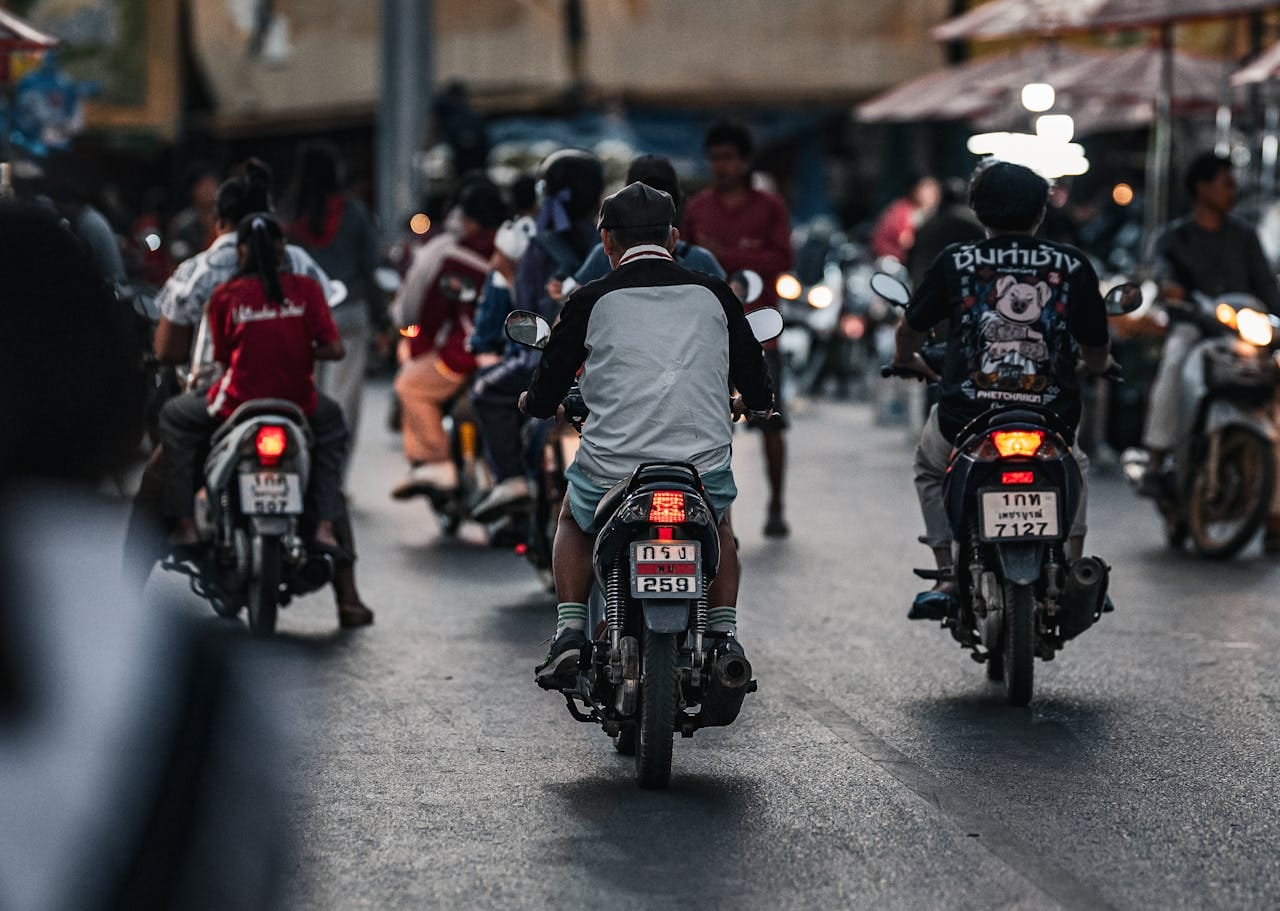
Chiang Mai travel was not what I thought it would be. And I had been in Thailand long enough to think I knew what to expect.
I had done Bangkok. I had survived the Grab bike situation, the ATM fees, the Khao San Road at midnight, the specific education of Soho Square that Bangkok has its own version of. I had figured out the 7-Eleven minimum spend and the SuperRich exchange rate and which food to eat standing up and which to eat sitting down
I knew Thailand.
Chiang Mai had approximately three days of patience for this assumption before it started quietly dismantling it.

The first correction
She was waiting outside arrivals with a small sign.
I had two bags. Heavy ones. The kind that accumulate over weeks of moving between cities and never quite get lighter. I reached for them and she was already there, loading both into the boot before I had finished saying I could manage.
No negotiation. No theatre. Just done.
The drive into the city took forty minutes. She talked the whole way, not as performance, not as the practiced tourist patter I had grown used to in Bangkok, but as someone who genuinely wanted me to have a good time in her city. The best market. The temple worth the walk. The part of the night bazaar to avoid and the part to go back to twice.
I had been in Thailand long enough to know the difference between the tourist version of helpfulness and the actual version.
This was the actual version.
Chiang Mai travel begins before you reach the city. Sometimes it begins the moment someone picks up your bags without being asked.

What Bangkok had taught me
Bangkok is a brilliant city. I mean this without reservation.
But Bangkok runs on a particular frequency. Everyone is working. Everyone is navigating. The city is enormous and fast and the transactions happen quickly because they have to. A man once asked me for 20 baht to point me in the direction of coconut water. I paid it without thinking because that is what Bangkok does to you. It recalibrates your sense of normal.
By the time I left, my baseline assumption in any interaction was that something was being exchanged. That warmth had a purpose. That helpfulness had a price attached somewhere further down the road.
I carried this calibration into Chiang Mai without knowing I was carrying it.
Chiang Mai does not run on that frequency.
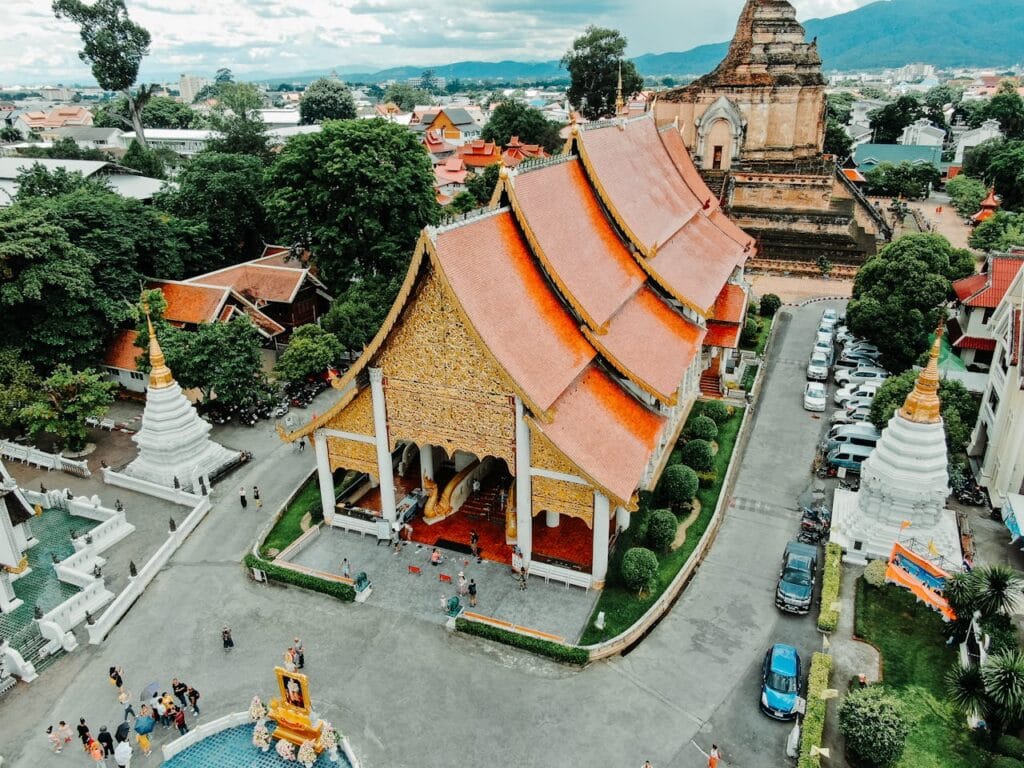
The room
I had booked an Airbnb for a month. It seemed like the right decision. A base, a kitchen, somewhere to be still after weeks of moving.
Within three days the noise had made it unliveable. Not malicious noise. Just the kind that accumulates in certain buildings at certain hours and refuses to go away.
I mentioned it to the host without much expectation. In Bangkok I had learned to expect negotiation, or delay, or the particular kind of smile that means no but does not say it.
The host moved me the same day. A bigger room. A quieter location. A view of something green.
No argument. No additional cost. No conversation about it beyond what was necessary.
I kept waiting for the catch. It did not come.
This is what I mean when I say Chiang Mai corrected me. Not through any grand gesture. Through the accumulation of small moments that kept refusing to confirm what Bangkok had led me to expect.
What the city actually is
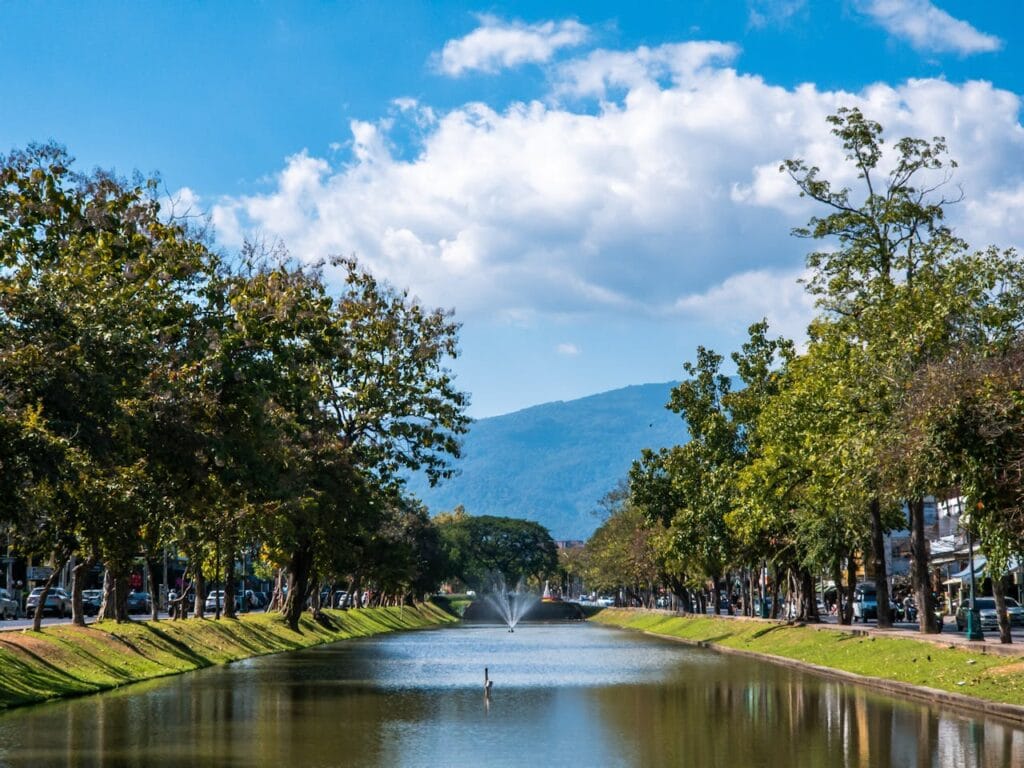
Chiang Mai looks modest from the outside. A hill city, smaller than Bangkok in every visible way. The infrastructure surprises you. The variety of food surprises you less, Bangkok wins that particular competition without effort, but everything else is quieter and cheaper and more considered than you expect.
It rains properly here. Not Bangkok’s occasional shower but actual rain, the kind that comes from being surrounded by mountains and having weather that means something. The hills are cold in the mornings. I was not dressed for this. The cab driver had mentioned it. I had not fully believed her.
The cold arrived on the second morning and I believed her then.
The people here are kind with each other in a way that goes past the tourist economy. You notice it in small ways. The patience in traffic that makes Bangkok feel like a different country. The interactions in shops that do not change register when they notice you are foreign.
Chiang Mai travel taught me something Bangkok could not have taught me because Bangkok is too fast for it.
That there is a version of Thailand that has not calibrated itself around you.
That you are a guest here in a way that goes deeper than the visa category.
I had been reading Bangkok and calling it Thailand. Chiang Mai pointed at the rest of the book.

What I got wrong
I got the pace wrong. I got the temperature wrong. I got the cost of things wrong, cheaper, consistently and genuinely cheaper, not in the negotiated way but just as a fact of how the city prices itself.
I got the kindness wrong most of all.
I had arrived expecting tourist kindness. The practiced warmth that is real but also professional. The hospitality that has been refined over decades of people like me arriving with bags and assumptions and leaving again two weeks later.
What I found was something that existed before I arrived and will exist after I leave. The cab driver who loaded my bags was not being kind to a tourist. She was being kind in the way she is probably kind every day, to everyone, because that is the register Chiang Mai runs on.
I had just never been somewhere that made me notice the difference.
What I brought home
I stayed longer than I planned.
This happens in Chiang Mai, I have since learned, to a lot of people who arrive thinking they are passing through. The city does not shout for your attention. It does not need to. It just keeps being what it is until you realise you are not in a hurry to leave.
The noise in the first room bothered me less by the time I moved out of it. Something in me had quietened down by then.
Chiang Mai travel does not give you a lesson you can put on a caption. It gives you something slower and less portable than that.
A recalibration. A reminder that your previous experience is not a map.
That the place you have not been yet is still capable of surprising you.
The cab driver knew this. She did not say it. She picked up my bags and drove me into a city I had already decided I understood.
She was very patient about being right.
Read Next:
Thailand Travel Tips That Nobody Writes About but Everyone Needs
What I Learnt from a Grab Driver in Bangkok
 Psychology · Oct 17, 2026A Monkey Bite Killed the King of Greece
 Psychology · Oct 15, 202615 Surprising Facts That Sound Completely Made Up
 The Margin · Oct 13, 202615 Geography Facts That Sound Completely Made Up