The wavy brick walls in england are doing something clever
Some links on this page may be affiliate links. If you purchase through them, we may earn a commission at no extra cost to you.
KEY TAKEAWAYS
Wavy brick walls, known as crinkle crankle or serpentine walls, use curves to gain structural strength, allowing them to be built one brick thick instead of two.
The curved design redirects forces along the wall, providing stability against wind and ground movement without extra materials.
These walls originated in England centuries ago as a practical solution to reduce brick usage when bricks were expensive and labor was cheap.
Modern perceptions of straight lines as efficient obscure the cleverness of these walls, which demonstrate how shape can replace material for strength.
The enduring presence of these walls highlights a sustainable, minimalist design approach that contrasts with contemporary trends favoring complexity and excess.
GLOSSARY
Crinkle Crankle Wall
A type of wavy brick wall found in England that uses curves to provide structural strength, allowing it to be built thinner than straight walls.
Serpentine Wall
Another name for crinkle crankle walls, emphasizing their snake-like, undulating shape that enhances stability.
Structural Strength through Curves
The principle that curved shapes can redirect forces along their length, providing stability without needing extra thickness or material.
Brick Economy
The practice of reducing the number of bricks used in construction to save costs, achieved in this context by using wavy walls instead of thick straight walls.
Traditional English Brickmaking
The historical process of making bricks in England, which was labor-intensive and costly, motivating efficient use of materials.
Modern Design Bias
The contemporary preference for straight lines and perceived efficiency, which can obscure the practical intelligence of older, curved designs.
FAQ
Why do crinkle crankle walls use fewer bricks than straight walls?
Crinkle crankle walls use curves to gain structural strength, allowing them to be built just one brick thick. This shape redirects forces along the wall, eliminating the need for the extra thickness that straight walls require for stability.
Were these wavy walls built for decorative purposes?
No, the wavy design was a deliberate engineering choice to save materials and increase strength. While they may appear decorative today, their primary purpose was practical, not aesthetic.
Why are these walls mostly found in England?
England's landscape, the cost of bricks, and the need for durable boundary walls made this design practical. Regions like Norfolk and Suffolk had the right conditions and craftsmen who adopted this efficient technique.
How do the curves in the wall provide strength?
The curves act like a series of arches, redirecting forces sideways along the wall instead of allowing pressure to push straight through. This structural principle stabilizes the wall despite its thinness.
What relevance do these walls have for modern construction?
They exemplify minimalist, sustainable design by using less material without sacrificing strength. This contrasts with modern trends that often rely on complexity and excess, offering lessons in efficiency and durability.
EDITORIAL NOTE
This piece is part of The Present Minds — essays on psychology, identity, and modern life.
A digital sanctuary for the overstimulated. Clarity. Depth. Silence.
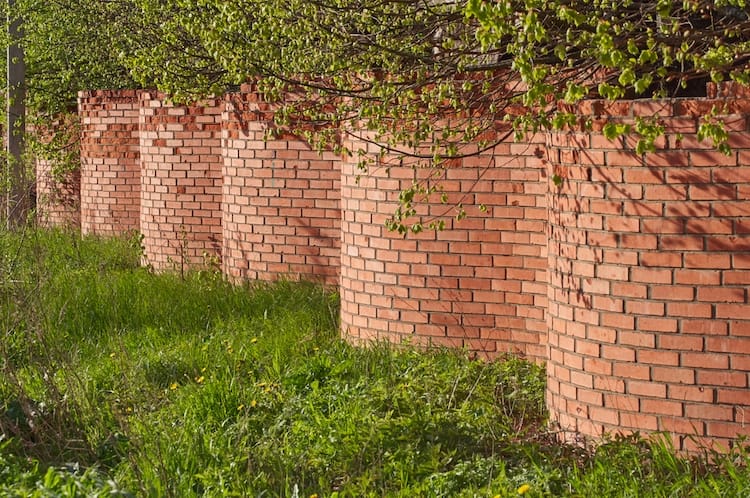
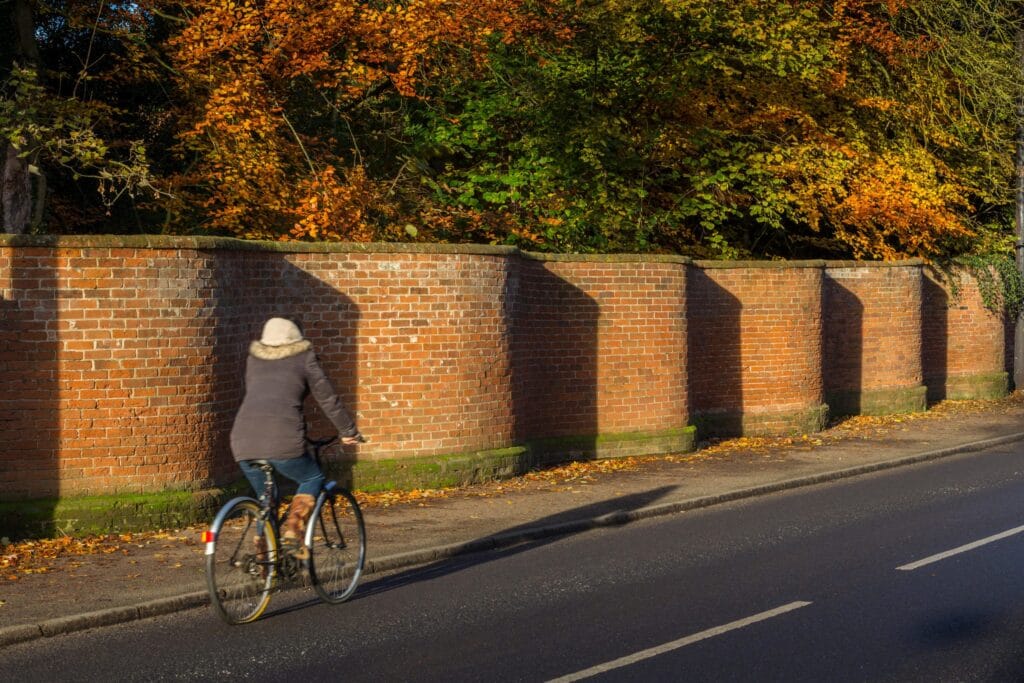
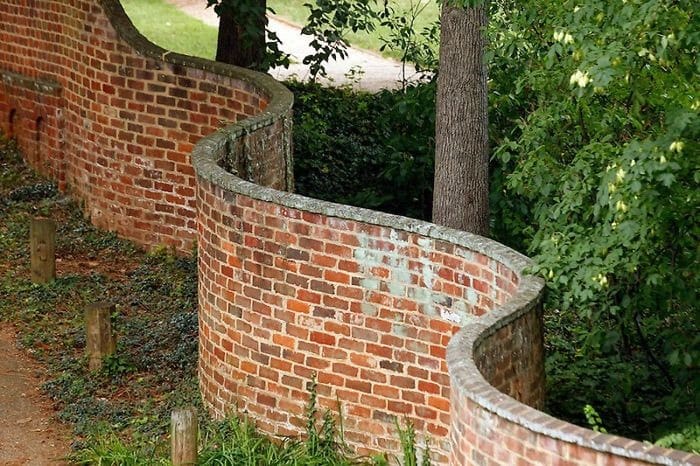
If you’ve ever walked through the English countryside or wandered past an old estate, you might have noticed them without thinking much about it. Brick walls that do not run straight. Walls that gently curve left and right, like they were laid down by someone who refused to use a ruler.
They look decorative. Almost playful.
Some people assume they were built that way to look nice. Others think they’re the result of bad planning or uneven land. A few assume they’ve warped over time.
None of that is true.
These wavy brick walls were built deliberately. And they exist for a reason that feels almost too simple.
They use fewer bricks than a straight wall.
Why wavy brick walls exist at all
At first glance, the idea sounds wrong. A longer, curving wall should need more material, not less. But the secret isn’t length. It’s structure.
A straight brick wall needs thickness to stand up. Without support, a single layer of bricks would topple easily. That’s why traditional straight walls are built two bricks thick, sometimes more, especially if they are meant to last.
Wavy brick walls work differently.
The curves act like a series of arches. Each bend gives the wall strength by redirecting force along the curve instead of letting it push straight through. This means the wall can be just one brick thick and still remain sturdy.
In simple terms, the shape does the work that extra bricks would normally do.
This design has a name too. In England, they’re often called crinkle crankle walls or serpentine walls. The name sounds playful, but the engineering behind it is serious.
These walls started appearing in England several centuries ago, particularly in areas where bricks were expensive and labour was not.
It was a practical solution, not an artistic one.
How fewer bricks made stronger walls
Brickmaking used to be costly and time consuming. Clay had to be dug, shaped, fired, and transported. Cutting down the number of bricks needed for a wall could make a real difference to costs.
A straight wall two bricks thick uses roughly twice as many bricks as a single brick wall of the same length. But if that single brick wall is shaped into waves, it gains stability without needing extra material.
That’s the clever part.
The curves resist pressure from wind, ground movement, and time. Each bend reinforces the next. Instead of fighting force head on, the wall redirects it sideways.
It’s a quiet example of physics doing its job.
Many of these walls were built around farms, estates, and gardens. They protected crops, marked boundaries, and kept animals out. They weren’t meant to impress anyone. They were meant to last.
And they have.
Centuries later, many of these walls are still standing, often in better condition than straight walls built around the same time.
Why they look strange to modern eyes
Modern construction has trained people to expect straight lines. Fences, walls, roads, buildings. Straightness feels efficient. It feels deliberate.
So when people see a wavy brick wall today, it looks odd. Almost decorative in a way that feels unnecessary.
That reaction says more about modern design habits than the wall itself.
In earlier periods, builders worked closely with materials and constraints. They didn’t force designs onto bricks. They shaped designs around what bricks could do best.
The result was something that looked unusual but functioned brilliantly.
They’re not wrong. But they’re also missing the point.
These walls weren’t built to be quirky. They were built to solve a problem efficiently.
That efficiency just happens to look interesting centuries later.
The quiet intelligence of old design
What makes wavy brick walls resonate now is not just how clever they are, but how understated that cleverness is.
There’s no plaque explaining the physics. No sign telling you how many bricks were saved. The wall doesn’t announce its intelligence.
It just stands there.
This kind of design feels rare today. Modern solutions often rely on complexity, layers, reinforcements, and extra material. When something fails, the instinct is to add more.
The wavy wall takes the opposite approach. Instead of adding, it reshapes.
That mindset is something people are starting to appreciate again, especially as sustainability becomes more important. Using fewer materials while maintaining strength is suddenly a very modern goal.
Builders centuries ago arrived at that solution out of necessity.
They didn’t call it sustainable. They called it practical.
Why England is full of them
England’s landscape is particularly well suited to these walls. Brick was a common building material. Land boundaries mattered. Weather could be harsh. Solutions needed to endure.
In places like Norfolk, Suffolk, and parts of southern England, serpentine walls became a familiar sight. Some were built by Dutch engineers brought over to help drain land and design efficient structures.
Others were built by local craftsmen who simply knew what worked.
Over time, the technique spread. Not because it was fashionable, but because it made sense.
Today, many of these walls are protected as historical features. They’re repaired carefully, following the same principles that made them strong in the first place.
Straightening them would actually weaken them.
Why this old trick feels relevant now
There’s a reason this topic keeps resurfacing online. It taps into something people are hungry for.
A simple idea. A clear benefit. A solution that doesn’t rely on excess.
Wavy brick walls are a reminder that clever design doesn’t have to be complicated. Sometimes, it just has to respect how forces actually behave.
They also challenge assumptions. Something that looks inefficient turns out to be more efficient. Something that looks decorative turns out to be structural.
They’ve been standing long enough to make their point without saying a word.
The kind of cleverness that lasts
There’s something reassuring about walking past a wall that has outlived generations, wars, technologies, and trends.
It hasn’t been optimised. It hasn’t been updated. It hasn’t been rebranded.
It was built right the first time.
The next time you see a wavy brick wall in England, it’s worth stopping for a second. Not because it’s pretty, although it often is. But because it represents a kind of thinking that doesn’t rush, doesn’t shout, and doesn’t waste.
The wall curves. The bricks hold. The design endures.
Sometimes, the smartest things look a little strange.
Wavy brick walls, known as crinkle crankle or serpentine walls, use curves to gain structural strength, allowing them to be built one brick thick instead of two.
The curved design redirects forces along the wall, providing stability against wind and ground movement without extra materials.
These walls originated in England centuries ago as a practical solution to reduce brick usage when bricks were expensive and labor was cheap.
Modern perceptions of straight lines as efficient obscure the cleverness of these walls, which demonstrate how shape can replace material for strength.
The enduring presence of these walls highlights a sustainable, minimalist design approach that contrasts with contemporary trends favoring complexity and excess.
Glossary
Crinkle Crankle Wall
A type of wavy brick wall found in England that uses curves to provide structural strength, allowing it to be built thinner than straight walls.
Serpentine Wall
Another name for crinkle crankle walls, emphasizing their snake-like, undulating shape that enhances stability.
Structural Strength through Curves
The principle that curved shapes can redirect forces along their length, providing stability without needing extra thickness or material.
Brick Economy
The practice of reducing the number of bricks used in construction to save costs, achieved in this context by using wavy walls instead of thick straight walls.
Traditional English Brickmaking
The historical process of making bricks in England, which was labor-intensive and costly, motivating efficient use of materials.
Modern Design Bias
The contemporary preference for straight lines and perceived efficiency, which can obscure the practical intelligence of older, curved designs.
FAQ
Why do crinkle crankle walls use fewer bricks than straight walls?
Crinkle crankle walls use curves to gain structural strength, allowing them to be built just one brick thick. This shape redirects forces along the wall, eliminating the need for the extra thickness that straight walls require for stability.
Were these wavy walls built for decorative purposes?
No, the wavy design was a deliberate engineering choice to save materials and increase strength. While they may appear decorative today, their primary purpose was practical, not aesthetic.
Why are these walls mostly found in England?
England's landscape, the cost of bricks, and the need for durable boundary walls made this design practical. Regions like Norfolk and Suffolk had the right conditions and craftsmen who adopted this efficient technique.
How do the curves in the wall provide strength?
The curves act like a series of arches, redirecting forces sideways along the wall instead of allowing pressure to push straight through. This structural principle stabilizes the wall despite its thinness.
What relevance do these walls have for modern construction?
They exemplify minimalist, sustainable design by using less material without sacrificing strength. This contrasts with modern trends that often rely on complexity and excess, offering lessons in efficiency and durability.
Editorial Note
This piece is part of The Present Minds, essays on psychology, identity, and modern life.






Leave a Reply