Sheffield boy flies abroad because the train made no sense
Some links on this page may be affiliate links. If you purchase through them, we may earn a commission at no extra cost to you.
KEY TAKEAWAYS
UK train pricing has become so complex and expensive that travelers often choose indirect, absurd routes or alternative transport like flying to save money.
People have adapted to this system by developing an 'optimisation brain,' constantly calculating and strategizing to navigate pricing distortions.
This normalization of complexity and absurdity leads to acceptance rather than outrage, eroding expectations of simplicity and fairness in everyday travel.
Humor and shared stories about these travel hacks soften resistance and distract from the underlying systemic failures.
The real issue is the quiet erosion of common sense and trust in systems, as people accommodate broken logic instead of demanding change.
GLOSSARY
Optimisation brain
A mindset developed by travelers to constantly calculate, compare, and strategize in order to navigate complex and unfair pricing systems.
Split tickets
A travel strategy where passengers buy multiple tickets for different segments of a journey to reduce overall cost, reflecting the complexity of UK train pricing.
Pricing distortions
Irregularities and inconsistencies in fare structures that make direct travel more expensive than indirect or illogical routes.
Erosion of expectation
The gradual loss of belief that everyday systems should be simple, fair, and coherent, leading to acceptance of complexity and absurdity.
Adaptability
The ability of travelers to adjust their behavior and decisions to work around systemic inefficiencies without questioning their existence.
Absurd systems
Systems that operate with illogical or unfair rules but survive because users learn to navigate them fluently, reducing resistance.
FAQ
Why do people choose to fly instead of taking direct trains in the UK?
People often find flying cheaper than direct train routes due to complex and inflated train pricing. This leads travelers to choose indirect or alternative routes that seem absurd but are financially practical.
What is meant by the 'optimisation brain' in the context of UK travel?
The 'optimisation brain' refers to the constant mental effort travelers invest in calculating and strategizing to find the cheapest or most efficient travel options within a confusing and unfair pricing system.
How does humor affect travelers' responses to complex pricing systems?
Humor helps soften resistance by turning frustrating travel experiences into shared jokes or memes, which distracts from the systemic problems and reduces the likelihood of collective outrage or demands for change.
What are the consequences of the erosion of expectation in travel systems?
As people stop expecting fairness and simplicity, they accept complexity and absurdity as normal, which diminishes their motivation to challenge or change broken systems, allowing inefficiencies to persist.
Why is the story of the teenager flying via Germany significant?
It illustrates how systemic pricing distortions force travelers to make illogical choices that feel practical, highlighting the broader issue of how people adapt to flawed systems rather than questioning or resisting them.
EDITORIAL NOTE
This piece is part of The Present Minds — essays on psychology, identity, and modern life.
A digital sanctuary for the overstimulated. Clarity. Depth. Silence.
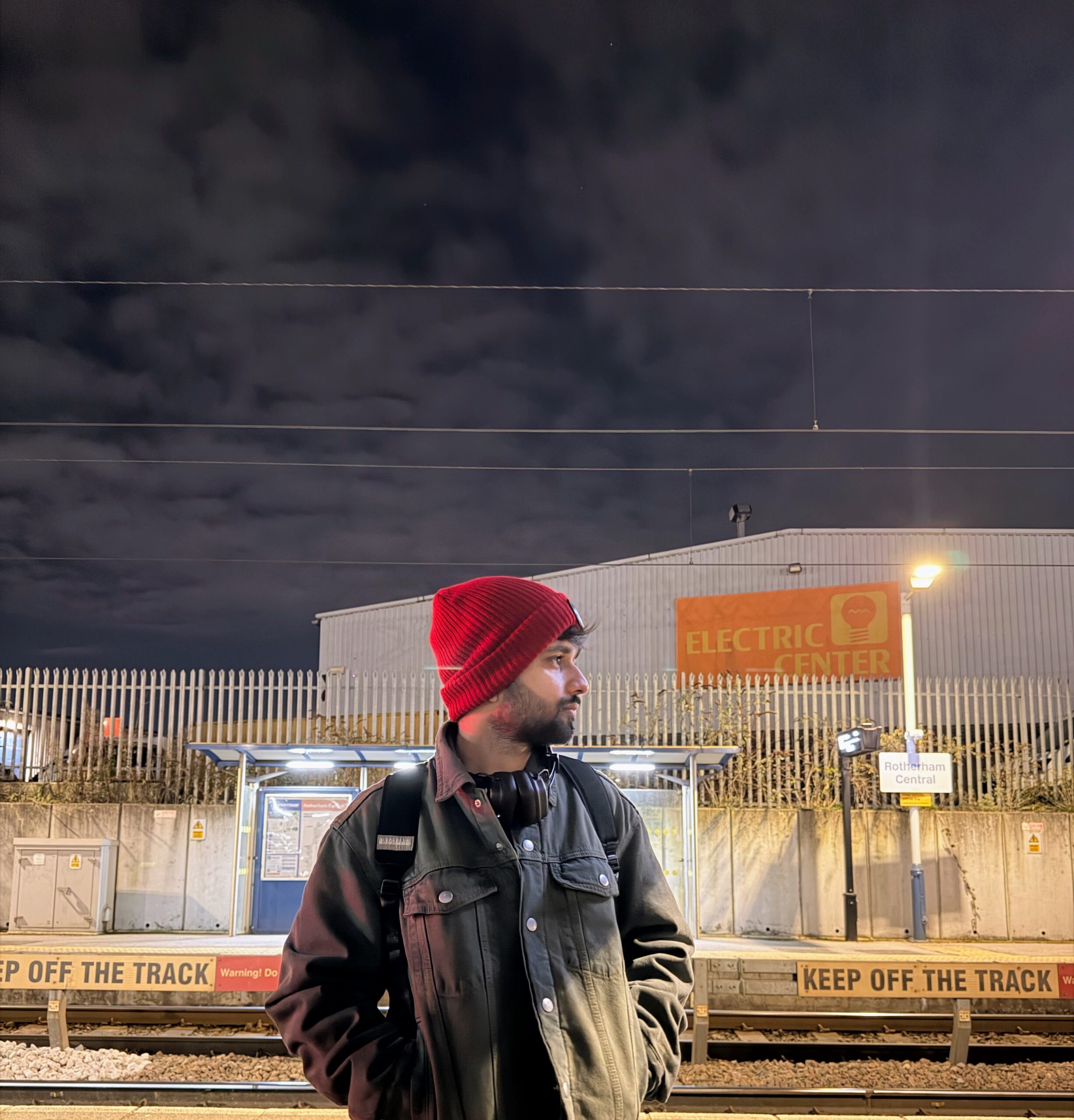
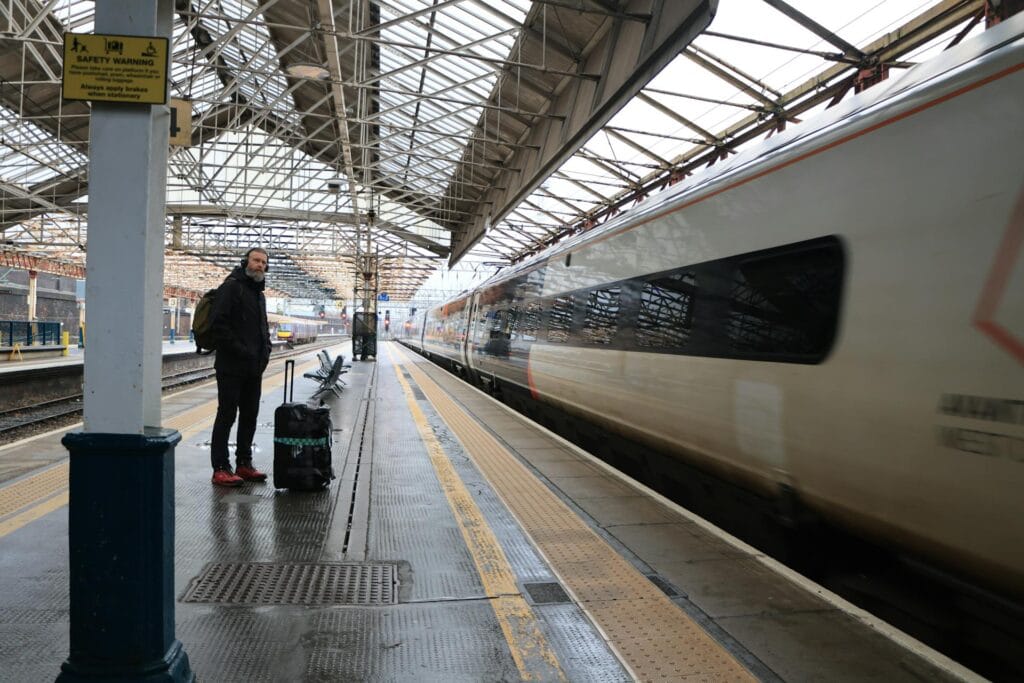
The platform was ordinary. Grey floor. Faded signage. People standing with bags that looked heavier than they should be. A phone came out. A price was checked. The screen stayed open a second longer than expected.
The number did not make sense.
Not because it was high. Because it was familiar.
This is how it usually begins now. Not with outrage. Not with surprise. With calculation. With the quiet acceptance that something is off, but not off enough to stop the day.
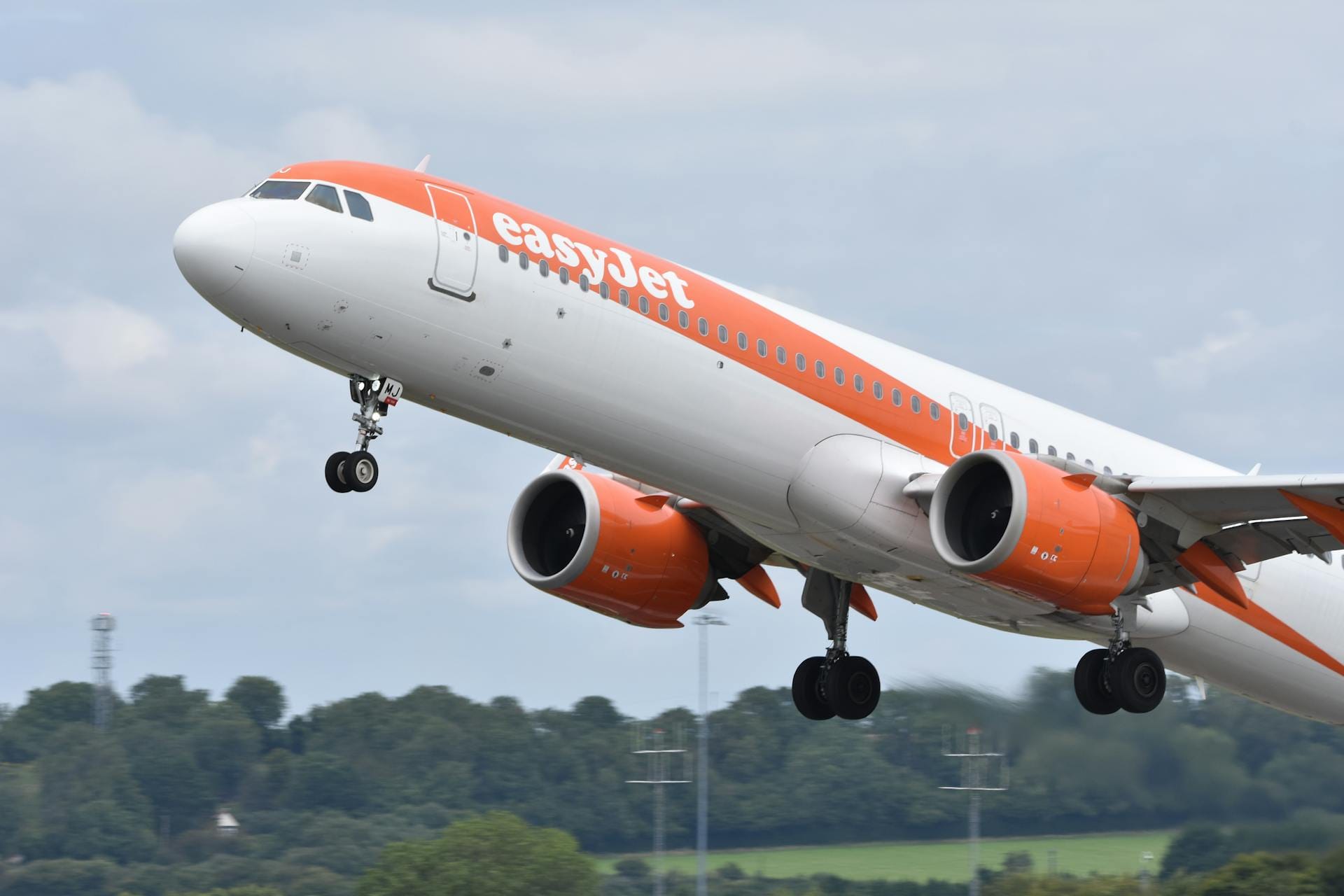
A teenager needed to travel across England. The train cost more than flying across Europe. So the route bent. Sheffield to Germany. Germany back to England. Cheaper. Slower. Absurd.
Also correct.
The story spread fast because nobody needed it explained. No one asked how that could be true. They already knew it could be. They had felt the same tension hovering over booking pages, fingers stuck between closing the tab and committing anyway.
The laugh came easily. The discomfort stayed.
Something about the nodding reaction mattered more than the story itself.
When absurd choices become sensible
The decision to fly instead of taking a train did not feel rebellious. It felt practical. That is the detail that should bother people, but rarely does.
UK travel costs have trained people to think sideways. Direct routes stopped being the obvious choice years ago. Split tickets. Off peak gymnastics. Strange combinations that look clever until they start feeling necessary.
Optimisation replaced simplicity.
This is not about one teenager being smart. It is about a system teaching people how to behave inside its distortions. When the cheapest option requires leaving the country, the problem is not the choice. The problem is the incentive.
People defended the decision immediately. Of course he flew. Anyone would. The defence sounded calm. Rational. Even proud.
That calmness is the signal.
Absurd systems do not survive on confusion. They survive on fluency. People learn how to move through nonsense smoothly, and once that happens, the nonsense stops being questioned.
Travel becomes a puzzle instead of a service.
There is a strange satisfaction in solving the puzzle. Finding the loophole. Beating the price. That satisfaction replaces something more dangerous: expectation.
The system keeps working because people keep adapting.
The rise of optimisation brain
There is a particular mindset modern systems reward. It is not curiosity. It is not wisdom. It is adaptability.
The ability to bend around inconvenience without stopping to ask why it exists.
The teenager did not protest. He optimised.
That is why the story feels funny instead of alarming. It flatters the audience. Look how clever. Look how resourceful. Look how people find a way.
But finding a way is not the same as things working.
Optimisation brain is always busy. Comparing. Calculating. Adjusting. It never rests because rest assumes the system is fair enough to trust.
Train pricing in the UK rarely feels trustable. It feels arbitrary. Complex. Defended by language that sounds official but explains nothing.
People respond by becoming amateur economists. They learn tricks. They share hacks. They accept that normal journeys require strategy.
That acceptance costs something, but the cost is not measured.
Time. Attention. Mental energy. The low-grade fatigue of constantly checking whether the obvious option is also the stupid one.
A train journey should not require creativity.
Yet creativity gets celebrated when it navigates failure. That celebration distracts from the failure itself.
A similar pattern appears in Is Your Attention Broken Or Is The World Too Loud, where overload gets normalised instead of challenged. Here, pricing absurdity becomes a shared joke instead of a shared demand.
The system benefits from humour. It softens resistance.
The moment nobody talks about
Here is the disruption that never quite lands.
What happens when people stop expecting systems to make sense?
Outrage used to appear first. Now calculation does. That shift matters.
When absurdity becomes background noise, it loses its ability to provoke change. Stories turn into memes. Memes turn into acceptance. Acceptance turns into habit.
Flying across borders to save money should feel like a red flag. Instead, it feels like a life hack.
The teenager will remember the trip as a strange anecdote. The system will remember nothing at all.
That asymmetry is important.
The issue is not trains versus planes. It is the quiet erosion of expectation. The sense that normal decisions should be simple. That everyday movement should not require optimisation.
People now plan around failure as if it were a feature.
This is how broken logic settles in. Not through collapse, but through accommodation.
Nobody needs to announce that something is wrong. Everyone already behaves as if it is.
And that might be the most worrying part.
When common sense gets priced out, people adapt instead of resisting. They laugh. They optimise. They keep moving.
Somewhere between a platform and an airport gate, the thought appears briefly and disappears again.
UK train pricing has become so complex and expensive that travelers often choose indirect, absurd routes or alternative transport like flying to save money.
People have adapted to this system by developing an 'optimisation brain,' constantly calculating and strategizing to navigate pricing distortions.
This normalization of complexity and absurdity leads to acceptance rather than outrage, eroding expectations of simplicity and fairness in everyday travel.
Humor and shared stories about these travel hacks soften resistance and distract from the underlying systemic failures.
The real issue is the quiet erosion of common sense and trust in systems, as people accommodate broken logic instead of demanding change.
Glossary
Optimisation brain
A mindset developed by travelers to constantly calculate, compare, and strategize in order to navigate complex and unfair pricing systems.
Split tickets
A travel strategy where passengers buy multiple tickets for different segments of a journey to reduce overall cost, reflecting the complexity of UK train pricing.
Pricing distortions
Irregularities and inconsistencies in fare structures that make direct travel more expensive than indirect or illogical routes.
Erosion of expectation
The gradual loss of belief that everyday systems should be simple, fair, and coherent, leading to acceptance of complexity and absurdity.
Adaptability
The ability of travelers to adjust their behavior and decisions to work around systemic inefficiencies without questioning their existence.
Absurd systems
Systems that operate with illogical or unfair rules but survive because users learn to navigate them fluently, reducing resistance.
FAQ
Why do people choose to fly instead of taking direct trains in the UK?
People often find flying cheaper than direct train routes due to complex and inflated train pricing. This leads travelers to choose indirect or alternative routes that seem absurd but are financially practical.
What is meant by the 'optimisation brain' in the context of UK travel?
The 'optimisation brain' refers to the constant mental effort travelers invest in calculating and strategizing to find the cheapest or most efficient travel options within a confusing and unfair pricing system.
How does humor affect travelers' responses to complex pricing systems?
Humor helps soften resistance by turning frustrating travel experiences into shared jokes or memes, which distracts from the systemic problems and reduces the likelihood of collective outrage or demands for change.
What are the consequences of the erosion of expectation in travel systems?
As people stop expecting fairness and simplicity, they accept complexity and absurdity as normal, which diminishes their motivation to challenge or change broken systems, allowing inefficiencies to persist.
Why is the story of the teenager flying via Germany significant?
It illustrates how systemic pricing distortions force travelers to make illogical choices that feel practical, highlighting the broader issue of how people adapt to flawed systems rather than questioning or resisting them.
Editorial Note
This piece is part of The Present Minds, essays on psychology, identity, and modern life.
Leave a Reply