The Present Minds
By Aparna R Published on Edited on Mind Matters

The Gym Was Not About My Body. It Was the Only Hour That Was Mine.

5 min read · 808 words
Reading surface High contrast
0 Words read
0 Vocab
0 Articles
Aparna R
Written By Aparna R Contributor · Mind Matters

Aparna Ramaswamy writes at the meeting point of psychology, sport, and everyday life. With a background in psychology and a deep interest in sport…

There is a version of yourself you carry into motherhood.

And then there is the version that comes out the other side.

They are not the same person. Nobody tells you this clearly enough before it happens, and by the time you notice, you are already too tired to grieve the distance between them.

I became a mother and I lost the thread of myself. Not dramatically. Not in a way anyone would have noticed from the outside. I was functioning. I was present. I was doing everything a good mother is supposed to do.

I just could not find myself in any of it.
motherhood identity

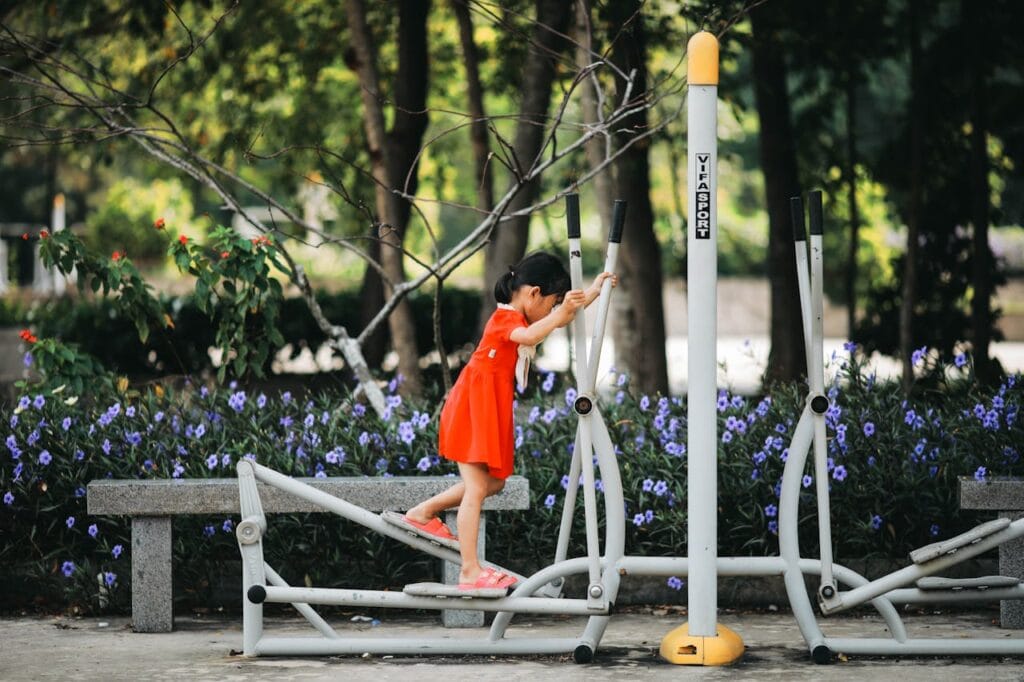
Motherhood Identity and the Village Nobody Talks About

There is a saying that it takes a village to raise a child.

What nobody adds is that the parents need a village too. To stay sane. To stay whole. To remain people, not just providers.

I was not alone, exactly. There were people who loved me and wanted to help. But even with that, something was missing. I did not just need help with the baby. I needed space to remember that I was still a person too.

That took longer to arrive than it should have.

Motherhood rewrites your identity before you have had a chance to read what was already there.

The Hour That Was Mine

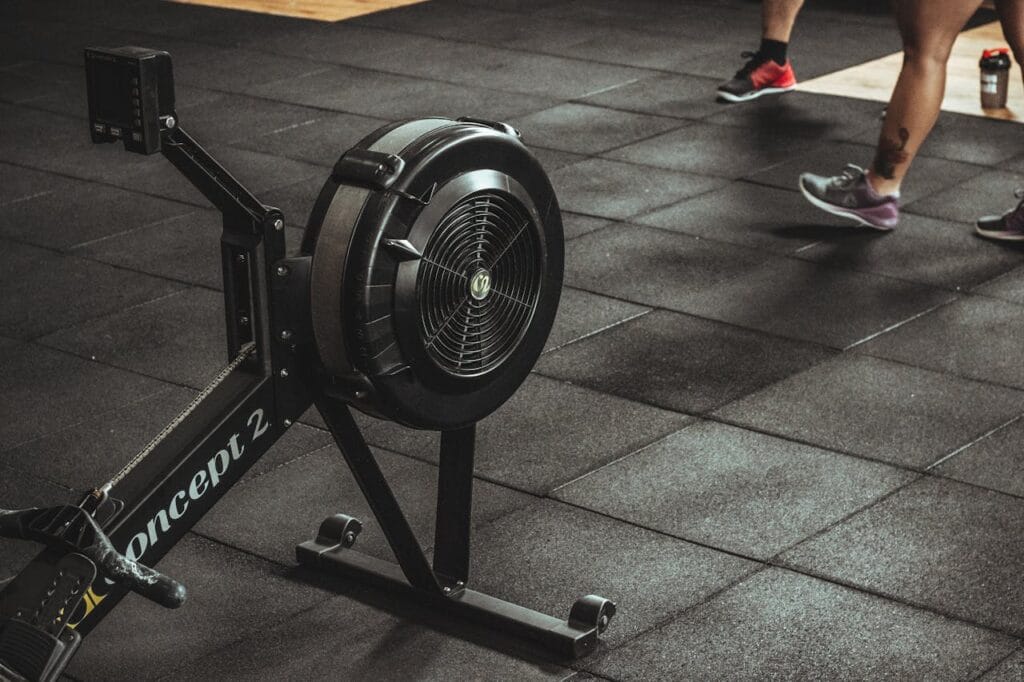
I started going to the gym when my daughter was still very small.

Not because I wanted to lose weight. Not because I was chasing some pre-pregnancy body that the internet kept showing me I should want back.

I went because it was the only hour in the day that belonged entirely to me.

No one needed me there. No one called my name. No one required anything from my body except that I use it on my own terms.

That distinction matters more than I can explain quickly.

The gym became my sacred space. Not the machines, not the mirrors, not the metrics. The hour itself. The act of arriving somewhere and being only myself for sixty minutes, without the weight of being needed.

I did not go to get my body back. I went to get myself back. They turned out to be two different things.
What I Learnt About the Body

Here is what I wish someone had told me.

Your body after a baby is not a problem to be solved. It is a body that did something extraordinary and is still trying to catch up with what happened.

The social pressure to bounce back is real and it is relentless and it is also, if you look at it clearly, completely insane. You are supposed to have just done one of the hardest physical things a human body can do, and then feel apologetic about looking like you did.

I refused that eventually. It took time. It took the gym, and the hour, and the slow accumulation of feeling strong again in my own right.

Body image and self-esteem during this period are not small issues that polite conversation skirts around. They sit at the centre of how a new mother feels about herself, her relationship, and her daily life.

Acknowledging that is not weakness. It is accuracy.
The Part Nobody Warned Me About

Mental health during this period deserves the same attention as physical recovery.

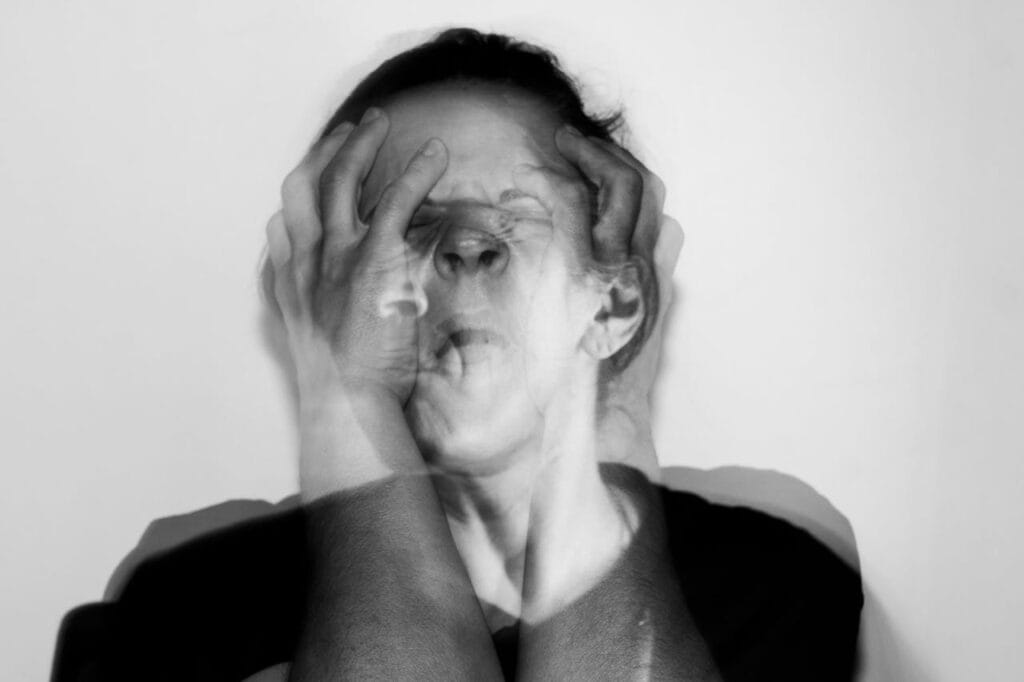
I experienced anxiety I did not have the vocabulary for. Emotional exhaustion that sleep did not fix. A creeping resentment I felt guilty about, which made the resentment worse.

None of this made me a bad mother.

It made me a mother who needed support and was not always sure how to ask for it, or even what she was asking for.

The conversations that helped most were the honest ones. Not the ones where everyone said they were fine. The ones where someone finally admitted they were not, and the room got quieter and more real.

Saying it out loud did not make it worse. It made it smaller. Small enough to carry differently.

What Remains

There is no correct version of motherhood.

There is no weight you are supposed to be, no pace at which you are supposed to recover, no timeline for feeling like yourself again.

What I know is that the hour at the gym gave me back something I did not know I had lost: the experience of being a person before I was a mother.

Both things are true at the same time. I am completely my daughter’s mother. And I am still, quietly, mine.

I learnt that second part more slowly than the first.

I am still learning it now.

Read Next: What Thailand Quietly Teaches You When You Finally Stop Being a Tourist

Are You Outsourcing Your Thinking? Here Is What You Lose When You Do.

ChatGPT as Therapist Is What’s Wrong with Ethics Right Now.

Aparna R
Written By

Aparna R

Contributor · Mind Matters

Aparna Ramaswamy writes at the meeting point of psychology, sport, and everyday life. With a background in psychology and a deep interest in sport psychology, she explores spectator behaviour, football culture, emotion, identity, and the quiet patterns behind ordinary experiences. Alongside healthcare compliance, motherhood, and fitness.

Key Takeaways
  • Motherhood transforms a woman's identity, often creating a disconnect between the pre-motherhood self and the new self that emerges after having a child.
  • Support for mothers needs to extend beyond help with childcare to include emotional and personal support, allowing mothers to maintain their individuality.
  • Taking time for oneself, such as dedicating an hour to personal activities like going to the gym, is crucial for reclaiming a sense of self beyond motherhood.
  • Postpartum body changes should be viewed with compassion, recognizing the body's extraordinary effort rather than as a problem to fix, countering societal pressures to 'bounce back.'
  • Mental health challenges such as anxiety and emotional exhaustion are common in new mothers and require open, honest conversations and support without stigma.
Glossary
Motherhood identity
The evolving sense of self that a woman experiences before and after becoming a mother, which can feel like two different versions of herself.
Village
A metaphorical or literal support network that helps parents, especially mothers, maintain their well-being and individuality while raising a child.
The hour that was mine
A dedicated period of time a mother sets aside for herself to reconnect with her personal identity, separate from her role as a caregiver.
Postpartum body
The physical state of a woman's body after giving birth, which requires time and care to recover from the significant changes and exertions of pregnancy and childbirth.
Social pressure to bounce back
The societal expectation that mothers should quickly return to their pre-pregnancy physical appearance and lifestyle, often disregarding the physical and emotional realities of postpartum recovery.
Mental health in motherhood
The emotional and psychological challenges, such as anxiety and exhaustion, that mothers may face after childbirth, which need recognition and support.
FAQ
Why does motherhood change a woman's identity?
Motherhood introduces new roles and responsibilities that can shift how a woman sees herself. The pre-motherhood identity may feel distant because the experience of caring for a child reshapes priorities and daily life, often before there is time to process the change.
What kind of support do mothers need beyond help with childcare?
Mothers need emotional support and permission to prioritize their own needs. This includes understanding from others that they require time and space to maintain their individuality and mental health, not just assistance with the baby.
Why is taking personal time important for new mothers?
Personal time allows mothers to reconnect with themselves outside of their caregiving role. It helps restore a sense of identity and autonomy, which is essential for mental well-being and feeling whole beyond motherhood.
How should mothers view their postpartum bodies?
Mothers should recognize their postpartum bodies as having done something extraordinary and deserving of compassion. Instead of succumbing to societal pressure to quickly 'bounce back,' they should allow themselves time to heal and appreciate their strength.
What mental health challenges might new mothers face?
New mothers can experience anxiety, emotional exhaustion, and feelings of resentment or guilt. These challenges are common and do not indicate failure; they highlight the need for honest conversations and support to manage these feelings effectively.
Editorial Note

This piece is part of The Present Minds, essays on psychology, identity, and modern life.

Discussion
No comments yet. Be the first.