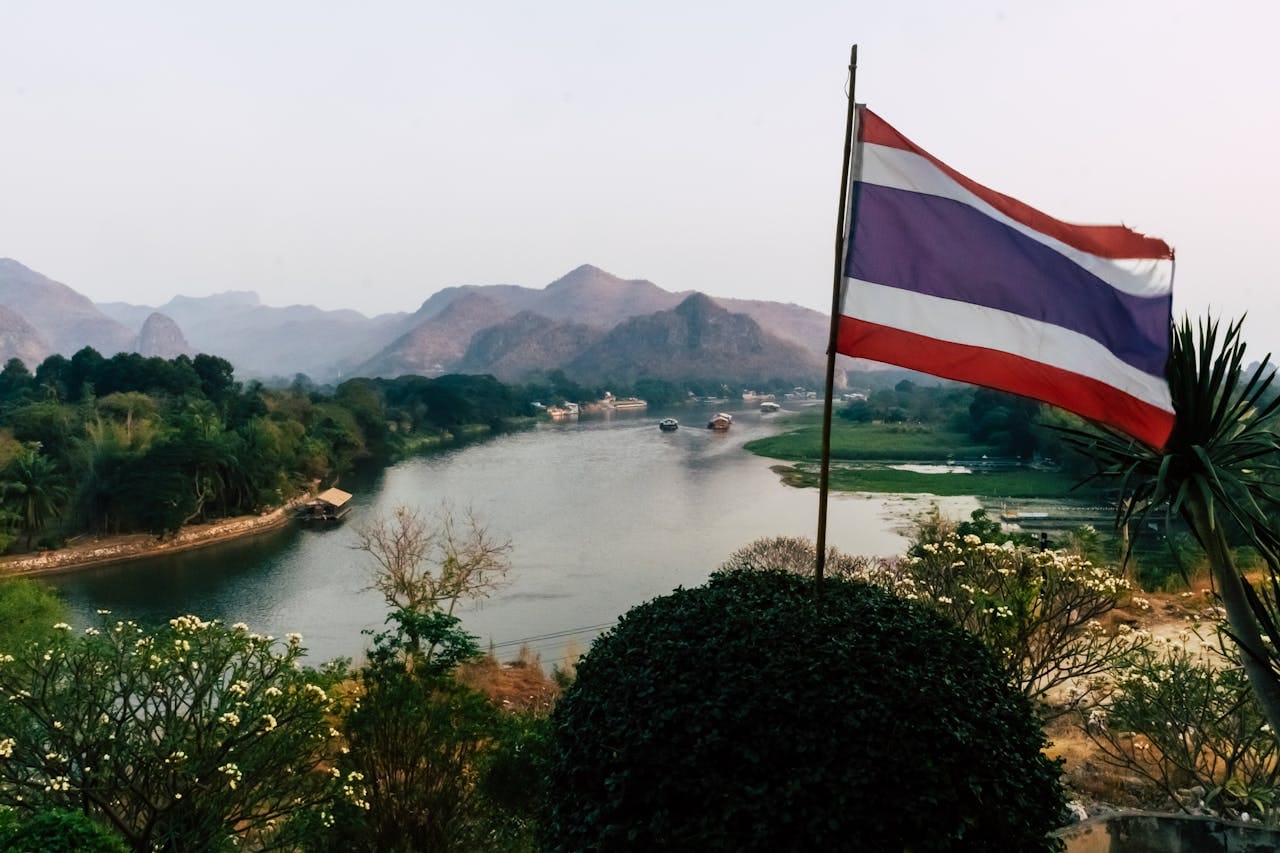
Everyone you speak to in Thailand seems genuinely delighted to see you.
Cheerful. Warm. Excited. The smile arrives before the conversation does.
It took me longer than I would like to admit to understand what I was actually looking at.
Not fake. Fake is the wrong word entirely, and too easy. What I was looking at was something more interesting than fake. It was practised. Refined over years of hosting people who arrived with no manners, broke rules in temples, treated the country as a backdrop for their own story, and left without saying thank you.
Thailand travel does something to the people who live here. It requires them to absorb a great deal without showing it.
They have learned to do this exceptionally well.
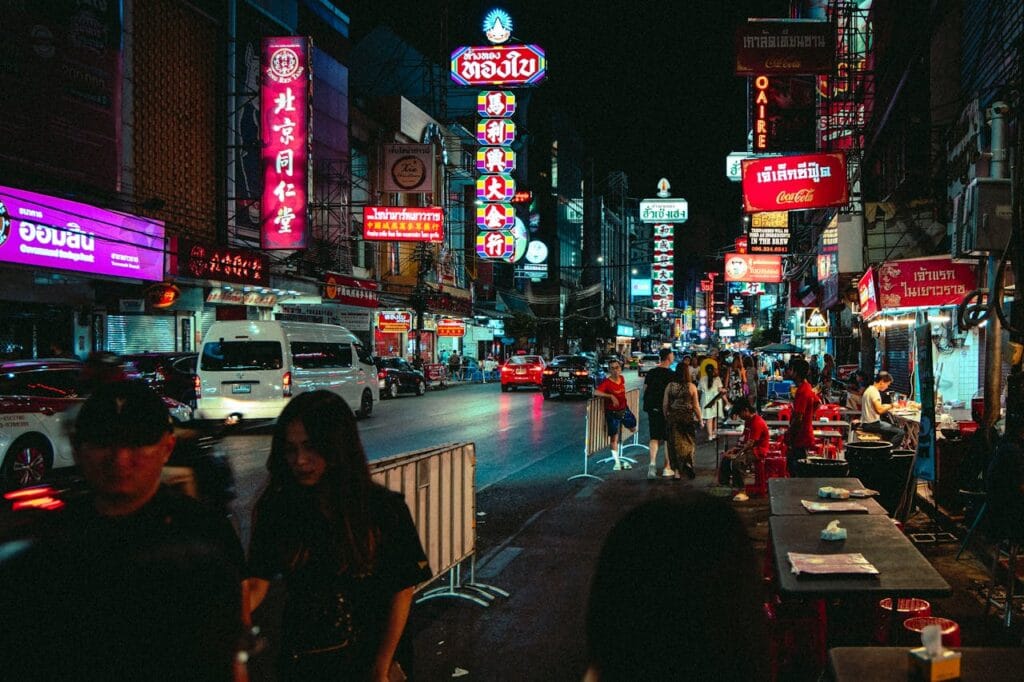
No driver honks in traffic. And the traffic in Bangkok is not a small thing. It is vast and hot and completely still for long stretches in the midday humidity. Nobody shouts. Nobody gestures. Everyone moves through it with a patience that looks, from the outside, almost meditative.
Keep your head down and breathe out when you are angry. Someone said this to me and I wrote it down because it sounded like a whole philosophy compressed into eleven words.
In Thailand it just sounds like Tuesday.
The smile that is real and also armoured
I want to be careful here because the easy version of this observation is cynical and the easy version is wrong.
The warmth is genuine. That part is not performance.
What is also genuine is the armour underneath it. People here understand very clearly what tourism does to a place. They have watched it happen in real time, across decades, across the full length of the country from Chiang Mai to Phuket.
They have seen temples disrespected, rules broken, their home treated as a theme park by people who will be gone by Friday.
The smile did not stop being real. It became also a kind of protection.
A way of staying intact while the world keeps arriving and taking things and leaving.
Even if it is all an act, they have mastered it so well that it barely matters anymore. The act has become its own form of dignity.
Two countries running at once
Bangkok does not sleep. This is true.
But it does not sleep differently depending on who you are.
For the residents, the city runs on ordinary time. Offices open. Schools fill. Markets set up at 5am because that is when they have always set up. Couples argue at scenic spots. Teenagers fall in love.
Grandfathers frown at weed shops, which are now everywhere, one every few lanes, sitting casually next to massage parlours and 7-Elevens as if this is simply how cities are organised.
For the tourists, the city offers a different version of itself. Khao San Road at midnight. The floating markets. The temples in golden morning light. All of it real. All of it also curated, not dishonestly, but specifically for the person who is passing through.
Pattaya runs this parallel even harder. The surface is very loud and very visible. The ordinary life underneath it is almost invisible to anyone not looking for it.
Chiang Mai does it more quietly. The old city walls, the night markets, the coffee shops full of digital nomads. And then, ten minutes in any direction, a neighbourhood that has no interest in you whatsoever.
This is not a criticism. Every city that tourism touches learns to run two versions of itself simultaneously. Bangkok and Chiang Mai and Pattaya have simply had more practice than most.
The cities still run on normal times for the residents.
For the tourists, the cities hardly ever sleep.
What the tourist takes home
I took photographs. I ate the food. I got on the Grab. I walked through temples and felt appropriately moved and bought appropriate things.
I also spent enough time in enough places to notice the gap between the Thailand I was being shown and the Thailand that was simply there.
A grandmother selling mango sticky rice at 2am outside a 7-Eleven who looked at me with complete indifference. Not unfriendly. Just not performing.
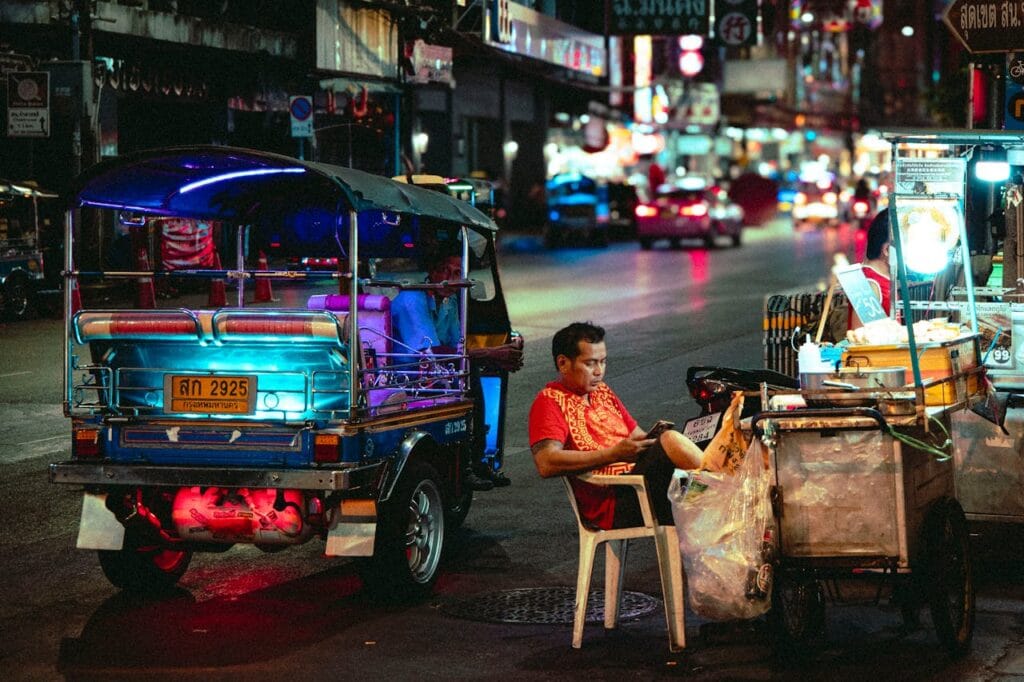
A tuk tuk driver in Chiang Mai who spent twenty minutes talking to me about wanting to move to England, specifically Sheffield, because he had a cousin there and had heard the weather was manageable.
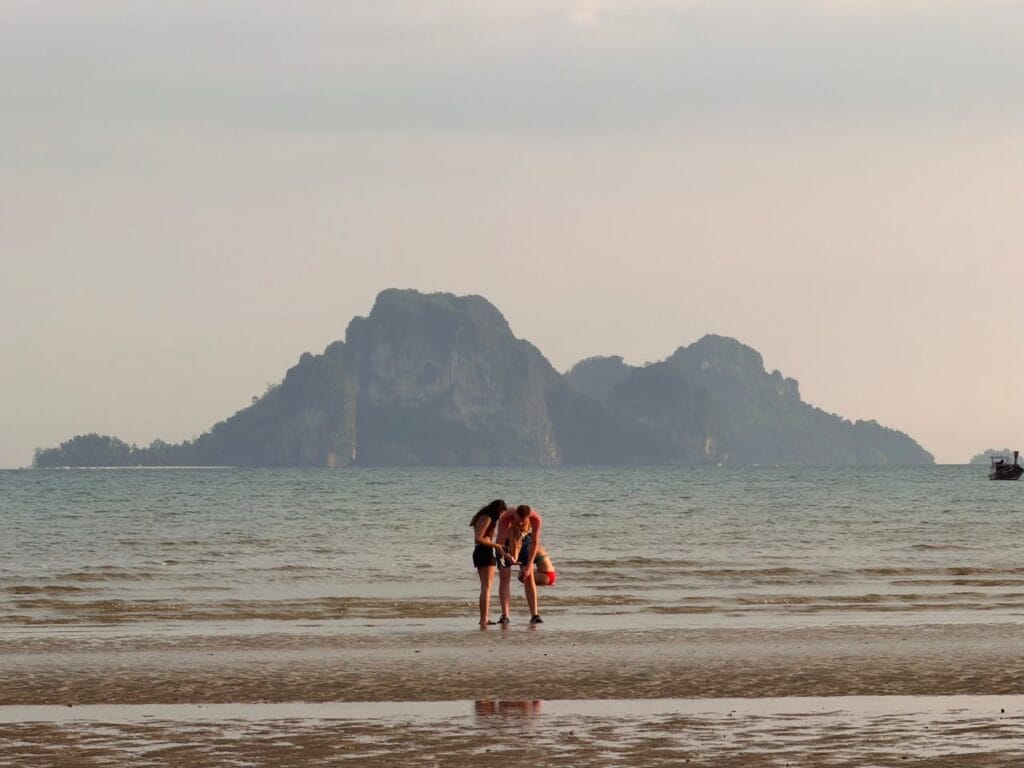
A group of teenagers at a Pattaya beach who were there the same way teenagers are at any beach anywhere. Not for the nightlife or the tourists or the reputation the city carries. Just for the beach. It was a Sunday.
None of these were the Thailand I had been sold.
All of them were more interesting.
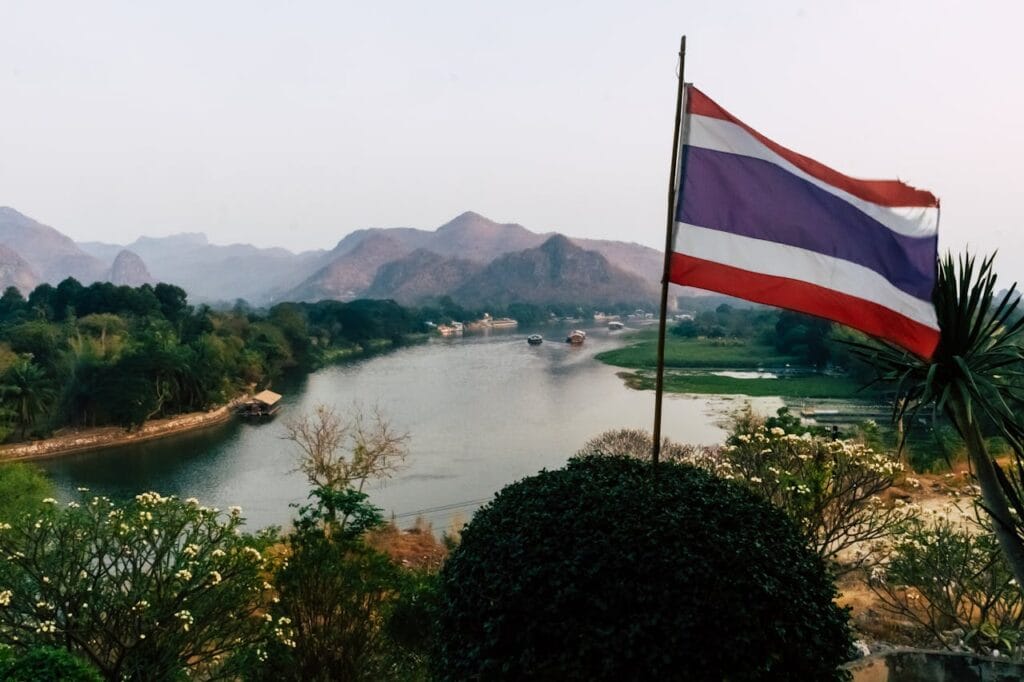
What Thailand Travel quietly teaches you
Thailand does not tell you any of this directly.
It does not correct the postcard you arrived with. It does not sit you down and explain the gap between what you are seeing and what is actually here. It simply continues being itself, in both versions, simultaneously, and waits to see if you notice.
The lesson, when it arrives, is not about Thailand.
It is about you. About the version of a place you carry in your head before you arrive. About how long it takes to put that version down and look at what is actually in front of you. About how much of travel is just the slow embarrassing process of realising that the place was never the postcard and the postcard was always yours.
Thailand is very good at absorbing tourists. It has been doing it long enough to know that most of them will not notice the gap.
The ones who do, who sit still long enough, stay curious long enough, resist the itinerary long enough, get something the photographs cannot carry home.
Not wisdom exactly. Not an insight you could put on a caption.
Just the specific, quiet feeling of having been somewhere rather than just having visited it.
Thailand keeps that feeling for the people who earn it.
It does not advertise that it is available.
Read Next: What I Learnt from a Grab Driver in Bangkok
 Psychology · Oct 17, 2026A Monkey Bite Killed the King of Greece
 Psychology · Oct 15, 202615 Surprising Facts That Sound Completely Made Up
 The Margin · Oct 13, 202615 Geography Facts That Sound Completely Made Up