Geography facts are usually the kind of thing you memorise for a school test and forget three days later.
These are not those facts.
There is a country named after Jesus Christ. Another country has no land below 1,000 metres. France’s longest border is with Brazil. And Australia is wider than the Moon.
All of those statements are true.
Somehow, they are not even the strangest ones.
The Geography Facts You Were Never Taught
1. El Salvador is essentially named after Jesus Christ
El Salvador literally means “The Savior” in Spanish.
The name ultimately comes from the Christian title Salvador del Mundo, or “Savior of the World”, referring to Jesus Christ. San Salvador, the country’s capital, carries the same religious origin. Over time, the name of the territory became simply El Salvador.
So yes, there is an entire country whose name basically means The Savior.
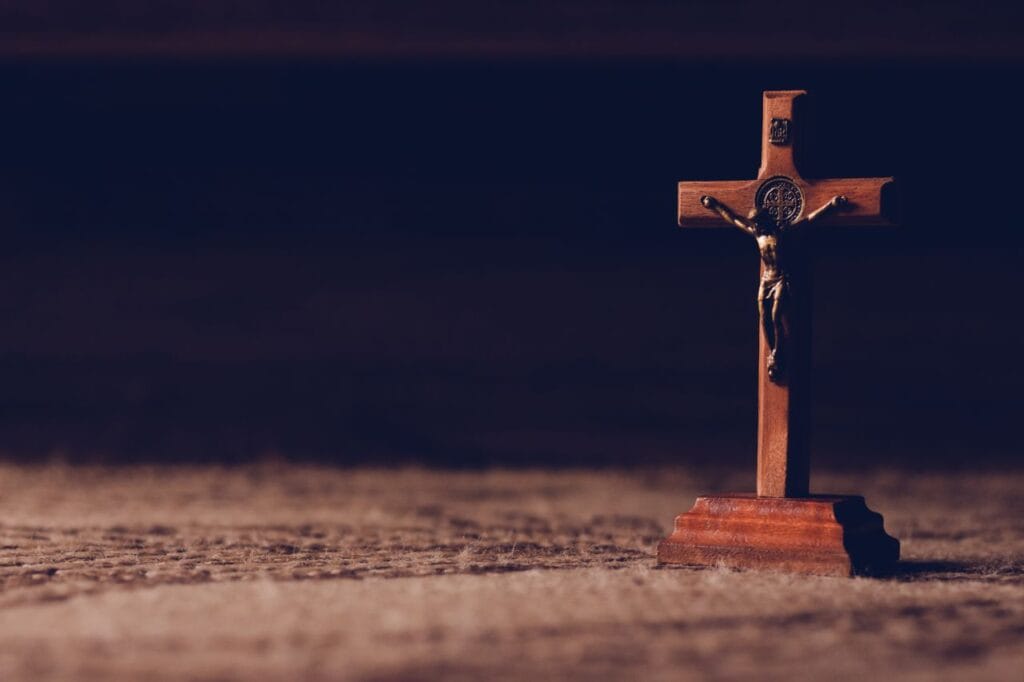
2. Saint Lucia is the only sovereign country named after a woman
There are countries named after kings, explorers and political leaders.
Bolivia comes from Simón Bolívar. The Philippines was named after King Philip II of Spain.
Then there is Saint Lucia.
The Caribbean country is named after Saint Lucy of Syracuse, a Christian martyr traditionally dated to the fourth century. Saint Lucia’s own government describes it as the only sovereign nation in the world named after a woman.
Ireland sometimes gets brought into this conversation because Éire is connected with the mythological figure Ériu.
But Ériu belongs to mythology.
Saint Lucy was a person.
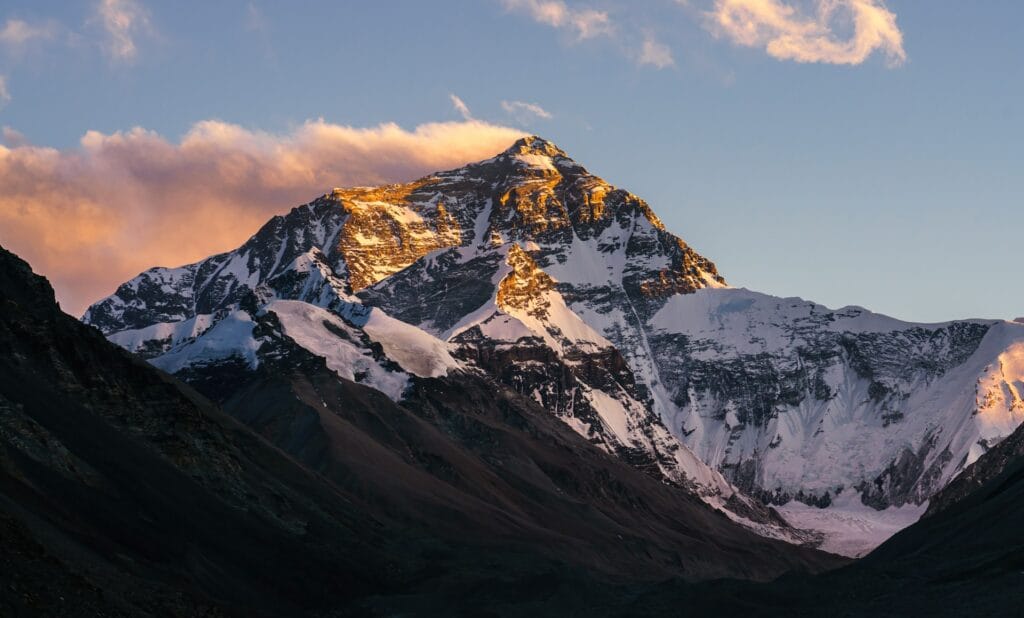
3. Mount Everest isn’t actually called Everest everywhere
We tend to talk about “Mount Everest” as though the mountain arrived with that name attached to it.
It didn’t.
On the Tibetan side, it is known as Qomolangma, or Chomolungma, commonly translated as “Goddess Mother of the World.”
In Nepal, it is Sagarmatha.
“Everest” came much later and honours George Everest, a British surveyor-general of India. Strangely enough, George Everest himself reportedly objected to naming the mountain after him.
The highest mountain on Earth therefore has at least three major names depending on who is talking about it.
4. An entire country sits more than 1,000 metres above sea level
There are mountainous countries.
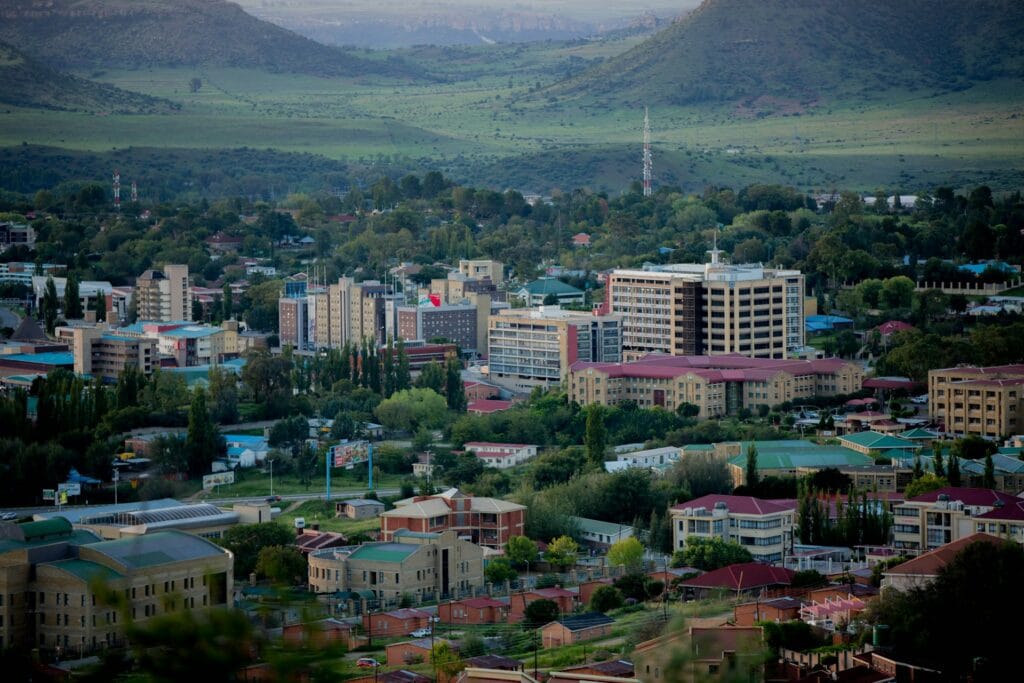
And then there is Lesotho.
Every piece of the country lies above 1,000 metres.
Its lowest point is around 1,400 metres above sea level, giving Lesotho the highest lowest point of any country on Earth.
Think about that for a second.
You could travel to the lowest place in the entire country and still be standing higher than plenty of mountains elsewhere.
There is a reason Lesotho is sometimes called the Kingdom in the Sky.
5. Montenegro basically means “Black Mountain”
Some country names require pages of historical explanation.
Montenegro is refreshingly direct.
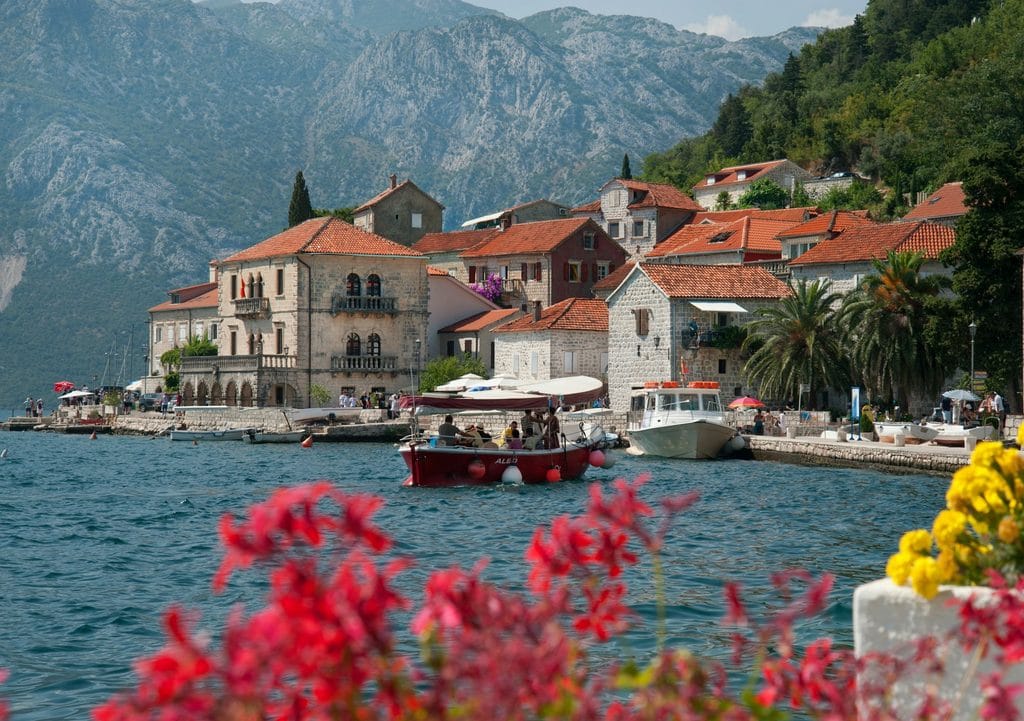
The name comes from Venetian Italian and essentially means “Black Mountain.” Locally, the country is called Crna Gora, which means the same thing.
The mountain behind it is Lovćen. Montenegro’s national tourism organisation describes it simply as the black mountain that gave the country its name.
Someone looked at a dark, forested mountain and apparently thought: yes, we’ll name the country after that.
Fair enough.
6. Brazil is the only country named after a tree
Brazil did not get its name from a king, a tribe or a river.
It got it from a tree.
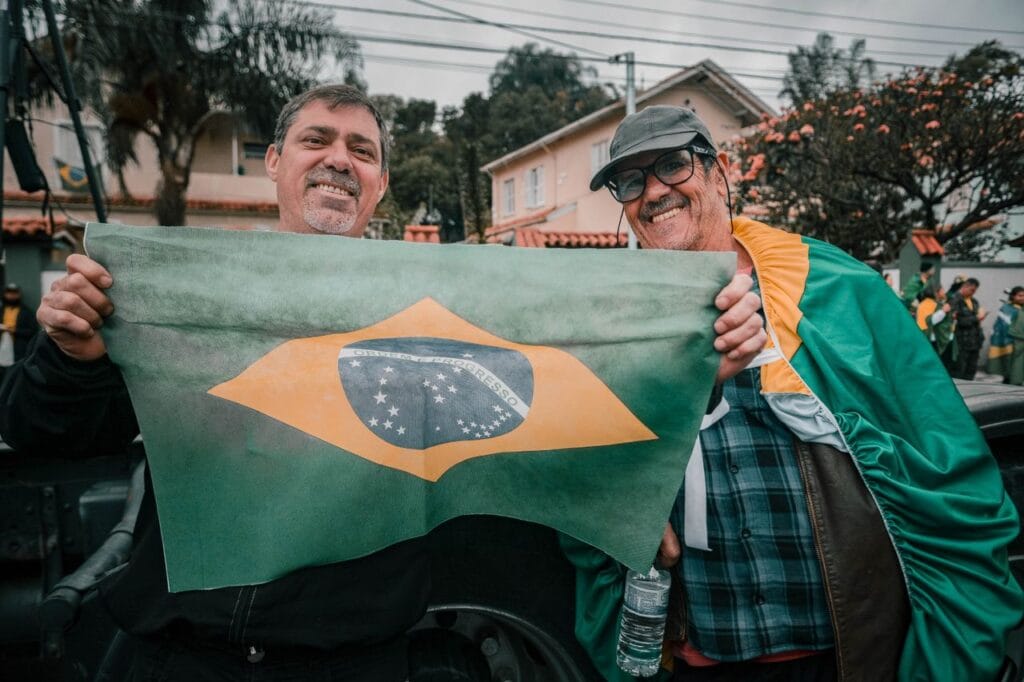
When Portuguese explorers arrived in the early 1500s, they found large quantities of pau-brasil, or brazilwood, along the Atlantic coast. The tree’s wood produced a valuable deep-red dye and quickly became one of the colony’s first major exports. Brazilian government sources say the tree ultimately gave the country its name.
The name itself is linked to the Portuguese word brasa, meaning an ember, because of the wood’s intense reddish colour.
And here is the part worth remembering:
Brazil is widely regarded as the only sovereign country in the world named after a tree.
The tree that helped name one of the largest countries on Earth was later logged so heavily that it became endangered.
So Brazil was not just named after a tree.
It nearly lost the tree it was named after.
7. France also has more time zones than Russia
Russia looks as though it should win this without competition.
It stretches across a ridiculous amount of the planet.
And yet France has more time zones.
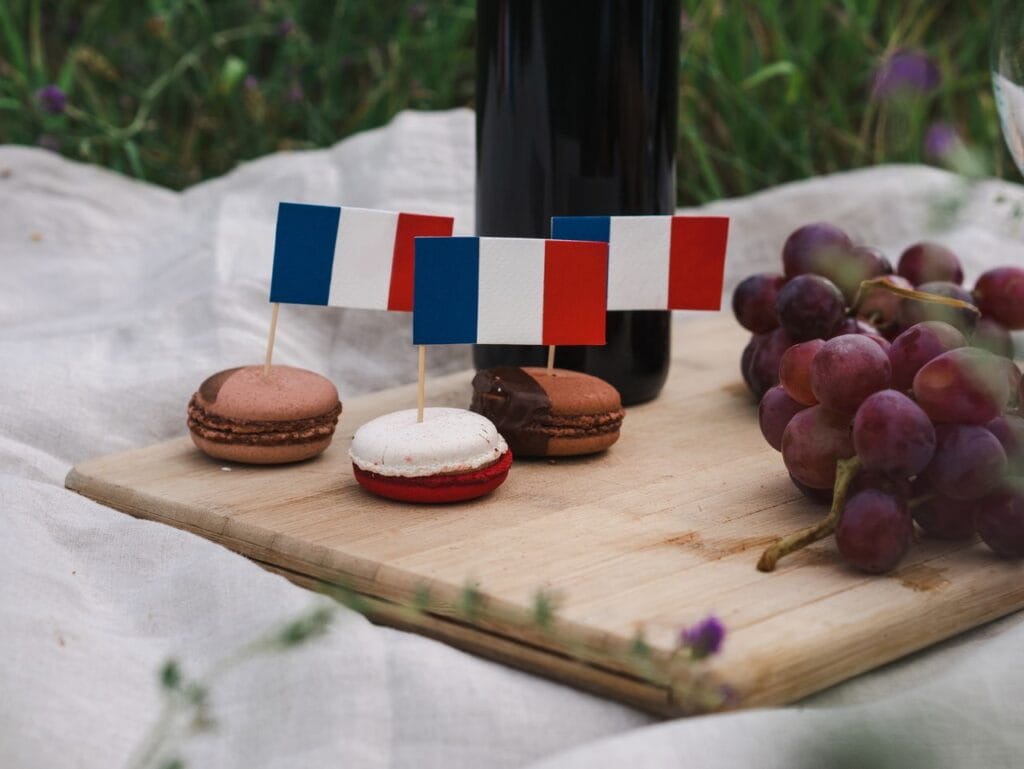
When its overseas territories are included, France uses 12 standard time zones, compared with Russia’s 11.
Metropolitan France itself sits comfortably in Europe.
French territory does not.
That territory is scattered through the Caribbean, South America, the Indian Ocean and the Pacific.
Which makes France geographically much stranger than the map of Europe suggests.
8. One country exists in all four hemispheres
There are Northern Hemisphere countries.
Southern Hemisphere countries.
Eastern and Western Hemisphere countries.
Then there is Kiribati.
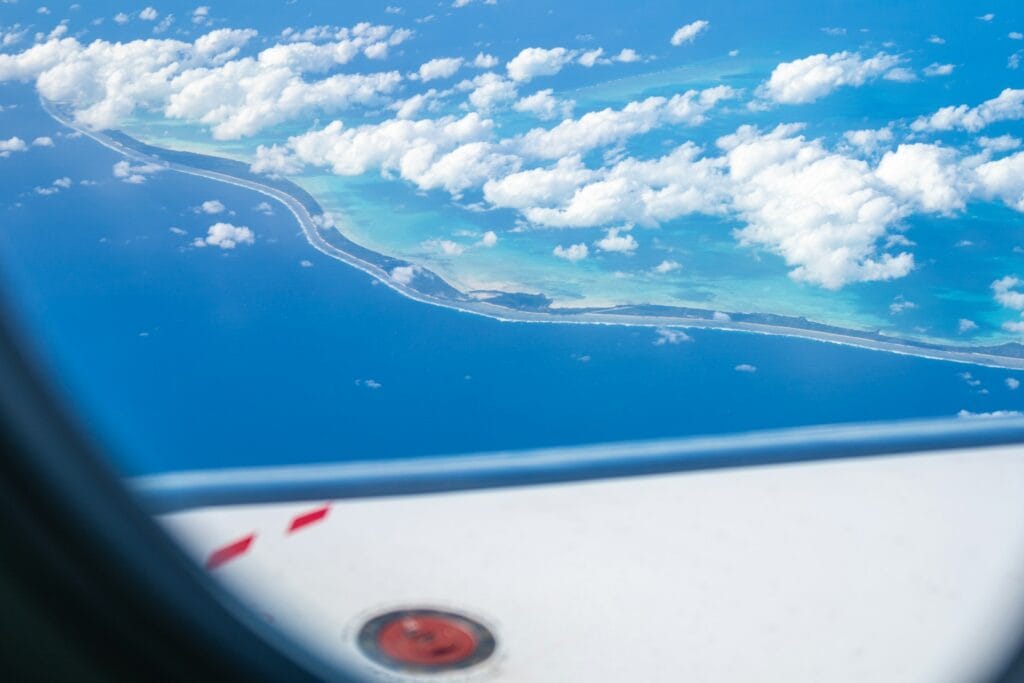
Its islands are scattered across such an enormous stretch of the Pacific that its territory falls north and south of the Equator and east and west of the 180th meridian.
That puts Kiribati’s main territory in all four hemispheres.
The actual land area of Kiribati is tiny.
The patch of ocean across which those islands are scattered is enormous.
9. Australia is wider than the Moon
This sounds like one of those internet facts that collapses the moment somebody checks the numbers.
It doesn’t.
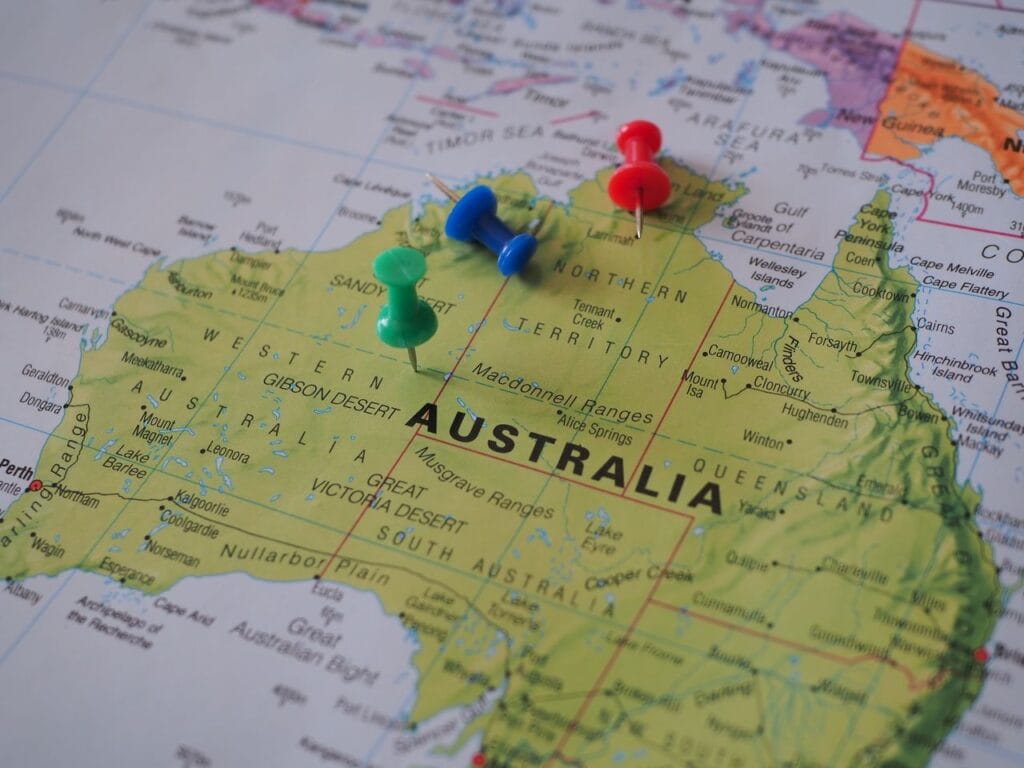
The Moon is about 3,474 kilometres in diameter.
Australia stretches almost 4,000 kilometres from east to west. Australia’s CSIRO gives another neat comparison: Perth to Brisbane is about 3,606 kilometres, still wider than the Moon.
This does not mean Australia is bigger than the Moon.
The Moon’s total surface area is vastly larger.
It just means that if you compare Australia’s width with the Moon’s diameter, Australia wins.
Which still feels completely wrong.
10. Two countries are landlocked inside other landlocked countries
Being landlocked means you have no coastline.
Being double landlocked is considerably worse.
It means every country surrounding you is also landlocked.
There are only two sovereign states in this situation: Liechtenstein and Uzbekistan.
If you start in Uzbekistan and want to reach an open ocean without flying, you have to cross at least two international borders.
You cannot simply drive through one neighbouring country and reach the coast.
None of your neighbours has one either.
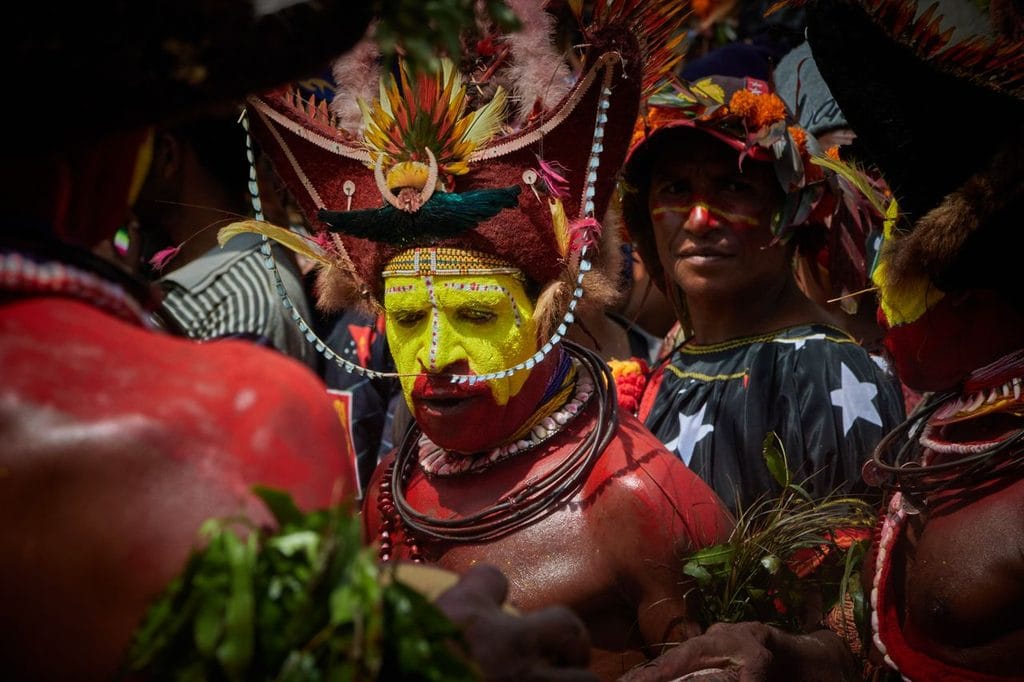
11. Papua New Guinea has more than 800 indigenous languages
Not dialects.
Languages.
Papua New Guinea’s Department of Foreign Affairs says the country has more than 800 distinct indigenous languages.
Its population is only a tiny fraction of the world’s.
Yet a staggering portion of humanity’s linguistic diversity exists inside its borders.
In some parts of the country, neighbouring communities separated by relatively short distances developed completely different languages.
It is hard to imagine a better reminder of how culturally enormous a relatively small place can be.
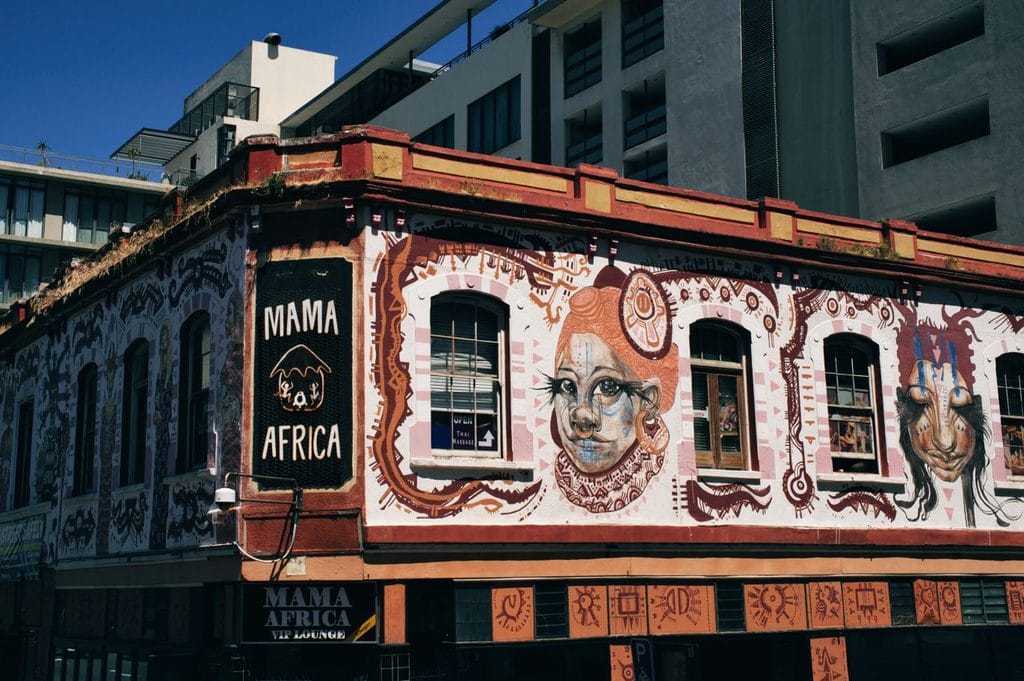
12. South Africa has three capitals
Most countries settle on one.
South Africa went with three.
Pretoria is the administrative capital.
Cape Town is the legislative capital and home of Parliament.
Bloemfontein is traditionally identified as the judicial capital and is home to the Supreme Court of Appeal.
So asking “What is the capital of South Africa?” has a surprisingly annoying answer:
Which one?
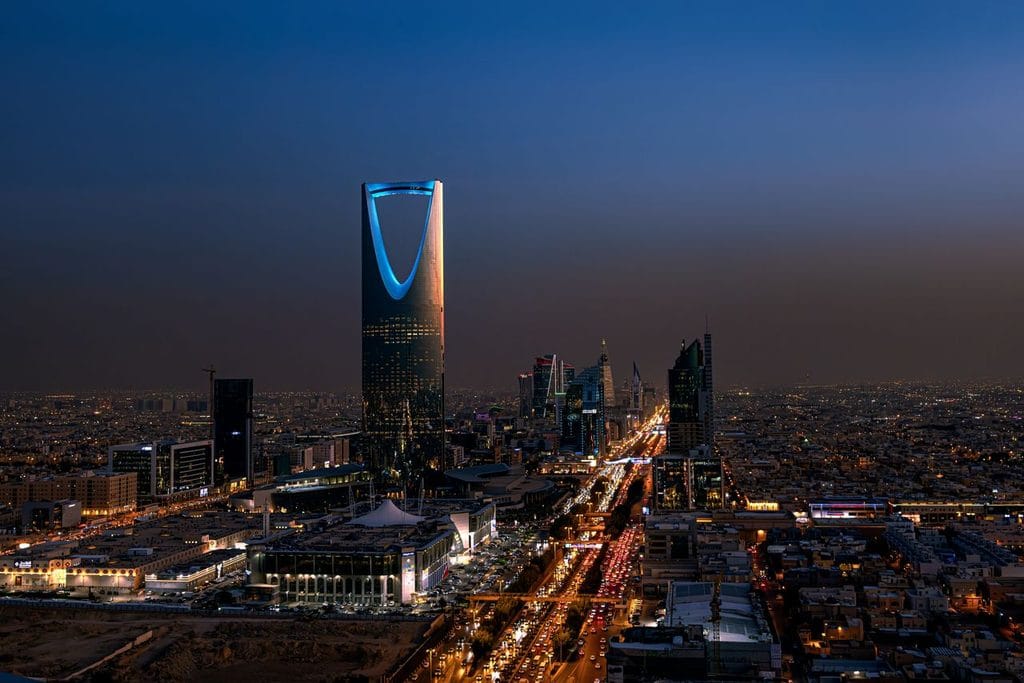
13. Saudi Arabia has no permanent rivers
Saudi Arabia is enormous.
More than two million square kilometres enormous.
And yet it has no permanently flowing rivers.
There are seasonal waterways called wadis, which can carry water after rainfall, but nothing comparable to the Nile, Amazon or Mississippi flows permanently through the country.
For a country that large, that is difficult to wrap your head around.
It also helps explain why groundwater and desalination are so important there.
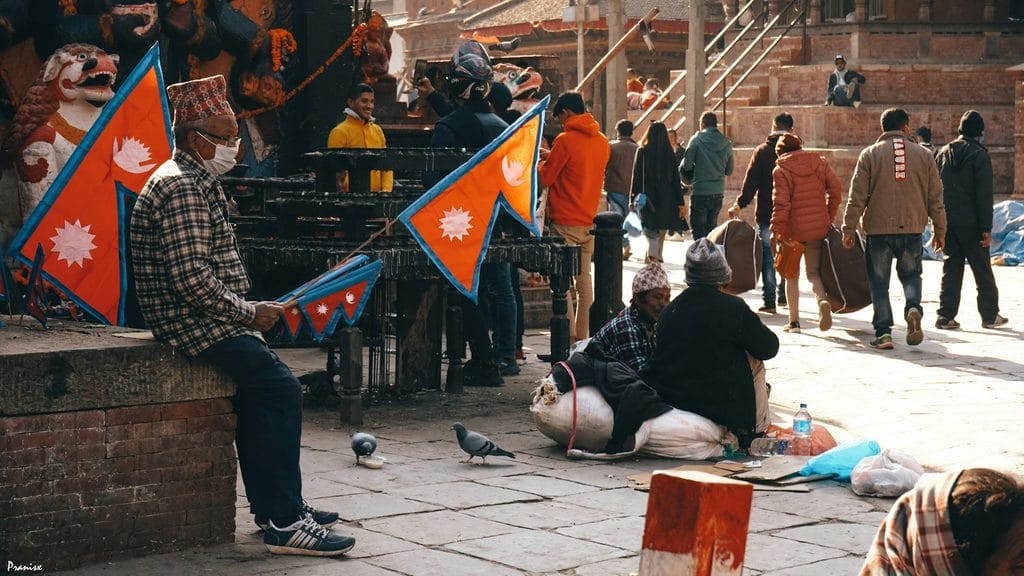
14. Nepal is the only country without a rectangular national flag
Look at practically every country’s flag and you get some variation on the same shape.
Rectangle.
Rectangle.
Rectangle.
Then Nepal shows up.
Its national flag consists of two joined triangular pennants, making it the world’s only national flag that is neither rectangular nor square.
And Nepal takes the shape seriously.
The country’s constitutional rules actually contain a 24-step geometric construction explaining how the flag should be drawn.
Someone writing a constitution effectively included a geometry problem.
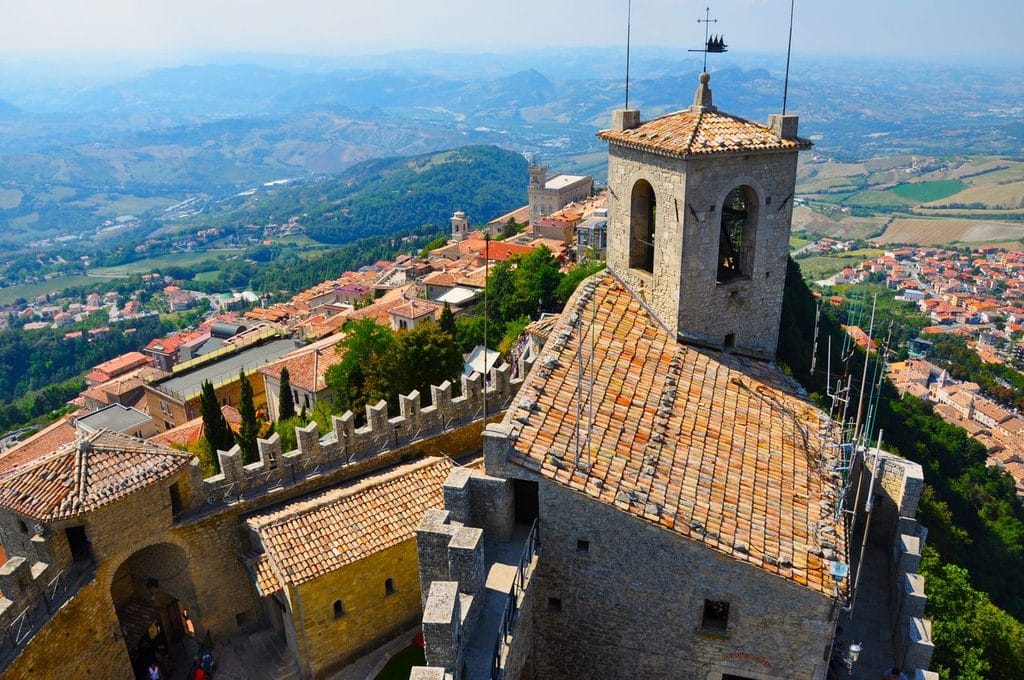
15. San Marino claims to have been a republic since the year 301
Rome fell.
Empires appeared.
Empires disappeared.
Europe redrew itself over and over again.
And tiny San Marino just kept going.
The country traditionally dates its foundation to AD 301 and is widely described as the world’s oldest surviving republic. European Union material describes it as, according to tradition, the world’s oldest republic.
It covers only about 61 square kilometres and is completely surrounded by Italy.
Some countries are younger than photography.
San Marino’s traditional founding date is older than much of what we think of as modern Europe.
Read Next: What Happens When Scientists Try to Test an Out-of-Body Experience
 Psychology · Oct 17, 2026A Monkey Bite Killed the King of Greece
 Psychology · Oct 15, 202615 Surprising Facts That Sound Completely Made Up
 Psychology · Oct 11, 2026Brutal Honesty Is Not a Personality Trait