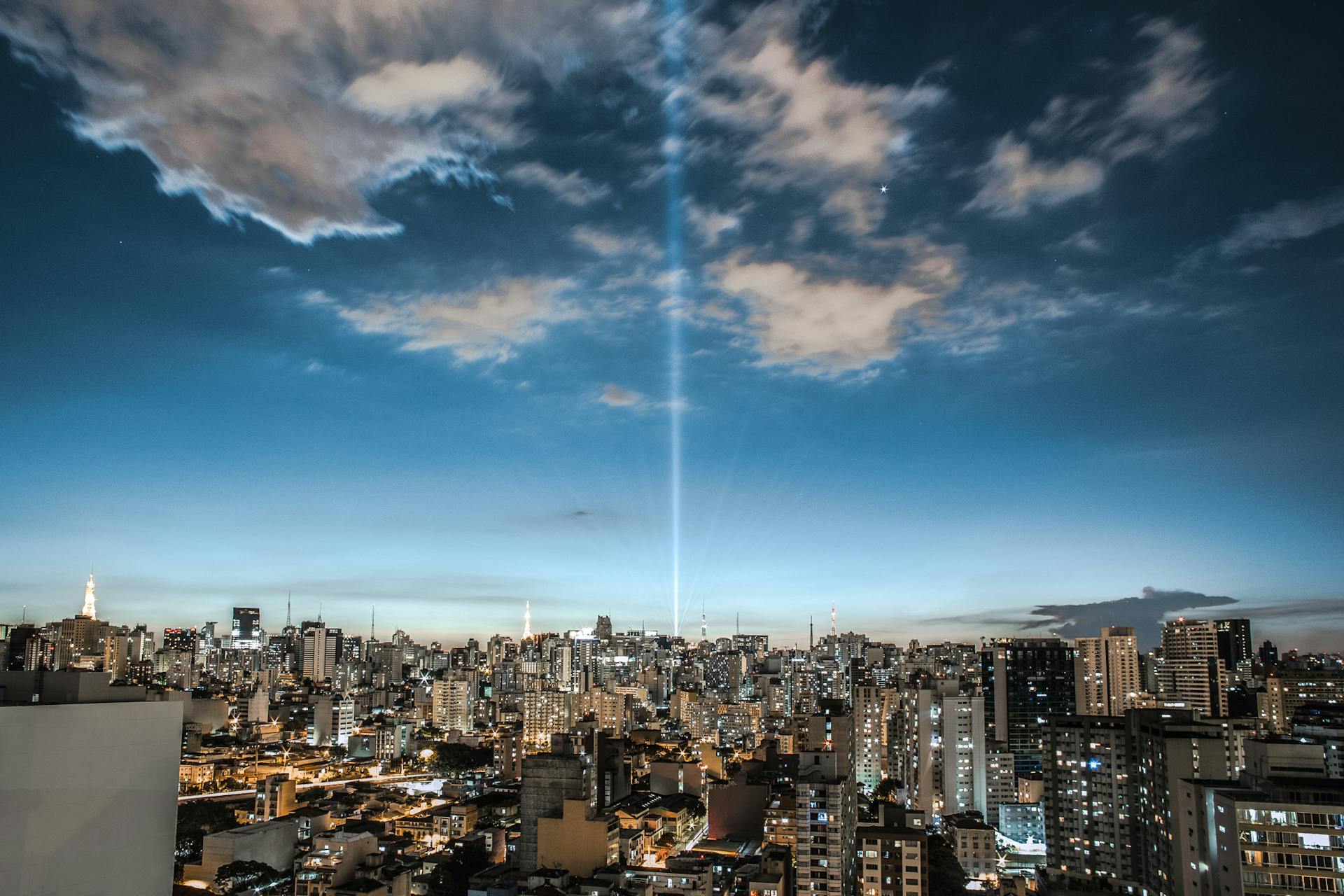
Assaí Brazil does not look like Tokyo.
It sits in the state of Paraná, surrounded by farmland and open sky. Portuguese is spoken. Brazilian flags hang from buildings. The climate is humid and warm. And yet, for decades, it has carried the imprint of Japan in ways that are both visible and subtle.
On a quiet afternoon, you might pass a street with Japanese surnames on shop signs. A local festival might include traditional Japanese dance alongside Brazilian music. Elderly residents may speak Japanese at home and Portuguese in public. It feels like two places layered on top of each other.
How does that happen?
In the early twentieth century, Brazil encouraged immigration to support agricultural expansion. Japan, facing economic pressure and limited land, saw opportunity overseas. In 1908, the first official group of Japanese migrants arrived in Brazil aboard the ship Kasato Maru. Over the following decades, thousands more followed, settling in rural areas to farm coffee and other crops.
Some of those communities grew into towns like Assaí Brazil.
Today, Brazil has the largest population of Japanese descendants outside Japan. What makes Assaí Brazil striking is not just the demographic fact, but the psychological one. It is a city shaped by migration, memory and the decision to hold on to parts of an identity while adapting to another.
It raises a larger question about modern life. What happens when a culture travels? Does it dissolve, or does it recreate itself in a new landscape?
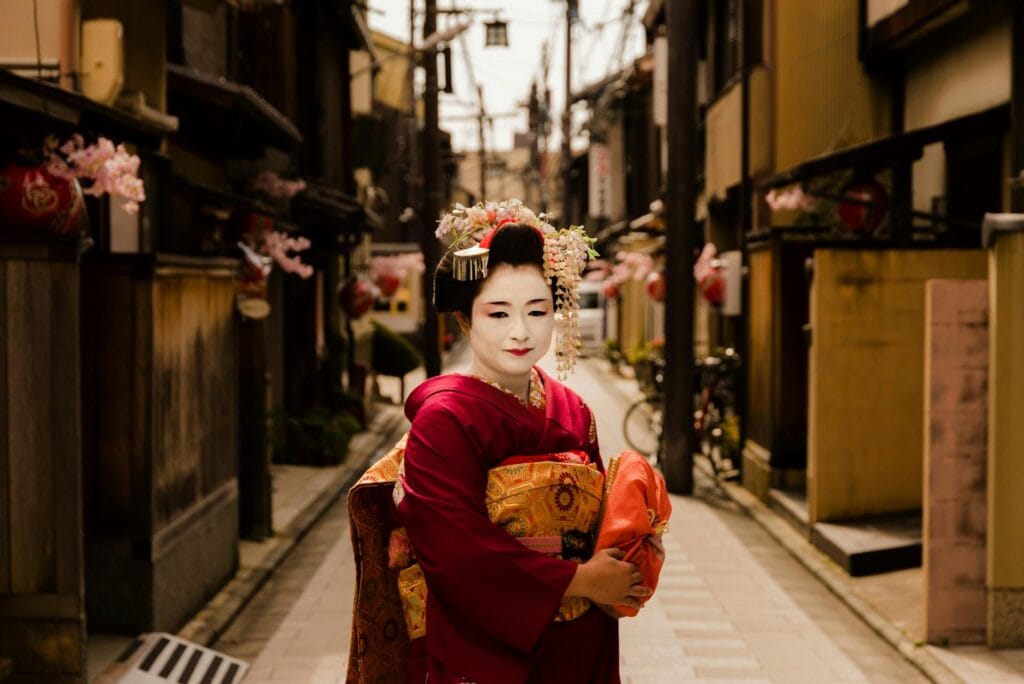
Assaí Brazil and the Architecture of Memory
When migrants arrived in Paraná, they did not bring buildings from Japan. They brought habits, language, food and rituals. Over time, these intangible elements shaped the physical environment.
Community associations were formed. Japanese language schools were established. Agricultural techniques influenced local farming. Temples and cultural centres appeared. The town began to carry markers of another homeland.
Identity does not vanish when geography changes.
Second and third generation residents of Assaí Brazil often grow up navigating two cultural codes. At home, there may be traditional meals and expectations rooted in Japanese customs. Outside, there is Brazilian schooling, media and national culture. The blending is not always smooth, but it produces something distinctive.
This layered identity is not unique to Assaí Brazil. It echoes through immigrant communities worldwide. In parts of London, Southall carries Punjabi influence. In Leicester, Diwali lights fill public streets. In São Paulo, Liberdade is known for its Japanese heritage. Migration leaves fingerprints on cities.
But smaller towns like Assaí Brazil show the phenomenon in a concentrated form. The influence is not confined to a neighbourhood. It becomes the town’s identity.
There is a quiet tension in that.
For descendants of migrants, how much of the original culture should be preserved? Language often fades first. By the third generation, fluency may weaken. Rituals may simplify. Food adapts to local ingredients. At what point does preservation become performance?
The question is rarely answered directly. It sits in family conversations and community meetings, unresolved.
At the same time, assimilation is never complete. Even those who feel fully Brazilian may carry inherited stories about grandparents who crossed oceans. Those stories shape self perception. They influence career choices, values and the sense of belonging.
Assaí Brazil becomes more than a town. It becomes proof that identity is portable.
The Psychology of Being from Two Places
To grow up in Assaí Brazil is to inherit more than geography. It is to inherit a narrative.
That narrative often includes sacrifice. Early migrants worked in difficult agricultural conditions. They faced language barriers and social isolation. They built institutions from scratch. These stories are repeated across generations, forming a collective memory.
Collective memory influences behaviour.
Children raised with stories of endurance may internalise discipline as a core value. Communities that emphasised education as a path to stability may continue to prioritise academic achievement. Over time, these patterns become stereotypes, sometimes flattering, sometimes limiting.
A city built by migrants carries both pride and pressure.
There is also the question of belonging. In Brazil, people of Japanese descent may still be asked where they are originally from, even if their family has lived there for generations. In Japan, if they visit, they may be seen as Brazilian. The experience of being slightly outside both categories is common in diasporic communities.
It creates a flexible but fragile identity.
Modern urban life often celebrates diversity in abstract terms, but living between cultures involves daily negotiation. Which holidays are celebrated? Which language is spoken to children? Which customs are kept and which are quietly dropped?
In towns like Assaí Brazil, these negotiations are visible in festivals and public life. A local event might combine Brazilian music with Japanese dance. Food stalls might serve sushi alongside pão de queijo. The mixture is not staged for tourists. It reflects lived reality.
This blending shows how culture is not a fixed inheritance. It is an ongoing construction.
In an earlier exploration of collective rituals in modern cities, the focus was on how shared practices shape public space. Assaí Brazil offers a similar lesson. When enough people carry the same memories, those memories reshape the town itself.
And yet, there is an unresolved tension.
If identity can travel and adapt so easily, what does that say about the idea of roots?
A City Within a Country
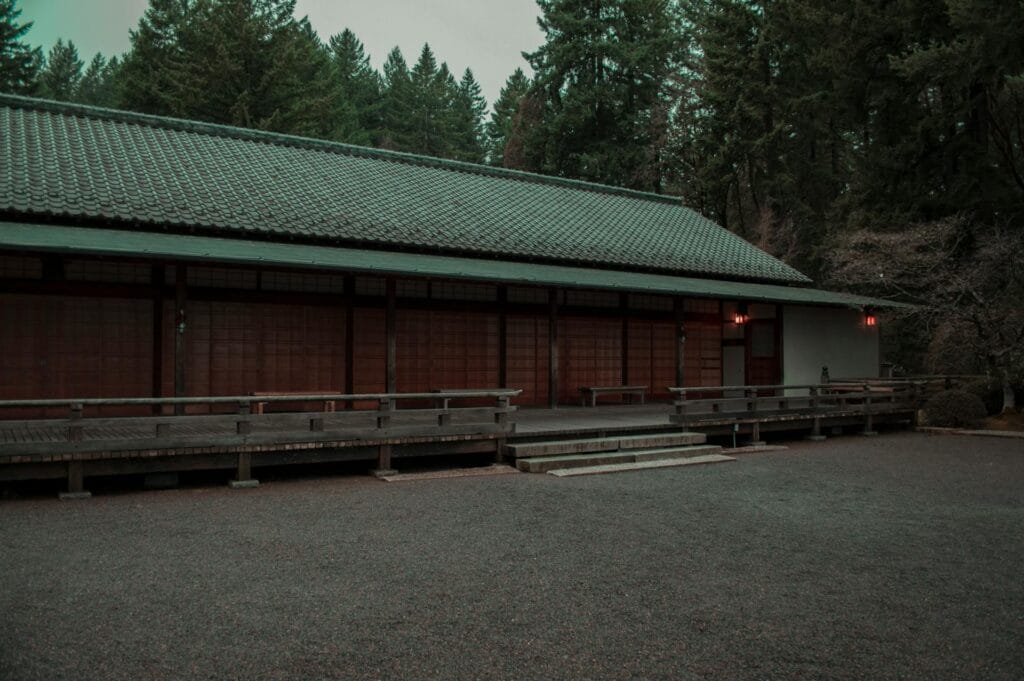
Assaí Brazil is sometimes described as a Japanese city inside Brazil. The phrase is appealing, but it is not entirely accurate. The town is fully Brazilian in law, language and national identity. At the same time, it carries visible Japanese heritage.
It is not two cities layered cleanly on top of each other. It is one city shaped by two histories.
This duality reflects a broader truth about migration in the twenty first century. People move for work, education, safety and opportunity. They carry customs with them. Over time, those customs leave marks on streets, schools and businesses. Cities become mosaics rather than monoliths.
In an era where debates about immigration can become heated, towns like Assaí Brazil offer a long view. Cultural blending is not new. It has been happening for more than a century. What feels unfamiliar in one generation becomes ordinary in the next.
Yet blending does not erase difference.
Language schools continue to operate. Cultural associations maintain traditions. Families tell stories of arrival and struggle. The preservation of heritage coexists with adaptation to the surrounding society.
There is something quietly hopeful in that balance.
It suggests that identity does not have to be singular to be stable. A person can feel Brazilian and connected to Japan. A town can celebrate Carnival and a Japanese festival in the same year. Contradictions do not always cancel each other out.
They can coexist.
Assaí Brazil does not offer a tidy lesson. It does not resolve the question of what it means to belong. It simply demonstrates that identity is not limited by borders. Culture moves with people. Memory reshapes place. And over time, a new normal emerges that would have seemed unlikely at the beginning.
A city within a country becomes just a city.
And the layers remain, visible to those who know how to look.
Further Reading:
- Abroad in Japan : Chris Broad https://amzn.to/4rYZenp
- The Culture Map : Erin Meyer https://amzn.to/4qMC4zD

 Psychology · Sep 22, 2026Chimpanzees Have Accents. They Grow into Them.
 The Margin · Sep 17, 2026People Are Seeing Ads in Their Dreams.
 Slow Meridian · Sep 16, 2026Autumn Leaves