I arrived in Dharkot village on a Thursday afternoon when clouds hung so low they brushed the tin roofs, turning the village into something half-real, half-dream.
The shared jeep from the main road could only take me so far. The last stretch required walking, crossing the Dobra Chanti Bridge on foot while my backpack grew heavier and my city lungs protested the altitude.
Then the mist parted.
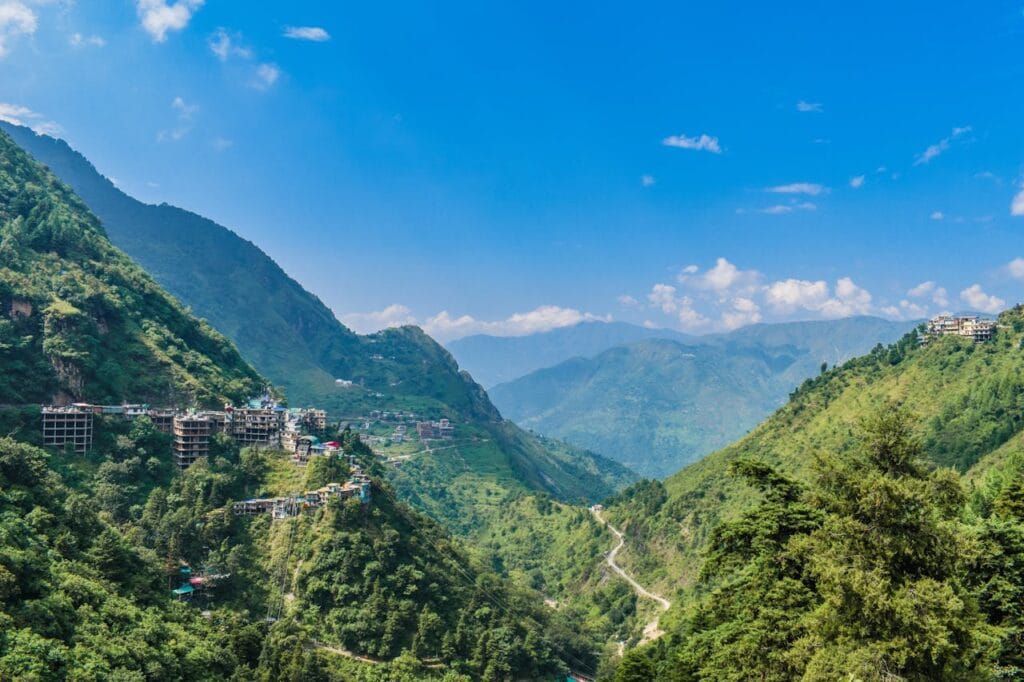
What Dharkot Village Looks Like from the Inside
Dharkot clings to the mountainside like moss to stone.
Stone houses with slate roofs. Walls the colour of earth itself. Wooden beams weathered silver by decades of monsoons. No honking. No traffic. No chaos. Just wind through deodar trees and, somewhere distant, a cowbell’s irregular rhythm.
I stood there longer than I needed to. There was no reason to move.
“You came from the city?” asked the woman hosting me, her Hindi flavoured with Garhwali inflections that made every sentence sound like a song.
When I nodded, she laughed, not unkindly.
“Sit. Rest. The mountains don’t run away.”
The First Evening
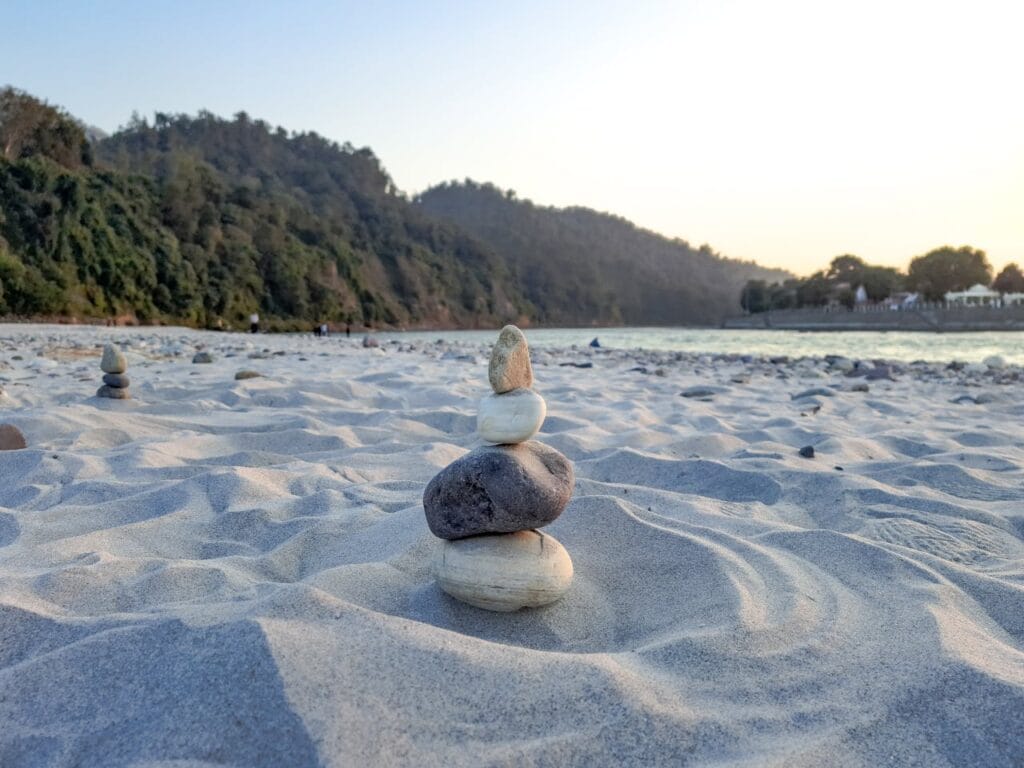
That first evening I sat on a stone wall watching the valley fill with shadows.
The Tehri Lake stretched below, turning from copper to purple to black. A child ran past chasing a dog, their laughter sharp and clear in the thin air. Wood smoke drifted from nearby houses, carrying the scent of something spiced.
I had not felt this still in months. Maybe longer.
“This silence unsettles city people,” my host said, appearing with tea in steel glasses. “You’re always waiting for noise. For something to happen.”
She was right.
My fingers kept reaching for my phone. My mind kept generating to-do lists that did not matter here. But Dharkot refused urgency. Time moved differently, measured in sunrise and sunset, in seasons rather than deadlines.
The mountains do not run away. They just wait until you stop running.
By the Third Day in Dharkot Village
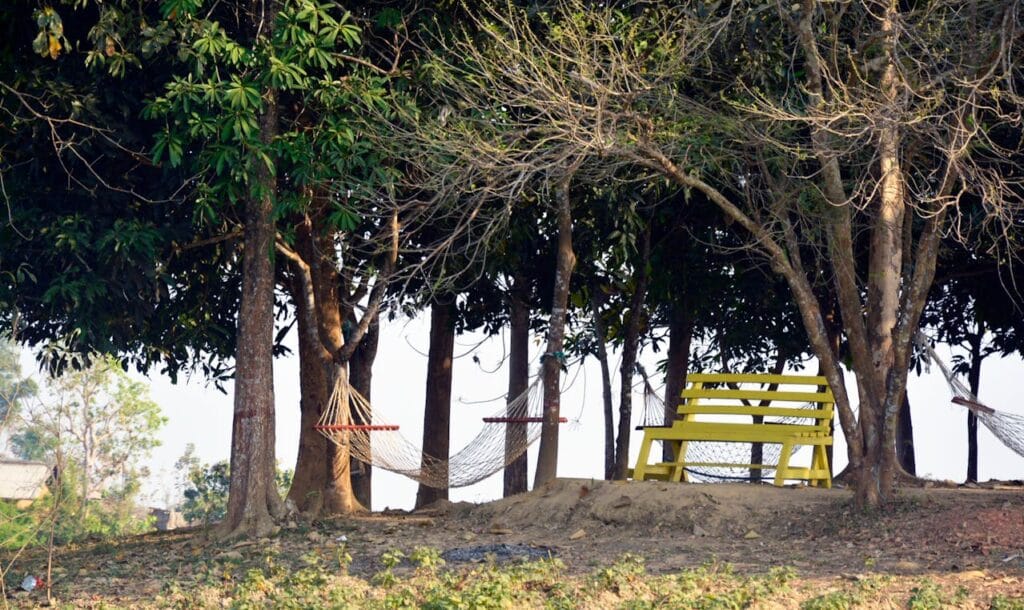
By the third day I had learned the village’s rhythm.
Morning meant fog thick enough to taste, women at the community tap, their conversation punctuated by water splashing into vessels. Afternoon brought children from school, uniforms impossibly clean given the muddy paths.
Evening was old men near the small temple, discussing next season’s crops with no particular hurry. Nobody was performing busyness for anyone.
An elderly farmer named Khushi Ram took me to his terraced fields. We climbed trails that barely qualified as trails. I was out of breath within minutes. He was not.
“People think mountain farming is backward,” he said, pointing to radish planted between potato rows. “But we have been doing this for generations. Now climate scientists call it sustainable agriculture. We just call it not falling off the mountain.”
I laughed. He was completely serious.
We sat at the edge of his highest field for a while without talking. The valley below dropped away in careful, terraced steps, each one older than the last. He pointed out landmarks I had no names for. I did not ask.
The names were not really the point. What mattered was that someone had worked this same ridge for generations and intended to keep doing so, without making a thing of it.
That line stayed with me longer than anything I had read before the trip.

What the Village Actually Gave Me
What struck me was not just the beauty, though the beauty was overwhelming.
It was the completeness of life there. Nothing felt provisional. Stone paths worn smooth by generations. Water channels older than anyone living.
Problems that would trigger panic in cities, landslides, power cuts lasting days, were met with practical adjustment and collective action. No catastrophising. No noise about it. Just people who had been through worse and knew exactly what to do.
I kept thinking about how much energy cities spend manufacturing urgency. Dharkot had real problems and treated them like real problems. Quietly. Together. Without making the problem bigger than it needed to be.
There is a confidence that comes from living somewhere that has already survived everything it needed to survive.
Leaving
“Will you come back?” my host asked when I was packing to leave.
I said yes, because the honest answer felt too raw.
That I did not want to leave at all. That returning to the city felt like putting on clothes that no longer fit.
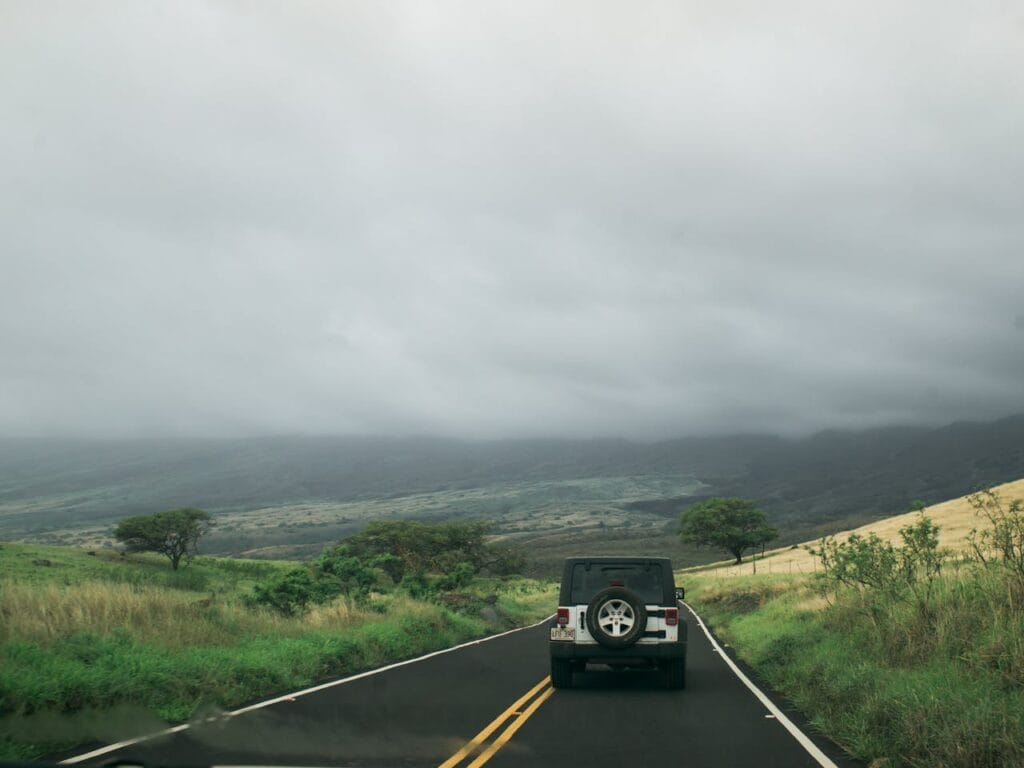
The jeep driver called out from the bridge. I walked back slower than necessary. Turned once to see Dharkot hazed in the distance, already half-swallowed by afternoon cloud.
We build cities to escape something. But sometimes we need to go back to the thing we left. To stand in it for a few days. To drink tea in steel glasses and watch a lake turn from copper to black.
To remember what exactly we escaped from.
And whether it was worth it.
Read Next: Work Life Balance Is Not Something You Are Bad At.
What Thailand Quietly Teaches You When You Finally Stop Being a Tourist