Some links on this page may be affiliate links. If you purchase through them, we may earn a commission at no extra cost to you.
KEY TAKEAWAYS
Voluntary solitude allows deep introspection and heightened empathy, as experienced during five days alone in Glen Nevis.
The story of Louie, a missing therapy dog, highlights the difference between chosen loneliness and loneliness imposed by circumstance.
Small acts, like putting up posters or building a fire, serve as beacons of hope and connection even in seemingly isolated places.
Human connection can emerge unexpectedly, as shown when strangers were drawn to the fire built without a clear purpose.
Persistence in searching or waiting, despite low odds, reflects a fundamental human response to loss and hope.
GLOSSARY
Voluntary solitude
Choosing to be alone intentionally to experience deep mental quiet and self-reflection, as the author did in Glen Nevis.
Louie
A golden retriever therapy dog who went missing near Steall Falls, symbolizing involuntary loneliness and the community’s collective effort to find him.
Posters on trees
Physical notices placed in remote areas to seek help in finding Louie, representing hope and human persistence despite low chances of being seen.
Chosen vs. imposed loneliness
The contrast between solitude one elects to experience and the isolation that happens without consent, as reflected in the author’s empathy for Louie.
Beacon of light
A metaphor for small actions, like building a fire, that attract connection and signal presence in an otherwise empty or dark environment.
Glen Nevis
A valley in Scotland where the author spent five days alone, setting the scene for reflection and the encounter with the story of Louie.
FAQ
Why did the author choose to spend five days alone in Glen Nevis?
The author deliberately sought deep boredom and solitude to exhaust usual mental distractions and open space for new thoughts and feelings.
What significance did Louie's story have for the author during the trip?
Louie's story introduced the author to the experience of involuntary loneliness and sparked empathy, contrasting with the author's chosen solitude.
What role did the posters play in the narrative?
The posters symbolized hope and persistence in the face of loss, placed in remote areas despite low chances of being seen, reflecting human determination.
How did the encounter with the three strangers affect the author's experience?
The strangers' arrival at the fire brought unexpected human connection, transforming the author's solitude into a shared moment of discovery and warmth.
What lesson does the author draw from Louie's eventual return?
The author reflects that even when lost and alone, the continuous effort to keep a 'light on'—symbolized by the search and the fire—can lead to reunion and hope.
EDITORIAL NOTE
This piece is part of The Present Minds — essays on psychology, identity, and modern life.
Tap to switch read mode.Original contrast is live.
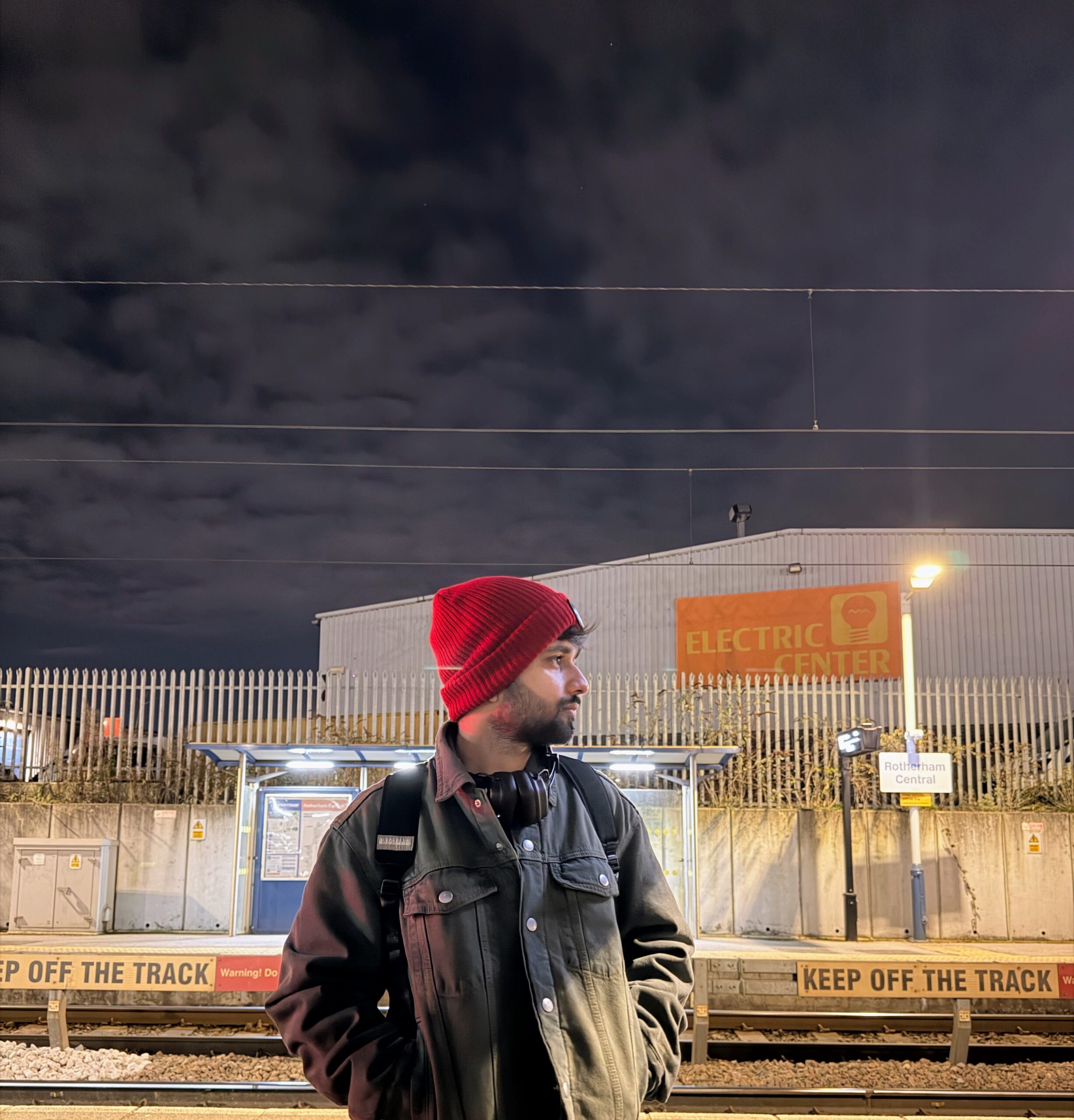
Written ByNavneet ShuklaFounder · Editor · Systems Architect
Navneet Shukla writes about how people think and how modern life shapes that thinking. The Present Minds is where he explores it.
What I learnt from Louie, a missing dog in Scotland, I only understood when three strangers walked out of the dark toward a fire I had built for no reason at all.
That is the thing about spending five days alone in a valley with no signal and nothing to do. By the time something finds you, you have become very good at feeling it.
The missing dog in Scotland and the posters on the trees
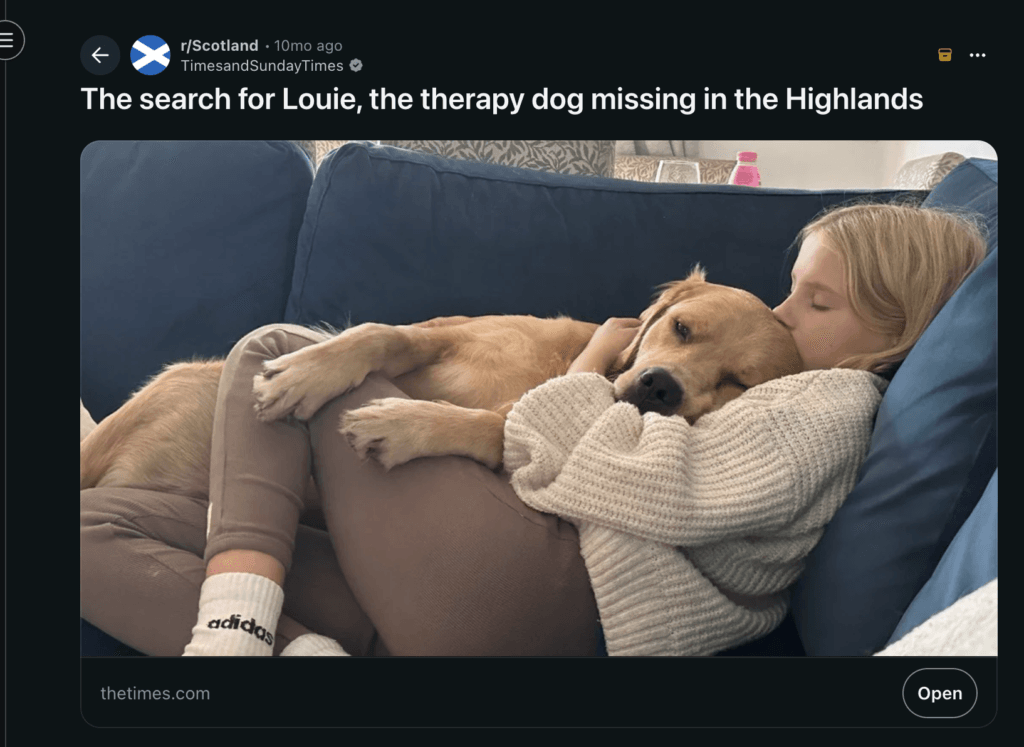
Louie was a missing dog in Scotland, a golden retriever, a therapy dog belonging to a teenager who needed him. He had slipped away near Steall Falls, the second highest waterfall in Scotland, on a trek three weeks before I arrived.
I did not know any of this when I first saw his poster.
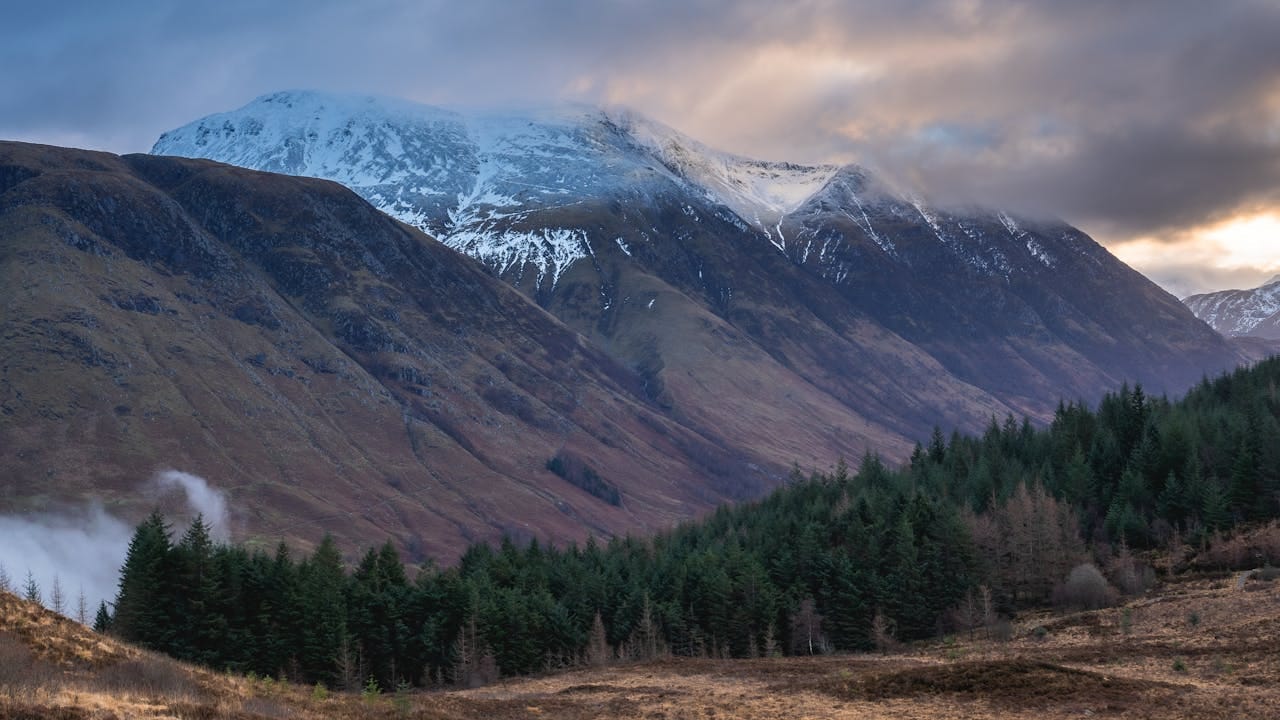
I had come to Glen Nevis with one deliberate ambition. I wanted to be bored. Not the ordinary kind. The deep structural kind, where the brain exhausts its usual material and has to go looking for something else.
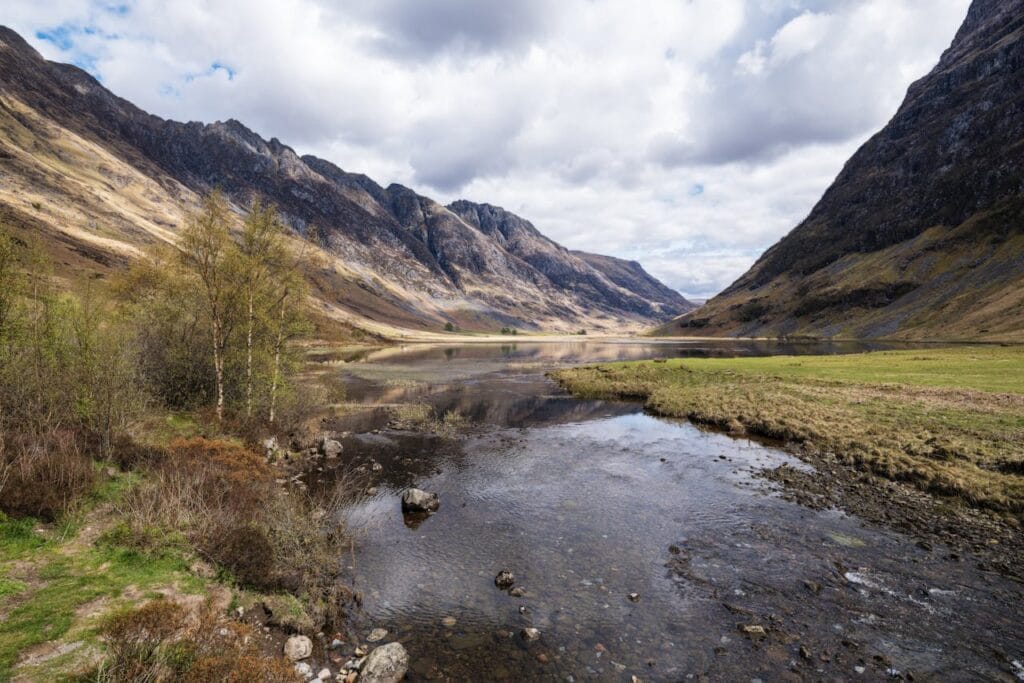
Five days alone in the valley outside Fort William. No mobile network. No obligations. Mornings with the June sun on my face and a Snickers bar. Afternoons by the river with a book. Evenings writing in my diary while the sky decided what it wanted to be.
I had willed this isolation for myself. I had planned it, paid for it, packed for it. That distinction will matter later.
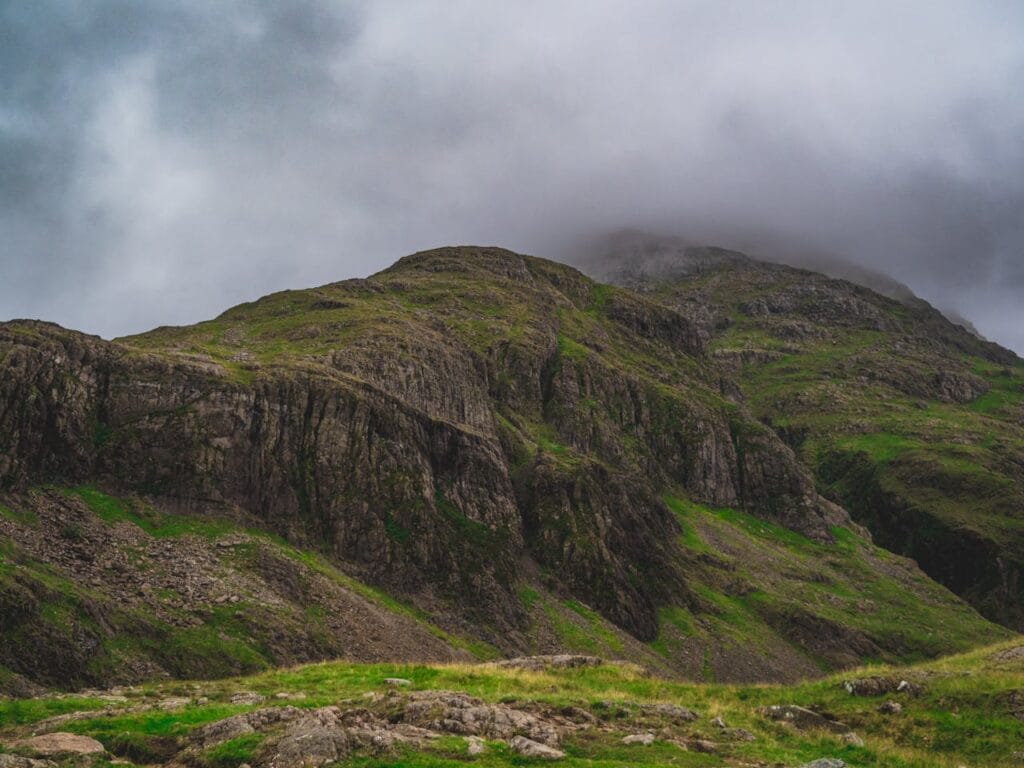
On day two the silence had done enough of its work that I felt ready to walk. No destination. Just the highland slopes and the kind of stillness that only arrives after you stop waiting for it. I walked four hours. Over forty thousand steps. I saw almost no one.
And then the posters started appearing.
Taped to fence posts, fixed to trail markers, pressed into the bark of highland trees that looked like they had never been asked for anything. A golden retriever. A name. A number. Louie. Missing. Please call.
I stopped at the first one. Then the second. Then I started counting without meaning to, because they kept appearing along a route where I had not passed another person in two hours. The posters were addressed to a population that was barely there.
I took my phone out on a single bar of signal and found the full story in three minutes. The missing dog in Scotland had his own news coverage. A GoFundMe. Over a thousand volunteers. Fort William residents arriving on weekends to walk these same slopes, calling his name into the same trees I was walking past in silence.
I put my phone away. Said a quiet prayer for him. Walked back to my tent.
Picture taken from Reddit (https://www.reddit.com/r/Scotland/)
What the river said
I sat by the water that evening and felt something I had not felt in two days.
Not loneliness. Something more specific than that. The valley was identical to how it had been all week. The air was the same temperature. Nothing had changed except that I now knew about Louie, a missing dog in Scotland, somewhere in those same hills, in that same dark.
I was not frightened. I had chosen to be there. But Louie had not chosen it.
The loneliness you choose is not the same as the loneliness that finds you. One of them has an exit.
When the brain has no noise to manage, no performance to maintain, no screen to reach for, something underneath becomes audible. I had been sitting in that quiet for forty-eight hours. His story arrived into a mind with nothing else in it. I felt more empathy that evening than I had in months. I think the two things are connected.
I felt, for the first time on the trip, a faint desire to be found. Not because I was in danger. Just because I now understood what it felt like to be out there without having asked for it.
So I built a fire. I was not cold. I built it anyway.
The light you make for no reason
It took three attempts. The wood was damp. But I got it going, small and steady, thirteen miles from the nearest town, and I sat down beside it and put on some slow Scottish songs and watched the firelight move in pieces across the river.
I was not expecting anyone.
Then from a short distance, someone said: Hi.
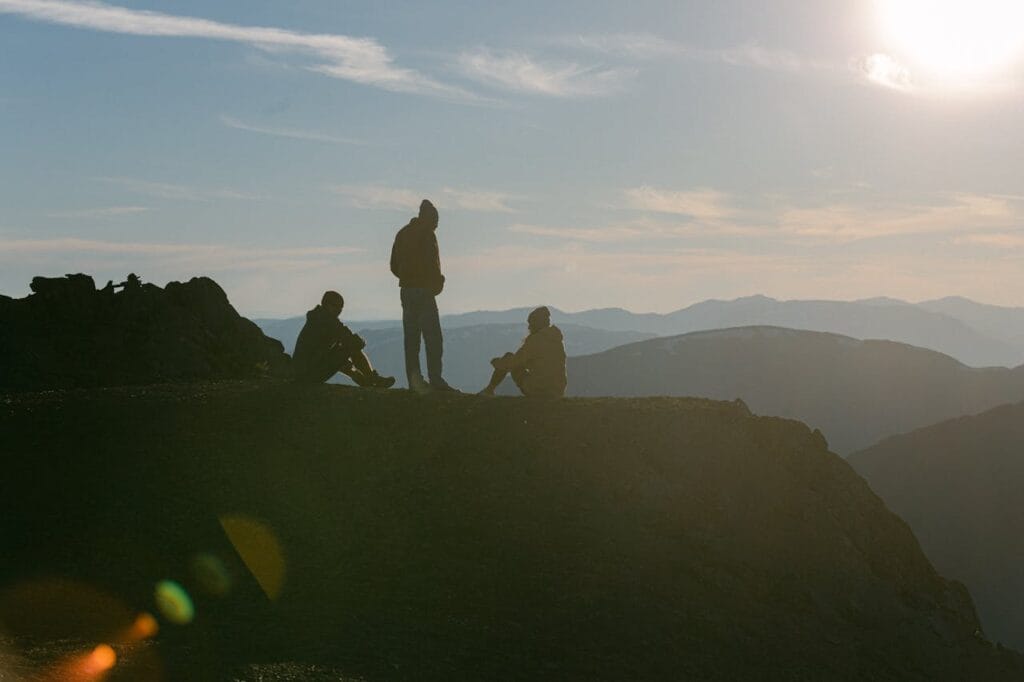
Three figures in the dark, waving. Their reflections broke apart on the water with the fire between us. I could not see their faces. I did not know if they were friendly or lost or something else. I was alone in a valley at night and three strangers had appeared at the edge of my light.
I should have felt hesitant. I felt discovered.
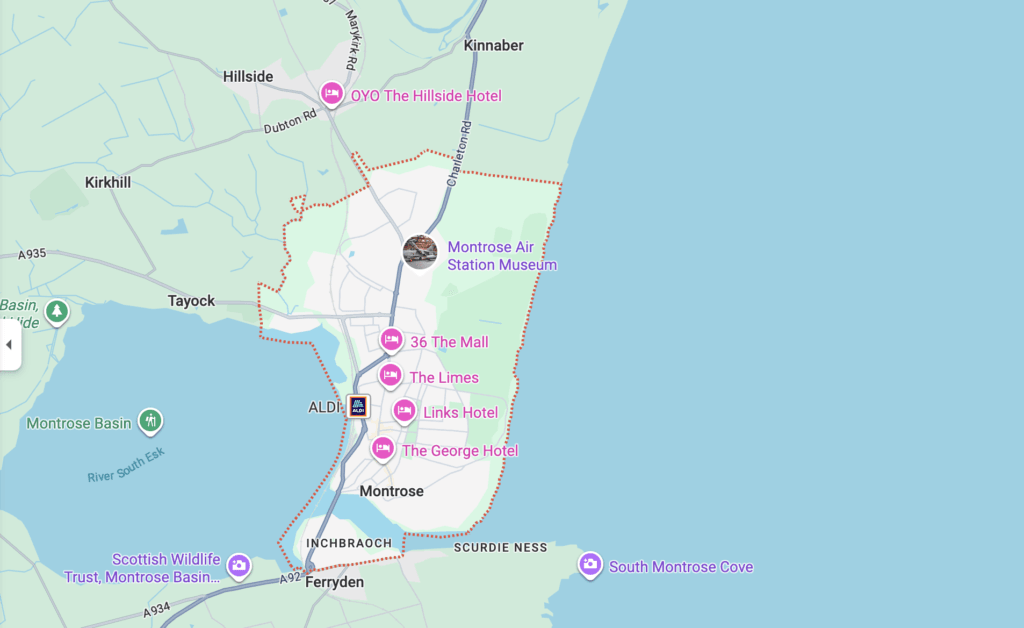
They sat down. Two men, one woman, from Montrose, a small seaside town on the east coast I had never heard of and immediately wanted to visit. They had been camping nearby and followed the music. They asked about India, about home.
I asked about Montrose, about what it feels like to grow up somewhere the world has never particularly noticed. They recommended better Scottish songs than the ones I had been playing, which was fair. We had a few drinks. They promised to meet me in Fort William the next day when I came down from the Ben.
They kept the promise.
What happened to the missing dog in Scotland
I found out on the way home, after the climb, on a proper signal.
Louie was found. The missing dog in Scotland that a thousand people had spent a month looking for came home. It had taken four weeks and more effort than I could picture from a poster on a tree.
I thought about those posters for a long time afterward. All those pieces of paper fixed to posts in a valley where almost nobody walks. The people who made them knew they were unlikely to be read. They put them up anyway. Not because it was logical. Because you do not calculate the odds when something is lost.
You just keep the light on.
Louie did not know, in those four weeks, that a thousand people were looking. He was alone regardless. And then one day he was not.
I had built a fire in an empty valley because I felt something I could not name. Three strangers followed the light to it.
I looked up Steall Falls when I got home. It is a forty-five minute walk from where I had been camping all week.
Voluntary solitude allows deep introspection and heightened empathy, as experienced during five days alone in Glen Nevis.
The story of Louie, a missing therapy dog, highlights the difference between chosen loneliness and loneliness imposed by circumstance.
Small acts, like putting up posters or building a fire, serve as beacons of hope and connection even in seemingly isolated places.
Human connection can emerge unexpectedly, as shown when strangers were drawn to the fire built without a clear purpose.
Persistence in searching or waiting, despite low odds, reflects a fundamental human response to loss and hope.
Glossary
Voluntary solitude
Choosing to be alone intentionally to experience deep mental quiet and self-reflection, as the author did in Glen Nevis.
Louie
A golden retriever therapy dog who went missing near Steall Falls, symbolizing involuntary loneliness and the community’s collective effort to find him.
Posters on trees
Physical notices placed in remote areas to seek help in finding Louie, representing hope and human persistence despite low chances of being seen.
Chosen vs. imposed loneliness
The contrast between solitude one elects to experience and the isolation that happens without consent, as reflected in the author’s empathy for Louie.
Beacon of light
A metaphor for small actions, like building a fire, that attract connection and signal presence in an otherwise empty or dark environment.
Glen Nevis
A valley in Scotland where the author spent five days alone, setting the scene for reflection and the encounter with the story of Louie.
FAQ
Why did the author choose to spend five days alone in Glen Nevis?
The author deliberately sought deep boredom and solitude to exhaust usual mental distractions and open space for new thoughts and feelings.
What significance did Louie's story have for the author during the trip?
Louie's story introduced the author to the experience of involuntary loneliness and sparked empathy, contrasting with the author's chosen solitude.
What role did the posters play in the narrative?
The posters symbolized hope and persistence in the face of loss, placed in remote areas despite low chances of being seen, reflecting human determination.
How did the encounter with the three strangers affect the author's experience?
The strangers' arrival at the fire brought unexpected human connection, transforming the author's solitude into a shared moment of discovery and warmth.
What lesson does the author draw from Louie's eventual return?
The author reflects that even when lost and alone, the continuous effort to keep a 'light on'—symbolized by the search and the fire—can lead to reunion and hope.
Editorial Note
This piece is part of The Present Minds, essays on psychology, identity, and modern life.

Leave a Reply