Some links on this page may be affiliate links. If you purchase through them, we may earn a commission at no extra cost to you.
Written by
The Present Minds
Administrator
A digital sanctuary for the overstimulated.
Clarity. Depth. Silence.
KEY TAKEAWAYS
Ramadan fasting alters urban life rhythms significantly.
Shared hunger fosters empathy among city dwellers.
Evening commerce surges post-sunset during Ramadan.
Discipline in fasting influences other daily behaviors.
Cities reveal strengths and weaknesses through fasting.
GLOSSARY
Ramadan fasting
A month-long practice that alters daily routines and social interactions, impacting everything from work schedules to public spaces.
Shared hunger
The collective experience of hunger during Ramadan that fosters empathy and connection among individuals in urban settings.
Evening commerce
The surge in economic activity after sunset during Ramadan, as families gather and restaurants fill up to break their fast.
Discipline
The self-control practiced during Ramadan that influences other areas of life, encouraging individuals to prioritize structure over convenience.
Urban rhythms
The patterns of daily life in a city that shift significantly during Ramadan, affecting everything from work hours to social interactions.
FAQ
How does Ramadan fasting affect city life?
Ramadan fasting changes work schedules, traffic patterns, and social interactions. Many people adjust their routines, with meetings moved earlier and lunch habits altered out of courtesy.
What happens to restaurants during Ramadan?
Restaurants see a drop in daytime revenue as lunchtime crowds diminish. However, evening commerce increases significantly as families gather to break their fast.
How does fasting impact social interactions?
Fasting creates a collective experience of hunger, enhancing empathy among individuals. Shared discomfort leads to more careful communication and a sense of community.
What are the economic effects of Ramadan fasting?
Businesses adapt to changes in consumer behavior, with bakeries working overnight and ride services experiencing later peaks. The economic dip during the day is offset by increased evening activity.
How does Ramadan fasting influence personal discipline?
Fasting encourages individuals to reorganize their schedules around discipline rather than convenience, fostering a sense of control and awareness in daily life.
EDITORIAL NOTE
This piece is part of The Present Minds — essays on psychology, identity, and modern life.
Posted by The Present Minds • February 18, 2026 • Psychology
What happens to a city during Ramadan fasting
Ramadan fasting changes the way a city breathes.
On a normal weekday afternoon, a food court in Manchester or Mumbai is loud and practical. Trays clatter. Coffee machines hiss. People move quickly, squeezing in lunch before the next meeting. A delivery rider checks multiple apps, calculating the fastest route through traffic. Hunger is rarely allowed to linger. It is solved within minutes.
Then the month begins.
By the third day of Ramadan fasting, the same food court looks different. Tables are emptier at noon. Office kitchens are quiet. Colleagues who usually gather over sandwiches sit at their desks instead. The city still functions. Buses run. Emails arrive. Deadlines remain. But one layer of daily life has been removed.
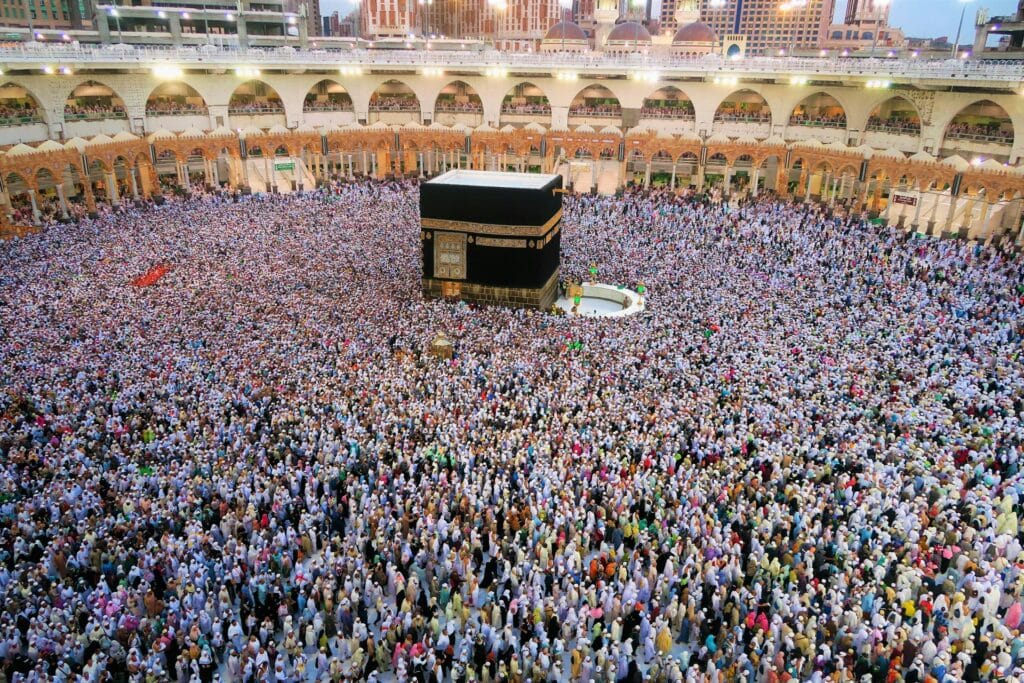
Ramadan fasting has been observed for more than 1,400 years. It began in the seventh century and follows the lunar calendar, which means it moves through the seasons. Over a lifetime, a Muslim may fast during long summer days in northern Europe and during short winter days in South Asia. Today, an estimated 1.8 billion people take part worldwide.
No other voluntary act is practised at this scale, at the same time, by so many people.
When millions within one city choose not to eat or drink from sunrise to sunset, the impact spreads beyond the body. It reaches into work schedules, traffic patterns, shopping habits and the tone of public spaces.
When routine is quietly rearranged
The first visible shift is timing.
People wake before dawn to eat. Sleep becomes lighter and sometimes shorter. Energy rises in the morning, dips in the afternoon, and returns after sunset. When this pattern is shared by a large part of the population, the rhythm of the city adjusts around it.
Meetings are scheduled earlier. Intensive tasks are placed in the morning. Late afternoon becomes slower. Even colleagues who are not observing Ramadan fasting often change their lunch habits out of courtesy. Invitations decline. Coffee breaks become less social.
Food anchors urban life more than most people realise. Deals are discussed over lunch. Friendships are maintained over dinner. Remove daytime eating, and a layer of informal interaction fades for several hours each day.
There are economic effects too. Restaurants that depend on lunchtime crowds see daytime revenue drop. Supermarkets prepare for heavier evening purchases. Ride services record later peaks. In some cities, bakeries begin working through the night to meet demand before dawn and after sunset.
A manager at a small firm in Birmingham described how his team adjusted last year. During Ramadan fasting, brainstorming sessions were moved to the morning. Administrative tasks were saved for later in the day. No policy was written. The change happened through shared understanding.
The city learns to move around hunger.
But flexibility is uneven. Office workers may adjust their calendars. A nurse on a hospital shift or a labourer on a construction site cannot change the timing of physical effort so easily. Ramadan fasting exposes the different kinds of strain built into urban life. It does not smooth them over.
Hunger becomes shared language
Hunger is usually private. It is a sensation noticed and solved alone. During Ramadan fasting, it becomes collective.
By late afternoon, many people in the same building or neighbourhood are experiencing similar signals. Dry mouth. Slower energy. Heightened awareness of time. There is a quiet recognition in shared spaces, on buses, in lifts, in classrooms.
When discomfort is synchronised, empathy often grows.
Modern cities are built around instant access. Food delivery within minutes. Coffee on every corner. Twenty four hour stores. Ramadan fasting interrupts that cycle and inserts a daily pause. It asks people to wait.
Discipline in one area tends to spill into others.
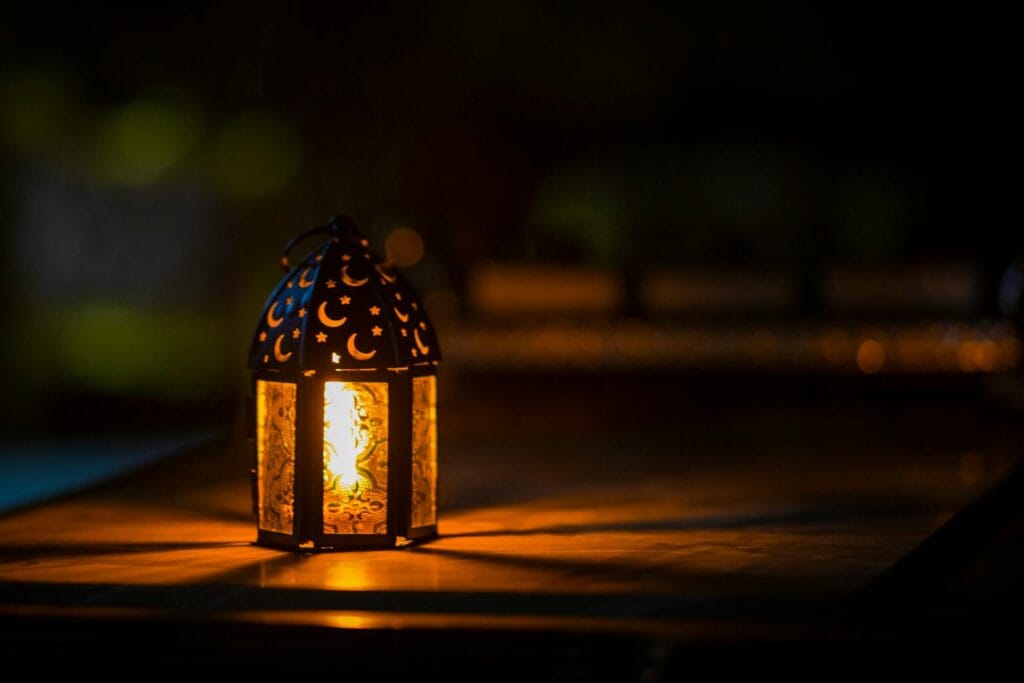
In parts of Egypt, lanterns called fanous are hung during the month, a tradition that dates back centuries. In some cities in the Middle East, a cannon still marks sunset, a practice that began before accurate clocks were common. In London, certain boroughs now switch on public lights for Ramadan. These details show how a personal act shapes public space over time.
Yet the emotional tone is not simple.
Late afternoon traffic can become tense as people head home before sunset. Fatigue can lead to shorter tempers. Productivity may dip in some sectors. The city becomes more sensitive rather than uniformly calm.
If millions can coordinate restraint for one month each year, what prevents similar coordination in other areas of public life?
The question remains unanswered.
Ramadan fasting also moves through seasons because of the lunar calendar. In northern Europe, fasts can stretch close to eighteen hours in summer. In winter, they may last little more than ten. The body adapts, but the contrast is stark. A single practice connects Jakarta, Johannesburg, Birmingham and Delhi, yet the daylight hours differ dramatically.
This shared effort, despite different climates and cultures, creates a quiet sense of scale.
When night becomes the centre
At sunset, the shift is immediate.
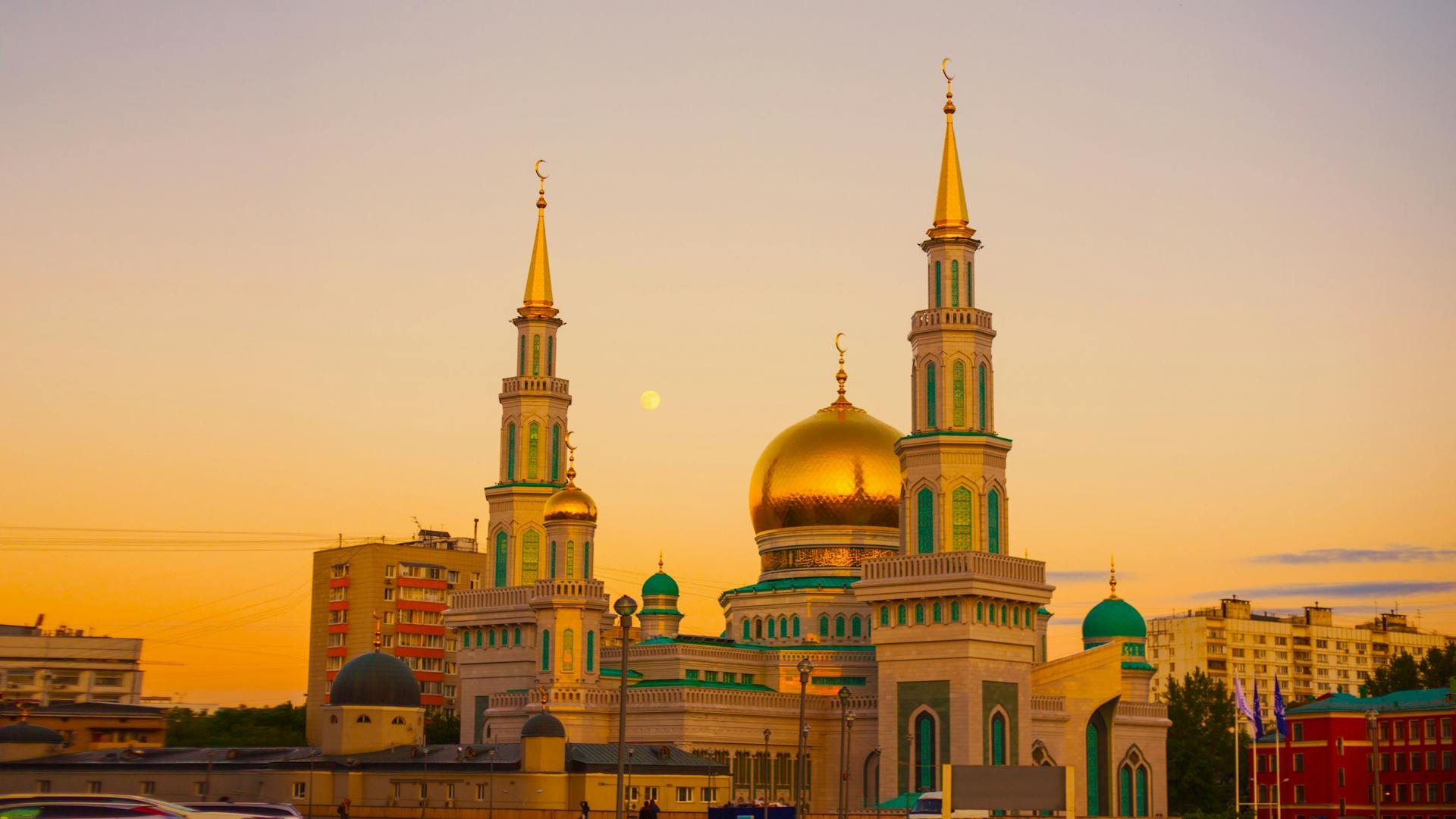
Streets that felt subdued an hour earlier begin to fill. Restaurants prepare for full capacity. Families gather in homes and community halls. Markets stay open later. The city feels awake again, but in a different register.
The first sip of water after a long day carries weight. The first bite of food feels deliberate rather than automatic. Anticipation reshapes pleasure. Multiply that moment across thousands of households breaking their fast at roughly the same time, and the effect becomes visible in public spaces.
Pleasure feels different when it is delayed.
Evening commerce increases. Bakeries produce larger batches. Delivery drivers work longer hours after dark. Public transport sees later peaks. The economic dip of the afternoon is partially offset by the energy of the night.
There is also generosity. Community organisations arrange free evening meals. Neighbours who rarely speak during the year exchange invitations. Colleagues gather outside office hours. In cities where many people eat alone most nights, the month reintroduces shared tables.
But the pressures remain. Early mornings followed by late nights reduce sleep. Workers in physically demanding roles carry additional strain. Businesses that cannot adapt to evening demand may struggle. Ramadan fasting does not transform a city into a perfect version of itself. It reveals its existing strengths and weaknesses more clearly.
When the month ends, lunchtime crowds return. Cafés regain their midday noise. Delivery riders resume their usual pace. The visible changes fade quickly.
Yet something lingers.
For thirty days, millions practised waiting. They experienced hunger not as a crisis, but as a deliberate choice. They reorganised their schedules around discipline rather than convenience. They learned that a city can slow without collapsing, that routine can be rearranged without falling apart.
A city that can hold back together, even briefly, learns something about its own capacity.
What it chooses to do with that knowledge is another matter.
Some links on this page may be affiliate links. If you purchase through them, we may earn a commission at no extra cost to you.
Written by
The Present Minds
Administrator
A digital sanctuary for the overstimulated.
Clarity. Depth. Silence.
KEY TAKEAWAYS
Ramadan fasting alters urban life rhythms significantly.
Shared hunger fosters empathy among city dwellers.
Evening commerce surges post-sunset during Ramadan.
Discipline in fasting influences other daily behaviors.
Cities reveal strengths and weaknesses through fasting.
GLOSSARY
Ramadan fasting
A month-long practice that alters daily routines and social interactions, impacting everything from work schedules to public spaces.
Shared hunger
The collective experience of hunger during Ramadan that fosters empathy and connection among individuals in urban settings.
Evening commerce
The surge in economic activity after sunset during Ramadan, as families gather and restaurants fill up to break their fast.
Discipline
The self-control practiced during Ramadan that influences other areas of life, encouraging individuals to prioritize structure over convenience.
Urban rhythms
The patterns of daily life in a city that shift significantly during Ramadan, affecting everything from work hours to social interactions.
FAQ
How does Ramadan fasting affect city life?
Ramadan fasting changes work schedules, traffic patterns, and social interactions. Many people adjust their routines, with meetings moved earlier and lunch habits altered out of courtesy.
What happens to restaurants during Ramadan?
Restaurants see a drop in daytime revenue as lunchtime crowds diminish. However, evening commerce increases significantly as families gather to break their fast.
How does fasting impact social interactions?
Fasting creates a collective experience of hunger, enhancing empathy among individuals. Shared discomfort leads to more careful communication and a sense of community.
What are the economic effects of Ramadan fasting?
Businesses adapt to changes in consumer behavior, with bakeries working overnight and ride services experiencing later peaks. The economic dip during the day is offset by increased evening activity.
How does Ramadan fasting influence personal discipline?
Fasting encourages individuals to reorganize their schedules around discipline rather than convenience, fostering a sense of control and awareness in daily life.
EDITORIAL NOTE
This piece is part of The Present Minds — essays on psychology, identity, and modern life.

Leave a Reply