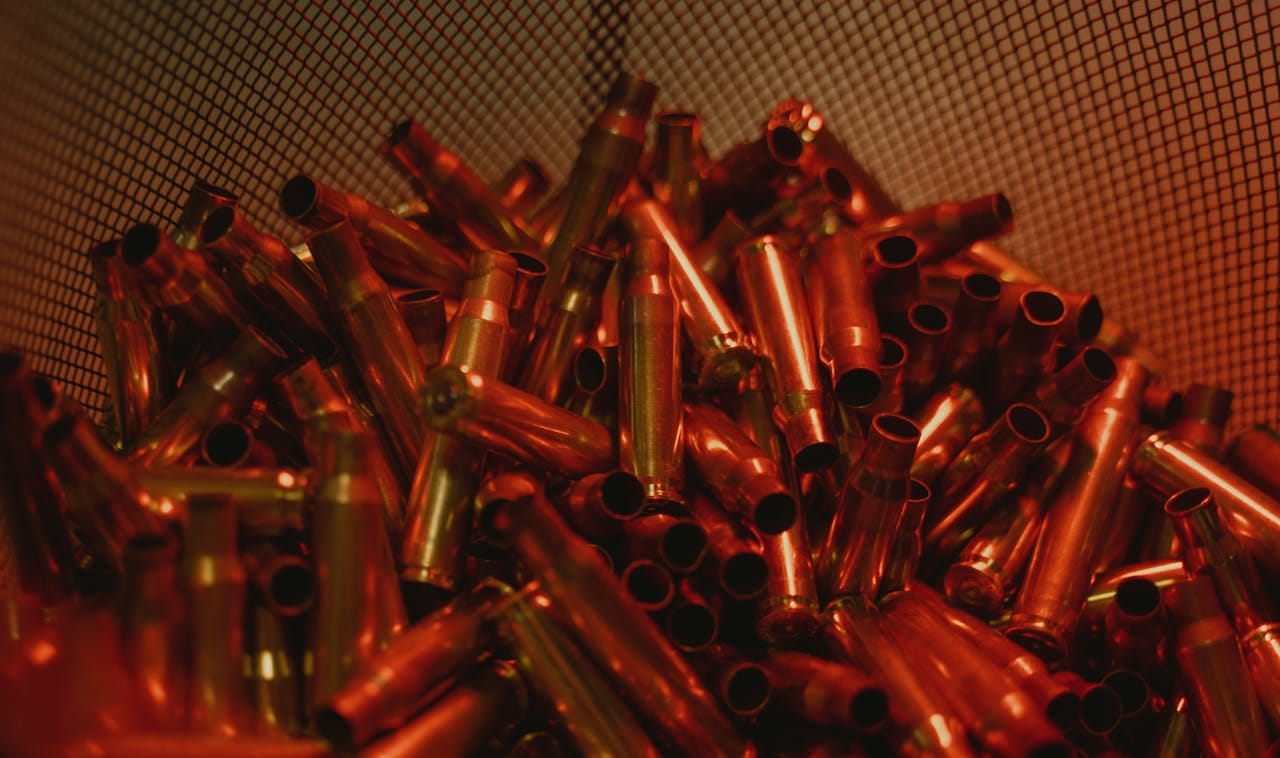
The Sniper by Liam O’Flaherty is not a long story.
You can read it in eight minutes. Maybe ten if you pause at the ending, which you will.
Most people do.
You were probably fourteen or fifteen when you first met it. A classroom. A textbook. A teacher asking about themes and literary devices. You wrote down irony. You wrote down civil war. You wrote down the futility of conflict.
You got the marks.
But something else happened that the marks did not record. The last line landed in you. And it is still there.
A Rooftop in Dublin
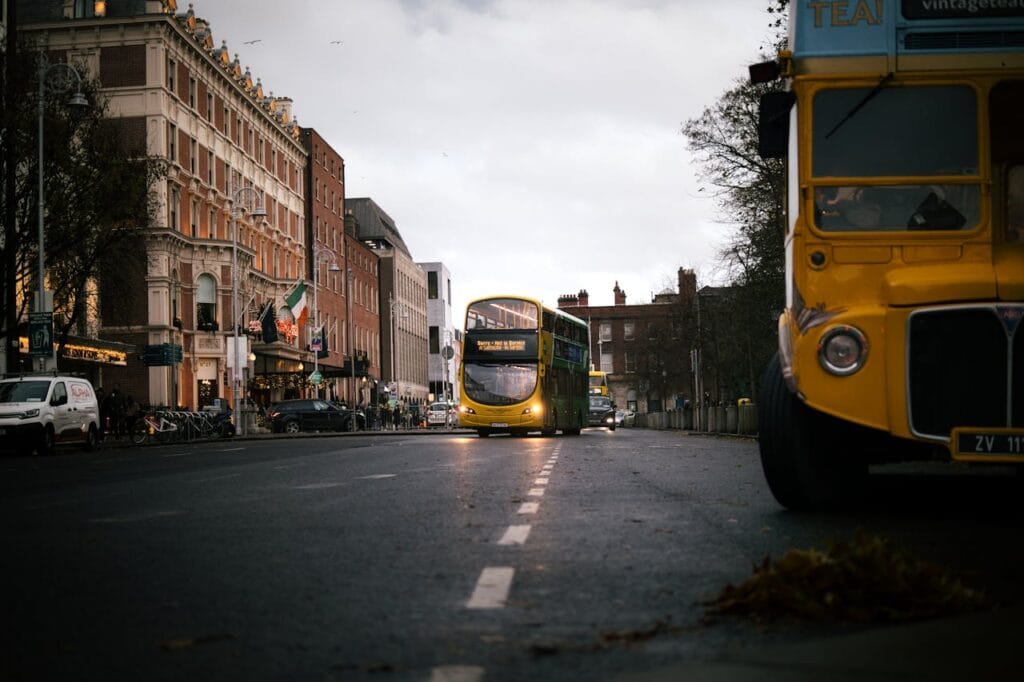
The year is 1922. The Irish Civil War has just begun.
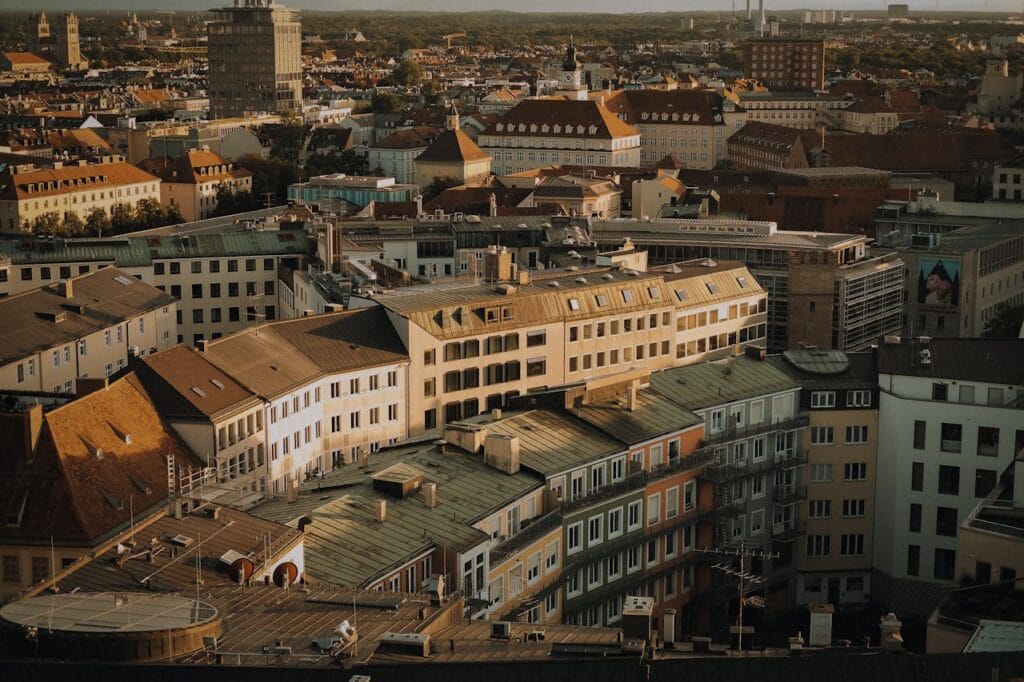
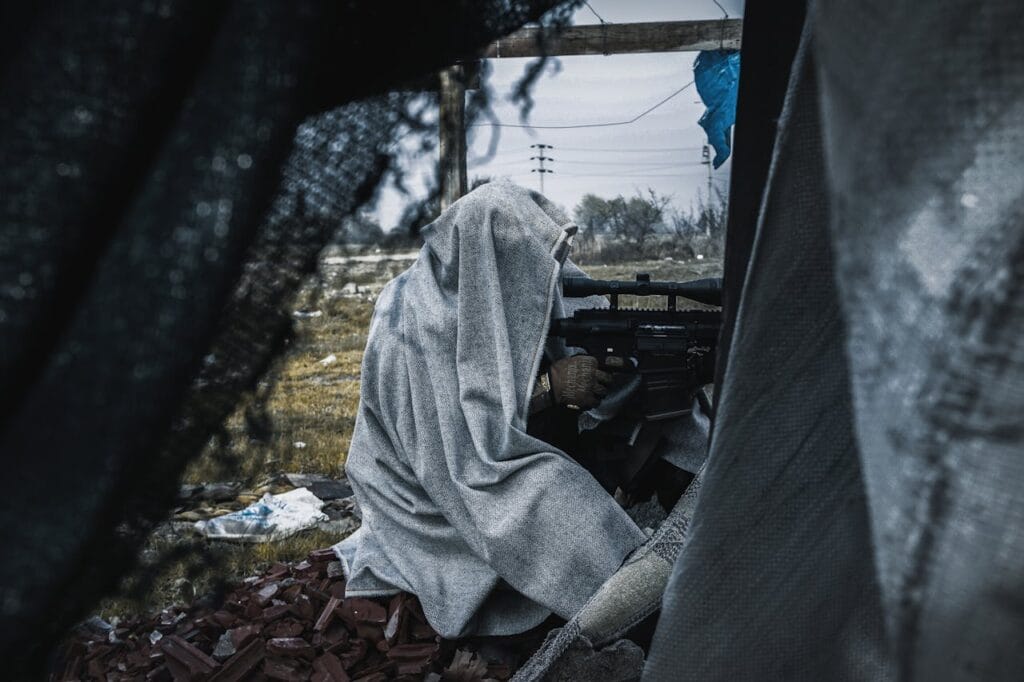
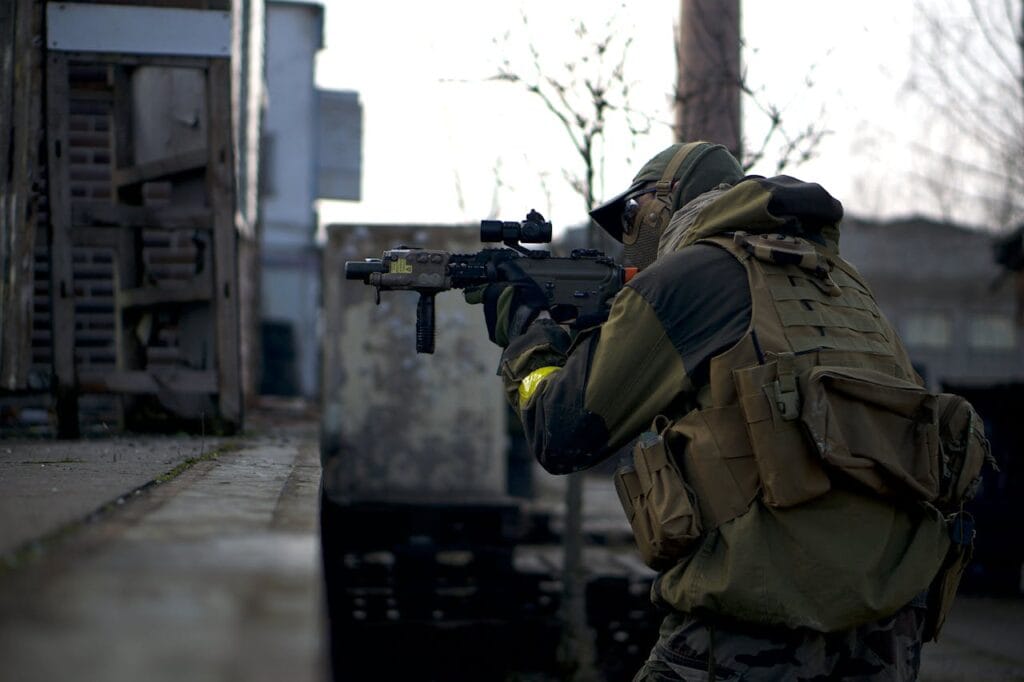
A young Republican sniper is lying on a rooftop near O’Connell Bridge in Dublin. The city below him is dark and dangerous. Somewhere across the street, on another rooftop, there is an enemy. A Free State sniper. He does not know his name. He does not need to.
He eats a sandwich. He drinks whiskey from a flask. He watches.
This is war reduced to its simplest geometry. Two men on opposite sides of a street. One will live. One will not.
O’Flaherty describes the sniper’s eyes as having the cold gleam of the fanatic. He is young. He is skilled. He believes in what he is doing. He does not yet know what believing in something can cost.
The Three Kills
That night, the sniper kills three people.
The first is a soldier who emerges from an armored car below. A clean shot. Mechanical. The soldier is gone before the city has time to register the sound.
The second is harder. An old woman. She has pointed out his position to the enemy. She is an informer. He kills her too. O’Flaherty gives this moment almost no space. One shot. She falls. The armored car reverses into the night.
This is deliberate. The story does not want you to dwell. It is moving toward something.
The third kill takes the whole story.
The enemy sniper wounds him first. A bullet through the right forearm. The pain is sharp and specific. He drops his rifle. He works in silence, tying his arm with one hand and his teeth. He does not stop. He does not think about dying.
He thinks about winning.
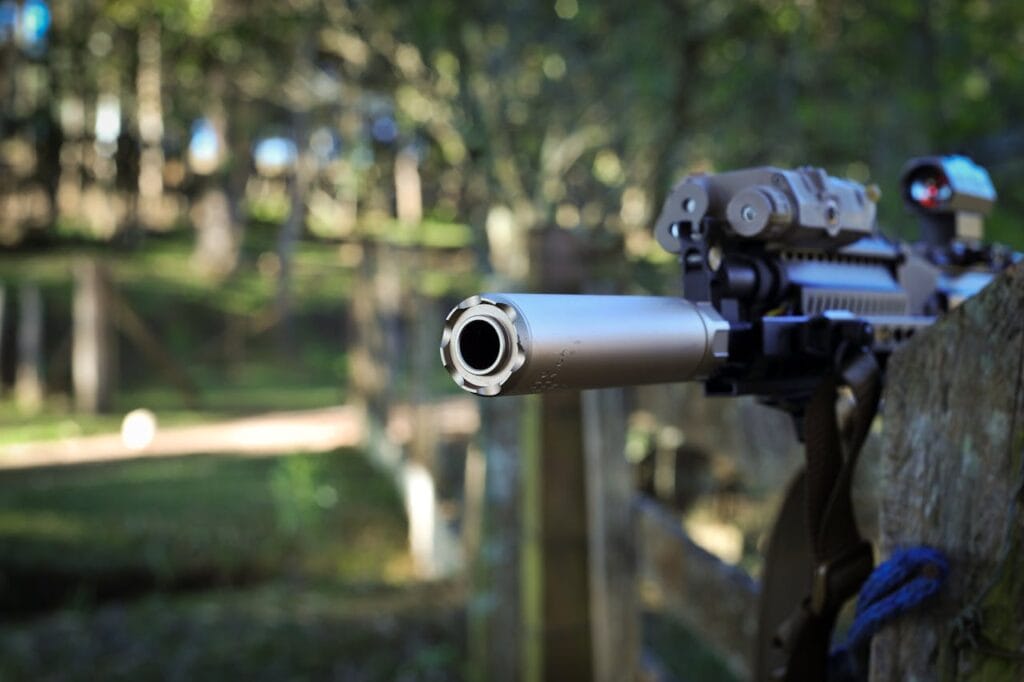
He takes off his cap. He places it on the muzzle of his rifle. He lifts the rifle slowly above the parapet. The enemy sniper sees the cap. Takes the shot. The cap falls convincingly. The rifle drops convincingly.
The enemy sniper relaxes. He stands.
One shot from a revolver, fired with a wounded arm, across a rooftop in the dark.
The enemy sniper falls.
What Happens After the Killing
Here is the part the textbook questions rarely ask about.
The sniper wins. The threat is gone. He should feel relief. He should go home.
Instead, O’Flaherty writes something strange and true.
The lust of battle died in him.
Just like that. The thing that had been driving him for hours, the focus and the cold competence and the fanatic clarity, it leaves. What takes its place is worse.
He becomes bitten by remorse.
He curses the war. He curses himself. He curses everybody. He throws his revolver onto the rooftop and it goes off as it hits the ground, the bullet nearly taking his own hand. He drains what is left in his flask.
He had won. He felt nothing like a winner.
This moment is the story’s real centre. Not the twist. This. The way violence evacuates a person once it is over. The way the soldier disappears and the human being comes back into the body. The way the human being does not like what the soldier has done.
Curiosity
He prepares to leave. To report to his commander. To go back into the machinery of the war.
But something stops him.
He wants to see who he has killed. This enemy who was a good shot, whoever he was. This man on the opposite roof who had nearly taken him. He needs to see the face.
This is not a tactical decision. It is something older and stranger than tactics. Something that is entirely human and almost impossible to explain.
He crosses the street under machine gun fire. He throws himself down beside the body. He reaches out and turns it over.
He looks into his brother’s face.
The Last Line
O’Flaherty does not add anything after this.
He does not tell you what the sniper feels. He does not describe the reaction, the sound, the collapse of something in the chest that has no medical name. He trusts you to know. He trusts you because he knows that you know.
He ends the story.
The last line is the ending. The silence after it is also part of the story.
Civil war is the only kind of war where this sentence is possible. That is why he wrote it. That is why it never leaves.
What O’Flaherty Knew
Here is something the textbook might not have told you.
When Liam O’Flaherty wrote this story, the war was still happening.
He published it on January 12, 1923, in a small London socialist newspaper called The New Leader. The Irish Civil War did not end until May 1923. He was writing about a war that had not finished. About a wound that had not yet closed.
He had fought in that war. On the Republican side. The same side as his sniper.
He was not writing from a distance. He was not making it up. He was reaching into something he had actually been inside and pulling out the specific horror that civil war carries that other wars do not. The horror of facing someone on the other side who grew up in the same house. Who ate at the same table. Who learned to love and argue and be afraid in the same rooms as you.
It was, in the words of the time, the Cogadh na gCarad. The War of the Friends.
He was thirty-two years old. It was the first piece of fiction he ever published.
He got it right on the first try.

Why It Still Works
You are not fourteen anymore. The classroom is years ago. The teacher who asked about literary devices has their own life somewhere that has nothing to do with you.
But the sniper is still on the rooftop. The cap is still on the rifle. The enemy is still standing up in the moment of believing he is safe.
Great writing does not age because it is not really about the thing it is about. The Sniper is not about the Irish Civil War. It is about the moment a person discovers that the enemy they have been trained to see as something less than human turns out to be someone they love.
It is about what ideology does to the people it gets inside.
It is about the cost of winning something at the price of losing something else entirely.
And it is about curiosity. The strange, ungovernable human need to see the face. To know. Even when knowing is the worst possible thing.
The sniper crossed the street because he had to.
You read the last line because you had to.
Neither of you will forget what you found.
Read next: The Postmaster by Tagore: The Story That Never Quite Leaves You
 Psychology · Oct 17, 2026A Monkey Bite Killed the King of Greece
 Psychology · Oct 15, 202615 Surprising Facts That Sound Completely Made Up
 The Margin · Oct 13, 202615 Geography Facts That Sound Completely Made Up