Do animals get bored? It sounds like one of those questions that should have an obvious answer.
Anyone who has lived with a dog has seen the stare. The one that begins after the walk is over, the food has been eaten, nobody wants to throw the ball again, and apparently the entire household has failed to provide adequate entertainment.
Cats have their own version. They knock something off a table, watch it hit the floor, then look at you as if the experiment has produced disappointing results.
At a zoo, the question can feel less funny. An animal walks the same route again and again. Another sits awake for hours with seemingly nothing to do.
We look at them and think: that animal must be bored.
Scientists have been much more careful.
Because there is one fairly important problem.
The animal cannot tell us.
Do Animals Get Bored? Scientists Had to Find Another Way to Ask
With a person, boredom is easy enough to study.
You can put someone in a dull room and ask how they feel.
You cannot sit a mink down afterwards and hand it a questionnaire.
So researchers had to work backwards.
If boredom is caused by having too little stimulation, then a bored animal should become unusually interested when anything new finally happens.
Not only something pleasant.
Anything.
Researchers tested this idea with mink kept in different environments. Some lived in fairly bare cages. Others had larger, more interesting spaces with things they could interact with, including water and objects.
Then the researchers introduced new things.
Some were attractive.
Some were neutral.
Some were things the mink might actually dislike.
The animals from the duller cages approached the new things faster and spent more time investigating them.
They seemed desperate for something to happen.
Even something that was not particularly nice.
That looks surprisingly familiar.
There is a point in boredom where even a mildly annoying interruption is better than another hour of nothing.
Boredom Does Not Always Look Like Restlessness
This is where our instincts can get us into trouble.
We imagine boredom as pacing, fidgeting and trying to escape.
Sometimes it may look like that.
But researchers studying animal boredom have found that it can also look like the exact opposite.
An animal may spend long periods lying awake and doing very little, then suddenly become intensely interested when something changes. In the mink study, lying still while awake was one behaviour linked with stronger interest in new stimulation. Later work found similar boredom-like patterns.
That makes boredom difficult to identify just by looking.
A quiet animal is not necessarily content.
A pacing animal is not automatically bored either.
The behaviour has to be understood alongside the animal, its environment and what else is happening.
Scientists generally use the safer phrase boredom-like state because we still cannot know whether a mink experiences boredom exactly the way a person does. A major review of animal boredom argues that many animals probably have the basic brain systems needed for it, but proving the private feeling itself is much harder.
So the careful answer to do animals get bored is not simply yes.
It is that some animals behave in ways that make much more sense if something like boredom exists.
The Bigger Question Might Be Whether Animals Need Fun
This gets more interesting when we stop asking only about bad environments.
A recent experiment with galah cockatoos asked something almost wonderfully simple:
Do birds actually enjoy flying?
Seventeen galahs living at a bird park were sometimes given the choice to join a free-flight session.
They were not forced.
They were not given a special reward for participating.
Almost every time they had the option, they chose to fly.
The researchers then tried to work out whether flying changed the birds’ mood.
After several days when the cockatoos had been allowed to fly, they were more likely to behave in ways the researchers interpreted as optimistic. When opportunities to fly were withheld for longer periods, the pattern shifted in the other direction.
That does not mean the cockatoos were flying around thinking, this is fun.
But it does suggest something important.
An animal may want to perform a behaviour simply because performing that behaviour feels good.
Flying may not only be transport.
Play may not only be practice.
Exploration may not only be about finding food.
Sometimes animals may do things because having something interesting to do is itself rewarding.
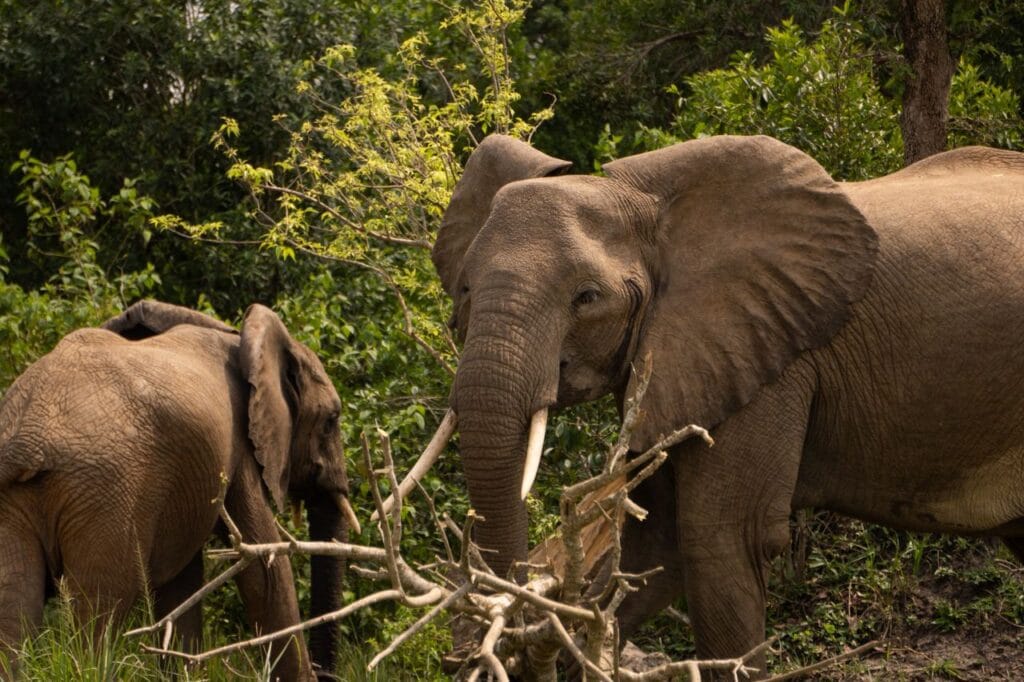
A Raccoon Made Herself a Toy
Then there is the raccoon.
Earlier this year, researchers described a young pygmy raccoon on Cozumel Island that found paper in a rubbish bin, dunked it repeatedly into water, worked it against the sand and eventually turned it into something like a ball.
Then she played with it.
Her sister began doing it too.
Researchers later saw related behaviour among members of the family, raising the possibility that the way of making and using the object had spread socially.
Nobody taught a critically endangered raccoon that soggy paper could become entertainment.
There was no food inside it.
No obvious survival problem was being solved.
She apparently found a thing to do.
That is difficult not to recognise.
Humans have spent an astonishing amount of our history turning useless things into games.
A ball is basically an object whose main purpose is that we decided throwing it around is enjoyable.
Apparently, we are not alone in the general idea.
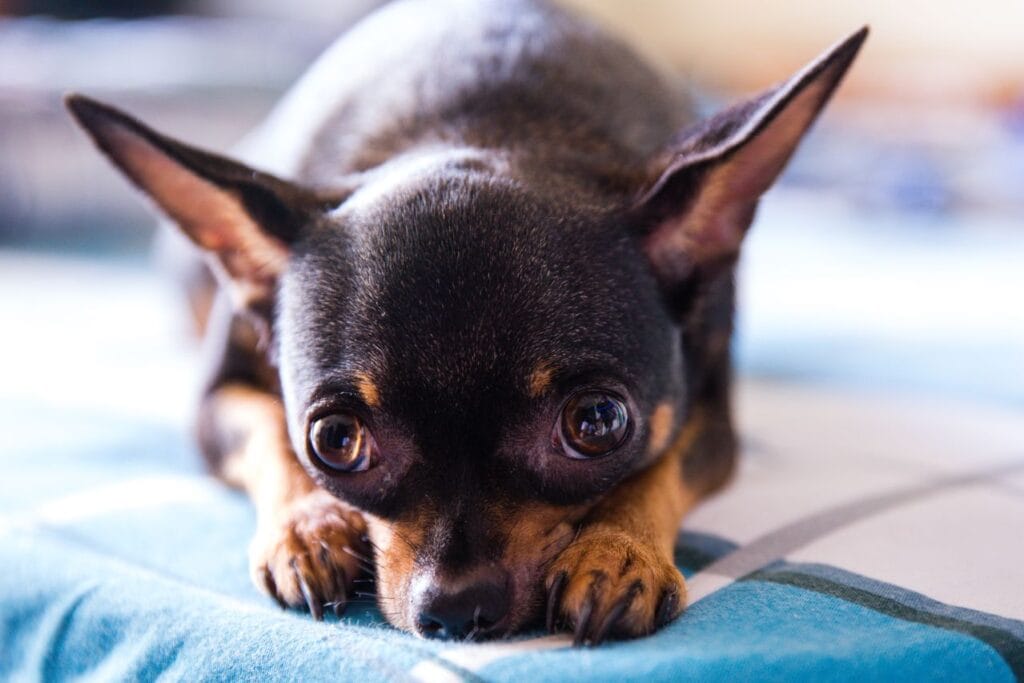
Zoos Already Take This Seriously
Modern zoos use something called environmental enrichment.
The phrase sounds technical. The idea is not.
Give the animal more things to do.
Hide food so it has to search.
Introduce new smells.
Change objects in the enclosure.
Provide puzzles.
Give animals choices about where to go or what to interact with.
Sometimes even use screens, buttons or other technology.
This is not simply entertainment for visitors.
Reviews of zoo research have found that enrichment can increase activity and natural behaviours while reducing some repetitive behaviours. A 2025 review of zoo cats, for example, found that enrichment was generally linked with more activity and foraging and fewer repetitive behaviours.
Researchers are now even arguing that enrichment may work partly because animals want information.
A changing environment gives them something to investigate.
Something to understand.
Something that was not there yesterday.
Which is a surprisingly elegant way of thinking about boredom.
Maybe boredom is not simply having nothing to do.
Maybe it is having nothing new to find out.
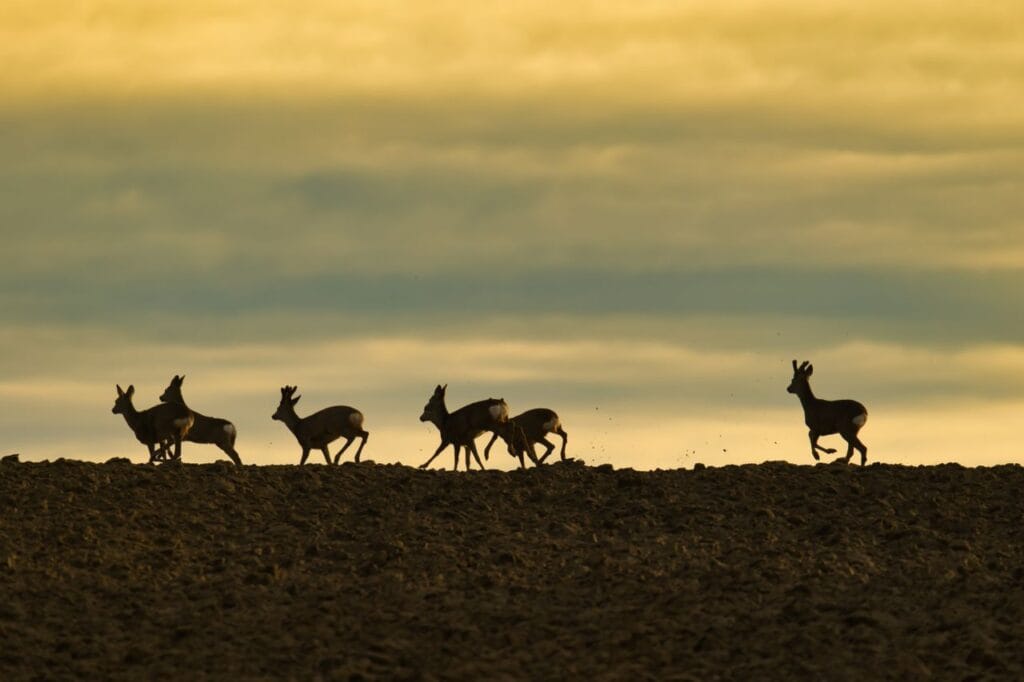
Pets Have the Same Problem in Smaller Rooms
This is probably where the question becomes uncomfortable for anyone with a pet.
We tend to measure a good pet life by fairly basic standards.
Food.
Water.
Warmth.
Safety.
Medical care.
Affection.
Those things obviously matter.
But imagine describing a good human life using only those categories.
You were fed.
Nobody attacked you.
The room was comfortable.
Congratulations.
For animals with active brains and natural behaviours, comfort may not be enough.
Dogs sniff.
Cats hunt.
Parrots tear things apart, solve problems and explore.
Different animals need different things, but modern veterinary guidance increasingly treats mental stimulation as part of ordinary animal care rather than an optional extra.
That does not mean your dog needs an entertainment schedule.
It means that an animal can have every physical need met and still live in a world that is painfully repetitive.
Same room.
Same bowl.
Same walk.
Same window.
Same twelve hours waiting for someone to come home.
When you put it like that, asking do animals get bored stops sounding like a silly question.

Wild Animals Probably Get Bored Too
There is another mistake hiding here.
Boredom is often discussed as though it is purely a captivity problem.
But boredom may have a useful purpose.
For a wild animal, becoming dissatisfied with doing nothing could push it to explore.
Exploration can reveal food.
Shelter.
Mates.
New territory.
Or danger worth knowing about.
One major review of animal boredom suggests the feeling may have evolved partly because it pushes animals away from situations that are too predictable and toward new information.
That would make boredom less like a flaw and more like a small internal alarm.
Nothing is happening. Go look.
For animals in the wild, that urge can lead somewhere.
For an animal in a cage or a house, sometimes there is nowhere new to go.
That may be when boredom becomes a problem rather than a useful push.
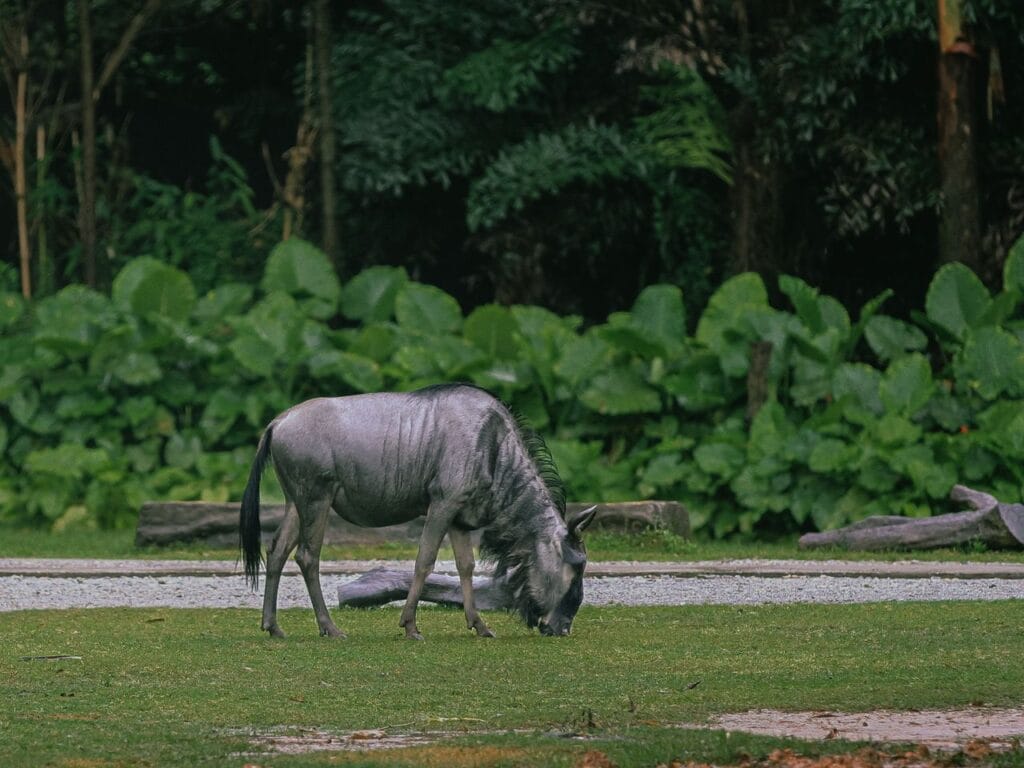
We May Have Underestimated How Much Animals Want Their Lives to Happen
I started with what seemed like a very small question.
Do animals get bored?
The answer is still not completely settled because there is no perfect way to climb inside another animal’s experience.
But the evidence keeps pointing toward something broader.
Animals seek novelty.
Some play.
Some make toys.
Some choose activities that appear to improve their mood.
Animals living in dull environments can become unusually hungry for stimulation, while giving captive animals more choice and complexity often changes their behaviour for the better.
Maybe we have spent too long thinking about animal welfare in terms of preventing bad things.
No hunger.
No pain.
No fear.
No disease.
Those are essential.
But a life can contain none of those things and still be extremely empty.
The more interesting question may not be whether animals can suffer from having nothing to do.
It may be whether, like us, they also need something to look forward to.
Read Next: The Bulldog Breeder Changing How We Think About French Dogs
What I Learnt from a Support Dog in Scotland
What Living in London Actually Feels Like. Nobody Warned Me.

 Psychology · Oct 17, 2026A Monkey Bite Killed the King of Greece
 Psychology · Oct 15, 202615 Surprising Facts That Sound Completely Made Up
 The Margin · Oct 13, 202615 Geography Facts That Sound Completely Made Up