The Bhagavad Gita Described Your Work Problem 3,000 Years Before Psychology Did.
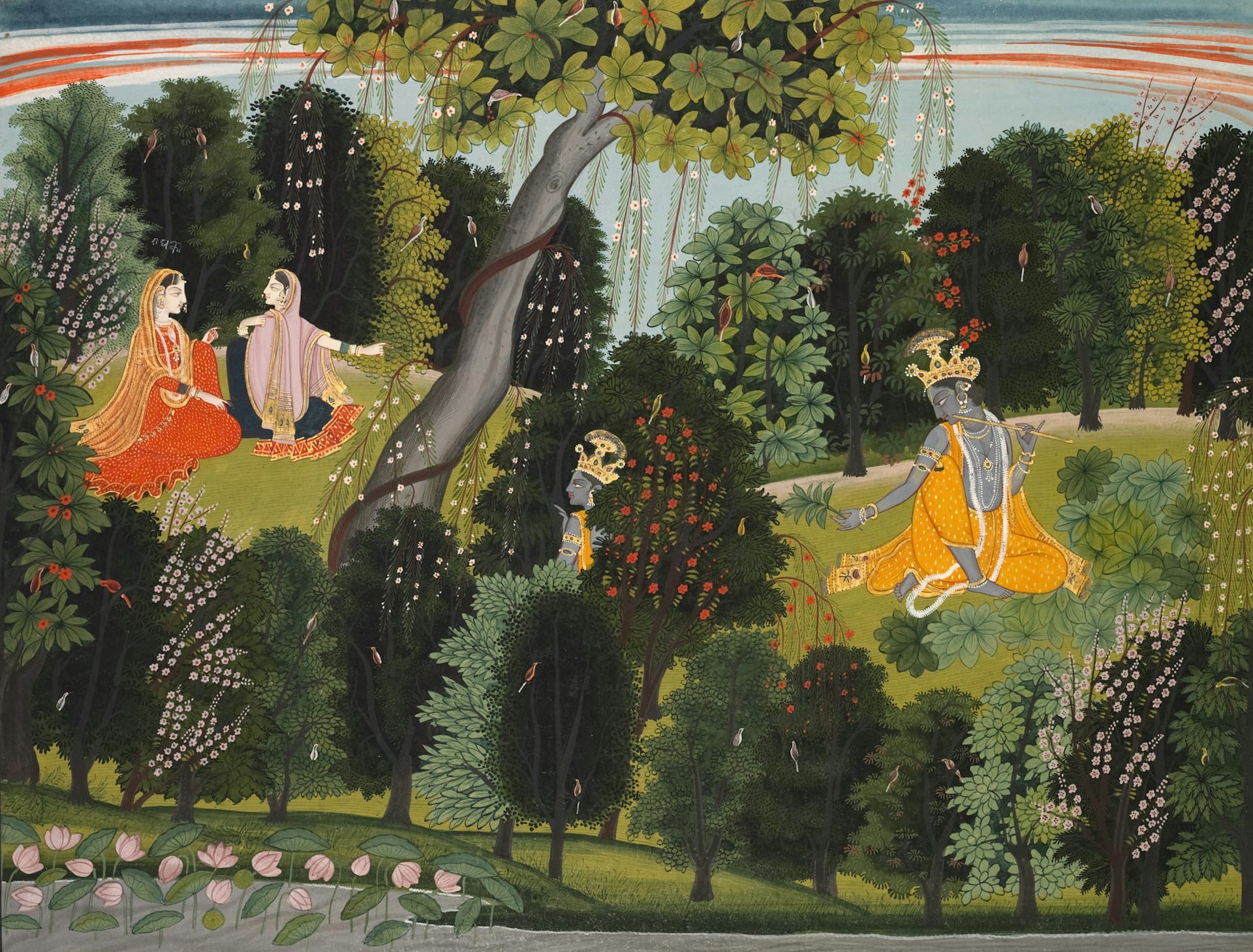
Nishkama karma meaning, in its most direct translation, is this: action without attachment to its outcome. Three words. One of the most demanding instructions ever given. The Bhagavad Gita places it at the centre of everything Krishna tells Arjuna. Not as a suggestion. As the operating principle of a life lived without being destroyed by…
Savitri and Satyavan: 3 Days That Defeated Death Itself
Savitri and Satyavan story meaning and why it is the oldest argument against the idea that love is a feeling. It is not a feeling in this story. It is a decision. Then a series of further decisions, each one more costly than the last, made by a woman who knew exactly what she was…
Shakuni Did Not Want the Kauravas to Win. He Wanted the Kurus Destroyed.
The Shakuni story begins not in a dice hall but in a prison. Shakuni walked with a limp. He had walked that way for as long as anyone in Hastinapura could remember. Nobody asked why. He was the queen’s brother. He was useful. He kept the Kauravas sharp and Duryodhana focused. He smiled at the…
Bhishma Did Not Die When the Arrows Hit Him. He Chose When.
Bhishma fell on the tenth day of the war. He did not die. The arrows had entered him from every direction. He lost consciousness briefly when he struck the shafts. When he came back to himself, held above the ground by the arrows beneath him, he understood what had happened. He had not been taken.…
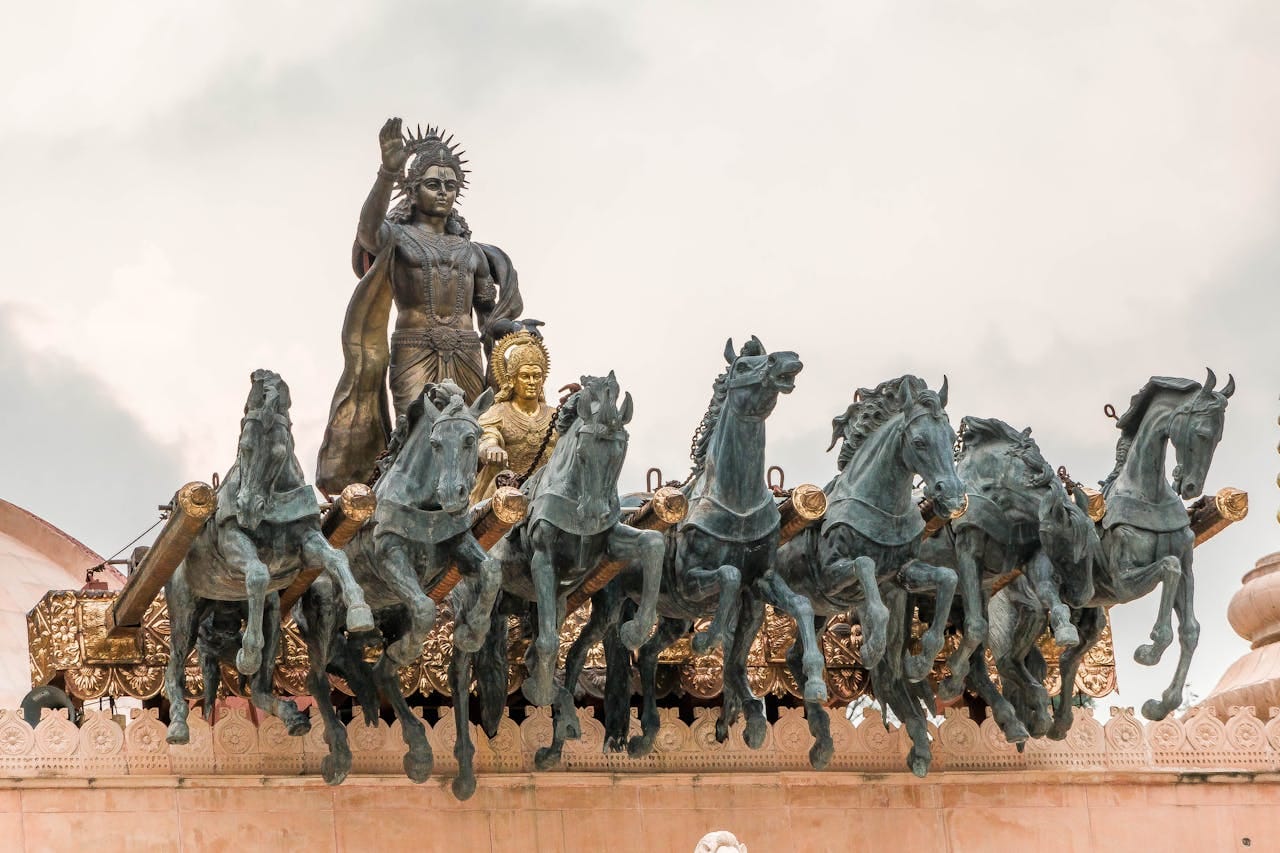
Arjuna Put Down His Bow at Kurukshetra. Krishna Told Him to Pick It Up.
Arjuna looked across the battlefield to understand his Svadharma meaning as he saw his grandfather on the other side of the field. Then his uncles. His teachers. His cousins. Men he had eaten with and trained beside and grown up knowing. Standing across from him in armour. Waiting. He put his bow down. His hands…
What the Mahabharata Knew About Being Right and Being Ignored
Vidura was the wisest man in the Mahabharata. He was also the most ignored. Not in a dramatic way. He held a significant position. Prime minister of Hastinapura. Advisor to the king. A man whose presence at any deliberation signalled that the matter was serious. He spoke. People heard him. Then they did what they…
What the Mahabharatha Knew About Wealth That Nobody Told You
What is the meaning of Artha? Often reduced to mere wealth, it was understood by our ancestors as the vital ground that sustains a full human life. Karna’s story in the Mahabharata reveals the fragile, contested nature of this foundation-one that shapes identity, loyalty, and destiny. He was born with armour fused to his skin.…
All the Versions of Yourself You Have Already Been
There are versions of yourself you have completely forgotten. Not the big ones. Not the you that graduated or moved cities or ended something that needed ending. Those ones you remember. Those ones have stories attached, photographs, the occasional 2am revisit when something in the present nudges something in the past and suddenly you are…
What Is Dharma? What the Mahabharata Knew About Losing Everything
What is Dharma? It is the question the Mahabharata spends eighteen books answering and never quite resolves. That is not a failure of the text. That is the point. The oldest stories we have are not about winning. They are about what a person does when the ground gives way. When the thing they built…
Yoga Kshema Meaning: The Bhagavad Gita Verse Nobody Finishes Reading
Yoga kshema meaning, in its simplest translation, is this: acquisition and preservation. Yoga is the act of obtaining what you do not yet have. Kshema is the act of protecting what you already do. Two words. Two anxieties. The entire architecture of the human mind. The verse they come from is Chapter 9, Verse 22…