Posted by The Present Minds • February 8, 2026 • Current
This jellyfish can sleep without a brain and it’s raising big questions
Sleeping jellyfish don’t look unusual at first.
They drift. They pulse. They float in slow, repetitive movements that already feel halfway between active and still. If you didn’t know what to look for, you would assume nothing was happening at all.
That’s why what scientists noticed recently took a while to land.
The jellyfish stopped responding in the usual way.
Not suddenly. Not dramatically. The pulses became slower. The gaps between movement stretched. When the surrounding water changed, the jellyfish reacted late or barely reacted at all.
It didn’t look sick. It didn’t look damaged.
It looked like it was resting.
At first, the behaviour was easy to brush off. Jellyfish are slow by nature. Stillness is part of their normal rhythm. But the same pattern kept returning. The pauses appeared at regular intervals. The reduced reactions followed the same structure every time.
Eventually, the pattern became hard to ignore.
The jellyfish wasn’t just slowing down.
It was doing something that looked a lot like sleep.
And that idea immediately felt wrong.
Jellyfish don’t have a brain.
What scientists actually observed
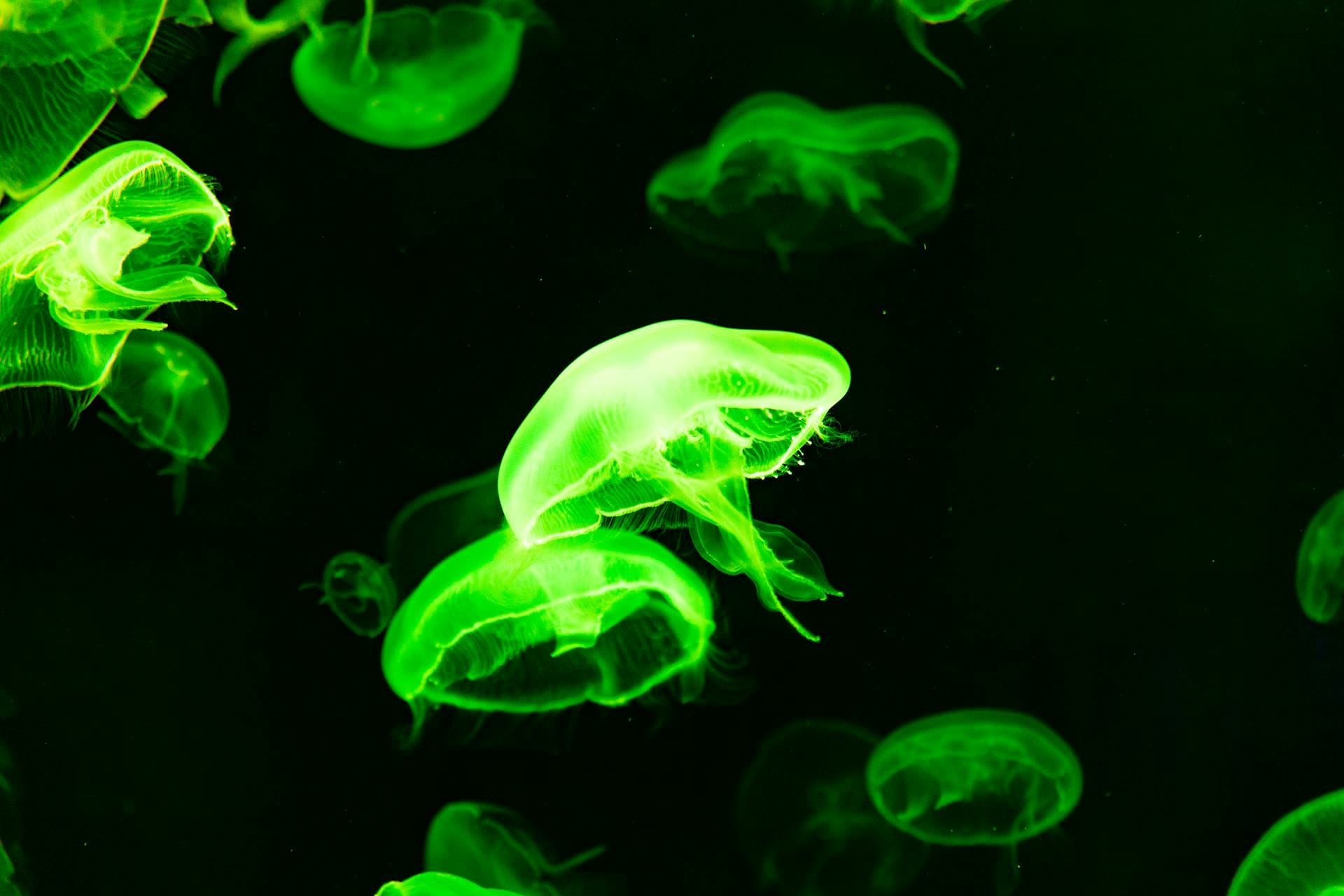
The species being studied was the upside down jellyfish, a creature that spends much of its life resting on the ocean floor, gently pulsing instead of drifting freely through the water.
Researchers watched these jellyfish over long periods. They tracked how often the animals pulsed and how they responded to changes around them, such as light, movement, or disturbances in the water.
Over time, two clear states emerged.
There were active periods where the jellyfish pulsed regularly and reacted quickly to its environment.
And there were quieter periods where everything slowed.
During these slower phases, reactions became delayed. Sometimes the jellyfish barely responded at all. The body was still alive and functioning, but engagement with the world dropped sharply.
That alone was interesting, but it wasn’t enough to call it sleep.
The real shift came when scientists tried to interrupt these rest periods.
They repeatedly disturbed the jellyfish to stop it from entering this slower state. After enough interruptions, the jellyfish began behaving differently. Its normal rhythms broke down. Responses weakened. Recovery took longer.
In short, the system started to strain.
The behaviour closely matched what happens in other animals when sleep is disrupted.
At that point, the pattern could no longer be dismissed.
Whatever this state was, it behaved like sleep.
Why this challenges what sleep was assumed to be
For a long time, sleep was treated as something that belonged to brains.
Brains process information. They store memories. They regulate emotion. Sleep was framed as maintenance for complex thinking systems. No brain meant no need.
That assumption now looks unstable.
The jellyfish does not plan. It does not remember its day. It does not think about tomorrow.
And yet, it enters a structured state where interaction with the world drops in a predictable way.
This suggests sleep might not exist because of thought.
Thought might exist because of sleep.
Instead of intelligence creating the need for rest, rest may have come first. Long before awareness, consciousness, or reflection, life may have learned that constant responsiveness breaks the system.
Pause came before meaning.
Seen this way, sleep stops looking like a luxury or a recovery tool. It starts to look like infrastructure.
Life didn’t rest because it was tired of thinking. It rested because not resting didn’t work.
Why this feels uncomfortably familiar
The reason this story spread so quickly has less to do with jellyfish and more to do with recognition.
Reduced movement. Slower reactions. Irritability when rest is interrupted. These signals feel immediately familiar to humans.
The difference is that people negotiate with them.
People delay rest. Override it. Justify pushing through. Sleep becomes optional when schedules tighten or pressure builds.
The jellyfish does none of this.
It doesn’t track productivity. It doesn’t argue with its body. It doesn’t feel guilt for stopping.
It simply does.
That simplicity highlights something uncomfortable about modern life. Humans have turned rest into something that must be earned, defended, or optimised.
Even sleep comes with rules now. Get enough, but not too much. At the right time. In the right way. For the right reason.
One of the most important implications of this discovery is what it suggests about rest itself.
If an animal without a brain requires something like sleep, then rest is not a wellness trend or a lifestyle preference. It is a biological default.
Life learned early that constant engagement leads to breakdown.
That lesson hasn’t changed. Only the environment has.
Humans now live inside systems that reward constant alertness. Notifications. Messages. Deadlines. Feeds. Everything pulls attention outward and demands response.
The jellyfish lives in an environment that allows withdrawal. When the body needs to disengage, it does so without explanation.
Humans often feel the same need and ignore it.
This isn’t a moral failure. It’s a mismatch.
In Why Stillness Now Feels Unnatural, the same mismatch shows up in how difficult it has become to sit quietly without stimulation. Rest begins to feel suspicious because the world never stops asking for attention.
The jellyfish has no conflict here.
The question that doesn’t resolve cleanly
There is one question scientists cannot fully answer.
If sleep is older than thought, what is it actually for?
Energy conservation explains part of it. Cellular repair explains another part. But those explanations feel incomplete on their own.
The jellyfish suggests something more basic.
Rest may be a way for life to temporarily disengage without shutting down completely. A reset that does not require awareness or intention.
That idea reframes human struggles with sleep. Difficulty resting may not be a failure of discipline. It may be the result of living in conditions that never allow proper withdrawal.
The jellyfish doesn’t need motivation to stop.
It just does.
There is no neat advice hiding here. No routine to copy. No habit to optimise.
The jellyfish isn’t offering guidance.
It’s offering contrast.
Life learned to pause before it learned to think. That order matters more than people are comfortable admitting.
The tank grows quiet. The pulses slow. The world waits.
Eventually, movement returns.
Nothing achieved. Nothing measured.
The system continues because it was allowed to stop.




Leave a Reply to The Present Minds Cancel reply