Here are your 5 pieces of good news from this week. Not the kind that pretend the world is fine. The kind that happened at the same time as everything else.
The Fire That Would Not Be Put Out
On the evening of March 20th, as bombs were still falling on parts of Iran, families in Tehran lit fires in the streets.
Not in protest. In celebration.
Chaharshanbe Suri is a 3,000-year-old Persian fire festival, held on the last Wednesday before Nowruz, the Persian New Year. You jump over the flames. You say the words. The fire takes your pallor and your sickness and gives you back its warmth and its colour in return.
The Islamic Republic has spent decades trying to suppress it. This year, with a war running and an internet blackout in place, they tried harder than usual.
The fires still burned.
In apartments across Tehran, people lit candles on windowsills. In fifty cities around the world, the Iranian diaspora held Nowruz celebrations in parks and squares, hundreds of thousands of people standing together in the cold, keeping something alive that no government has ever successfully killed.
An Iranian woman reached by journalists through a private channel said simply: they have tried to take everything from us. They have not taken this.
A 3,000-year-old tradition. Still burning.
The Gorilla Who Kept Going
Mafuko was four years old when armed individuals killed her mother in the forests of eastern Congo.
She grew up anyway. She joined a new family. She had children of her own. In 2016, she gave birth to twins. They did not survive.
In January 2026, in Virunga National Park, the oldest national park in Africa and one of the most dangerous places on earth to be a wildlife ranger, Mafuko gave birth to twins again.
Both male. Both healthy.
In March, a second female gorilla in the park gave birth to twins. Nine gorilla babies born in Virunga in the first three months of 2026. This is a park where parts of the forest are controlled by armed rebel groups. Where rangers have been killed protecting these animals. Where the word conservation means something closer to stubbornness than science.
There are just over 1,000 mountain gorillas left in the world.
They keep being born anyway.
The Family That Would Not Be Split
In West Palm Beach, Florida, a woman named Ashley Anderson got a phone call about a little girl who needed a home.
She said yes.
Then another call came. The first girl had a sister.
She said yes.
Then a third call. There was a baby. Four months old. Their youngest sister.
Ashley said yes to that too.
She went from zero children to three in a matter of months. She is a licensed clinical social worker. She had seen the foster care system from the inside. She knew what happened to siblings when nobody stepped forward. She had decided, quietly and without announcement, that it would not happen to these three.
Anastasia. Aliyah. Antonique.
They call themselves the A-Team.
Ashley Anderson is a single woman who decided that a family would not be broken simply because nobody else was prepared to hold it together. There was no dramatic moment. No campaign. Just a phone that kept ringing and a woman who kept answering it.
The girls have her last name now.
The City That Quietly Fixed Its Air
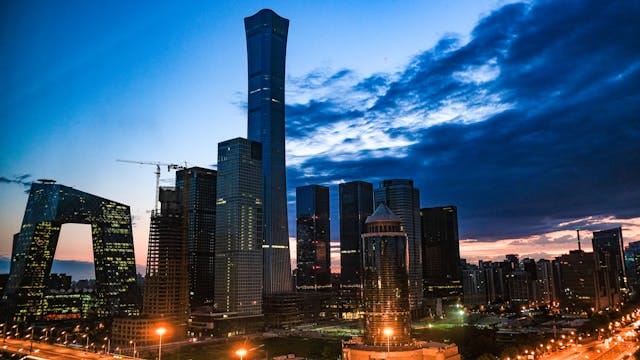
For years, Beijing was shorthand for unbreathable.
Photographs of commuters in surgical masks. Air quality indices so high they had to invent new categories. Children kept indoors on bad days, which was most days.
Then, without announcing it, without a single viral moment, the city got to work.
This month, a report from Breathe Cities found that Beijing is among 19 cities worldwide that have cut air pollution by between 20% and 40% in just fifteen years. The improvement came from cycling infrastructure, clean air zones, electric vehicles, and policy decisions that were made, revised, and made again across multiple governments and a decade and a half of unglamorous commitment.
Nearly half of the nineteen cities are in Asia. Nine are in China alone.
Paris is on the list. Berlin is on the list. London is on the list.
Nobody made a headline about this every year that it was happening. It happened anyway.
The world’s air is cleaner than it was. Fifteen years of work that looked like nothing until it looked like everything.
The Same Halls, a Different Door
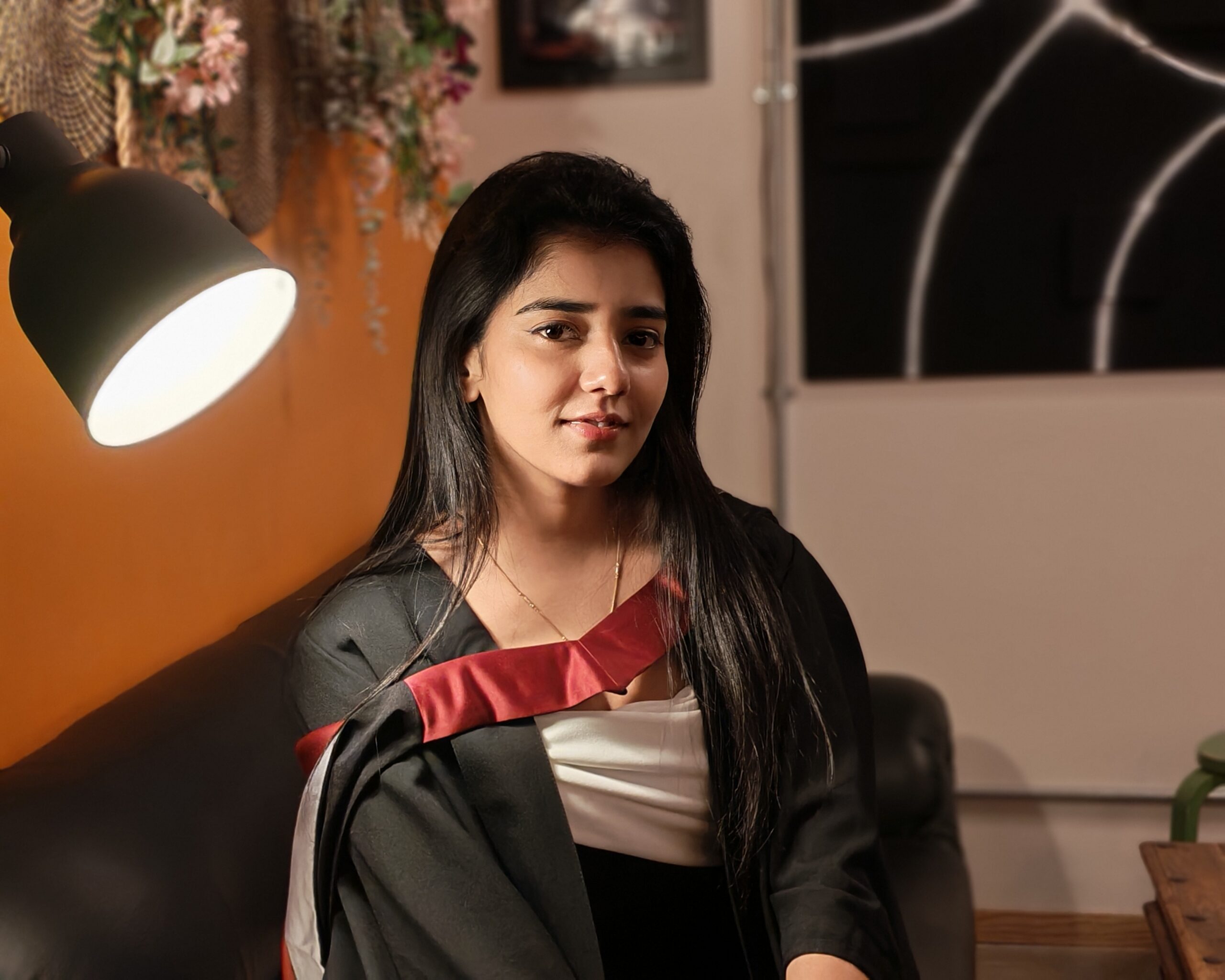
For ten years, Shay Taylor walked the corridors of Yale New Haven Hospital with a mop and a cleaning cart.
She made sure the rooms were spotless. She watched the doctors work. She learned the rhythms of the place, the sounds of it, the particular quality of light in the wards on quiet afternoons.
She kept going to school. She applied. She was rejected. She applied again.
This year, Shay Taylor returns to Yale New Haven Hospital.
Same building. Same corridors she knows by heart. Same wards she cleaned for a decade while the work of becoming who she was going to be was happening somewhere underneath the surface of every ordinary day.
She will be wearing a white coat.
The hospital she mopped for ten years has no idea what it was watching the whole time.

The fires burned. The twins survived. The air got cleaner. The woman went back through the same door in a different coat.
None of this cancelled anything else that happened this week.
It happened at the same time.
Five Times the World Refused to Give Up is a weekly series on The Present Minds. Every week, five stories. One from each corner of the world. Back next week.
This week’s good news the algorithm did not show you
What I learnt from my kurdish barber in london
Deep questions to ask someone to know them better (that actually work)
 Psychology · Sep 22, 2026Chimpanzees Have Accents. They Grow into Them.
 The Margin · Sep 17, 2026People Are Seeing Ads in Their Dreams.
 Slow Meridian · Sep 16, 2026Autumn Leaves