
We tell each other this all the time. In hospital corridors, in late-night texts, in group chats when someone is falling apart. Don’t worry. Everything is gonna be okay.
I don’t believe it anymore. Everything is not gonna be okay, and I think saying that out loud might actually help.
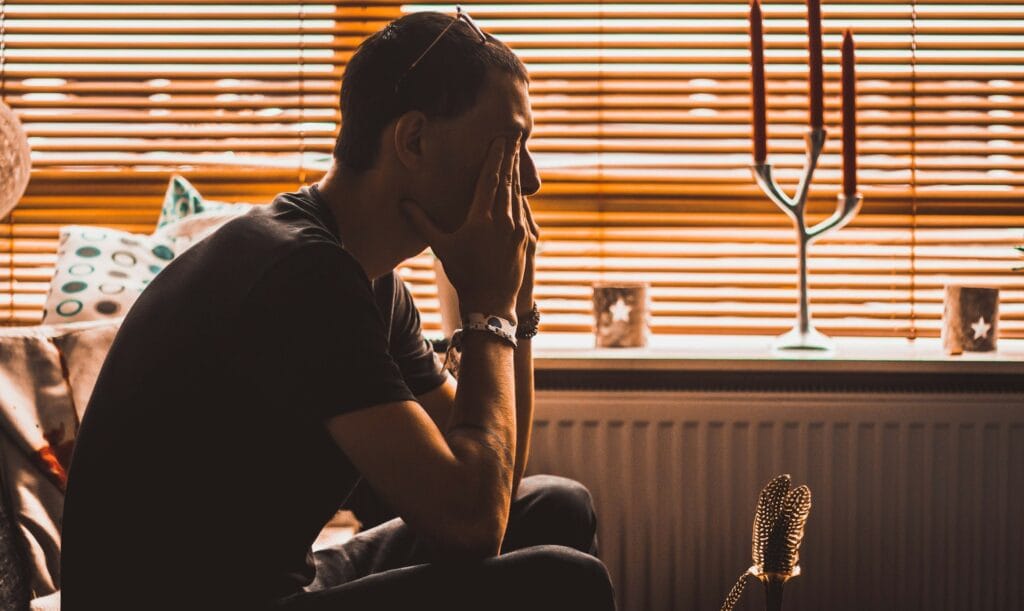
Everything is Gonna be Okay
Notice what the phrase is really doing. Most of the time it is not about the person who is struggling. It is about the rest of us. It is a full stop we reach for when we don’t know what to say, a gentle way of closing a conversation we are not equipped to have.
It sounds like comfort. A lot of the time it is an exit.
And the person on the receiving end can always feel the difference.
Here is what I’ve come to know: there will always be something. You sort out one problem and life hands you the next before you’ve even caught your breath. The job falls through right after the relationship does. The bill lands the same week as the diagnosis. A smooth life does not exist, and expecting one is the only expectation guaranteed to let you down.
We are raised on the opposite idea, that it is all gonna be okay in the end. Films end when the couple gets together. Stories end when the battle is won. Nobody mentions that the sequel starts on Monday morning, with a leaking tap and a difficult email.
So when life refuses to follow the script, we assume something has gone wrong with us specifically. It hasn’t. This is the script. It was always the script.
Ask anyone privately whether they expect a smooth life and they will laugh. We all know this. We just won’t say it to each other, as if naming it out loud might summon it.

The Ordinary Week
This isn’t me being negative. The numbers say it better than I can.
In 2024, 38% of adults worldwide told Gallup they had worried a lot the previous day, and every negative emotion except physical pain is still higher than it was a decade ago. The WHO’s Commission on Social Connection says 1 in 6 people worldwide is lonely, and loneliness is now linked to around 871,000 deaths a year. Close to one billion people are living with a mental disorder.
And in the UK, the Joseph Rowntree Foundation estimates that 7.4 million low-income families could not afford at least one essential item this year. Food. Heating. The basics.
So when someone is in the middle of all that and we say everything is gonna be okay, the honest answer is: for a lot of us, today it isn’t. These are not fringe cases on the edge of the statistics. This is the ordinary week of ordinary people.

The Waiting Room
And the promise does real damage. It turns someone’s struggle into a waiting room. Sit tight, stay positive, the okay is coming. When the okay doesn’t arrive, people don’t blame the promise. They blame themselves.
They start performing recovery for an audience instead of actually recovering. And pain that gets papered over doesn’t go away. It waits.

The Want Itself
Here is what I believe instead.
Everything is not gonna be okay, and okay was never the job.
The pain you’re going through is a phase. It’s the face of this season of your life, not the face of you. Phases end. Not on our schedule, and rarely when we would choose, but they end. And they end well only for the people who keep one thing in mind while they walk through them.
Believe in what you want in your life. Not in a guarantee that it will be easy. In the want itself.
Nobody can hand you that belief and nobody can take it away. It’s the only thing that survives a life that refuses to be smooth. On the worst days, it might be the only thing you actually own.
I want to be careful here, because this is not an argument for pretending. It is not positive thinking with a better haircut. It does not ask you to smile through the season or call the pain a gift. Some of what happens to us is just bad, and it deserves to be called bad.
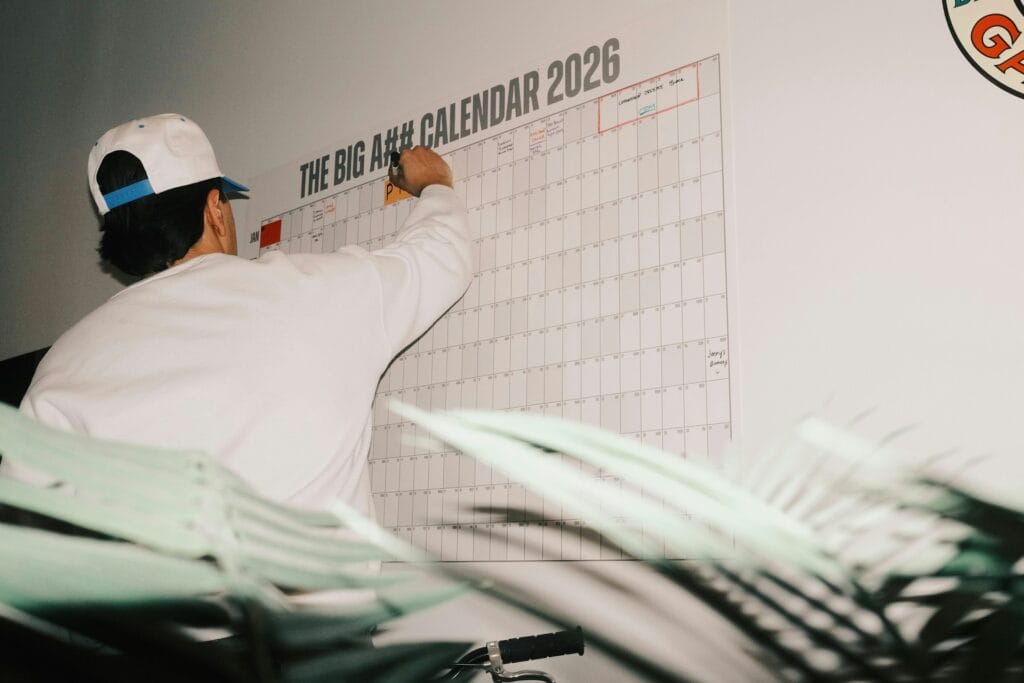
Belief asks only one thing of you: movement. Get up. Do the ordinary thing in front of you. Make the call. Send the application. Book the appointment. Say one honest sentence to one person you trust.
Hope that stays in your head is decoration. Hope that moves your feet is a plan.
You may still get what you wanted. Not because everything became okay, but because you kept going while it wasn’t. That is a different kind of hope. It does not need everything to be okay first, and it is the only kind that holds any weight.
So stop waiting for okay. Name what you’re actually carrying. Let it hurt for as long as it honestly needs to. Then keep moving, one ordinary day at a time, toward the thing you want.
Something will always go wrong. There will always be another problem waiting. But the want stays yours through all of it. That part, at least, is going to be okay.
Read More: A Monkey Bite Killed the King of Greece


 Psychology · Oct 17, 2026A Monkey Bite Killed the King of Greece
 Psychology · Oct 15, 202615 Surprising Facts That Sound Completely Made Up
 The Margin · Oct 13, 202615 Geography Facts That Sound Completely Made Up