Brain Rot: The Science Behind the Word Oxford Made Official
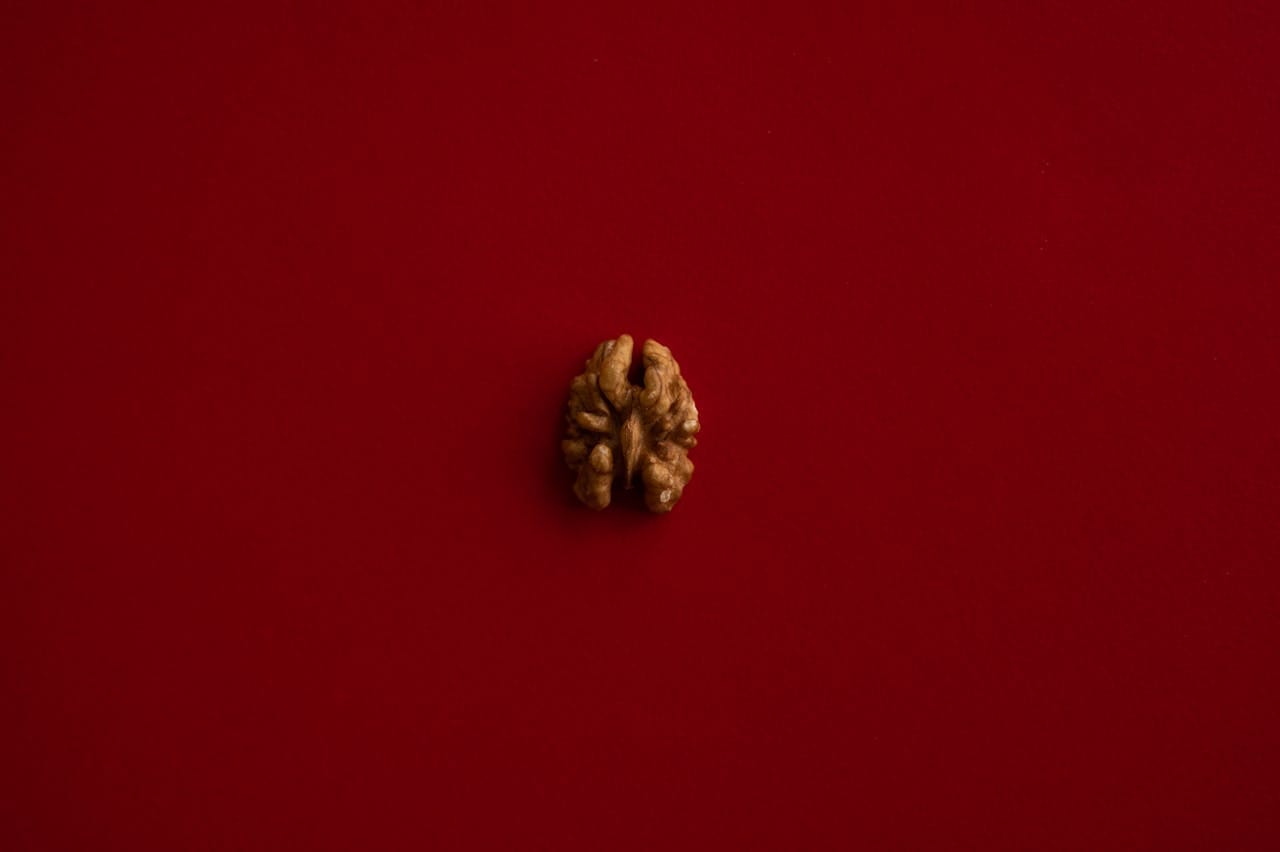
Brain rot was a joke until the neuroscience caught up with it. Oxford University Press named it Word of the Year for 2024, defining it as the supposed deterioration of a person’s mental or intellectual state from excessive exposure to low-quality online content. The word itself is not new. It first appeared in Henry David…
Why Does Music Give You Chills? The Science Behind Frisson
Why does music give you chills? Because your brain just did something extraordinary. It predicted beauty. And it was right. That shiver down your spine has a name. Scientists call it frisson, from the French word for a brief but intense feeling. Most people describe it as goosebumps, a sudden tightening in the chest, hair…
Therapy Generation Anxiety: The Paradox Nobody Wants to Admit
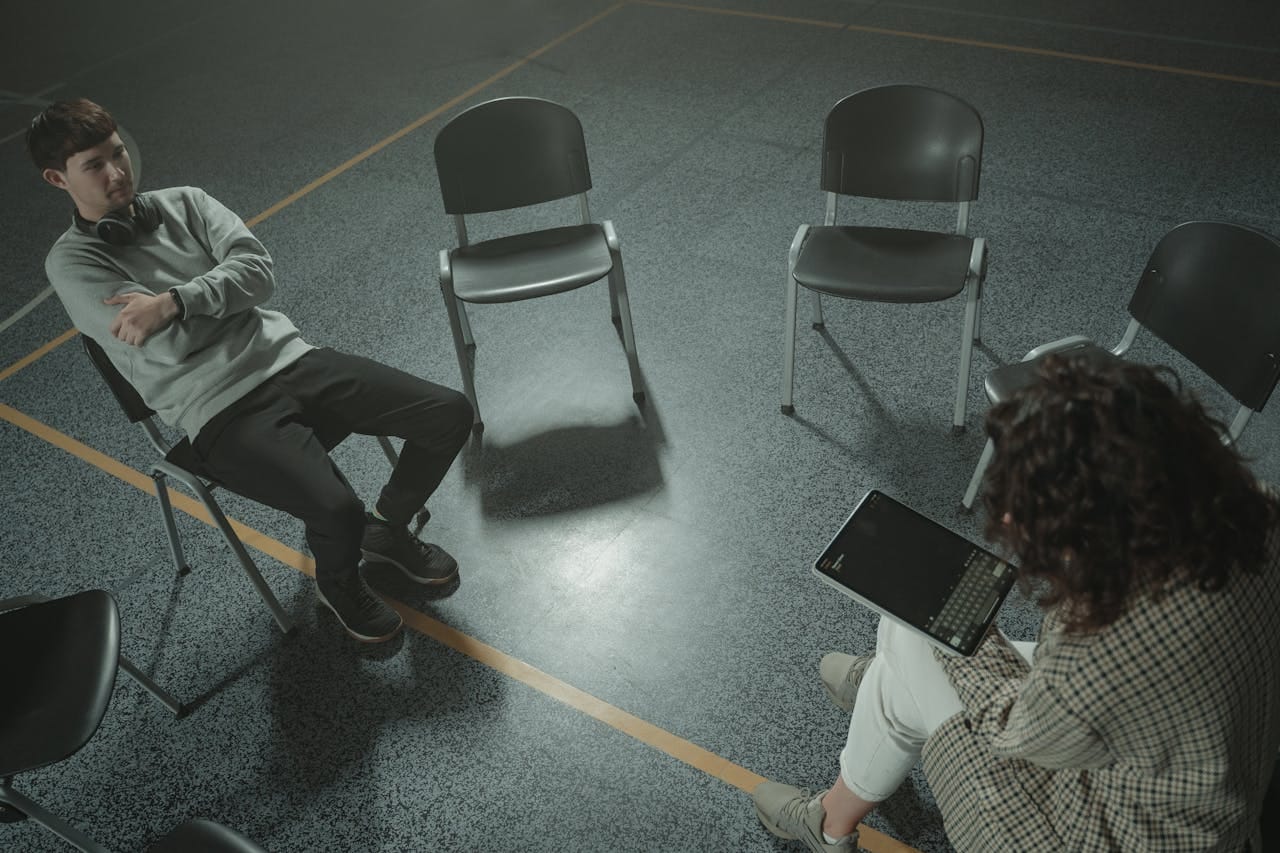
Therapy generation anxiety is the paradox nobody in the mental health industry wants to talk about. Generation Z is the most therapised generation in history. More young people are in therapy, talking about their feelings, using mental health language, and identifying their emotional states than at any previous point in recorded human history. The stigma…
Do People Think AI Is Conscious? A Study Published Today Says It Takes Minutes
Do people think AI is conscious? Most people, if asked directly, would say no. They know they are talking to software. They understand, at least intellectually, that there is no one home behind the text on the screen. Then they have a conversation with a chatbot for a few minutes. And something shifts. A study…
Why Do We Rehearse Arguments That Never Happen?
Why do we rehearse arguments that never happen? Because the brain cannot tell the difference between a problem that has been resolved and a problem that has been rehearsed to death. You have done it today, probably. A conversation in your head with someone who was not there. You said exactly the right thing. They…
Why Nothing Feels Real Anymore: The Strange Experience Nobody Talks About
Why nothing feels real anymore is not a question most people ask out loud. They sit with it. They notice it at odd moments. On a Tuesday evening doing something ordinary. In a conversation that sounds like a conversation they are having but does not quite feel like one. Looking at their own hands and…
Deep Questions to Ask Someone to Know Them Better (That Actually Work)
Deep questions to ask someone to know them better are rarer than they should be. Most conversations stay on the surface because both people let them. You talk about work. About plans. About what you watched recently. You leave knowing roughly the same amount about the other person as you did before you sat down.…
How the Body Ages: 7 Million Cells Just Gave US the Clearest Answer Yet
How the body ages is one of the oldest questions in medicine. Yesterday, for the first time, we got something close to an answer. A study published in Science on February 26, 2026, by researchers at The Rockefeller University mapped nearly 7 million individual cells across 21 different organs, tracking exactly what happens to each…
Solitude Psychology: What Being Alone Actually Does to the Brain
Solitude psychology is one of the most misunderstood fields in modern mental health research. We have spent decades studying loneliness, its harms, its causes, its epidemic spread through wealthy societies with more screens and fewer third places. Loneliness research is abundant, urgent, and well-funded. The research on solitude, on chosen aloneness, on the specific and…
Five Good Things That Happened in March 2026 That Nobody Told You About
There is good news March 2026. There is actually a lot of it. The problem is where you have been looking. It is not a rhythm designed to make you feel good about the world. It is a rhythm designed to keep you watching. Alarm. Outrage. Dread. Refresh. Repeat. What gets lost in that rhythm…