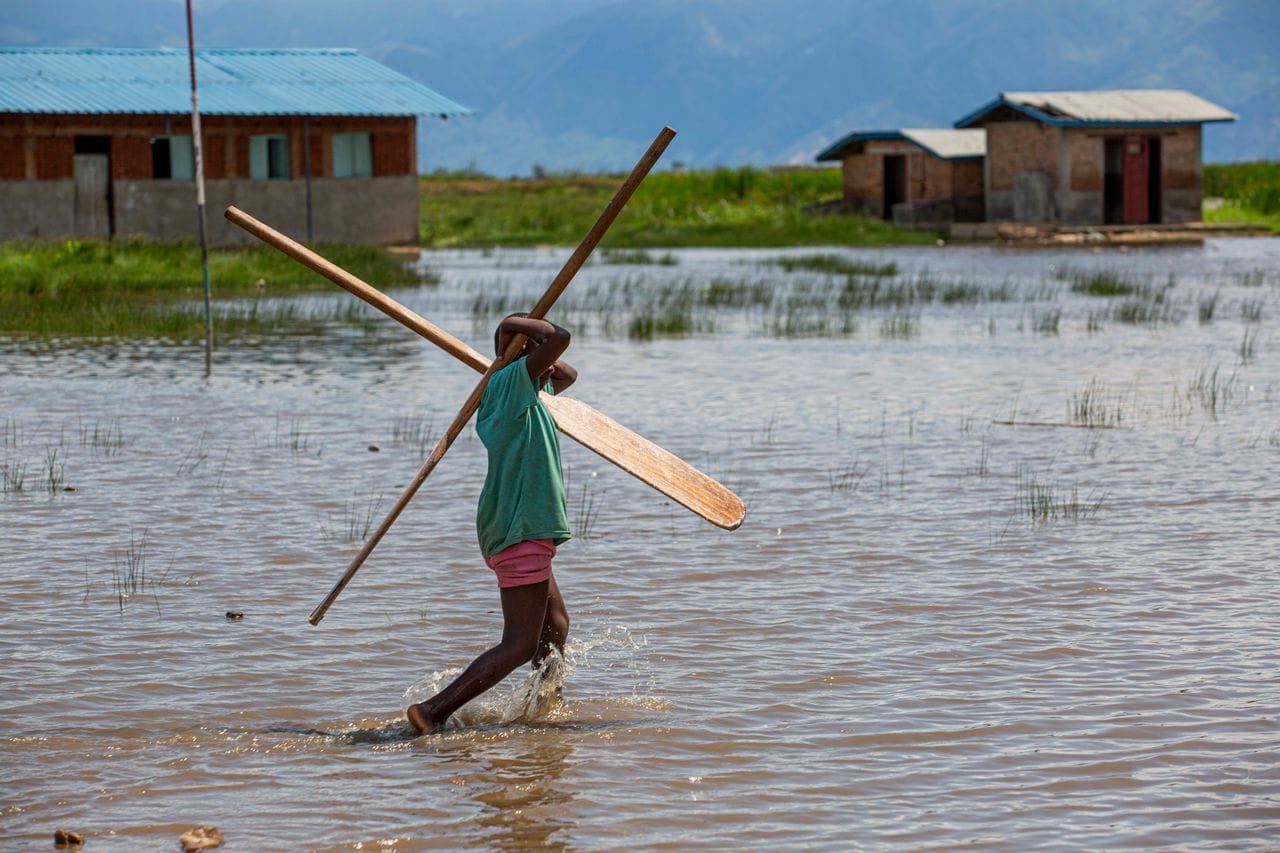
El Niño deaths could reach hundreds of thousands during the current event, according to a new analysis from the Climate Impact Lab.
There is a number making its way through climate news this week: 451,000.
That is how many additional people could die from extreme heat during the first nine months of the current El Niño, according to a new analysis from the Climate Impact Lab.
It is an extraordinary number. It is also a projection, not a prediction that exactly 451,000 people are destined to die.
And there is an important detail getting lost in some of the headlines.
The 451,000 estimate covers the period from June 2026, when the current El Niño began, through February 2027. For the six months from September through February, the researchers estimate roughly 239,000 additional heat-related deaths worldwide.
Still enormous. Just more accurately enormous.
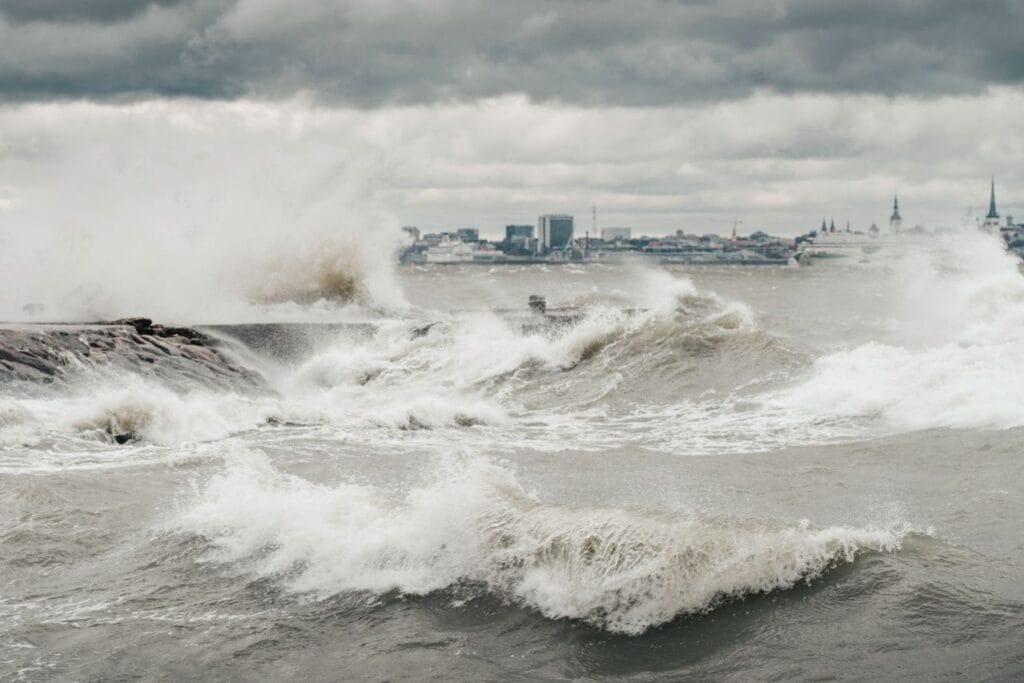
This is not an ordinary El Niño
El Niño itself is nothing new.
Every few years, unusually warm water builds across parts of the tropical Pacific Ocean. That changes winds, rainfall and temperatures around the world. Some places become wetter, others drier, and global temperatures usually rise.
The one happening now appears to be unusually powerful.
NOAA said earlier this month that there is a greater than 90 percent chance of a very strong El Niño during the Northern Hemisphere autumn and winter. It also puts the chance of the event reaching historic strength during October to December at 75 percent.
The World Meteorological Organization expects El Niño to continue through February 2027 with a likelihood close to 100 percent.
That is happening on top of a planet that is already warmer because of human-caused climate change.
The Climate Impact Lab estimates that global land temperatures during this El Niño could run about 1.2°C above normal, producing around 44 percent more extremely hot days than would usually be expected.
That extra heat is where the 451,000 figure comes from.
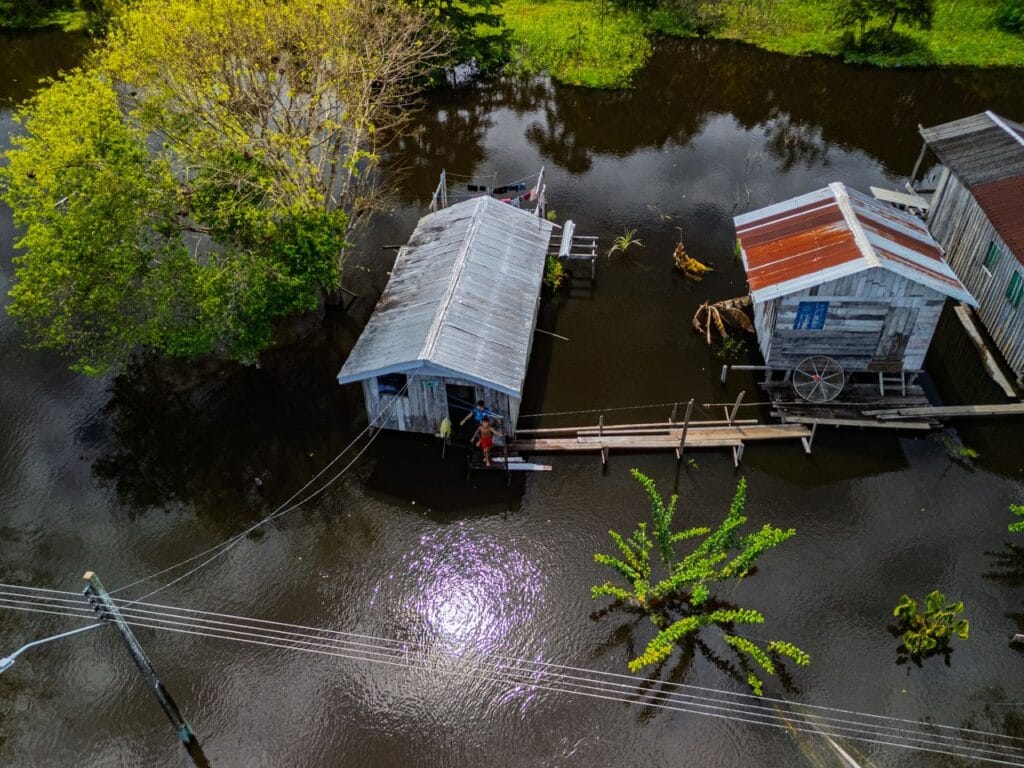
What does the data say?
Researchers are not simply looking at a weather forecast and guessing how many people might die.
The work builds on years of research into what happens to death rates when temperatures rise or fall.
A major 2022 study published in The Quarterly Journal of Economics compiled mortality data covering hundreds of millions of deaths and studied the relationship between temperature and mortality around the world. The researchers divided the planet into more than 24,000 regions and found something important: extreme temperatures do not affect every place equally.
A 38°C day in one country is not necessarily as dangerous as a 38°C day somewhere else.
People adapt.
Homes have air conditioning. Cities build cooling centres. Hospitals prepare for heatwaves. People change when they work outside. Wealthier countries tend to have more resources available when temperatures become dangerous.
The problem is that those protections are very uneven.
For this new report, researchers combined what they know about the relationship between temperature and mortality with seasonal temperature forecasts for the current El Niño.
The result was the estimate of hundreds of thousands of additional deaths compared with what would normally be expected under temperatures typical of the past three decades.
Michael Greenstone, a co-founder of the Climate Impact Lab, put the scale of the estimate simply:
“This is such a large number that it can be numbing.”
The number becomes easier to understand when you look at where those deaths are expected to happen.
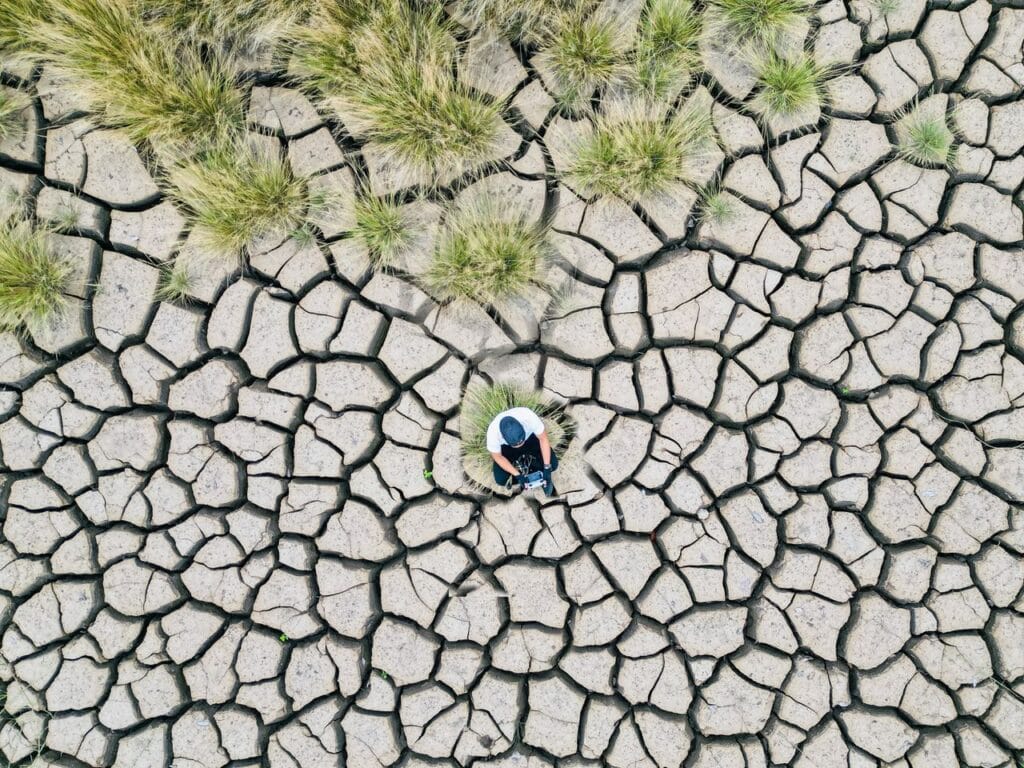
Where El Niño Deaths Could Be Highest
The worst effects are expected in countries that are already hot and have fewer resources for dealing with extreme temperatures.
Over the six months from September through February, the researchers project about 66,800 additional heat deaths across Africa’s Sahel region, including roughly 31,400 in Nigeria.
Indonesia could see around 19,300.
India, 15,800.
Brazil, 13,300.
The Philippines, Vietnam, Thailand and Cambodia together could see another 19,400.
This does not mean somebody has calculated the future death certificate of every individual in those countries.
These are statistical estimates.
And that matters.
Akshay Deoras, a meteorologist at the University of Reading, told Al Jazeera that he was “sceptical about regional distributions” in the report and questioned whether some country-level estimates could really be calculated with that much precision.
There is another caveat worth knowing. The underlying research connecting temperature and mortality has been peer reviewed, but the specific methodology used for this new El Niño projection has not yet gone through that process. The researchers say it will be submitted for publication, and they plan to update the numbers as the event develops.
So 451,000 should not be read as a stopwatch counting down to exactly 451,000 deaths.
It is a warning based on the best available data.
The strange thing about heat is how quietly it kills
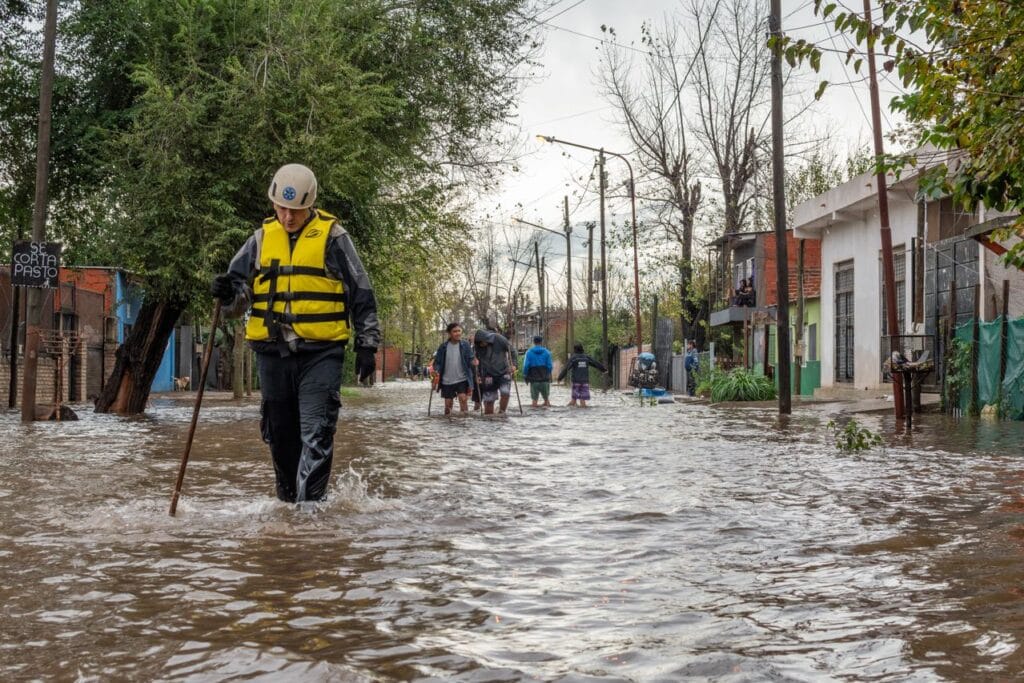
A flood leaves wrecked houses.
A hurricane has satellite pictures.
A wildfire turns the sky orange.
Heat can be much harder to see.
Someone with heart disease deteriorates during a week of extreme temperatures. An elderly person living alone becomes dehydrated. An outdoor worker spends hours in heat his body cannot safely handle.
The death certificate may never contain the words “El Niño”.
That is partly why heat deaths are notoriously difficult to count even after they have happened, never mind months in advance.
But that does not make the risk imaginary.
The earlier peer reviewed work behind these estimates found that extreme heat increases mortality, particularly among older people, and that poorer and hotter regions tend to have fewer ways to protect themselves.
Which means the most interesting part of this report may not actually be the 451,000 figure.
It is the fact that many of these deaths are not inevitable.
Heat warning systems can be issued before the worst days arrive. Cities can open cooling centres and hydration stations. Hospitals can increase staffing. Governments can change rules for people working outdoors. Health workers can check on elderly people before a heatwave peaks.
Abhiyant Tiwari, a heat specialist with NRDC India who was not involved in the research, made the point well:
“The real measure of our preparedness is not how many heat warnings we issue, but how effectively we protect people and reduce preventable deaths.”
That may be the better way to read this report.
Not as a prophecy that 451,000 people are going to die.
As a forecast saying that, without enough preparation, a frightening number of people could.
And unlike a body count after a disaster, this number has arrived before the worst of the heat.
There is still time for it to be wrong.
Read Next: Google Search Is Broken
What living in London actually feels like. Nobody warned me.
Michael Ventris Decoded a 3,000 Year Old Script. Then He Was Gone.



 The Prism · Nov 1, 2026Everything is not gonna be okay.
 Psychology · Oct 17, 2026A Monkey Bite Killed the King of Greece
 Psychology · Oct 15, 202615 Surprising Facts That Sound Completely Made Up