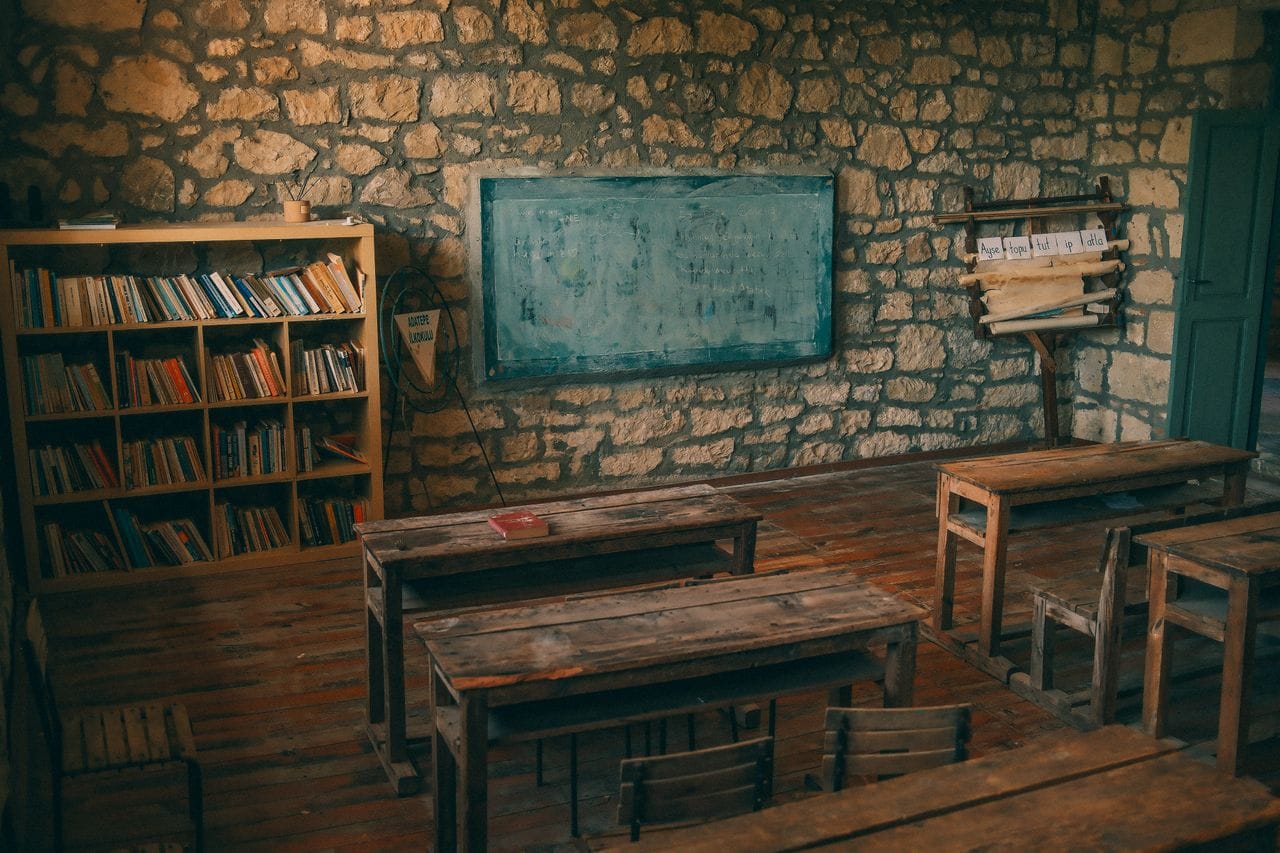
School stress feels like a modern problem.
We usually blame exams, homework, competition, parents, teachers, university admissions, social media, or some combination of all of them. There is always something new making school harder.
Then I found a boy worrying about exactly the same thing almost 4,000 years ago.
He was scared of being late.
Before going to bed, he asked to be woken up early because he knew he would be punished if he reached school late. The next morning his mother gave him his lunch and sent him off.
He was late anyway.
By the time he reached school, he was already nervous.
And from there, his day got worse.
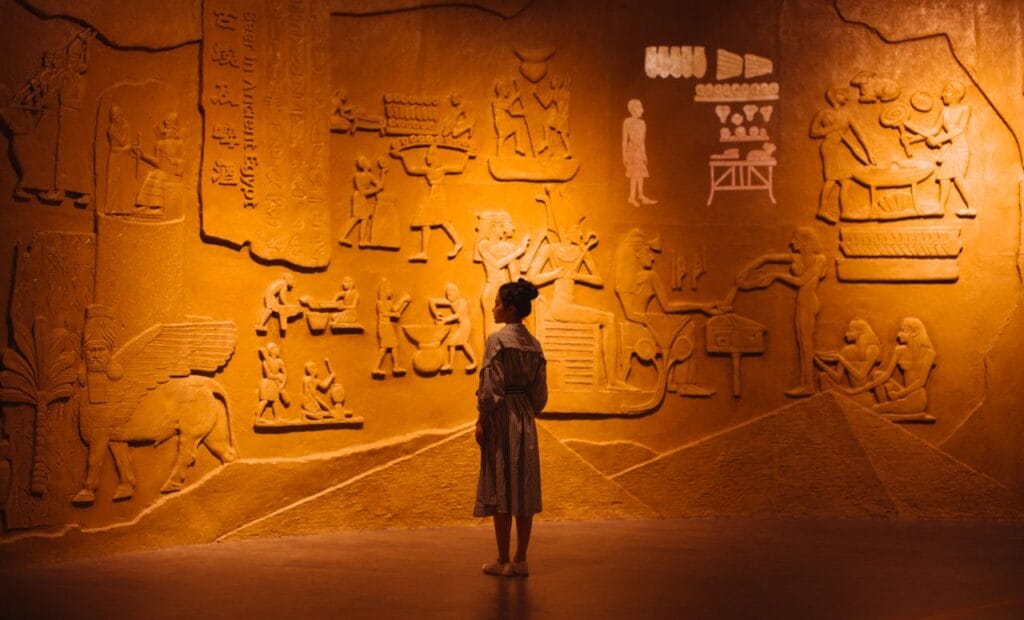
I Found Him in a History Book
I came across the story while reading Dennis Sherman and Joyce Salisbury’s The West in the World.
History books usually move through very large things. Civilisations. Kings. Wars. Religions. Laws. Empires.
Then every once in a while, someone completely ordinary appears.
This time it was a schoolboy.
His story comes from an old Sumerian text usually called Schooldays, or Edubba A. It was written around 2000 BCE and was copied many times by students and scribes in ancient Mesopotamia.
It is not literally the private diary of one child. We do not know his name, and we cannot say for certain that every event happened to one particular boy.
But it reads strangely like someone describing a bad day at school.
That is what caught me.
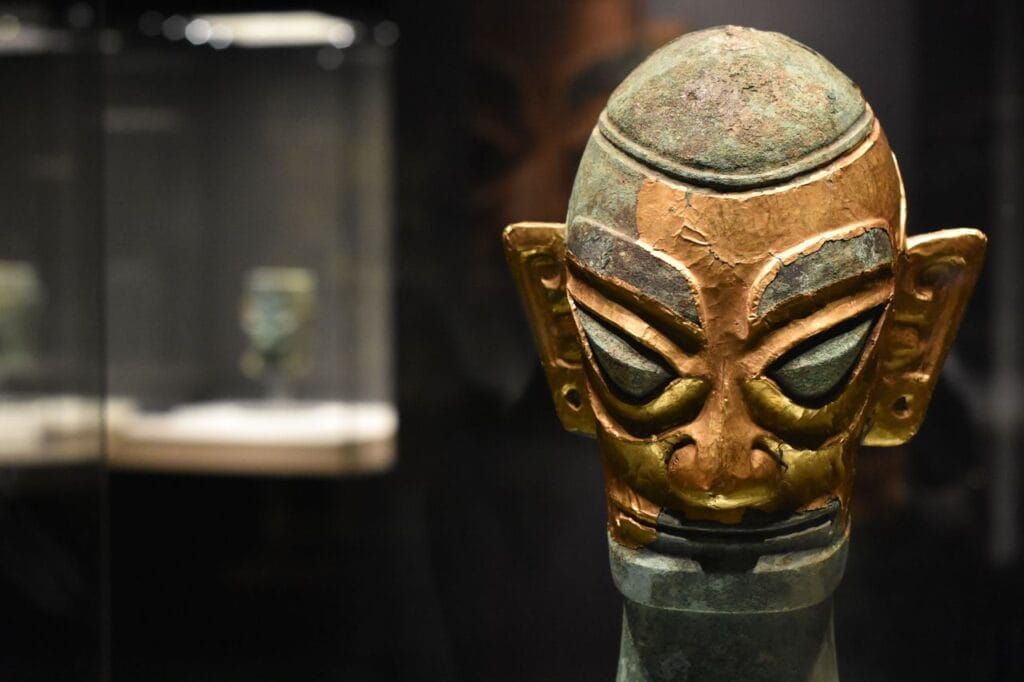
His Homework Was Made of Clay
The boy was training to become a scribe.
His school was called an edubba, usually translated as the House of Tablets.
The name sounds grand until you realise it was basically describing the equipment.
Students wrote on clay tablets.
They used a reed stylus to press marks into the wet clay. Those wedge-shaped marks are what we now call cuneiform.
Learning to write this way was difficult. There were signs to memorise, texts to copy, lessons to recite, and plenty of room to get things wrong.
The boy describes doing his work, eating his lunch, preparing another tablet, writing, and then going home.
At home, he shows his work to his father.
His father is pleased.
For a moment, everything seems fine.
Then bedtime comes, and the boy starts worrying about the next morning.
He asks to be woken early.
He knows what happens if he is late.
Then He Was Late
The next day does not go well.
He reaches school late and gets into trouble almost immediately.
Then the punishments keep coming.
He is punished for talking.
He is punished for getting up.
He is punished for going outside.
His writing is criticised too.
Then he is punished again.
There were apparently a surprising number of adults in this school who were allowed to hit children.
That part belongs very clearly to another time.
But the rest of the scene does not feel especially ancient.
The boy worries about his work. He knows his teacher is unhappy with him. He is scared of getting into trouble. He goes home frustrated.
None of this needs much explanation.
We know the feeling.
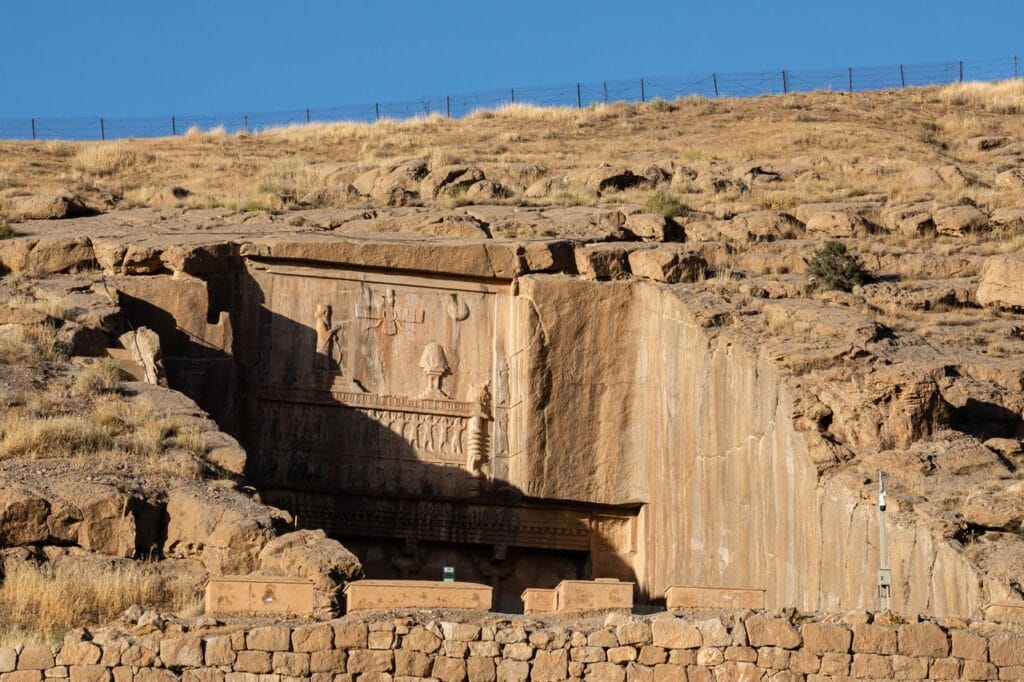
Then His Father Gets Involved
Eventually the boy tells his father what is happening.
And this is where the story gets much better.
His father invites the teacher home.
The teacher is treated very well.
He gets food, drink, a good seat, and gifts. The family makes it very clear that he is an important guest.
The boy also shows what he has learned.
And suddenly the teacher becomes much more encouraging.
He praises him.
He tells him he can do well.
He talks about the boy rising above the other students.
The same child who had spent the day being punished is now being told he has a bright future.
Samuel Noah Kramer, one of the scholars who studied and translated the text, described this whole episode as a very early example of “apple-polishing.”
That description still works.
A child has problems at school.
He goes home.
His father gets involved.
The teacher comes over.
Things improve.
Some parts of education really have had a long life.
What Makes the Story Strange Is Not That It Is Ancient
The easy conclusion would be to say that nothing has changed in 4,000 years.
That is obviously not true.
Almost everything around this boy was different.
His schoolwork was made of clay. Writing itself was a specialist skill. Physical punishment was normal. Religion, class, work, family life, and authority were understood very differently.
Ancient Sumer was not basically modern life with fewer machines.
But people do not need the same world to feel the same kinds of things.
A child can still be scared of disappointing a teacher.
A parent can still feel proud when their child does well.
A student can still lie in bed thinking about what might happen at school tomorrow.
And a bad day at school can still feel enormous when you are the one having it.
That is what makes this little story work.
It does not need us to force a modern lesson onto it.
The boy already gives us enough.
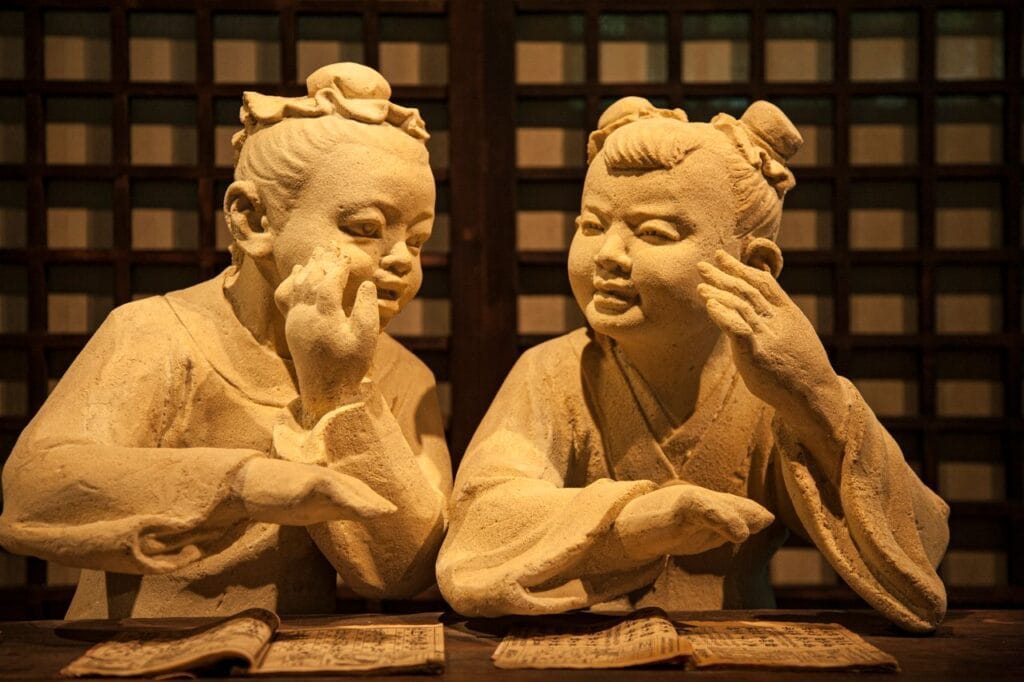
School Stress Did Not Begin with Modern Schools
When we talk about school stress today, we usually talk about very modern causes.
Exams.
Competition.
Homework.
Grades.
University pressure.
Social media.
All of those things matter.
But underneath them is something much older.
Someone is judging your work.
You want to do well.
You know you can fail.
You care what your parents think.
You care what your teacher thinks, even when you pretend you do not.
You compare yourself with other students.
You worry about tomorrow before tomorrow arrives.
That part does not need smartphones or standardised testing.
It only needs a child, an expectation, and someone with the power to say whether the child has met it.
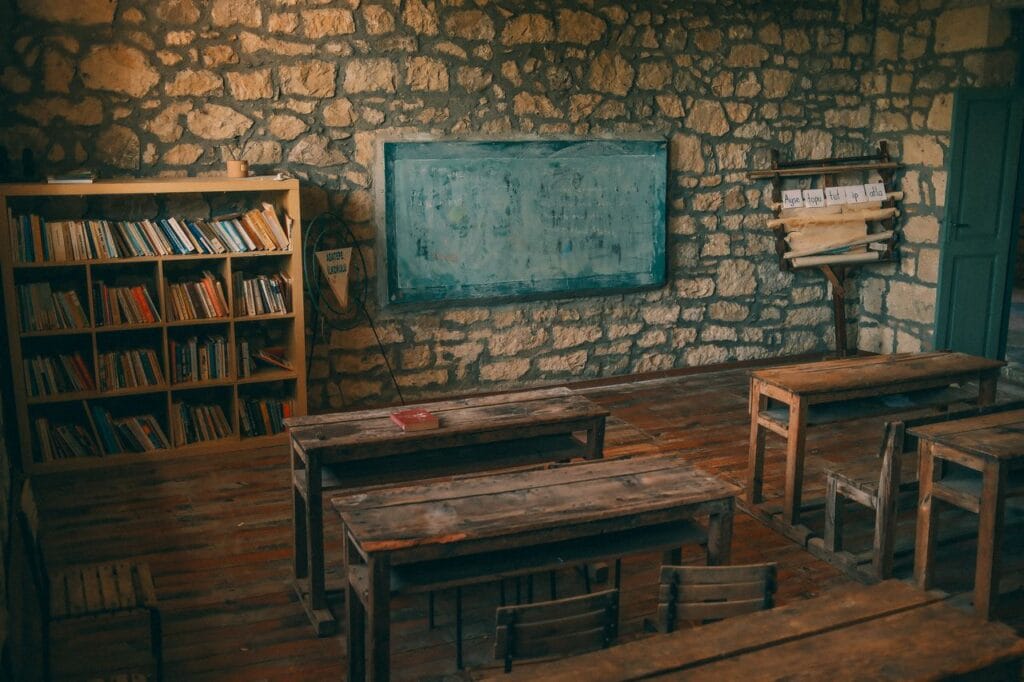
The Part I Keep Thinking About
What stayed with me was not the punishment.
It was the ordinary stuff.
His mother giving him food before school.
His father being pleased with his work.
The boy worrying about being late.
The teacher criticising his writing.
Him going home after a bad day and telling his father what happened.
History normally makes ancient people feel very far away.
Dates do that.
Maps do that.
Words like Mesopotamia and cuneiform do that too.
Then you find one person worrying about something completely ordinary, and the distance becomes much smaller.
The boy’s school disappeared.
The civilisation around him disappeared.
The language eventually stopped being spoken in everyday life.
We do not even know his name.
But somehow his bad day at school made it all the way to us.
And that might be more useful than another story about a king.
Read Next: For Most Men, the Question Is Never “How Do You Feel?”
Your Brain May Be Running Low on Something.
The Museum of Failure Holds Things the World’s Biggest Companies Hoped You Would Forget


 Psychology · Sep 22, 2026Chimpanzees Have Accents. They Grow into Them.
 The Margin · Sep 17, 2026People Are Seeing Ads in Their Dreams.
 Slow Meridian · Sep 16, 2026Autumn Leaves